
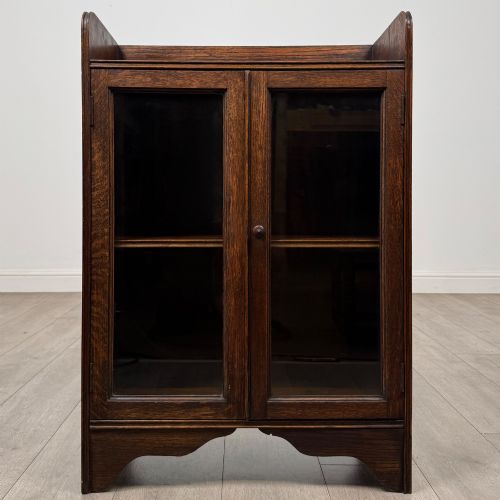
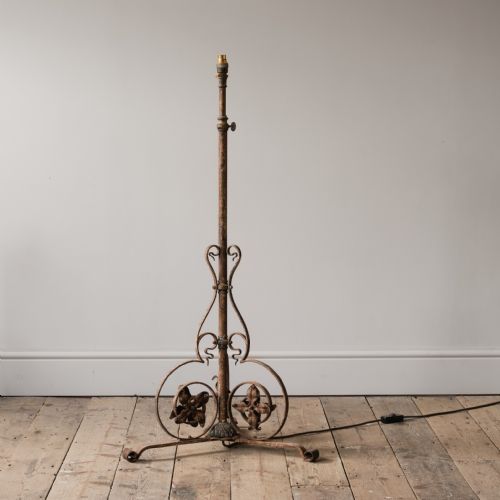
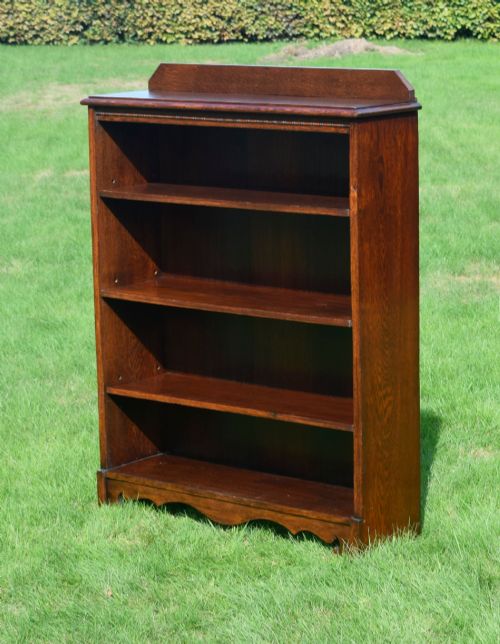
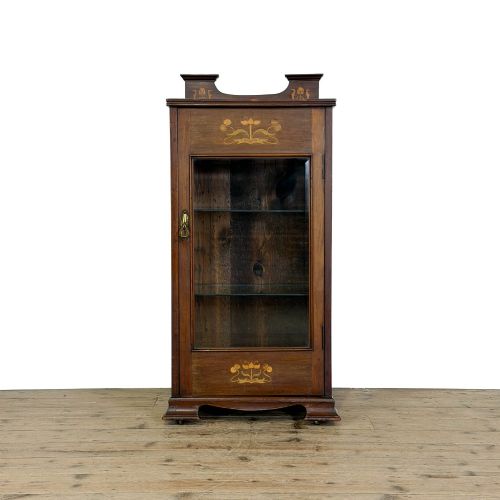
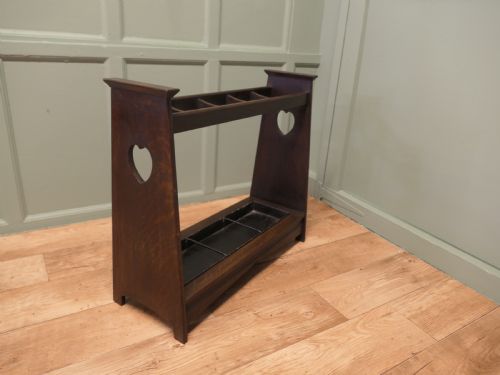


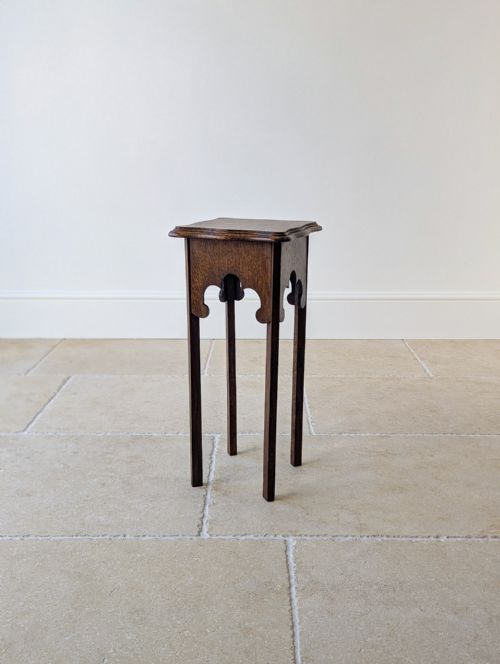
Arts and Crafts Stand
These arts and crafts stand pieces offer honest construction and utility, bringing purposeful design to hallways and living spaces.
Arts and Crafts stands
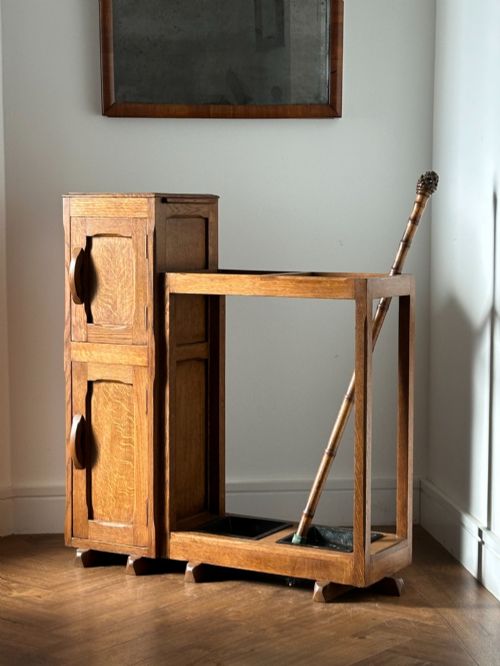
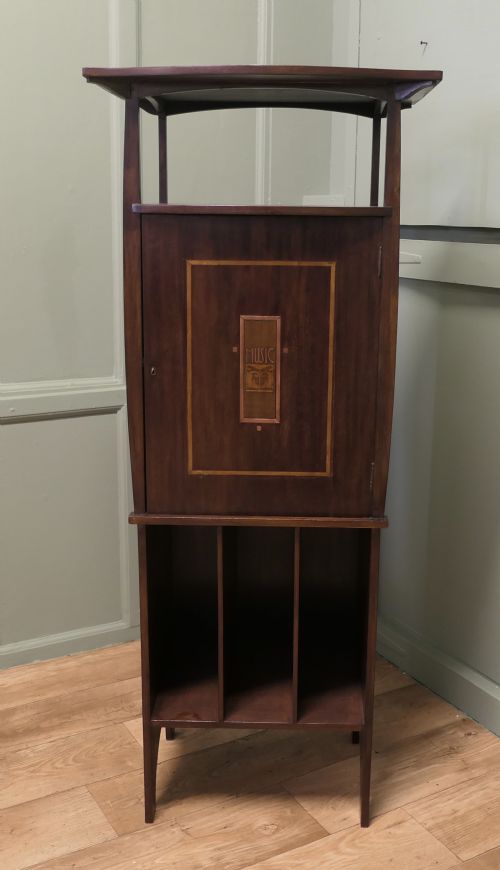
An arts and crafts stand encompasses functional furniture designed for domestic organisation and display, including plant holders, umbrella racks, book stands, and hall furniture. When searching this phrase, buyers encounter practical items intended to serve a specific household purpose without superfluous ornamentation.
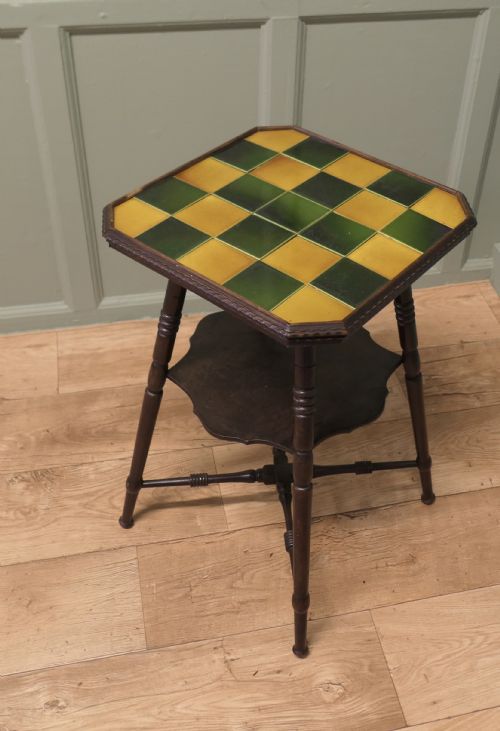
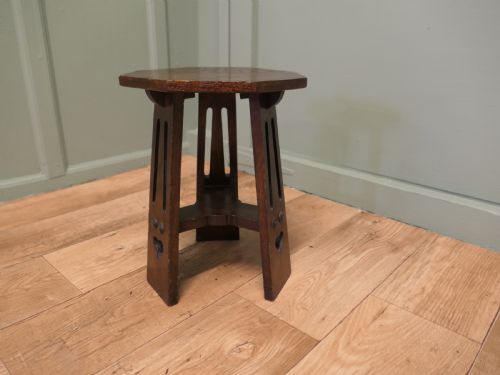
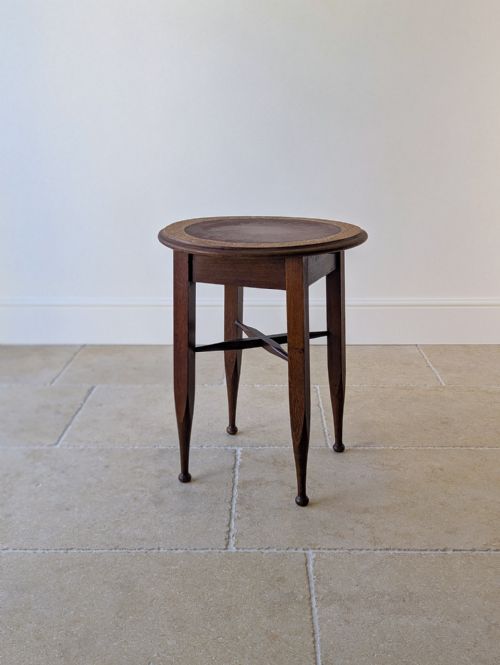
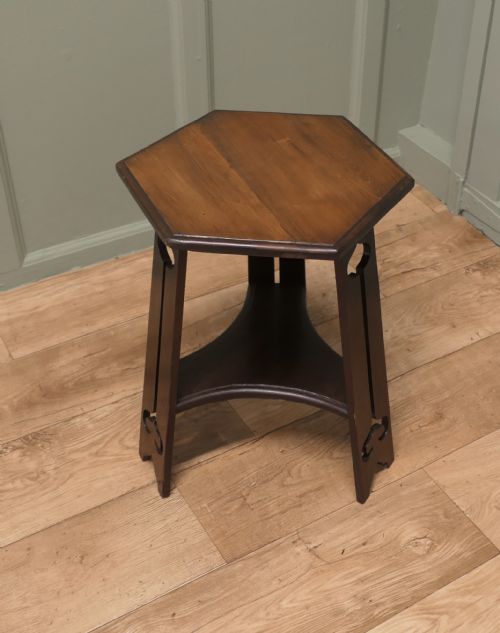
Oak forms the backbone of these pieces, alongside beech, walnut, mahogany, and occasional exotic hardwoods. Plant stands and two-tier tables appear frequently, serving as compact display platforms for domestic greenery or decorative items.
Hall stands and coat racks combine storage hooks with mirrors, umbrella wells, and sometimes seated storage. These larger items anchor entranceways, reflecting the period's focus on combining multiple domestic functions into a single solid piece of furniture.
Materials and construction
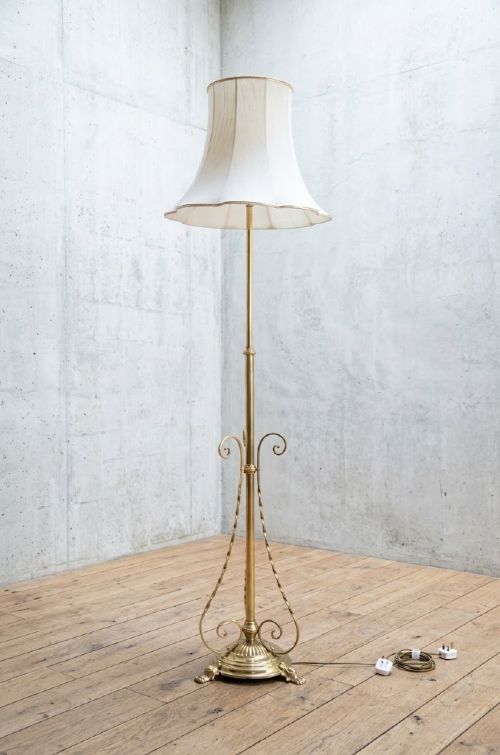
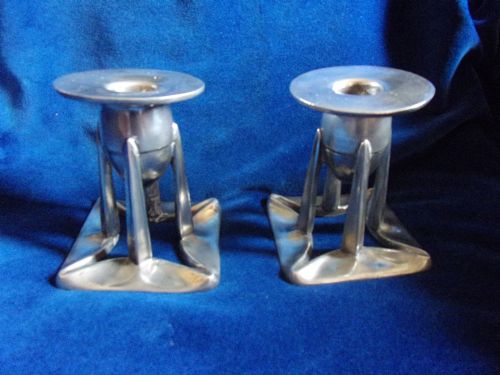
Joiners and metalworkers utilised solid timber such as oak, beech, and mahogany, paired with copper, brass, bronze, and cast iron. Metal components appear as structural framing, drip trays, or decorative panels, often featuring hand-beaten textures.
Woodwork relies on visible construction methods, solid boards, and occasionally mother-of-pearl inlay or carved detailing. Copper and brass elements demonstrate sheet metal working, riveting, and casting techniques appropriate for umbrella stands and coal boxes.
Retail Price Guide 2026
Typical UK retail prices for arts and crafts stand, calculated from the Sellingantiques database of over a million retail prices indexed since 2003. This retail price guide relies exclusively on Sellingantiques data; no external sources or auction records are used, so the figures do not describe the wider market.
Victorian umbrella stands often kept walking canes dry while patiently waiting for sudden downpours.
Judging quality
Material selection dictates the baseline of quality, separating solid golden oak and substantial mahogany structures from lighter beech or composite constructions. Heavier gauge metals in copper trays and cast iron frames indicate superior durability.
Execution of detail separates standard utility items from finer workshop pieces. Thoughtful integration of hardware, clean joinery, and refined metalwork define the upper tier of these domestic stands.
Liberty of London·Shapland and Petter of Barnstaple·Astrola
The Arts and Crafts Stand Glossary
- Hall stand
- A multi-functional hallway furnishing combining coat hooks, a mirror, umbrella storage, and sometimes a glove drawer or seat.
- Stick stand
- A dedicated freestanding frame designed to hold walking sticks, canes, and umbrellas, usually incorporating a metal base tray to catch water.
- Plant stand
- A tall, slender table or pedestal created to elevate potted plants for better light and display.
- Ebonised wood
- Timber treated with a chemical stain or finish to imitate expensive ebony.
- Two-tier
- A furniture design featuring a primary top surface supplemented by a lower shelf supported between the legs.
Frequently Asked Questions
What rooms suit an arts and crafts stand?
Hall stands and umbrella racks belong naturally in entrance halls where guests arrive, managing coats and walking sticks efficiently. Plant stands and book tiers fit comfortably into living rooms, studies, or corners needing vertical interest.
Smaller occasional stands and folding cake stands adapt easily to various rooms, serving temporary roles during gatherings or holding books beside seating.
How do I care for wooden stands?
Solid oak and mahogany require minimal maintenance beyond regular dusting with a soft cloth. Applying quality beeswax periodically preserves the grain and protects the surface from dryness.
Keep wooden furniture away from direct heat sources and damp areas to prevent timber movement. Metal drip trays in umbrella stands need regular emptying and drying to avoid corrosion.
Are these stands suitable for daily use?
Sturdy construction from solid timber and metal makes these pieces entirely practical for modern households. Hall stands handle coats and bags reliably, while plant stands support everyday planters.
Care should be taken with antique finishes when placing wet items directly onto wood surfaces. Utilising original or replacement liners protects internal wells on umbrella and stick stands.
How do I identify the period?
Edwardian and late Victorian pieces display characteristic vernacular styles, incorporating exposed joinery, hammered copper, and honest materials. Labels or stamps occasionally identify specific workshops or retail houses.
Construction details such as hand-cut screws, timber shrinkage patterns, and traditional fixings help distinguish period pieces from later reproductions.