
Arts and Crafts Hearth
An arts and crafts hearth gathers honest metalwork and warm timber to anchor a room.
Arts and Crafts Hearth
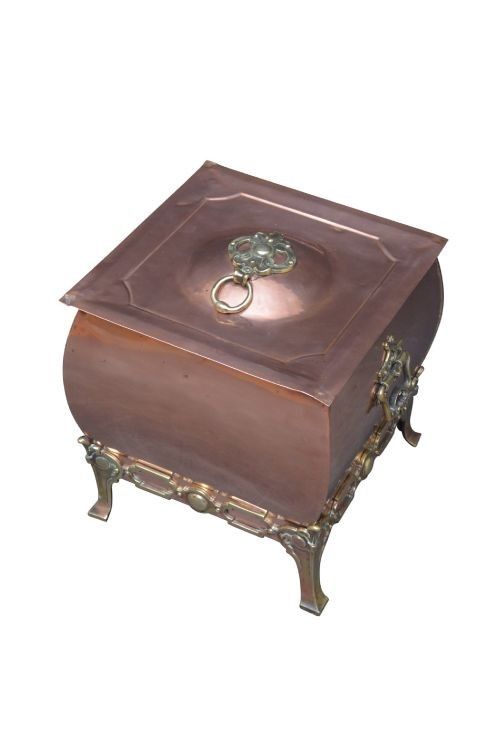
When you search for an arts and crafts hearth, you encounter functional ironwork, heavy brass, and beaten copper designed to serve an open fire. These items emerge from the late nineteenth century and stretch through the Edwardian period into the nineteen-thirties, embodying a philosophy of utility and hand craftsmanship.
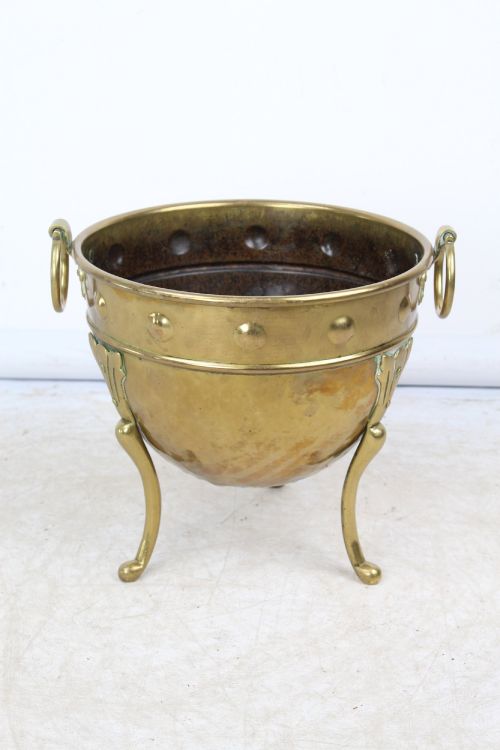
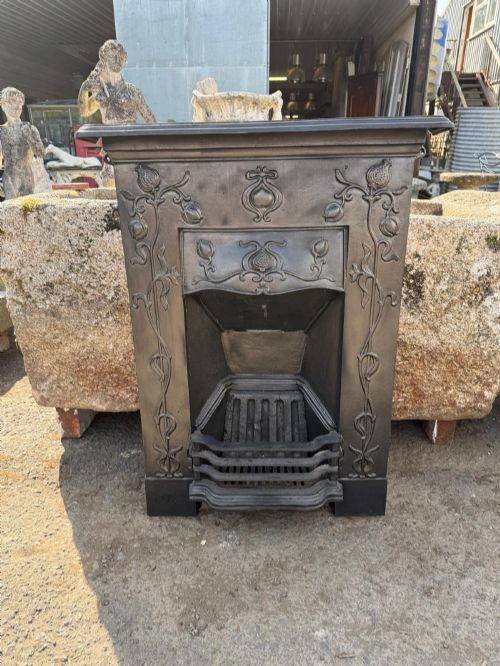
You are most likely to meet practical fenders, spark guards, coal scuttles, and andirons fashioned from wrought iron, cast iron, brass, and copper. Many pieces carry stylistic echoes of the Gothic Revival, Aesthetic Movement, and Art Nouveau, grounding utilitarian objects in artistic design.
Materials and construction methods
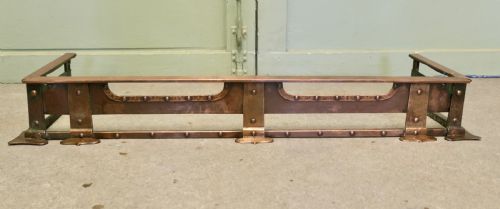
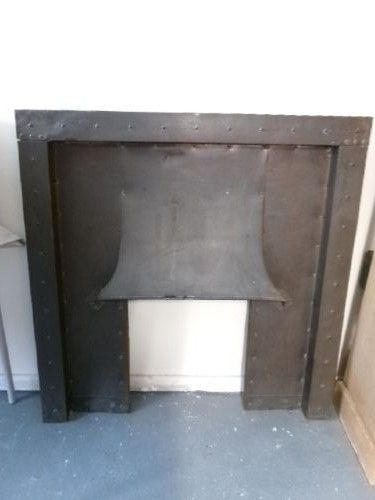
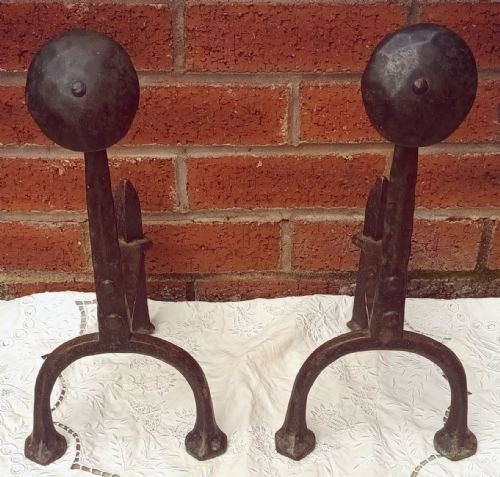
Makers relied heavily on durable metals, using sheet copper for hammering, cast iron for weight, and wrought iron for strength. Craftsmen often utilised visible rivets, hand-beaten finishes, and forged joints to display the integrity of the construction process.
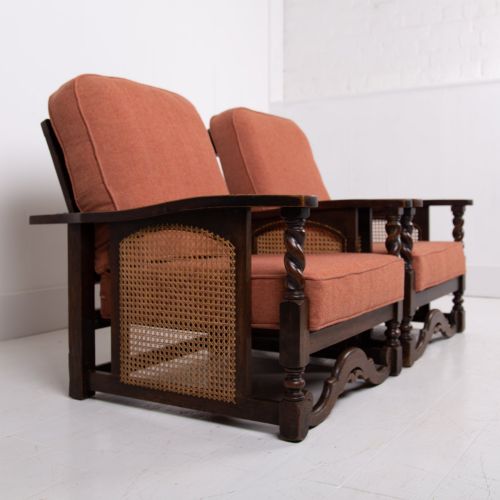
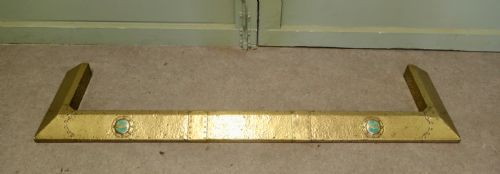
Timber such as oak appears in companion items like coal boxes, stools, and armchairs, framing the metalwork with natural grain. Enamel cabochons and brass accents provide subtle colour contrast against darkened iron surfaces.
Listings feature items spanning from the Victorian era through the nineteen-thirties, utilising copper, brass, wrought iron, and oak.
Judging the standard of workmanship
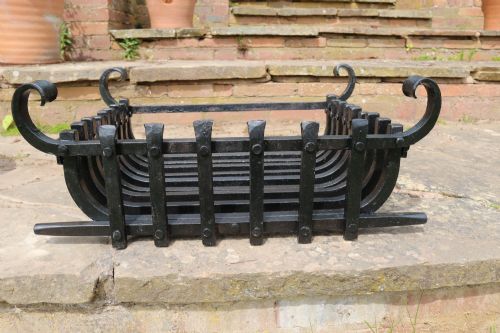
Quality rests in the weight of the metal and the sincerity of the hand finish, distinguishing sturdy workshop production from lighter commercial output. A well-wrought iron fire basket or a heavily riveted copper fender reveals confident handling at the anvil or bench.
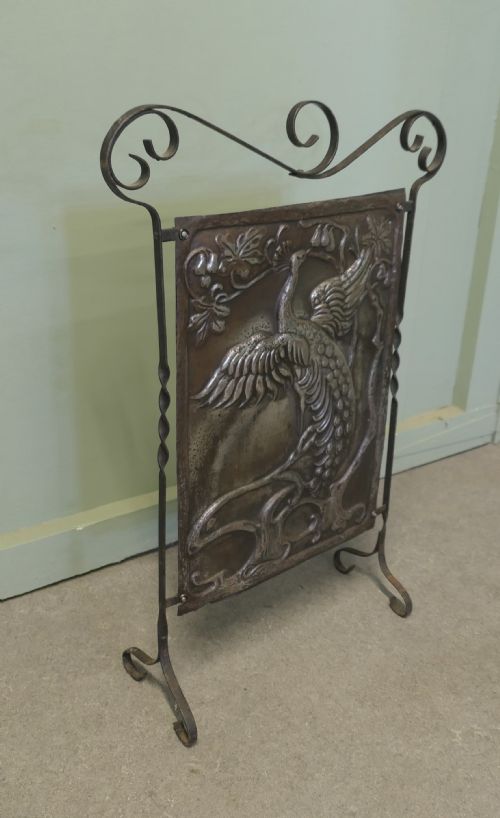
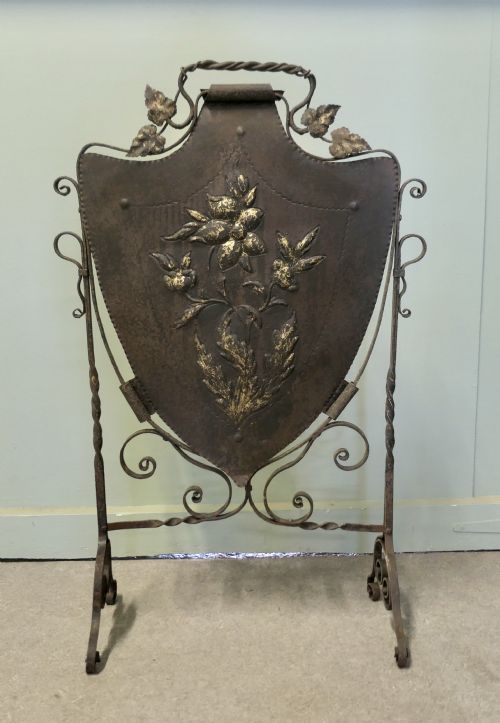
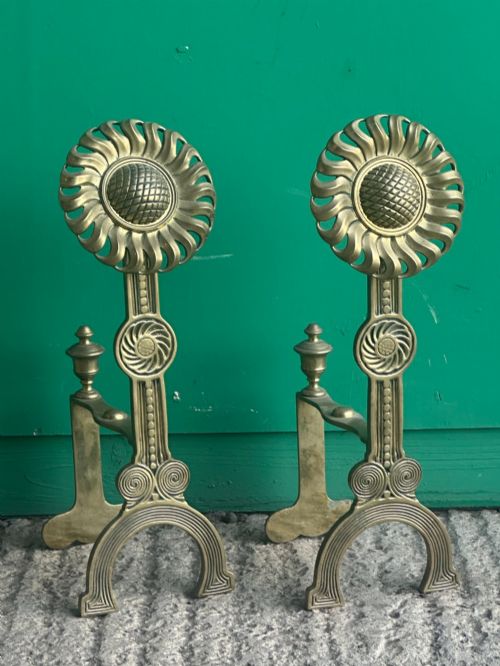
The sophistication of decorative details, such as repoussé patterns on fire screens or the precision of brass casting on andirons, separates standard utility items from pieces designed by prominent retail houses.
Henry Loveridge·Thomas Jeckyll·William Tonks·Liberty And Co
The Arts and Crafts Hearth Glossary
- Andiron
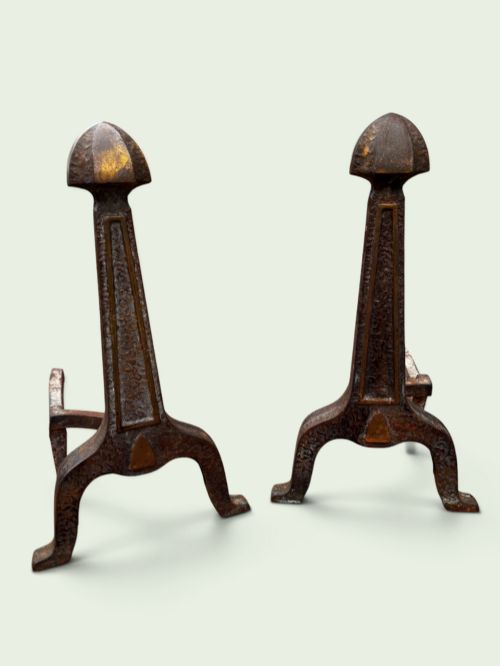
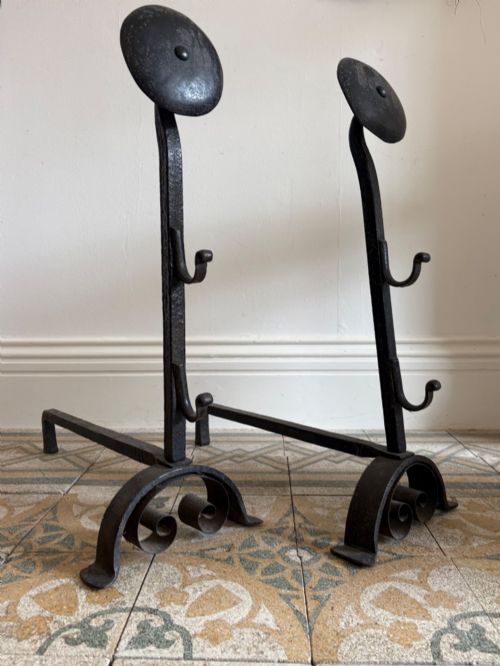
- A horizontal metal support raised on legs, used to hold logs in an open fireplace. Pairs of these often display decorative forged terminals or cast brass motifs.
- Fender
- A low metal barrier placed around the hearth to contain sparks and ash. These items frequently incorporate hammered copper panels or integrated seats.
- Coal scuttle
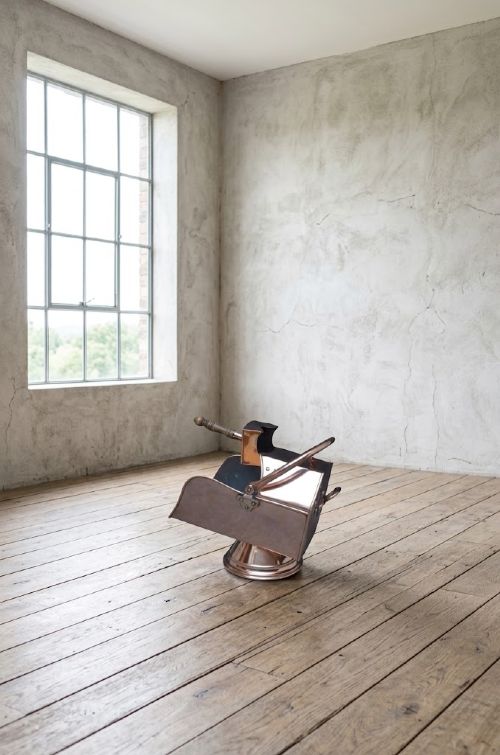
- A container designed for holding and transporting fuel to the fire. Examples range from lidded helmets to open buckets formed from beaten brass or copper.
- Fire screen
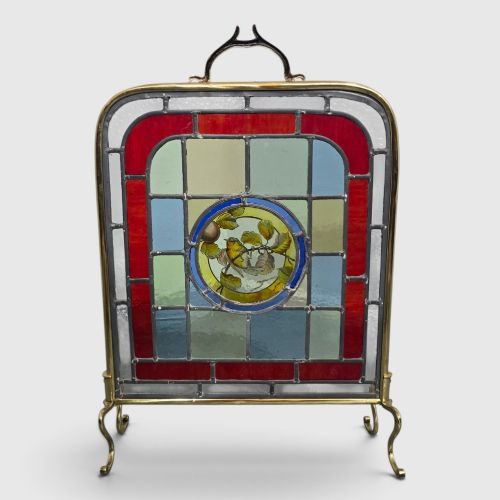
- A movable panel placed before the fireplace to shield occupants from radiant heat when the fire dies down. Many incorporate pierced or hammered metal designs.
- Repoussé
- A metalworking technique where the artisan hammers the design from the reverse side to form a raised pattern in relief. This method defines much of the copperwork associated with the period.
Arts and Crafts Hearth: Frequently Asked Questions
What is an arts and crafts hearth?
An arts and crafts hearth encompasses the functional metalwork and companion furniture created to equip an open fireplace during the late Victorian and Edwardian eras. These objects prioritize visible construction, honest materials, and utility.
Items typically include fenders, fire screens, andirons, and coal scuttles fashioned from copper, brass, and iron.
How were these pieces used?
They served practical roles in managing an open coal or wood fire, from containing embers to storing fuel near the hearth. Fenders protected the room from stray sparks while companion sets maintained the grate.
Decorative elements like fire screens also served to deflect excess heat when the fire burned low during warmer months.
How do I style a hearth piece today?
These items integrate naturally into both period interiors and modern spaces, bringing texture through hammered copper and dark iron. A heavy brass fender or a riveted coal bucket grounds a room even without an active fire.
Pairing metal accessories with natural wood and simple textiles maintains the original aesthetic integrity of the design.
How can I tell the period?
Dating relies on stylistic clues, construction methods, and prevailing design movements like Art Nouveau or Gothic Revival. Earlier nineteenth-century pieces often feature heavier casting, while nineteen-thirties items can show streamlined industrial influences.
Maker marks and specific fabrication techniques like hand-riveting help narrow down the decade of production.