
Arts and Crafts Fireplace
These arts and crafts fireplace pieces bring honest metalwork and tactile materials straight to the hearth, offering utility alongside robust historic character.
Arts and Crafts Fireplace
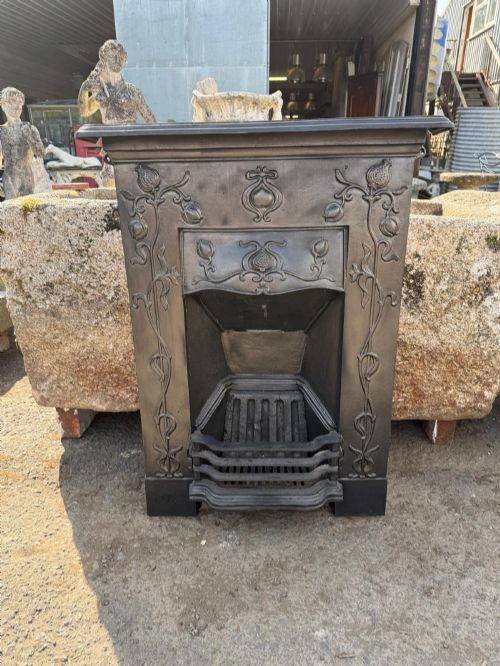
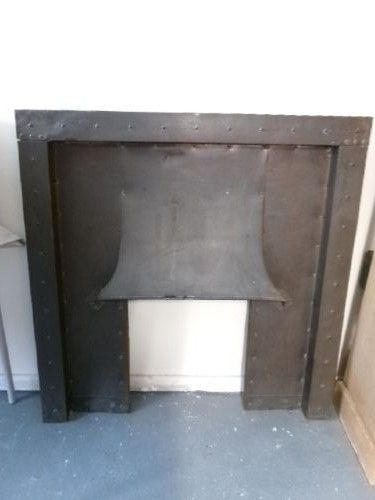
An arts and crafts fireplace setup encompasses everything required to equip a period hearth, from protective screens and coal scuttles to structural surrounds, fire baskets, and companion sets. These objects originate across the nineteenth and twentieth centuries, spanning Victorian, Edwardian, and later decades.
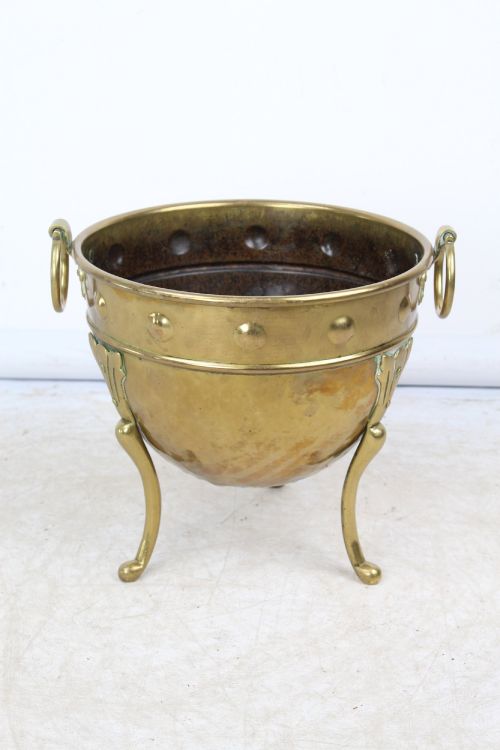
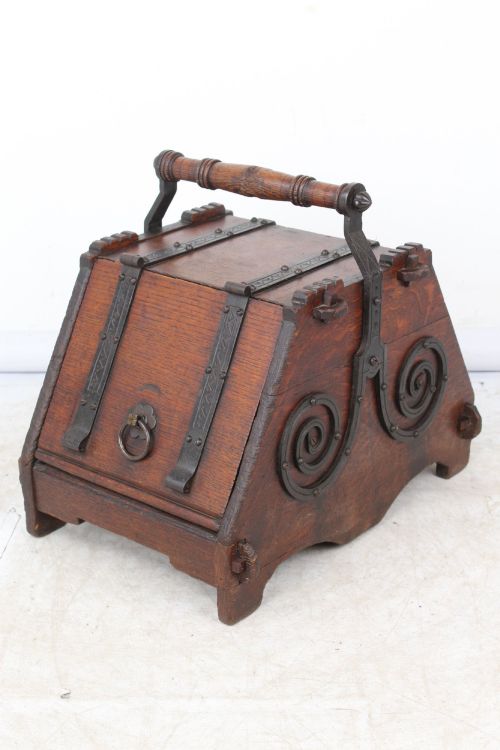
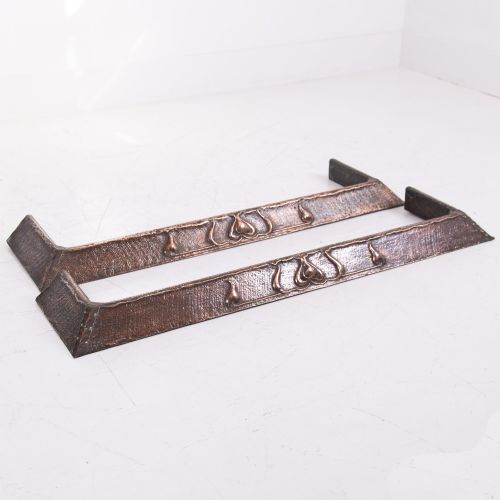
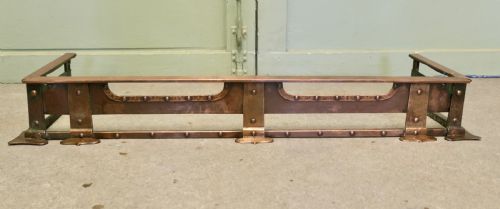
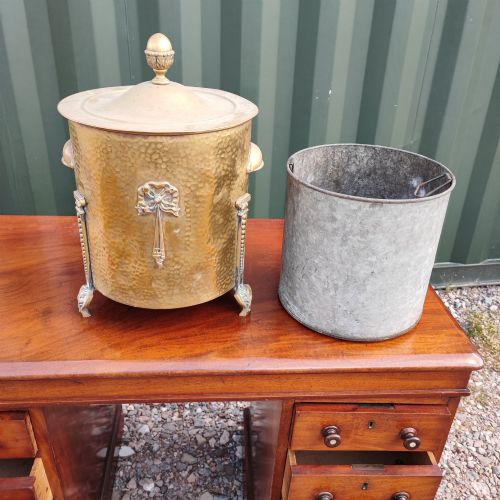
The selections on this page lean heavily toward utilitarian metalwork and hearth furniture. Buyers encounter hand-beaten copper fire fenders, wrought iron andirons, brass log bins, and decorative iron fire screens frequently.
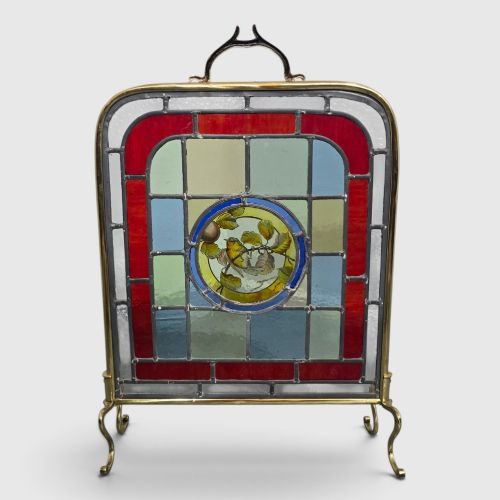
Alongside metal accessories, items range from carved oak club fenders to stained glass firescreens. Each piece reflects the functional requirements of period domestic heating combined with the design ethos of the movement.
What varies in quality
The distinction between standard production and superior craftsmanship rests in the weight of the metal and the depth of hand-working. Heavier gauges of copper, steel, and iron provide structural integrity that lighter pieces lack.
Surface execution separates ordinary items from exceptional ones, particularly visible in the precision of hand-hammered panels, riveted construction, and the crispness of cast brass or iron motifs. Maker attribution and stylistic integration, such as distinct Gothic or Art Nouveau influences, elevate individual pieces.
Listings feature durable materials including brass, copper, wrought iron, oak, and steel across Victorian and Edwardian periods.
Henry Loveridge·Christopher Dresser·Thomas Jeckyll·William Tonks·Liberty and Co·Edgar Wood
The Arts and Crafts Fireplace Glossary
- Andirons
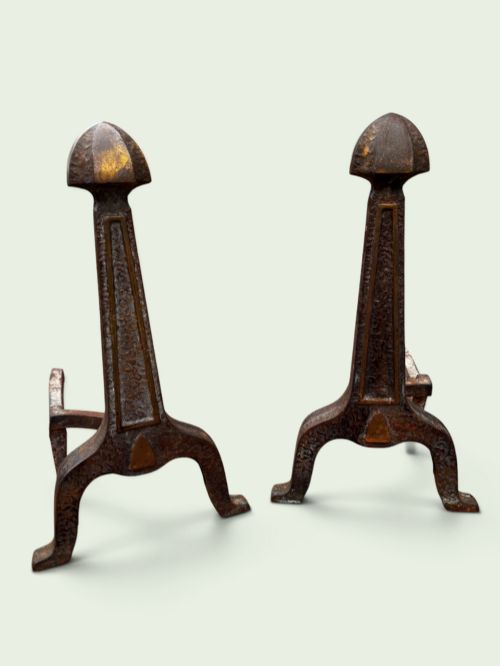
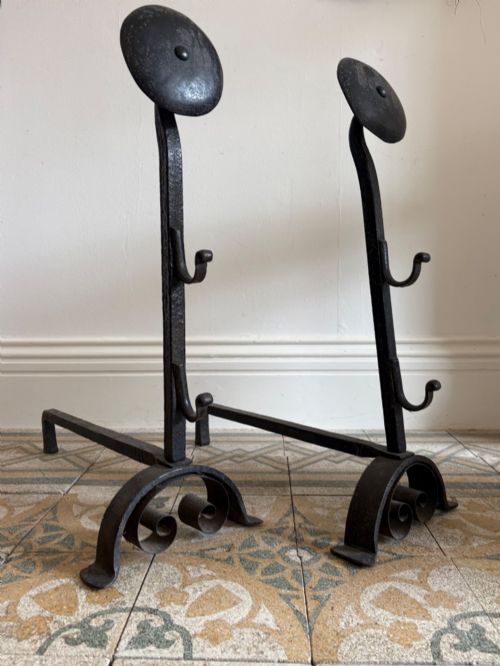
- Supports for logs in an open fireplace, often sold in pairs. They lift wood off the hearth to improve air circulation.
- Coal Scuttle
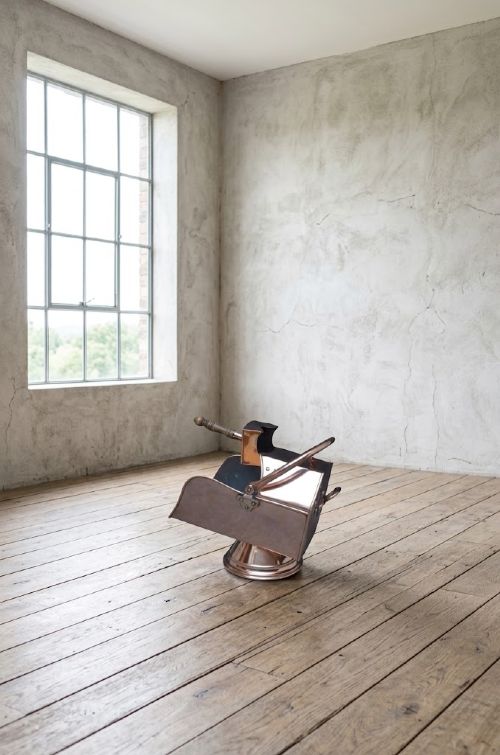
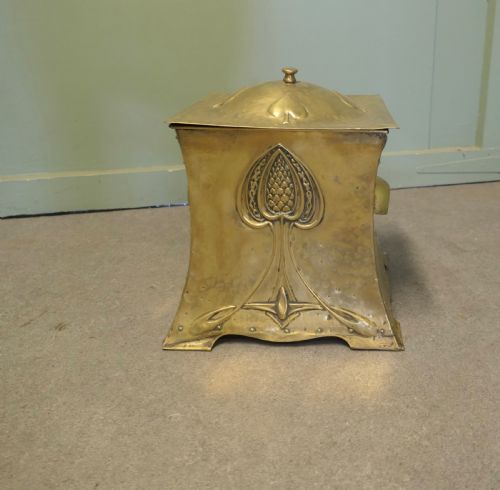
- A container designed to hold coal for the fire, frequently produced in copper or brass with a hinged lid and handle. Variations include coal buckets, log bins, and coal helmets.
- Fire Fender
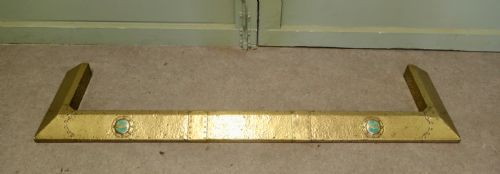
- A low metal guard placed around the hearth to keep burning coals contained. They sit on the floor and can incorporate cushioned seats in club fender variations.
- Fire Screen
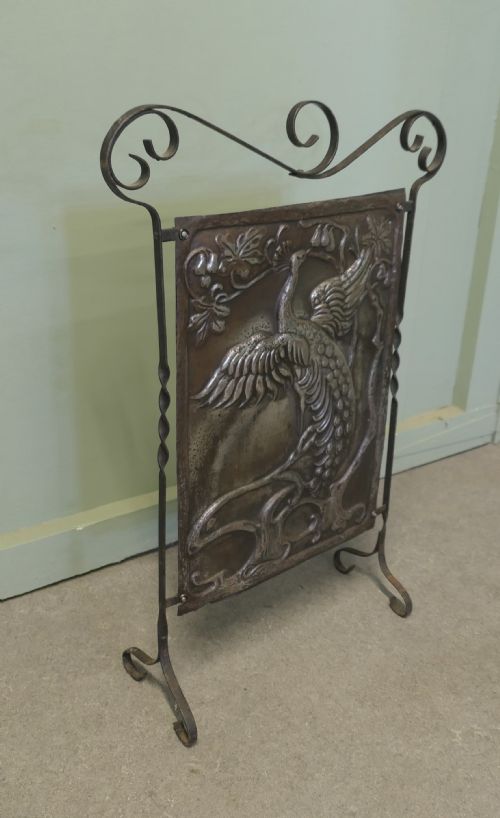
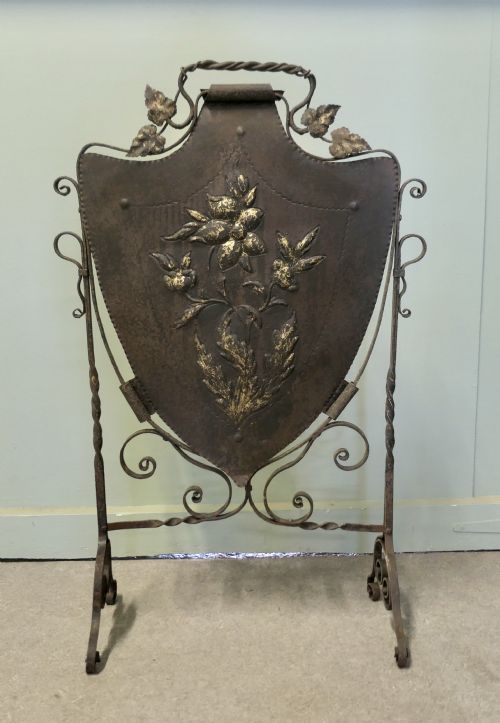
- A movable screen placed before a fireplace to block radiant heat when the fire dies down. Many examples utilise decorated iron frames with hammered copper panels or stained glass inserts.
- Companion Set
- A matching group of fireplace tools, typically including tongs, a poker, and a shovel. They hang together on a dedicated stand or rest beside the hearth.
- Repoussé
- A metalworking technique where the artisan hammers the metal from the reverse side to form a raised design in relief. This method defines much of the decorated copperwork seen on fenders and coal boxes.
Arts and Crafts Fireplace: Frequently Asked Questions
What is an arts and crafts fireplace fender?
A fireplace fender is a metal barrier placed around the hearth to protect the surrounding floor and keep embers contained. Arts and crafts examples are distinguished by hand-beaten copper, brass detailing, and visible riveted construction.
Many of these fenders include integrated tool rests or cushioned seats in club fender formats. They ground the fireplace visually while serving an active safety function in the room.
How do I use a fire screen?
A fire screen stands before the hearth when a fire is not burning or when the heat output needs moderation. They block stray sparks during active fires and conceal an empty grate during warmer months.
Period screens often feature solid iron frames supporting decorative copper panels or stained glass. They act as focal points for the room even without a fire lit.
What is the difference between andirons and a fire basket?
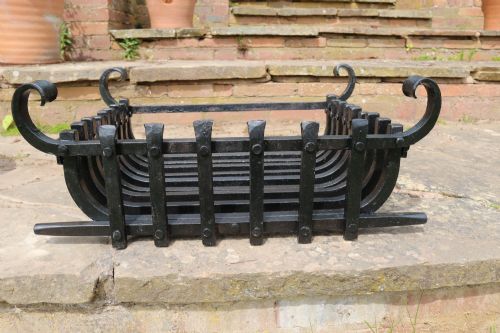
Andirons are paired upright supports used to hold logs above the floor of the hearth. A fire basket is a self-contained metal grate that holds coal or wood in place.
While andirons allow air to circulate beneath logs, baskets gather fuel into a defined iron structure. Both serve as functional centerpieces for open hearths.
How do I date a copper coal scuttle?
Dating relies on manufacturing techniques, materials, and stylistic markers such as Victorian Gothic or Art Nouveau influences. Hand-beaten surfaces and heavy riveted joints typically indicate late nineteenth or early twentieth-century production.
Makers' marks, when present, help pinpoint specific workshops or designers. Comparing construction methods against documented period pieces confirms the era.