
Arts and Crafts Door
An arts and crafts door brings solid timbers and functional ironmongery into an interior, offering utility alongside hand-finished detail.
Arts and Crafts Door
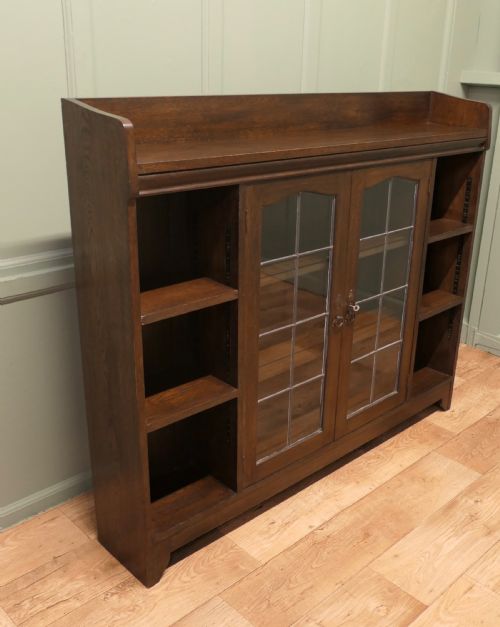
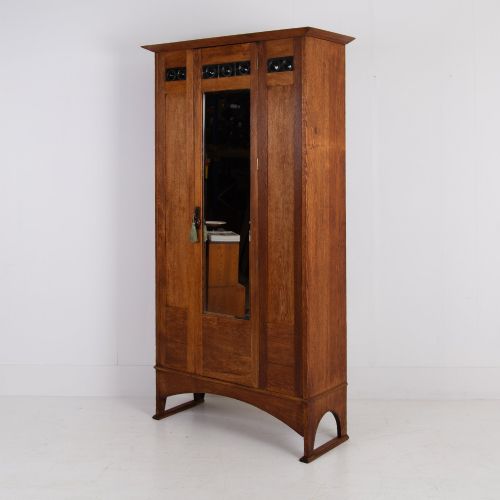
An arts and crafts door represents a functional architectural element or piece of hardware designed with the characteristic simplicity of the movement. You will encounter standalone plank doors, arched frame sets, and glazed variants alongside specific brass and bronze door furniture.
The selections span the late nineteenth century through the Edwardian period and into the nineteen-twenties and thirties. Alongside full doors and structural timber frames, you find pairs of brass door handles, finger plates, and pull handles meant for domestic installation.
How they were made
Makers relied primarily on solid oak, walnut, and pine, often finished in golden wax to highlight the natural grain. Structural integrity derived from traditional joinery, plank construction, and heavy iron fittings.
Metal components utilise cast iron, bronze, and brass, frequently worked by hand to create distinct finger plates and door handles. Glazed panels incorporate leaded glass to introduce texture and light into the timber framework.
Materials across these listings include oak, walnut, pine, brass, bronze, iron, and leaded glass.
What varies in quality
The distinction between standard utility items and finer examples rests on the selection of timber and the execution of hand-carved or hammered metal details. Heavier gauge brass and integrated ironwork signal a more deliberate workshop origin.
Attribution to known makers or specific regional design styles elevates certain doors and hardware sets above standard mass production. The integration of leaded glass panels also alters the visual weight and complexity of an individual piece.
Peter Waals·Heals·Liberty & Co·Maple & Co·Minty·Whytock & Reid·Gillows
The Arts and Crafts Door Glossary
- Plank door
- A heavy timber door constructed from vertical boards secured with horizontal ledges or braces. This form relies on straightforward joinery rather than panelled frames.
- Finger plate
- A protective metal plate mounted near the handle to prevent hand marks on the timber surface. These often feature hammered textures characteristic of the movement.
- Leaded glass
- Small panes of glass held together by strips of lead cames. This technique allows geometric or stylized floral patterns within a window or glazed door.
- Arched frame
- A structural wooden surround featuring a curved upper opening. It provides a distinct architectural entranceway for heavy manor house doors.
Arts and Crafts Door: Frequently Asked Questions
What woods are used for these doors?
The listings show construction primarily in solid oak, pine, and occasionally walnut. These durable timbers were chosen for their strength and grain pattern.
Finish treatments generally rely on clear wax to preserve the natural colour of the wood rather than heavy stains or paints.
How do I identify the period?
Dating relies on the joinery techniques, timber selection, and associated hardware styles spanning the late nineteenth century to the nineteen-thirties. Edwardian examples often feature lighter oak and simpler geometric forms.
Earlier nineteenth-century versions typically display heavier plank construction and more robust iron or bronze fittings.
Can I use antique door furniture today?
Original brass handles, finger plates, and pull handles can be fitted to standard interior doors. They provide functional hardware alongside period aesthetic detail.
Ensure the dimensions and spindle sizes match contemporary requirements before attempting installation on modern doors.
What is a plank door?
A plank door consists of vertical timber boards joined together to form a solid barrier without traditional recessed panels. They are often reinforced with heavy iron strap hinges and studs.
This robust construction was common in utilitarian and rustic interior settings.