





Dark Oak Front Door
These dark oak front door pieces range across multiple periods and styles, offering sturdy construction and rich timber character for your home.
Dark Oak Front Door
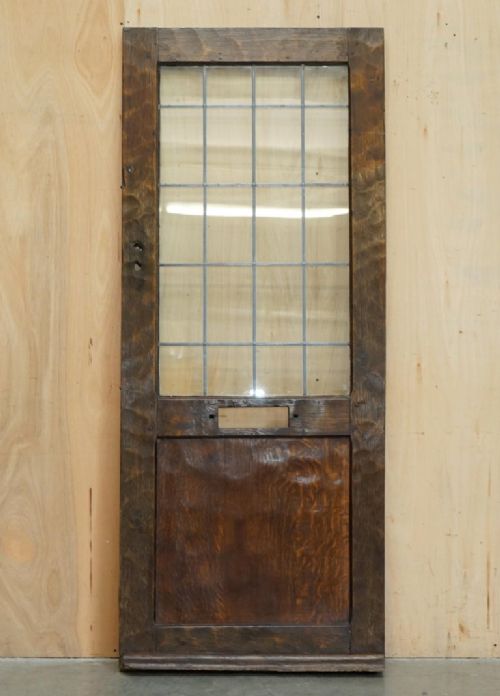
A dark oak front door represents solid timber construction drawn from periods spanning the Georgian era through to the early twentieth century. You will encounter architectural elements and fitted furniture items among these listings, reflecting diverse historical forms.
The selections include pieces from Edwardian times and the nineteen-twenties alongside earlier nineteenth-century examples. Each item demonstrates traditional cabinet-making approaches integrated with durable wood.
Buyers seeking a dark oak front door find robust domestic and office items shaped by Jacobean revival, Arts and Crafts, and Breton folk art traditions. The inventory leans towards heavy utilitarian forms like cabinets, bookcases, and architectural timberwork.
Construction and materials
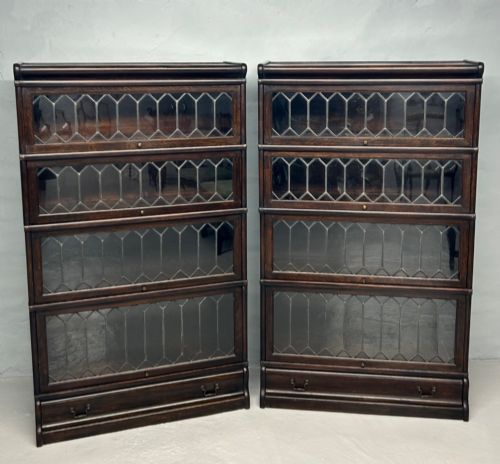
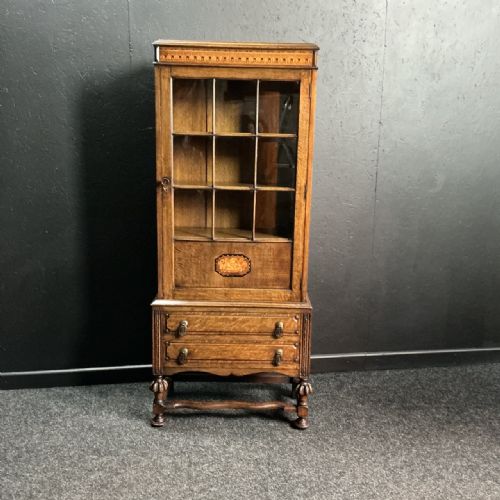
Makers utilised solid oak alongside veneer, wood inlay, and brass hardware to construct these heavy items. Glass panels and lead details appear frequently in glazed doors and display furniture.
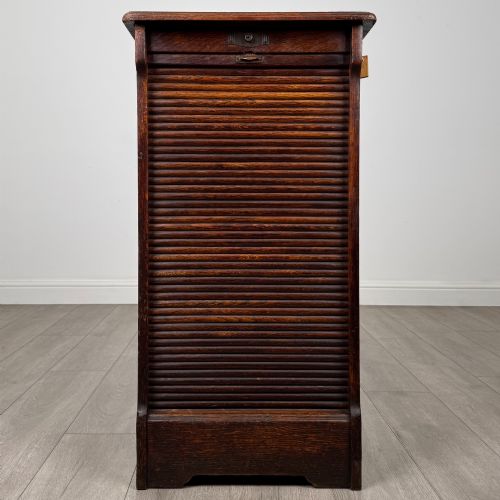
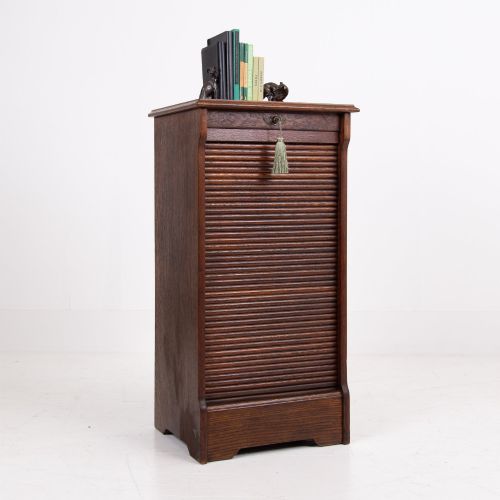
Workshops employed sliding tambour mechanisms and traditional joinery to build functional storage units. Sturdy timber frames dominate the manufacturing techniques across all recorded periods.
The recorded periods span from eighteen hundred through to nineteen-thirty, including Georgian and Edwardian eras.
Assessing quality
The standard of timber selection and the integrity of the joinery dictate the standing of each piece. Superior items display well-figured grain and precise fitting in doors, panels, and tambour tracks.
Original hardware such as brass handles and leaded glass panes add distinction. The depth of the dark oak finish and the preservation of original structural elements mark the distinction between ordinary and finer examples.
Robert Mouseman Thompson·Globe Wernicke
The Dark Oak Front Door Glossary
- Tambour
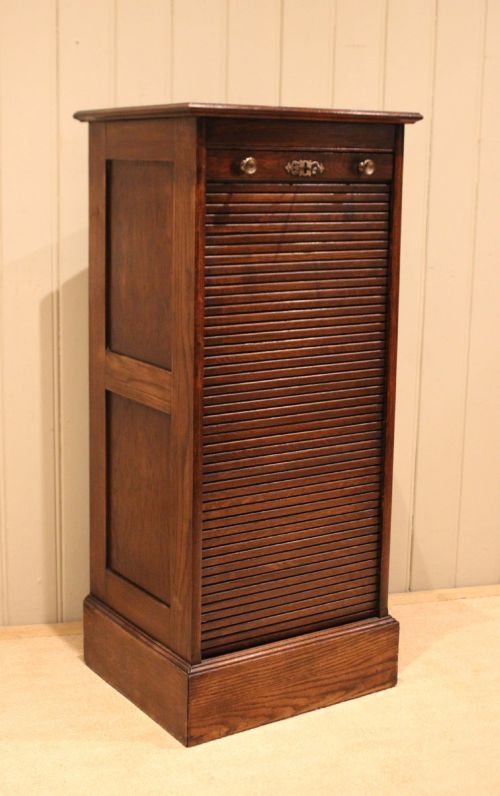
- A flexible sliding door made of narrow wooden slats glued to a canvas backing. This mechanism allows smooth operation in tight office or cabinet spaces.
- Bureau bookcase
- A combination furniture piece featuring a sloping desk flap above shelving or enclosed cabinet space. These units provide dual storage and writing utility.
- Glazed door
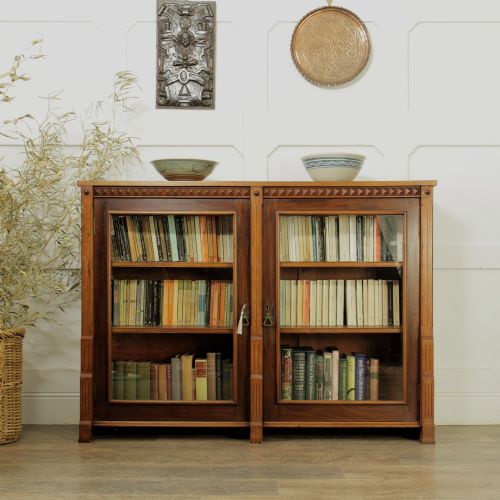
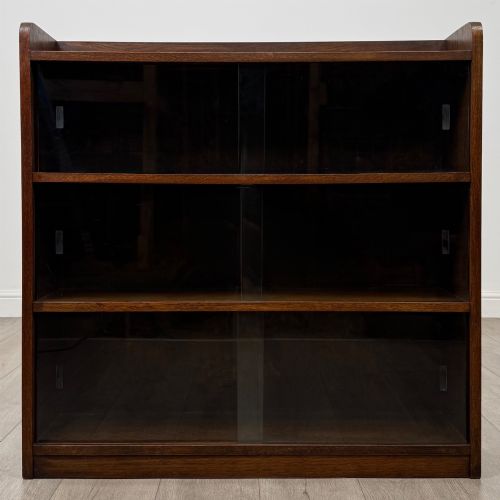
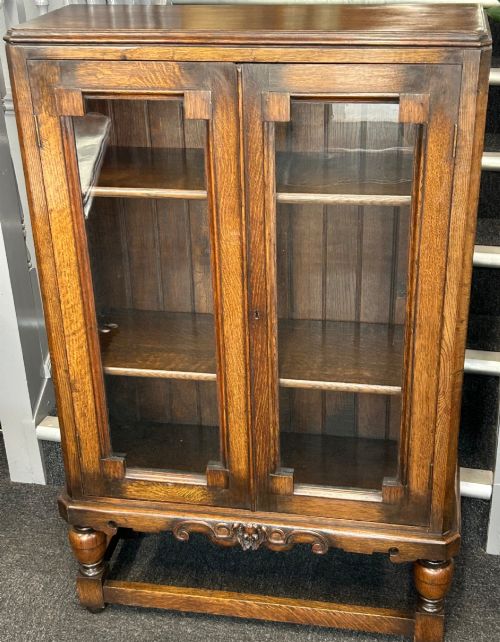
- A timber frame fitted with glass panes to display contents safely inside a cabinet or bookcase. This method protects books and objects from dust while maintaining visibility.
- Corner cupboard
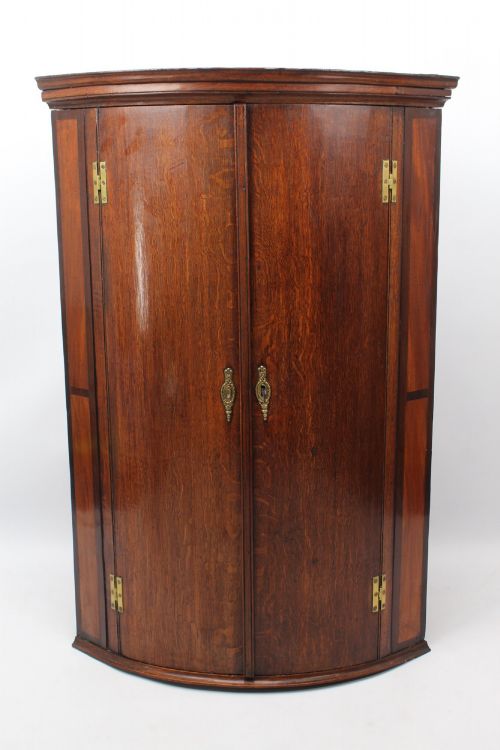
- A triangular storage unit designed to fit snugly into room corners. Georgian examples often feature shaped shelving and panelled doors.
- Jacobean Revival
- A nineteenth-century design style emulating seventeenth-century English furnishings through heavy proportions and carved ornamentation. This aesthetic appears on various cabinets and bookcases.
Dark Oak Front Door: Frequently Asked Questions
What periods do these pieces span?
The inventory covers items from the eighteenth century through to the nineteen-thirties. Georgian, Edwardian, and early twentieth-century examples form the core of the selection.
Specific decades like nineteen-ten and nineteen-twenty appear alongside broader nineteenth-century classifications.
How were tambour doors used?
Tambour fronts utilise vertical or horizontal wooden slats on canvas to slide smoothly around a curved track. This design saves space in office filing cabinets and writing desks.
Office furniture from the early twentieth century frequently employed this mechanism for secure and efficient daily access.
Where do corner cupboards fit?
Corner cupboards are built to utilise empty room angles effectively. Georgian makers shaped these units to display porcelain or store household goods.
They sit flush against two adjacent walls, maximising floor space in smaller rooms.
What materials are most common?
Oak serves as the primary structural wood across nearly all listed items. Workshops paired this timber with brass handles, glass panes, and occasionally wood inlay.
Canvas backing supports flexible tambour slats, while lead secures individual glass segments in specialised doors.