
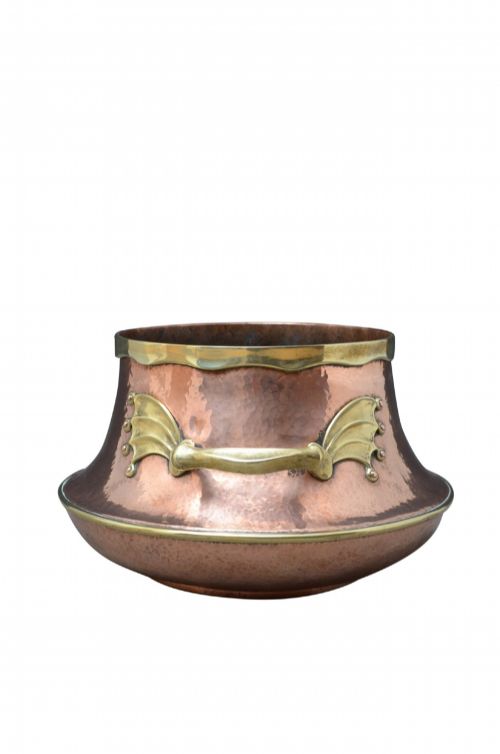
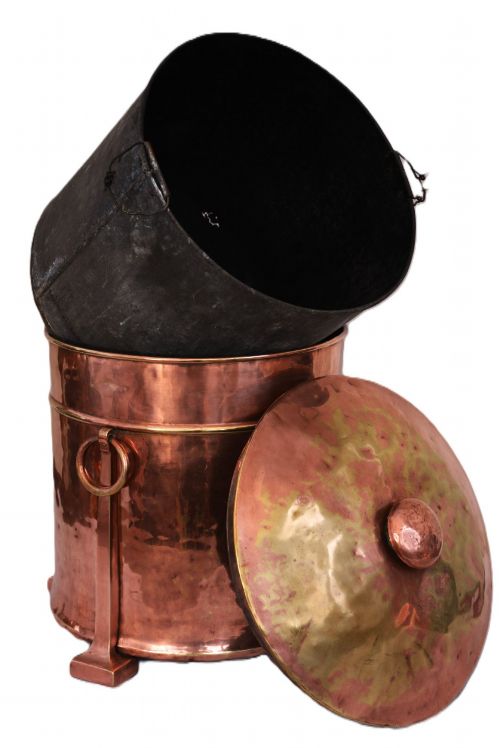

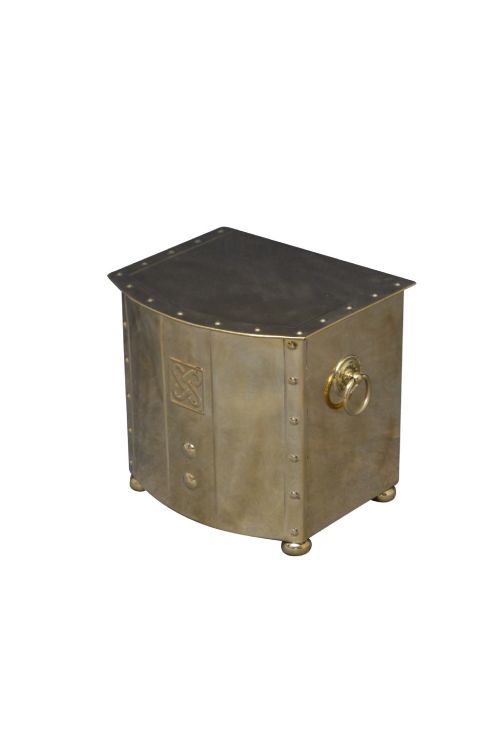


Arts and Crafts Bucket
An arts and crafts bucket brings utilitarian metalwork and warm alloy tones to firesides and living spaces.
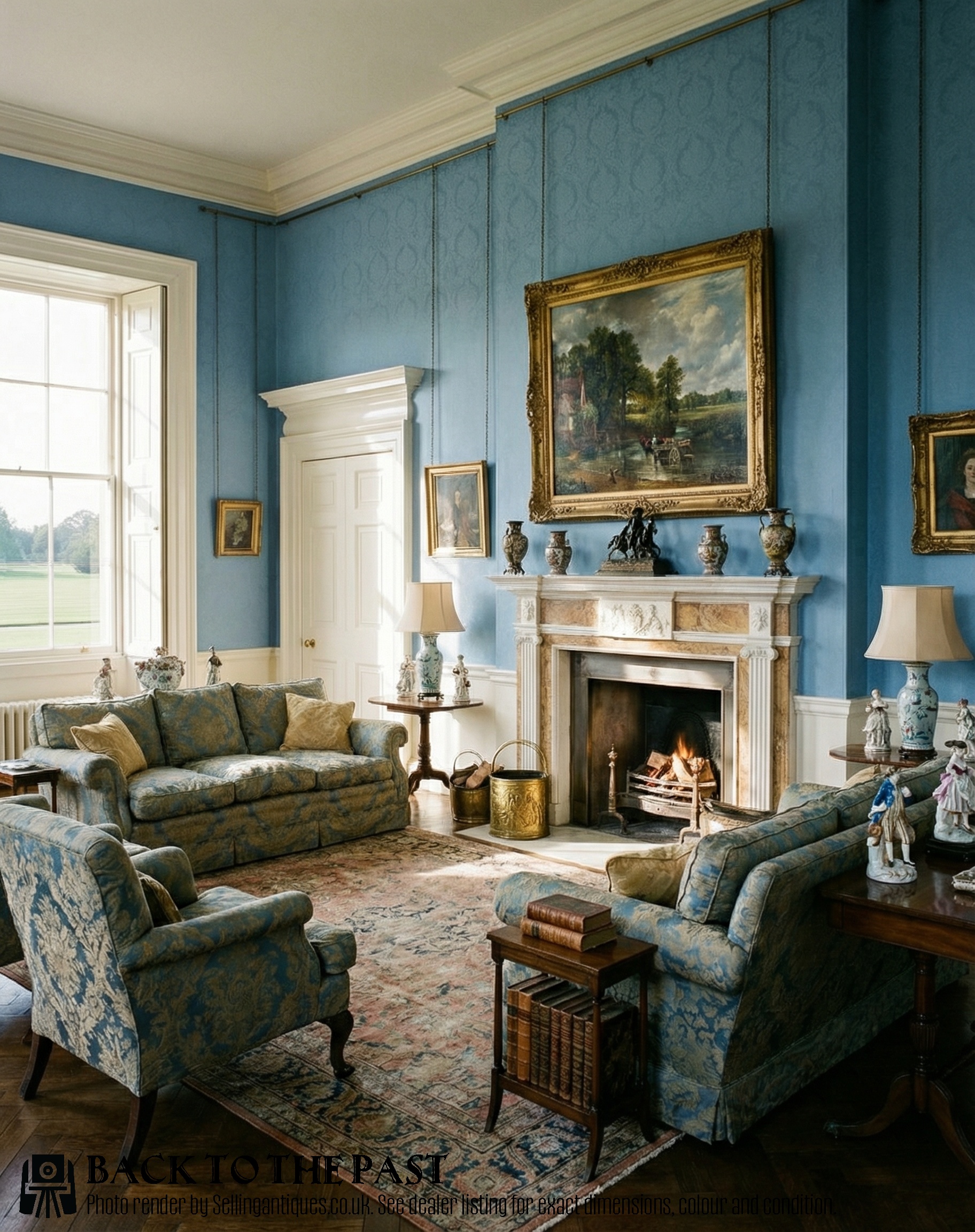
Arts and Crafts Bucket
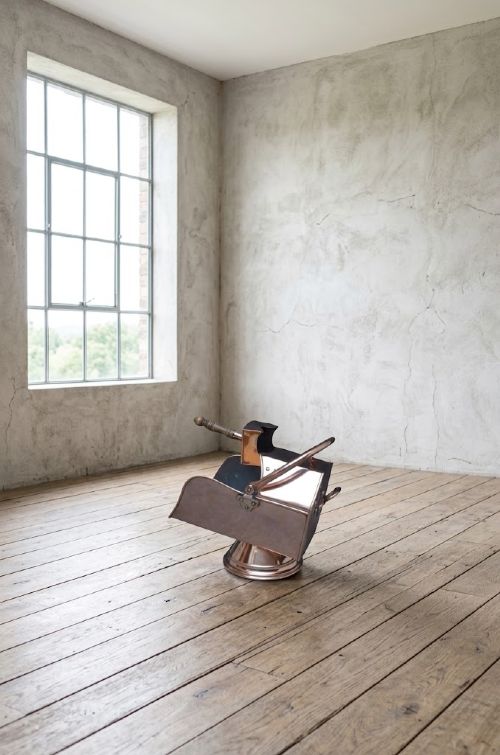
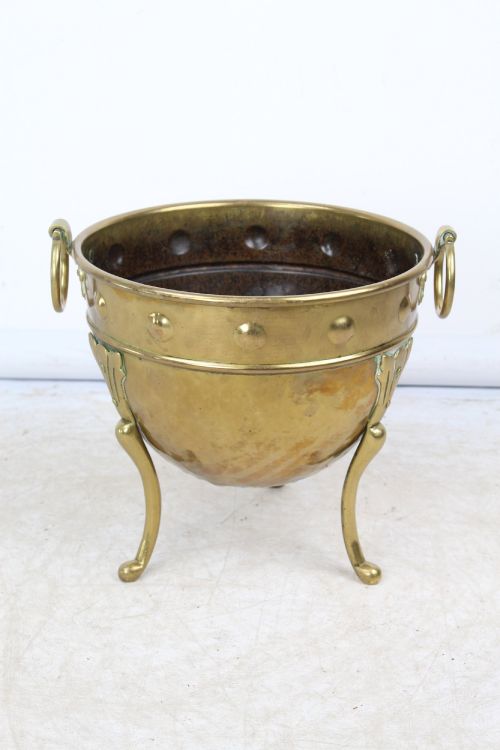
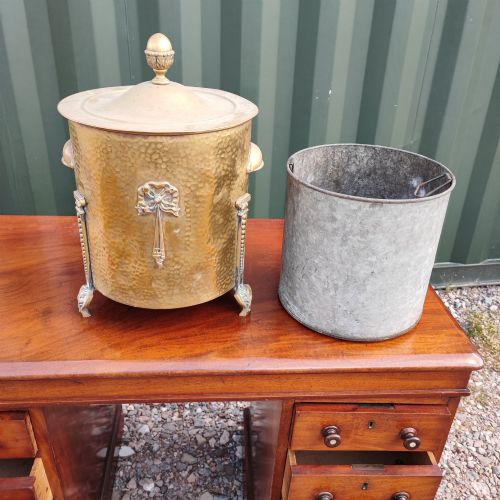
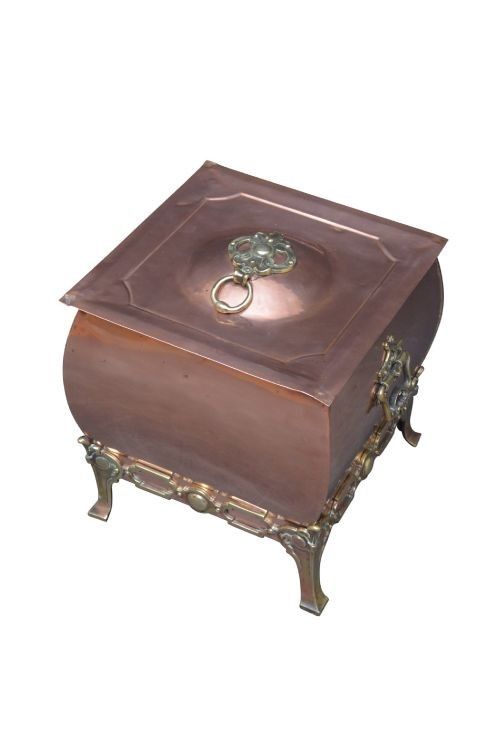
An arts and crafts bucket serves primarily as a coal scuttle, log bin, or fireside container, though many examples function equally well as planters or jardinières. You will most frequently encounter copper and brass vessels dating from the late nineteenth century through the early twentieth century.
The forms vary from traditional helmet shapes and circular buckets to purdoniums and floor-standing bowls, often paired with iron frames or loop handles.

What varies in quality
Quality rests in the weight of the metal and the precision of the hand-beaten or embossed detailing across the body. Superior pieces display crisp definition in decorative motifs, such as tavern scenes or galleon designs, alongside robust handles and stable frames.
Thicker gauge metals and intact original iron fittings separate heavier, enduring vessels from lighter, purely decorative alternatives.
A few unexpected buckets double as ice buckets or carry whimsical embossed scenes of tall ships and village taverns.
Henry Loveridge·Hukin and Heath
The Arts and Crafts Bucket Glossary
- Coal scuttle
- A container designed to hold coal for a fireplace, typically featuring a wide mouth or hinged lid for easy access.
- Purdonium
- A specialised box or bucket for coal, often incorporating a sloping front and a shovel compartment.
- Jardiniere
- An ornamental pot or stand used to hold growing plants or flowers, sharing similar forms with metal log bins.
- Hammer beaten
- A surface technique where manual hammer blows leave visible indentations that texture and strengthen the metal.
Arts and Crafts Bucket: Frequently Asked Questions
How were arts and crafts buckets used?
These vessels originally stored coal or logs near a hearth, keeping fuel close at hand for open fires in Victorian and Edwardian homes.
Today, many owners repurpose them as umbrella stands, plant holders, or general storage bins in living rooms and hallways.
What metals are most common?
Copper and brass dominate the selection, frequently paired with iron handles, stands, or riveted frames.
Some pieces combine both metals, using brass accents against a hammered copper body for contrast.
How do I date an arts and crafts bucket?
Dating relies on stylistic markers, construction methods, and materials recorded from the late nineteenth century up to the 1930s.
Hand-beaten surfaces and specific decorative motifs like embossed tavern scenes or galleons point toward particular eras of production.
Can these buckets be used for plants?
Many examples function well as indoor planters or jardinières, provided you use an internal liner to protect the metal from moisture.
Their robust construction and decorative hammered finishes suit them to holding large foliage.