
Art Nouveau Vessel
When you search for an art nouveau vessel, you encounter flowing organic forms and striking metalwork spanning the late nineteenth and early twentieth centuries.
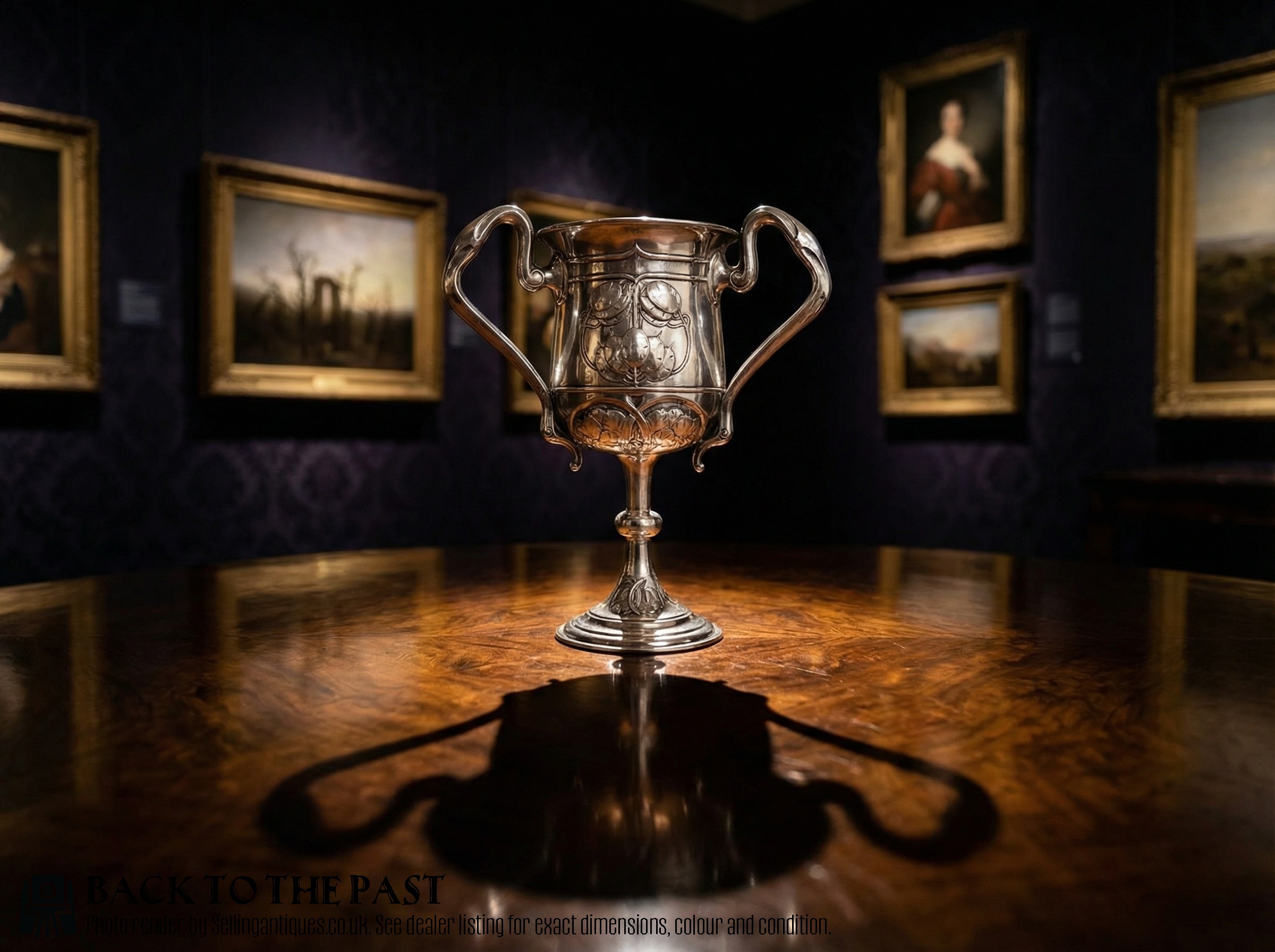
Art Nouveau Vessel
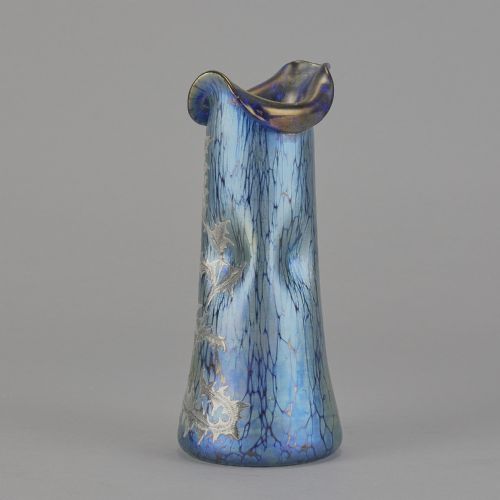
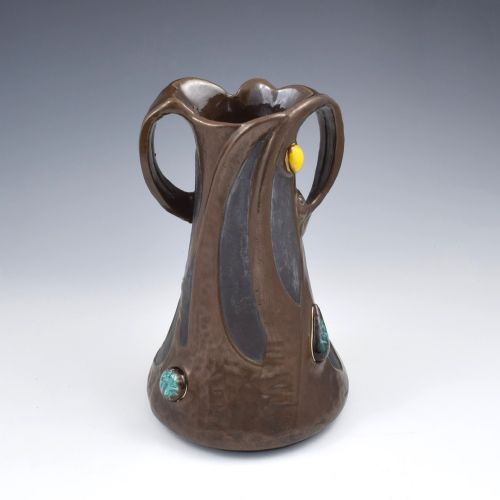
An art nouveau vessel encompasses a wide array of decorative objects including vases, ewers, planters, and bowls originating from periods such as the Edwardian era, Victorian times, and the early twentieth century. These pieces reflect the dominant design ethos of the movement, drawing heavily on stylized floral motifs, natural curves, and fluid contours.
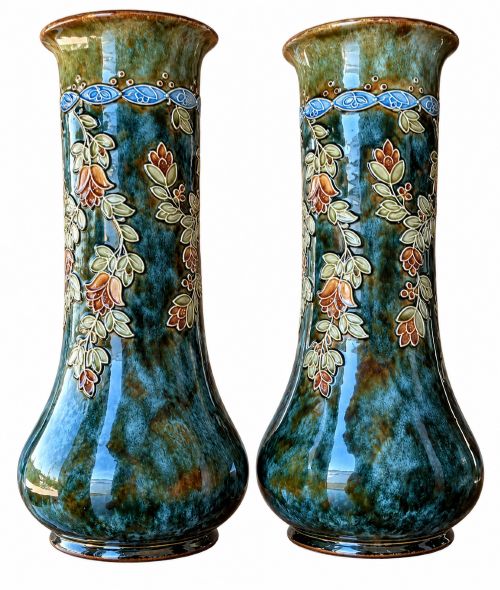
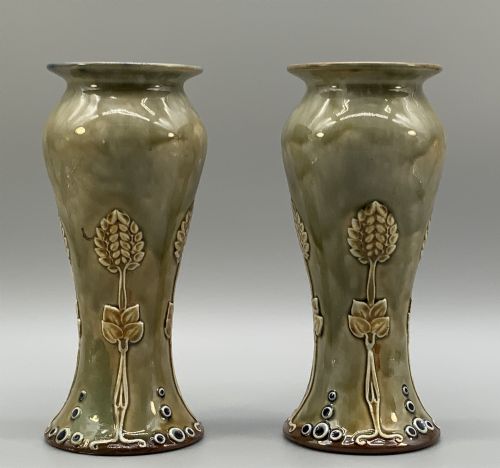
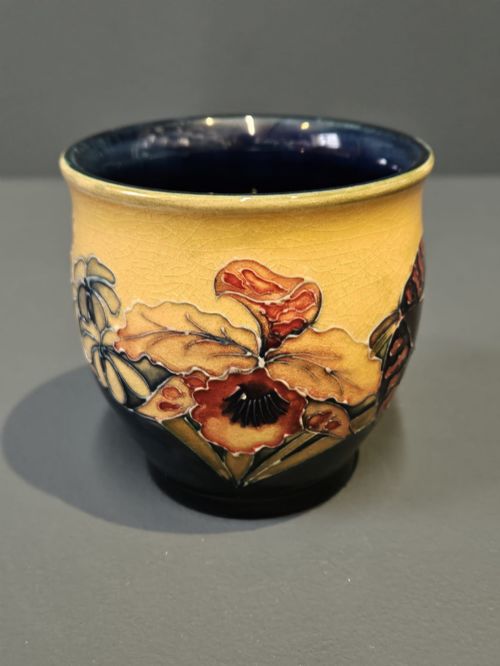
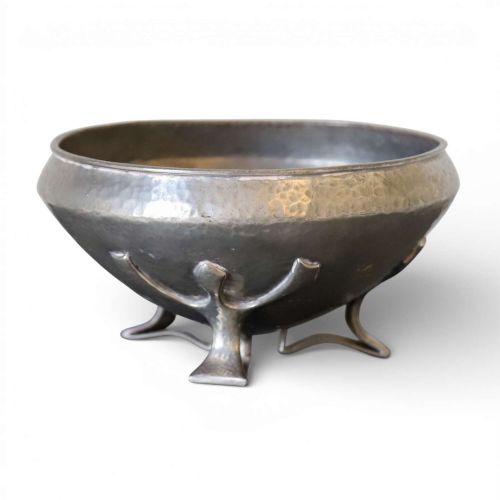
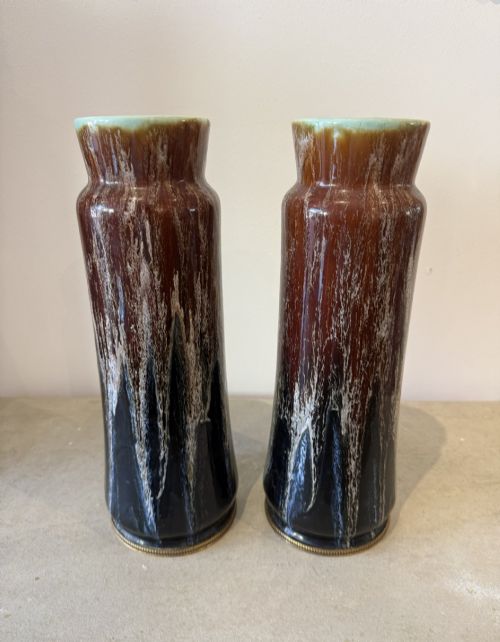
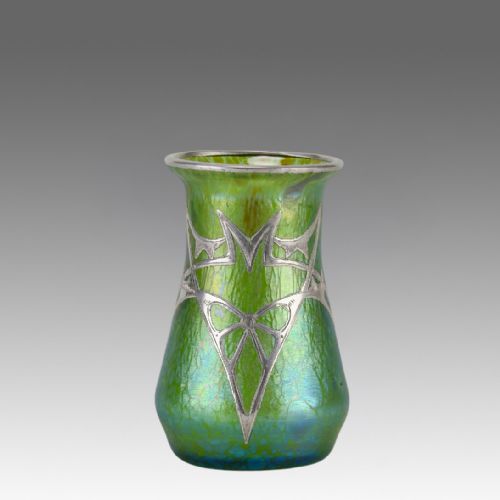
The most common examples encountered on this page take the form of ceramic and stoneware vases from potteries like Royal Doulton and Bretby, alongside glassware from makers such as Loetz and Kralik. Metalwork items in copper, brass, and pewter from manufacturers like WMF and Liberty & Co also appear frequently in various utilitarian and decorative forms.
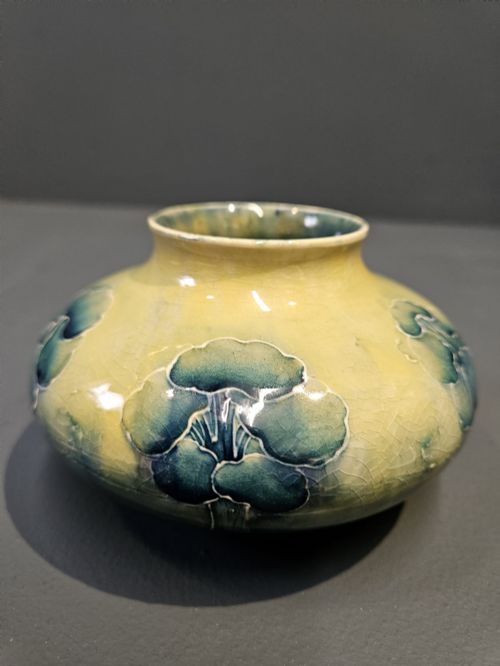
Makers utilised diverse materials to achieve distinctive finishes, ranging from iridescent glass and cameo glass to hand-painted earthenware and metallic-effect glazes. Forms vary from monumental pottery pieces to domestic bowls, ewers, and umbrella stands produced across Britain, France, Austria, and Germany.
How they were made
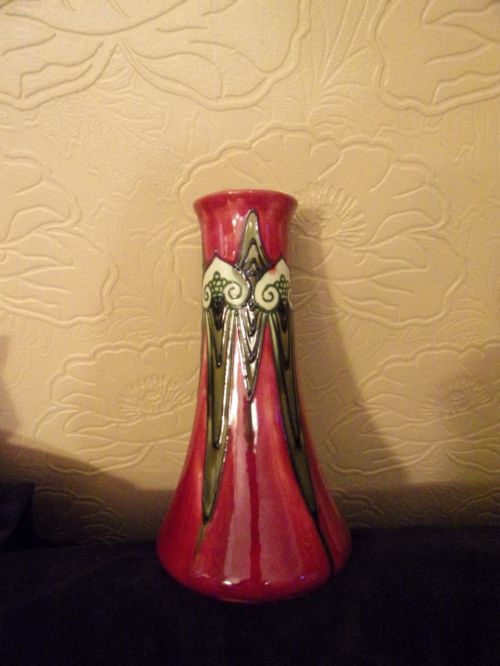
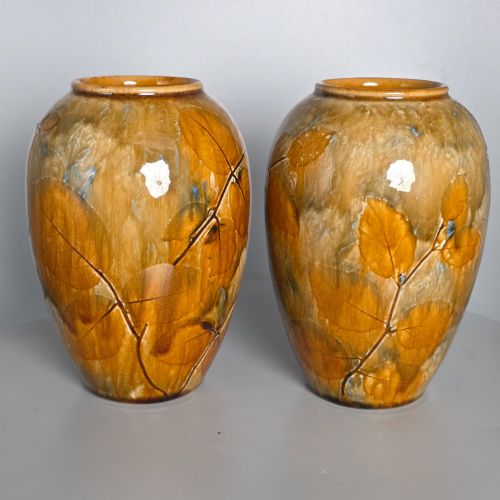
Ceramic and stoneware pieces were shaped on the wheel or cast in moulds, then decorated using techniques like tube-lining, hand-painting, and applying jewelled cabochons or copper effect finishes. Glazes varied from matte earthen tones to vibrant autumnal palettes and rich metallic sheens.
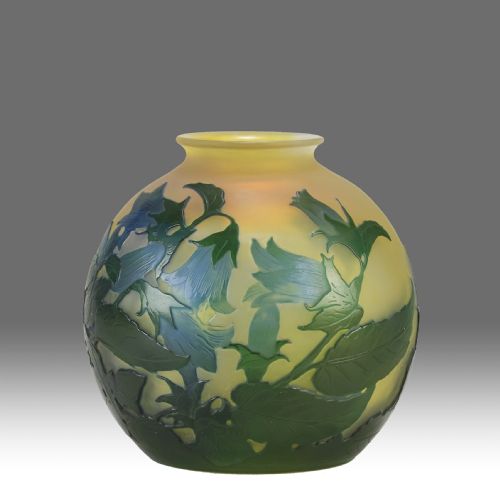
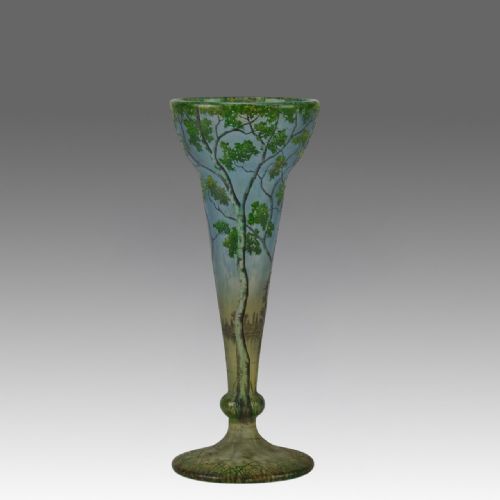
Glass vessels involved complex processes such as acid-etching cameo layers, incorporating metal oxides for iridescence, or applying silvered mounts and bronze collars to blown forms. Enamelling and gilding further enhanced the surface detailing on crystal and opaque glass.
Art Nouveau Vessel Retail Price Guide 2026
Typical asking prices for art nouveau vessel among the pieces listed under this phrase on Sellingantiques today, from the lower quarter to the upper quarter. They describe what is for sale here now, not the wider market.
Umbrella stands bring unexpected organic curves to hallway storage, turning utilitarian umbrella containment into a flowing floral statement.
What varies in quality
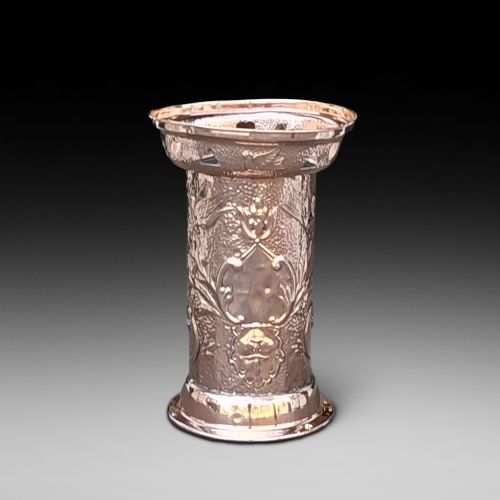
The distinction between standard production pieces and finer examples rests upon the sophistication of the design execution and the depth of the artisanal handwork involved. Painted details, precision in tube-lined pottery, and the intricacy of repoussé metal relief distinguish superior specimens.
Glass quality is defined by the complexity of the cameo layering, the depth of the iridescence, and the finesse of any applied bronze or silver mounts. Superior glasswork exhibits careful control over chemical reactions during cooling to achieve distinct optical effects.
The reputation of the maker and the specific designer heavily influence the standing of a piece within the range. Marked items associated with notable ceramic artists, respected glasshouses, or prominent retail firms demonstrate stronger adherence to the period's artistic ambitions.
Royal Doulton·WMF·Moorcroft·Emile Gallé·Daum Frères·Loetz·Liberty & Co·Kralik Glass·Reissner, Stellmacher and Kessel
The Art Nouveau Vessel Glossary
- Cameo Glass
- Glass vessels created by fusing two or more layers of different colours and acid-etching the exterior layer to reveal a contrasting design. This technique requires considerable skill to achieve varied levels of opacity and depth.
- Stoneware
- A heavy, dense ceramic fired at high temperatures until vitrified, rendering it impermeable to liquids without necessarily requiring a glaze. It serves as a durable body for intricate relief carving and tube-lined decoration.
- Jugendstil
- The German and Central European manifestation of the Art Nouveau movement, characterised by rhythmic linear patterns and dynamic plant-derived motifs. The term derives from the Munich periodical Die Jugend.
- Tube-Lined
- A ceramic decoration method where liquid clay is squeezed through a nozzle onto the unfired body to outline a pattern before filling the compartments with coloured glazes. This creates raised borders that catch the glaze unevenly during firing.
- Secessionist
- A style associated with various artistic splinter groups in Vienna and Munich that rejected academic traditions in favour of geometric simplification alongside organic curves. It frequently manifests in clean metallic lines and stylized floral forms.
Art Nouveau Vessel: Frequently Asked Questions
What is an art nouveau vessel?
An art nouveau vessel is a decorative or functional object such as a vase, bowl, ewer, or planter created during the height of the movement around the turn of the twentieth century. These items are distinguished by their flowing, plant-inspired lines and innovative use of materials.
They reflect an international shift away from historic revival styles toward a unified design language based on natural forms. You will find them executed in diverse mediums ranging from iridescent glass to stoneware and copper.
How were ceramic vases decorated?
Potters utilised techniques such as tube-lining, where raised clay lines contain pools of coloured glaze, alongside hand-painting and gilding. Some pieces also incorporated applied cabochons or metallic lustre effects to enhance the surface texture.
Factories employed specialised artists who signed their work, resulting in varying degrees of hand-finished detail across different production tiers. Stoneware bodies allowed for deep incised patterns and textured glazes.
What is cameo glass?
Cameo glass is a vessel formed from multiple fused layers of contrasting coloured glass, which is then carved or acid-etched to create a raised relief design. Makers like Emile Gallé and Daum Frères mastered this process to depict natural scenes and botanical subjects.
The resulting vessels rely on the translucency of the glass layers to play with light, revealing subtle tonal shifts across the surface of the piece. This demanding technique produced some of the period's most celebrated glassware.
How do I identify metalwork pieces?
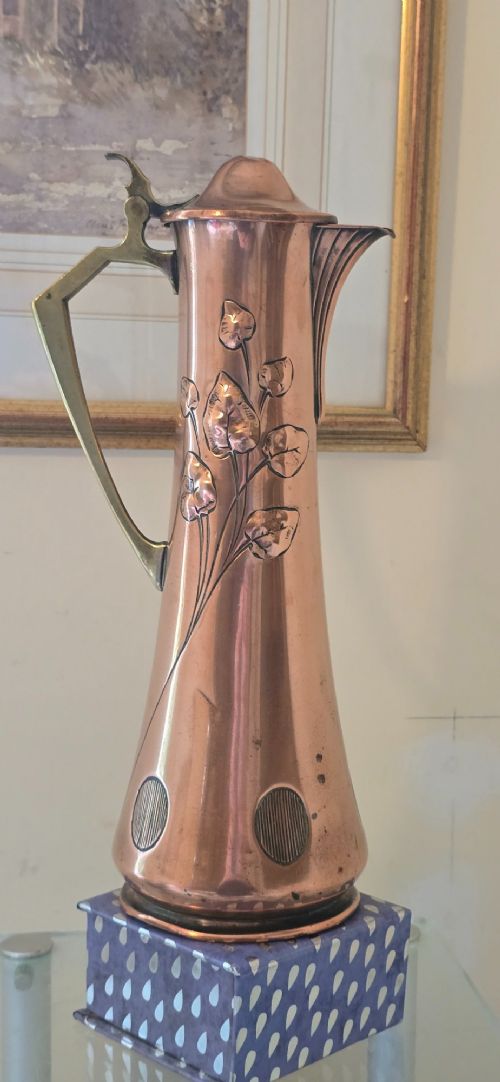
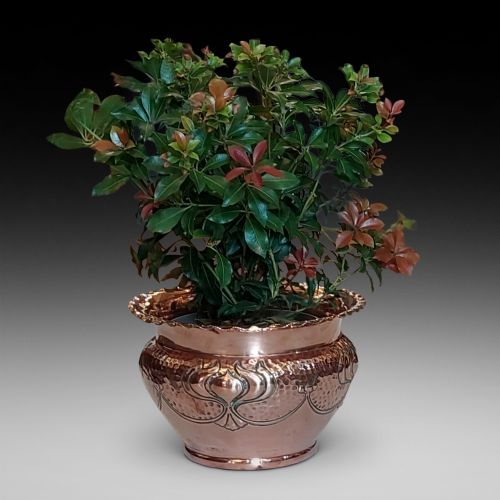
Metalwork from this period is typically fashioned from copper, brass, pewter, or silver, often featuring organic repoussé relief work or stylized floral motifs. Firms like WMF and Liberty & Co produced ewers, planters, and bowls with distinctive hammered or patinated finishes.
Many pieces bear manufacturer stamps, model numbers, or retailer marks on the base. The integration of cabochons or contrasting metal mounts further characterises these domestic objects.