


Art Nouveau Vanity
An art nouveau vanity brings together flowing plant motifs, silver mounts and moulded glass to transform everyday dressing table items into small works of decorative art.
Art Nouveau Vanity
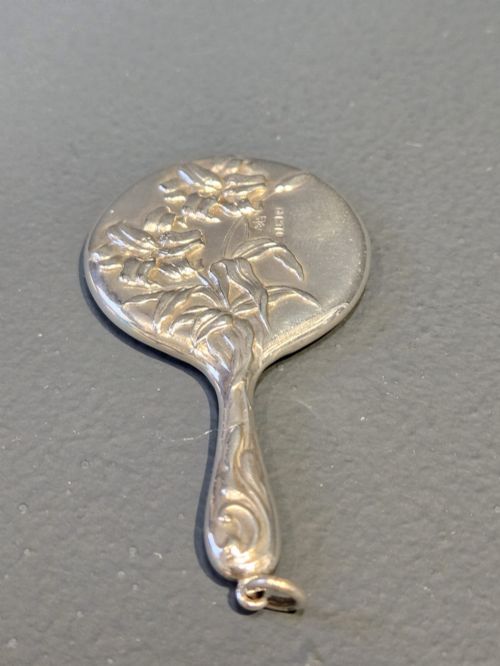
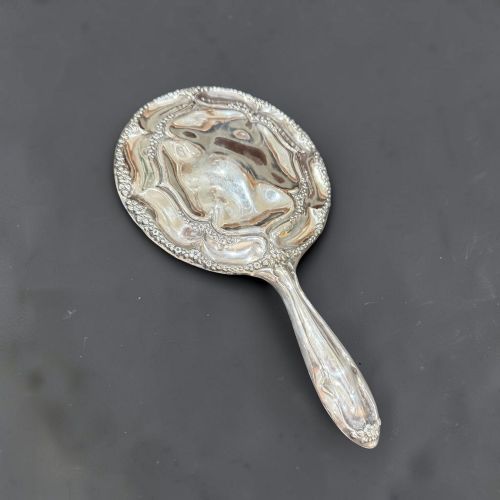
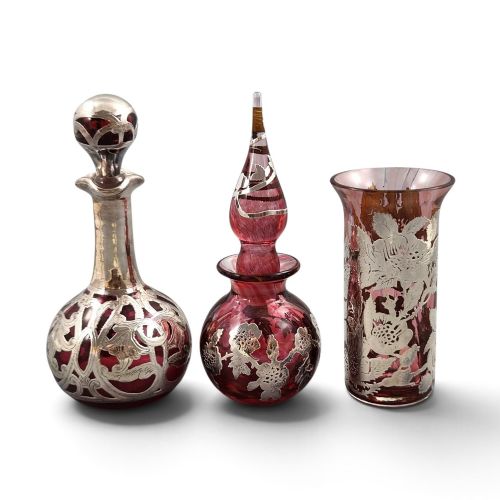
When you search for an art nouveau vanity, you encounter dressing table items designed with the sinuous lines and organic forms typical of the turn of the twentieth century. The selection ranges from small silver boxes and glass perfume bottles to table mirrors and larger washstands.
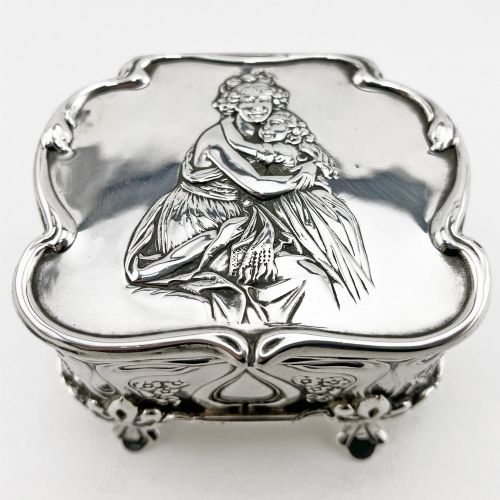
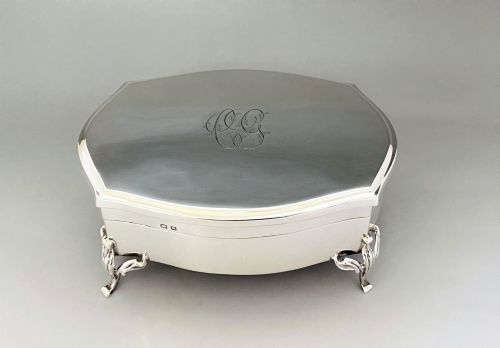
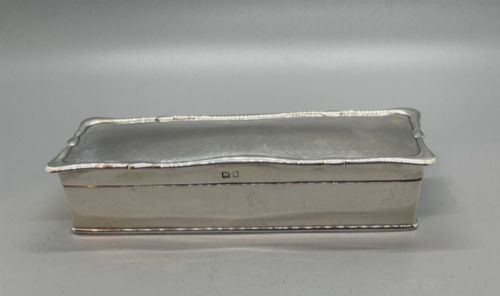
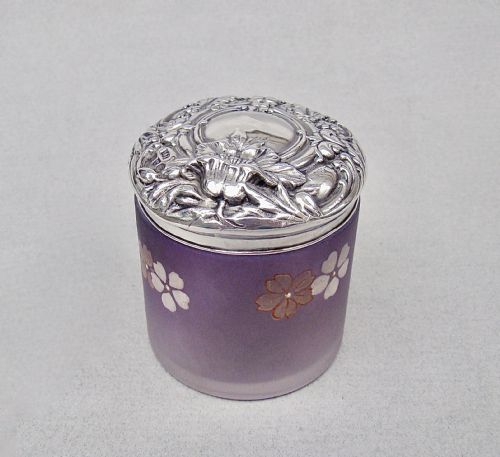
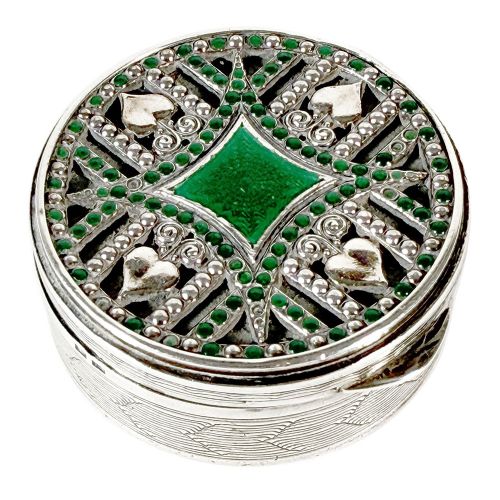
The version most commonly met on this page is the silver-mounted glass jar or trinket box, often bearing hallmarks from Birmingham or Chester around nineteen hundred. These smaller accessories capture the fluid styling of the period in miniature form.
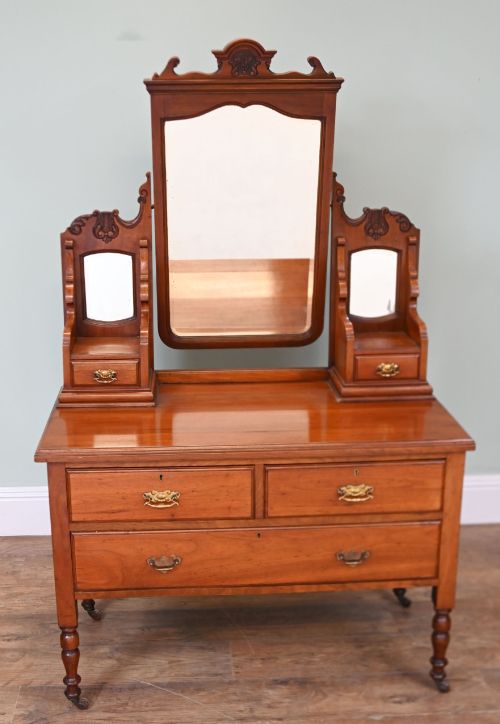
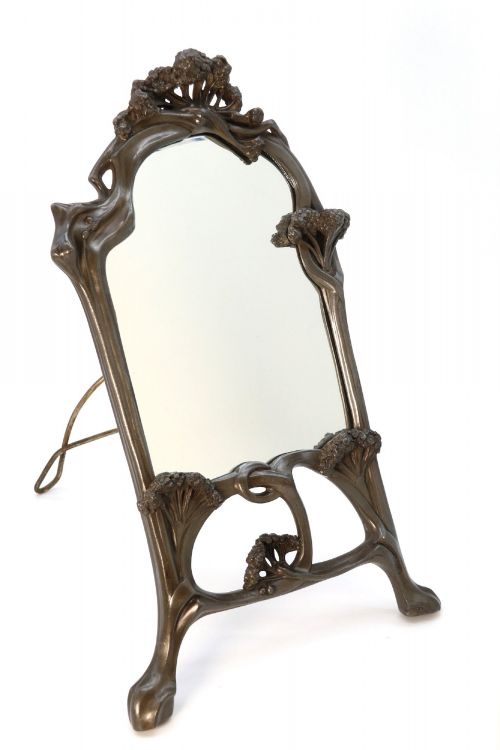
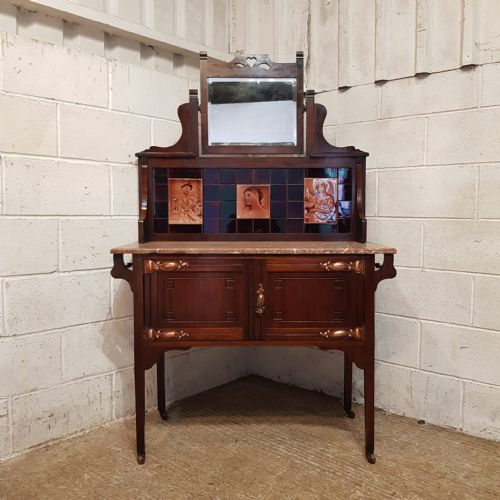
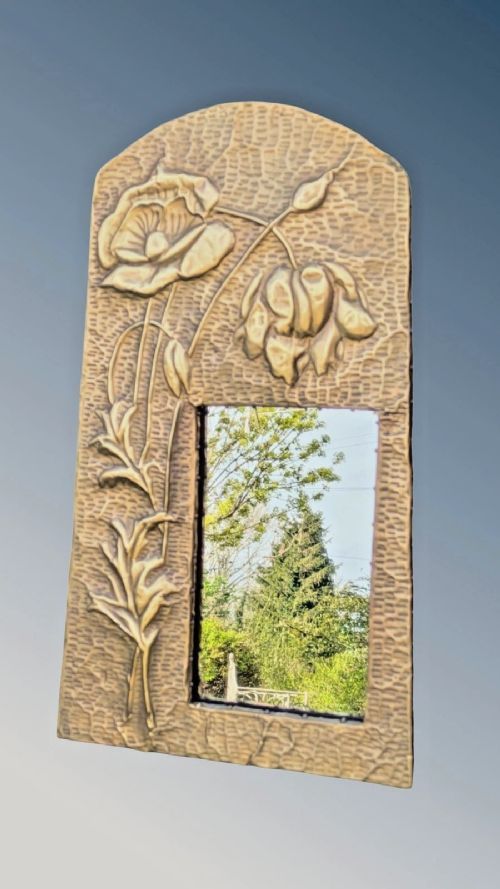
Alongside dressing accessories, the listings encompass larger furniture pieces such as mahogany washstands and brass easel mirrors. These items demonstrate how the sweeping plant-inspired aesthetic extended from personal items to the broader bedroom interior.
Materials and Technique
Silversmiths shaped sterling silver through repousse and piercing techniques to create high-relief floral patterns, cherubs and animal motifs on boxes and tray rims. These metal mounts were frequently combined with cut crystal or pressed glass bodies.
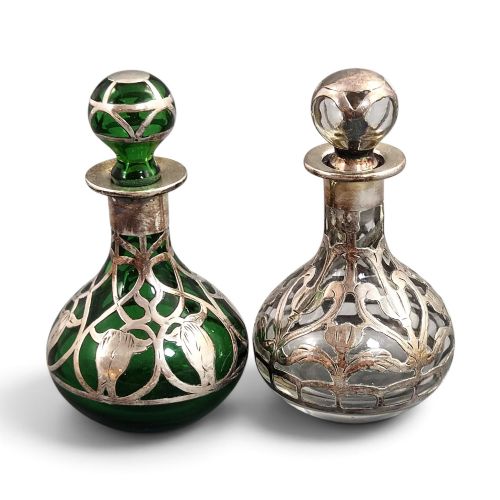
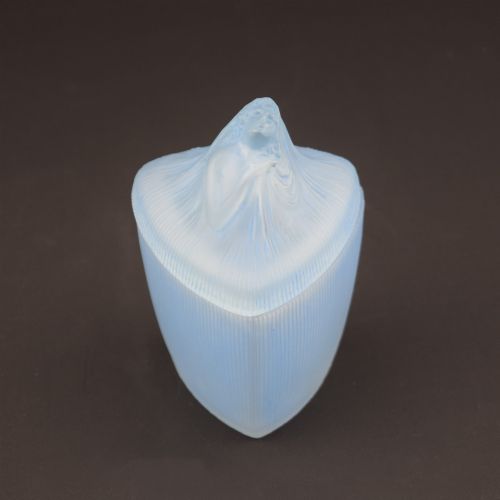
Glassmakers utilised acid etching, frosting and overlay methods to produce tactile perfume bottles and vanity jars with contrasting textures. Makers also incorporated enamel, pewter and brass to introduce colour and metallic sheen.
Cabinet makers utilised mahogany, beech and copper for larger furniture and mirror frames, often integrating tiles or carved panels. The construction relies on traditional joinery combined with applied metalwork characteristic of the arts and crafts ethos.
Art Nouveau Vanity Retail Price Guide 2026
Typical asking prices for art nouveau vanity among the pieces listed under this phrase on Sellingantiques today, from the lower quarter to the upper quarter. They describe what is for sale here now, not the wider market.
Listings feature sterling silver, frosted glass, mahogany and brass across various nineteenth and twentieth-century items.
Distinctions in Quality
The calibre of an art nouveau vanity rests on the crispness of the casting and the depth of the metalwork relief. Master silversmiths achieved sharp, well-defined plant tendrils and figural details that remain distinct rather than flattened.
The integration between materials marks the finest examples, such as glass vessels perfectly fitted with hallmarked silver collars or secure enamel inlays. Finer pieces display careful proportioning where the glass and metal complement each other seamlessly.
WMF·Rene Lalique·William Comyns·Liberty and Co·Goldsmiths and Silversmiths Company
The Art Nouveau Vanity Glossary
- Repousse
- A metalworking technique where the design is hammered into relief from the reverse side. This method allows artisans to create flowing three-dimensional plant motifs on silver box lids.
- Guilloche
- An intricate mechanical engraving technique used to produce precise geometric patterns beneath a translucent enamel layer. It appears frequently on the lids of French scent bottles and jars.
- Secessionist
- A Central European offshoot of the movement favouring more geometric and austere lines alongside organic forms. It represents a slightly more structured approach to the standard aesthetic.
- Easel Mirror
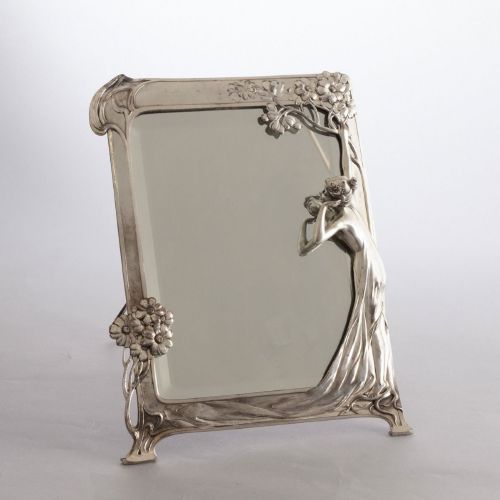
- A table mirror supported by a hinged back strut allowing it to stand upright on a dressing surface. They often feature cast brass or pewter frames decorated with whip-like tendrils.
Art Nouveau Vanity: Frequently Asked Questions
What items belong in a vanity set?
A vanity set typically comprises dressing table accessories such as perfume bottles, trinket boxes, hairbrushes and table mirrors. These coordinated pieces were designed to sit together on a dressing chest.
Collectors often assemble these ensembles over time, matching the silver hallmarks or the specific floral motifs of the period.
How do I identify this period?
The period is characterised by asymmetric curves, whip-like plant stems, seed pods and stylised female figures. Items from this era often feature organic silhouettes that avoid straight lines.
Examining the maker marks and silver hallmarks provides a reliable method for dating individual pieces accurately.
Were these items used daily?
These decorative objects served practical functions for holding cosmetics, perfumes, pins and jewellery on dressing tables. Their durable construction in silver, glass and hardwood meant they withstood regular handling.
Today, they continue to function as practical storage containers while adding decorative character to modern interiors.
How should I display a mirror?
Table mirrors with easel backs sit securely on dressing chests, sideboards or mantelpieces without requiring wall fixings. Placing them near a light source enhances the reflective quality of the glass and highlights the metalwork frame.
Wall-mounted mirrors require stable fixings suited to the weight of the timber or metal frames.