



Art Nouveau Silver Bowl
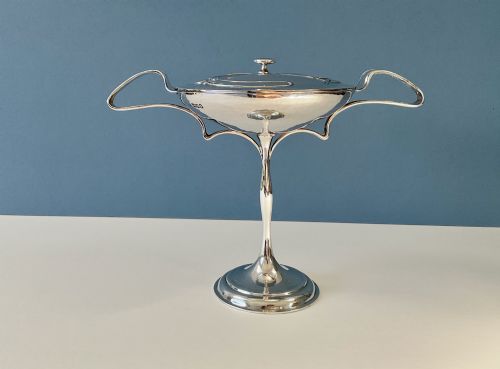
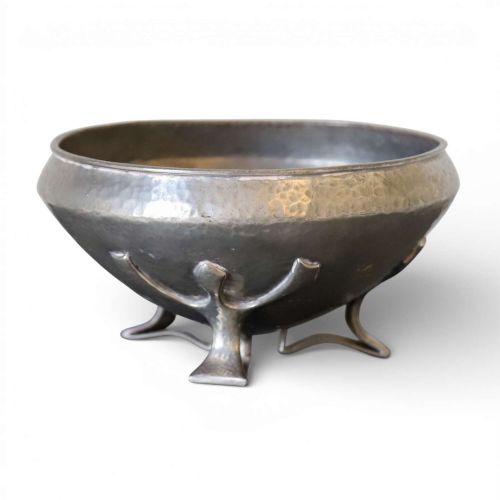
When searching for an art nouveau silver bowl, collectors encounter fluid organic lines and floral motifs shaped around the turn of the twentieth century.
Art Nouveau Silver Bowl
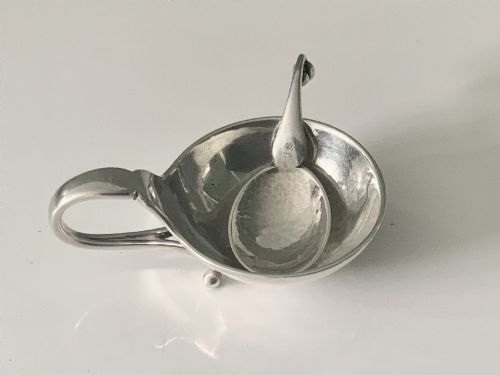
An art nouveau silver bowl embodies the characteristic Whiplash curves and stylized natural forms of the decorative movement that flourished around nineteen hundred. These pieces range from small bonbon dishes and salt cellars to substantial centrepieces and fruit bowls designed for domestic display.
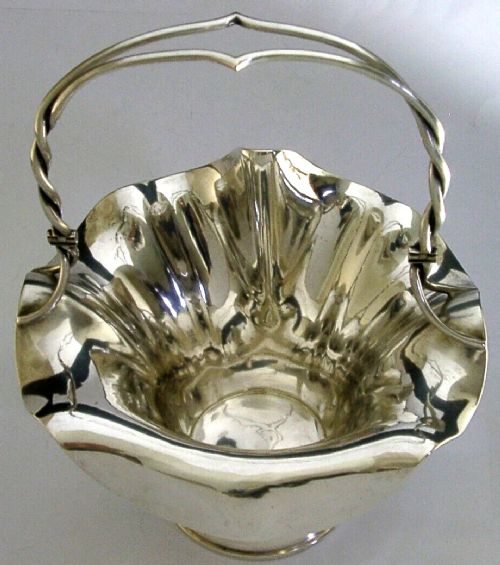
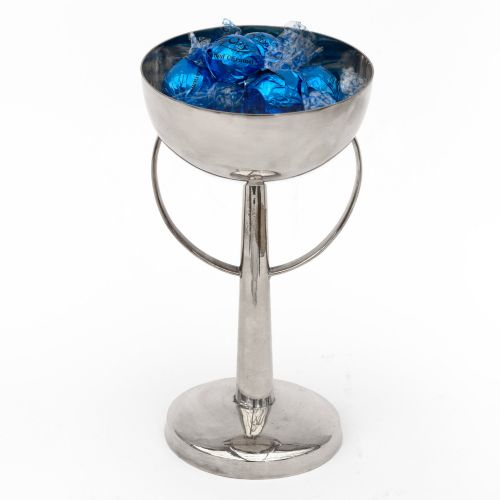
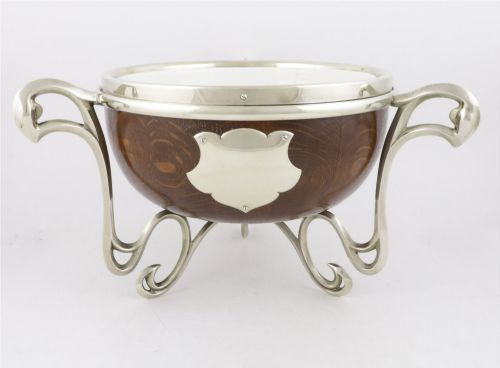
Buyers frequently encounter variants incorporating contrasting elements such as green vaseline glass liners, ruby glass inserts, or oak and crystal bodies held within metal mounts. Forms often stretch into tazzas, baskets with swing handles, and figural double stands produced during the Edwardian era.
Makers across Britain and continental Europe utilised the style to transform utilitarian vessels into sculptural objects. The resulting vessels reflect both the mainstream commercial output of large metalware factories and the hand-hammered ideals of the related Arts and Crafts movement.
What Varies in Quality
Quality separates mass-market commercial stampings from pieces showing careful hand-detailing and substantial weight of metal. Heavier gauges of solid silver and thick crystal or glass liners indicate superior manufacture.
Design execution determines the visual success of the piece, with crisp casting in figural mounts and balanced proportions distinguishing finer examples. Maker attribution also plays a role, where documented output from notable firms commands greater interest.
Listings feature vessels from the late nineteenth century through the Edwardian era, incorporating sterling silver, silver plate, pewter, and glass.
Georg Jensen·Liberty and Co·Christofle·Charles Horner·Oliver Baker
The Art Nouveau Silver Bowl Glossary
- Tazza
- A shallow bowl or dish raised on a pedestal foot and stem. These elevated forms were frequently utilised for serving fruit or sweets on dining tables.
- Tyg
- A large drinking vessel featuring multiple handles, though period examples often functioned as trophy bowls or decorative containers. The form dates back centuries but was reinterpreted with flowing organic motifs.
- Planished
- A metal surface finished by systematic hammering with a round-faced tool, leaving small textured facets. This technique creates a dull gleam prized in hand-wrought metalware.
- Vaseline glass
- A type of glass coloured with uranium oxide, producing a distinctive yellow-green hue that glows under ultraviolet light. It appears frequently in Edwardian metalwork frames.
- Reticulated
- Openwork decoration formed by piercing or cutting patterns through sheet metal. This technique created delicate lace-like rims on bowls and baskets.
Art Nouveau Silver Bowl: Frequently Asked Questions
What periods do these bowls come from?
Most examples date from the late nineteenth century through to the Edwardian period and the early decades of the twentieth century. The peak of production aligns with the height of the decorative movement around nineteen hundred.
Items span various decades including nineteenth century productions and later pieces influenced by concurrent Arts and Crafts ideals.
How were these bowls used originally?
These vessels served diverse domestic functions ranging from centrepieces on dining tables to receptacles for fruit, bonbons, and nuts. Smaller dishes held salt or trinkets.
Many incorporated glass liners to safely hold water for floating flowers or acidic foods that might otherwise tarnish the surrounding metal.
How do you distinguish solid silver from plated versions?
Solid silver and sterling pieces carry British hallmarks or continental silver purity marks indicating the metal standard. These stamps reveal assay office locations and specific production years.
Silver plate and pewter items rely on different manufacturing marks or maker stamps rather than official precious metal hallmarks.
What materials accompany the silver?
Designers frequently paired metalwork with coloured glass inserts, particularly green vaseline glass and ruby glass. Some domestic bowls also integrated oak mounts or crystal bodies.
Pewter was also widely utilised by prominent firms alongside traditional sterling silver and silver-plated white metal.