




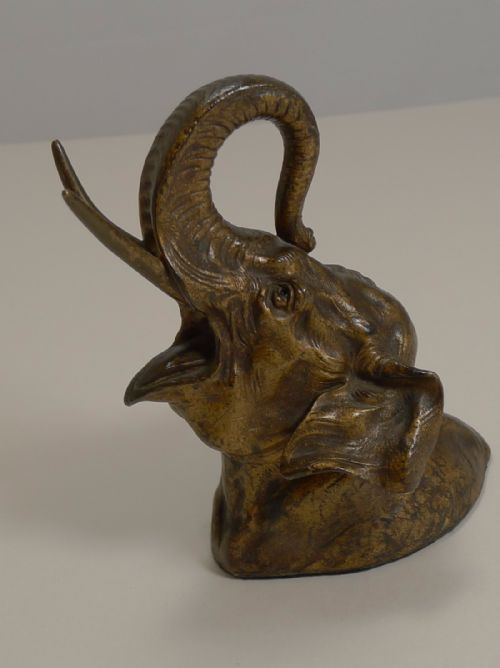
Art Nouveau Inkstand
Looking for an art nouveau inkstand means hunting for fluid desk accessories that bring organic line to your writing desk.
What they are
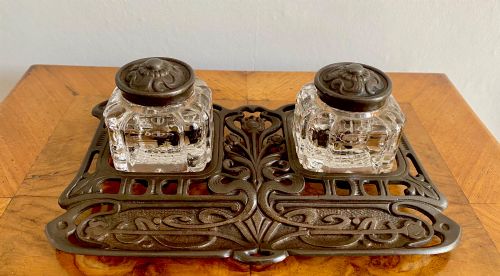
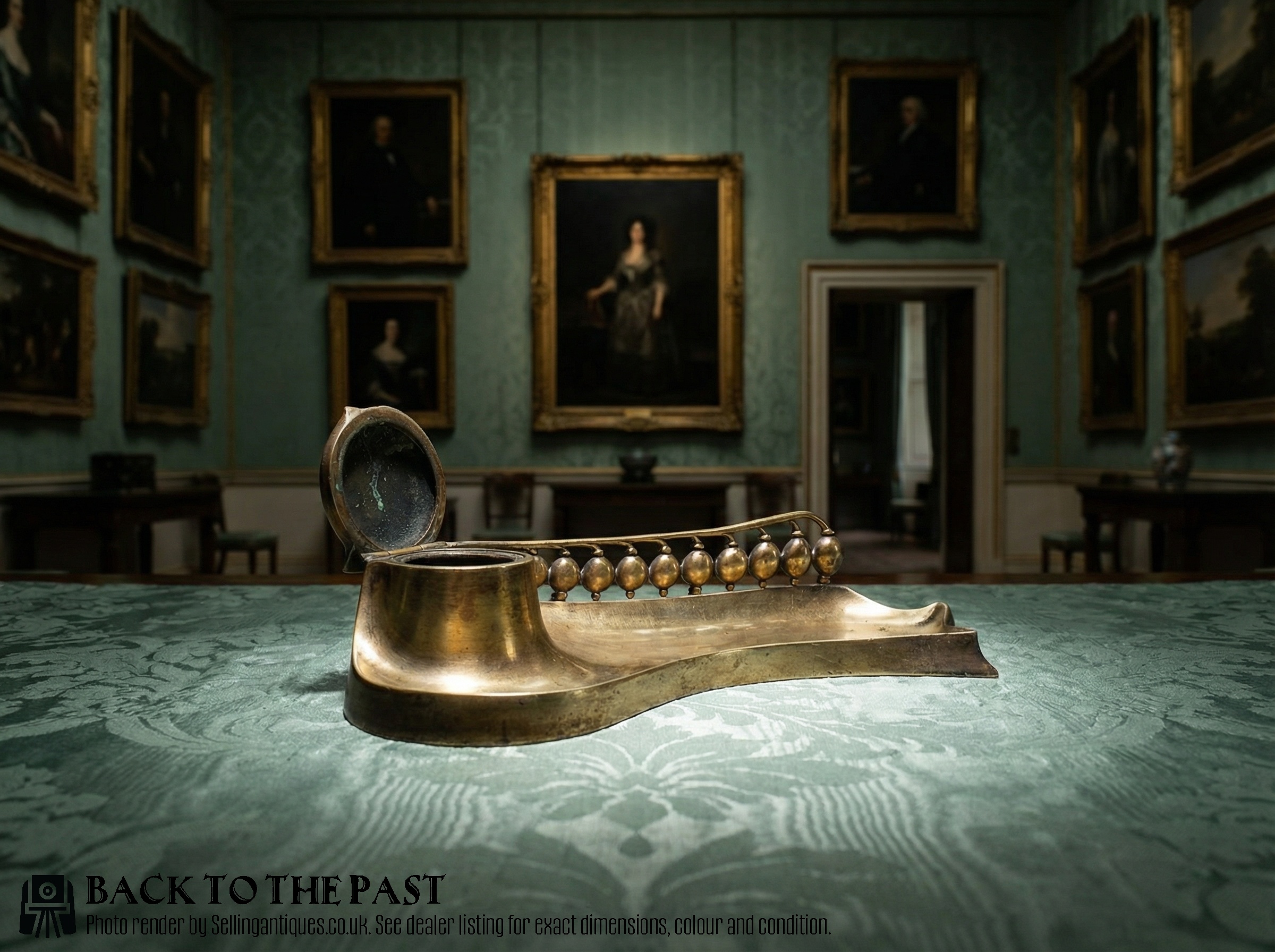
An art nouveau inkstand is a desk accessory designed to hold writing fluid and pens, drawing on organic forms and flowing lines. These pieces typically incorporate inkwells and pen trays into a single coordinated base.
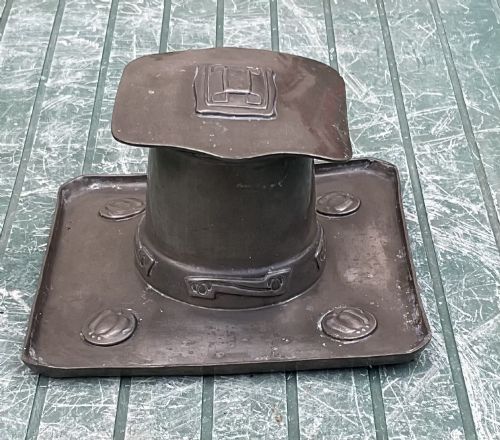
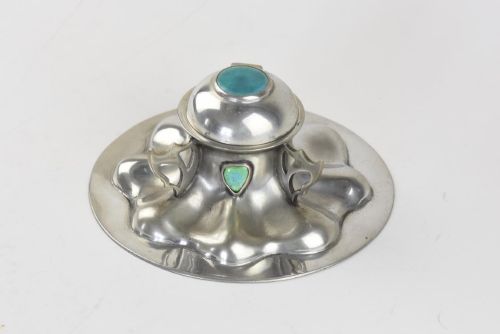
The versions you are most likely to meet on this page hail from the late nineteenth and early twentieth centuries, specifically around eighteen ninety, nineteen hundred, and nineteen ten. They appear as single or double inkwells mounted on brass, pewter, bronze, or marble.
Makers and designers from this period applied the style to utilitarian desk items, combining practical function with sculptural plant and floral motifs. Desk accessories from this era survive in materials ranging from silver to Britannia metal.
How they were made
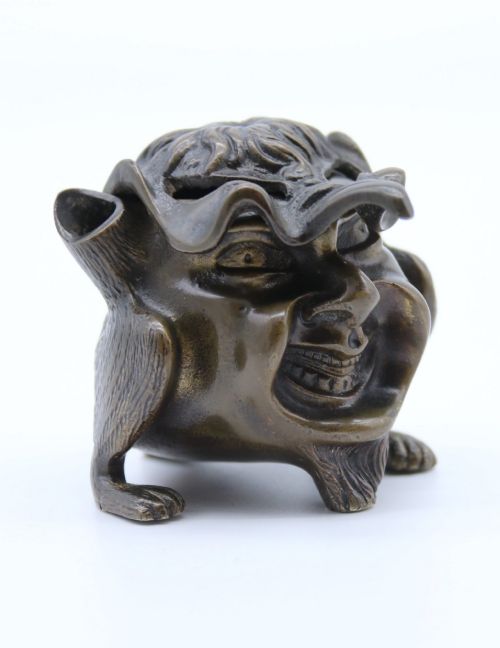
Casting methods dominate these works, utilising metals such as bronze, brass, pewter, and Britannia metal to achieve flowing, asymmetrical silhouettes. Artisans also worked with gilded bronze and silvered bronze finishes to enhance surface texture and depth.
Mixed media construction appears frequently, pairing cast metal bases with carved marble or fitted crystal inkwells. Metalwork components were chased and patinated by hand to highlight the naturalistic whiplash curves characteristic of the movement.
Retail Price Guide 2026
Typical UK retail prices for art nouveau inkstand, calculated from the Sellingantiques database of over a million retail prices indexed since 2003. This retail price guide relies exclusively on Sellingantiques data; no external sources or auction records are used, so the figures do not describe the wider market.
Current listings feature desk accessories in pewter, bronze, brass, and marble from the years eighteen ninety, nineteen hundred, and nineteen ten.
What varies in quality
Quality in these pieces rests upon the crispness of the original metal casting and the subtlety of the surface finish, whether gilded, silvered, or patinated. Finer examples display meticulous hand-chasing that accentuates the organic details of the plant-derived motifs.
The integration of materials also defines the hierarchy, distinguishing mass-produced wares from those bearing the signature of a recognised artisan or firm. Bases combining cast bronze with sculpted marble or crystal inserts show superior ambition in design and execution.
WMF·Albert Marionnet·Maurice Dufrene
The Art Nouveau Inkstand Glossary
- Pewter
- A malleable metal alloy consisting primarily of tin, used widely for cast desk wares during the period. It takes patination and soft polishing exceptionally well.
- Britannia Metal
- A specific form of tin-based Britannia metal alloy chosen for its silvery appearance and suitability for smooth casting. It offered a lighter, durable alternative to heavier bronzes.
- Gilded Bronze
- Bronze coated with a thin layer of gold through fire gilding or electroplating. This technique provided a rich, warm surface reflection suited to ornamental interior objects.
- Silvered Bronze
- Bronze treated with a silver finish to yield a bright, metallic sheen. It allowed makers to create cooler tonal contrasts across complex cast surfaces.
- Pen Tray
- A shallow channel or recess integrated into the base of a desk stand to hold writing implements. It keeps pens from rolling off the working surface.
Frequently Asked Questions
What is an art nouveau inkstand?
An art nouveau inkstand is a desk accessory that combines one or more inkwells with a pen tray, shaped by the flowing, organic lines of the late nineteenth and early twentieth-century design movement.
These functional objects were cast in metals like bronze, brass, and pewter, often incorporating glass or marble elements to serve as ornamental centrepieces for writing desks.
How do I date an art nouveau inkstand?
Dating relies on examining the specific materials, stylistic traits, and any maker marks stamped into the metal base. Most pieces date from the peak of the movement between eighteen ninety and nineteen ten.
Changes in metal finishing, such as silvered bronze or gilded surfaces, alongside the complexity of the cast floral motifs, help narrow down the period of production.
What materials are common in these inkstands?
The listings show a frequent use of cast metals including bronze, brass, pewter, and Britannia metal. Surfaces were often enhanced with gilding or silvering to create varied tonal effects.
Heavier bases combined these metals with carved marble or fitted crystal inkwell inserts, creating substantial desk accessories.