


Art Nouveau Female Figure
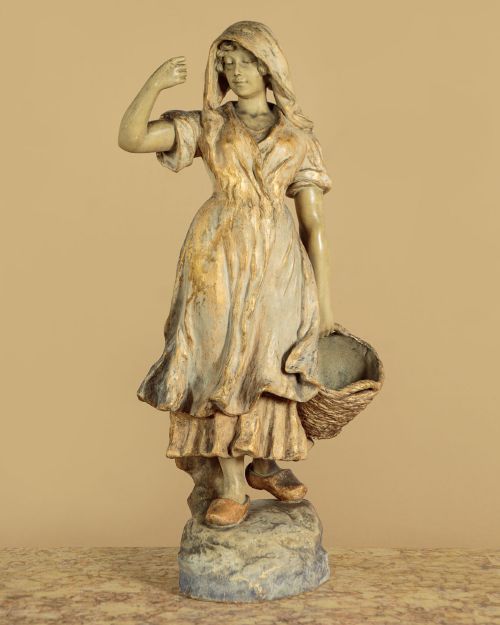
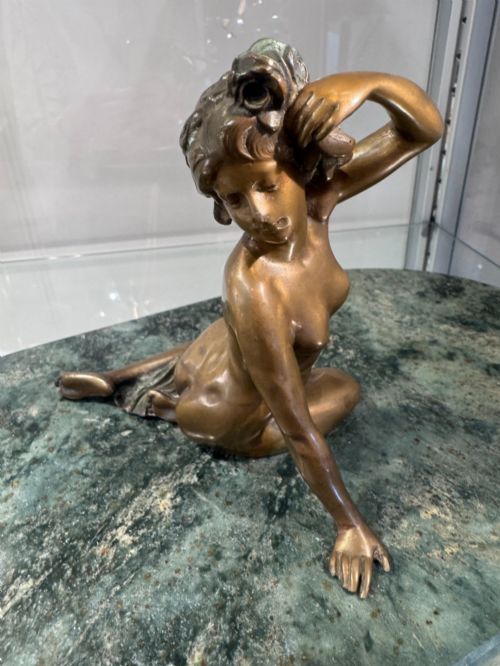
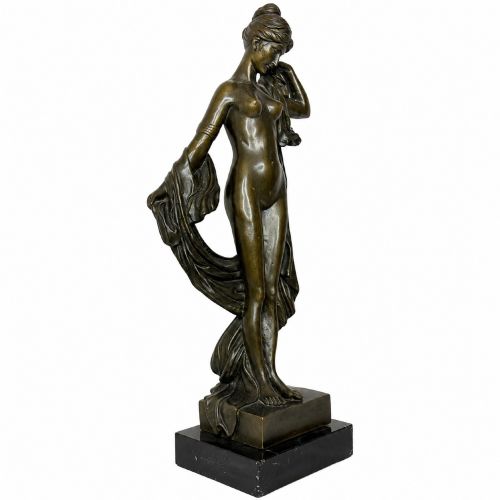
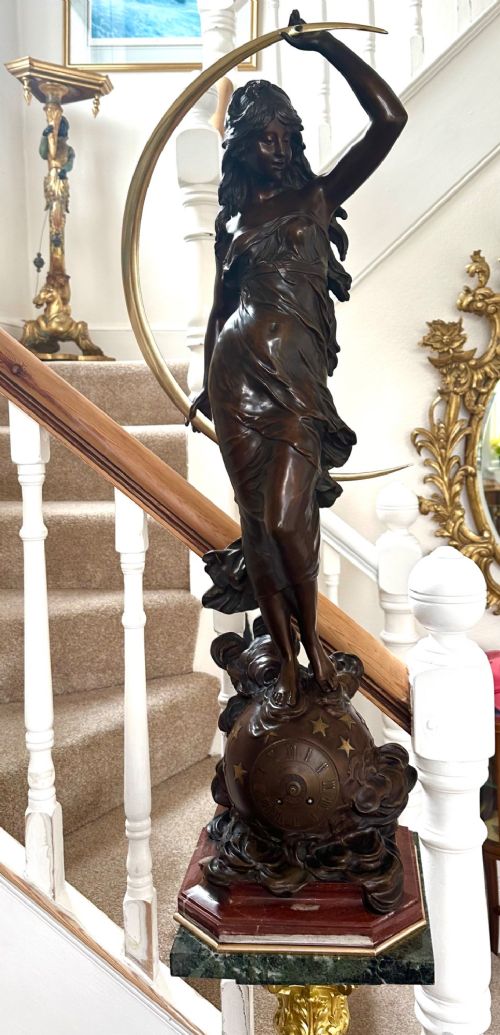
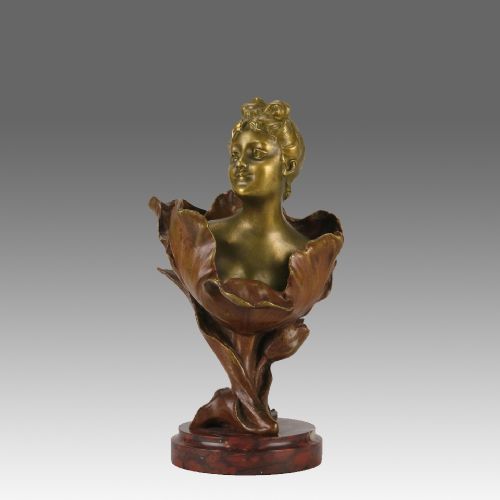
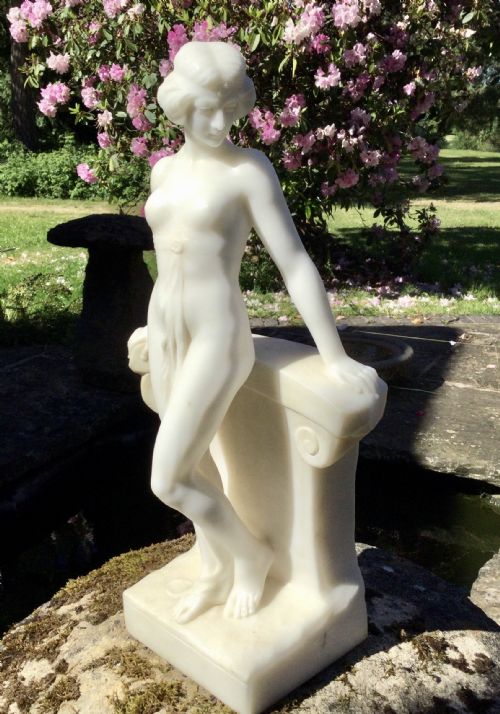
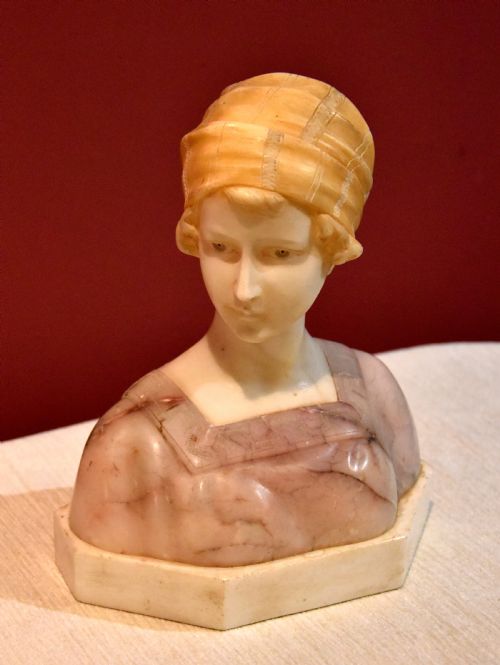
An art nouveau female figure captures the fluid organic lines and natural grace characteristic of turn of the century design.
Art Nouveau Female Figure
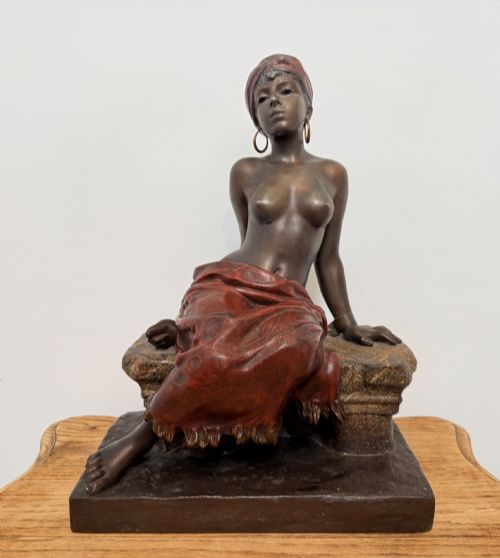
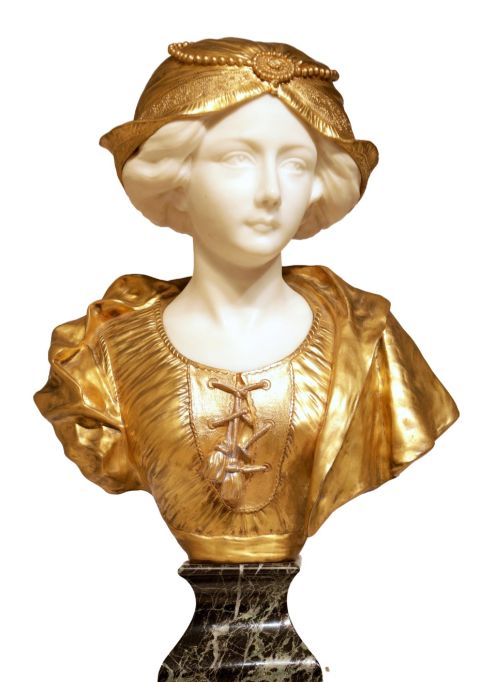
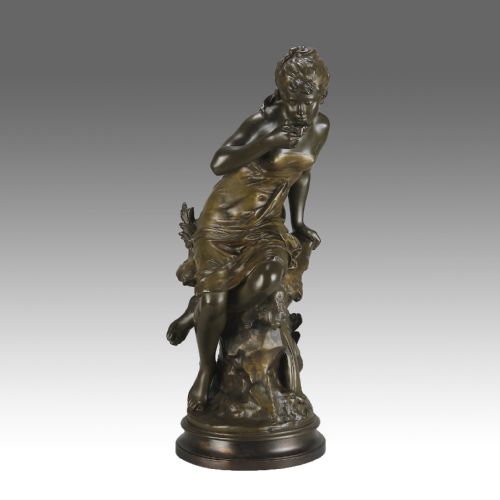
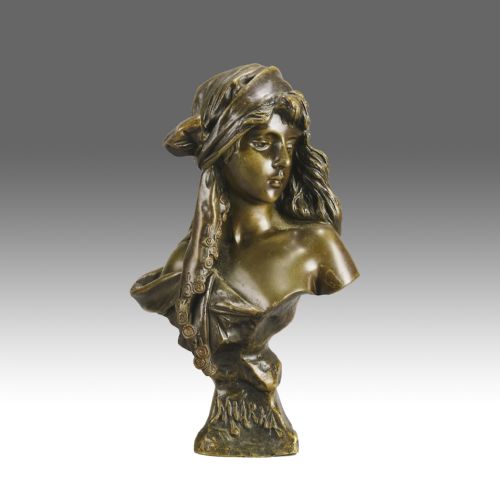
An art nouveau female figure takes the form of sculptures, statuary, busts and decorative figurines produced primarily during the late nineteenth and early twentieth centuries. These pieces embody the characteristic aesthetic of the period, drawing heavily on styles such as Art Nouveau, Belle Epoque and Arts and Crafts.
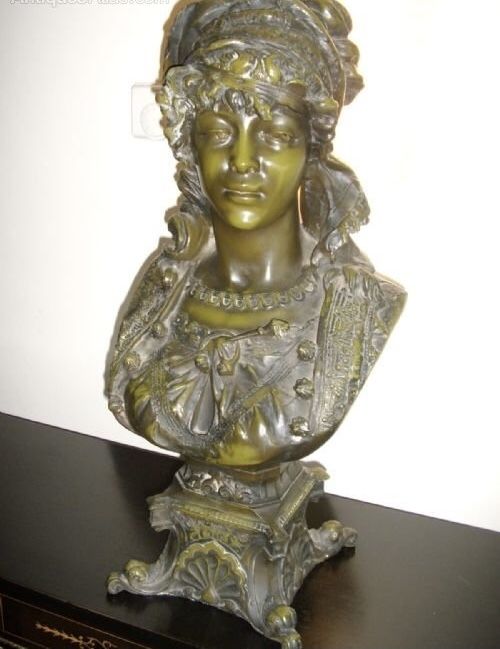
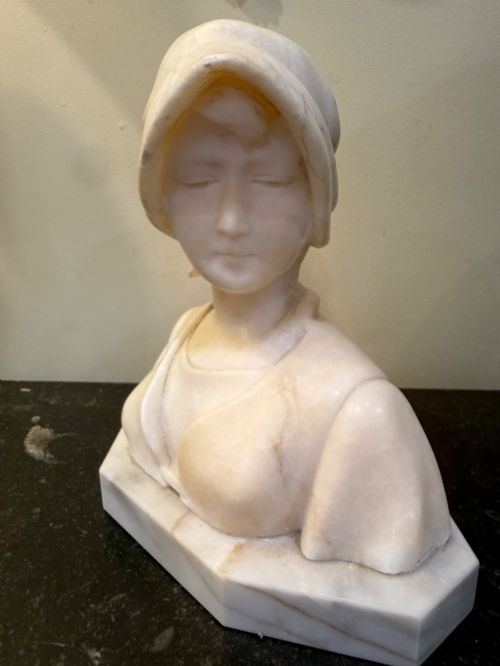
The selections available on this page most commonly appear as bronze castings, carved alabaster and marble sculptures, and painted porcelain figures. Makers utilised female forms to personify nature, water, spring and classical mythology.
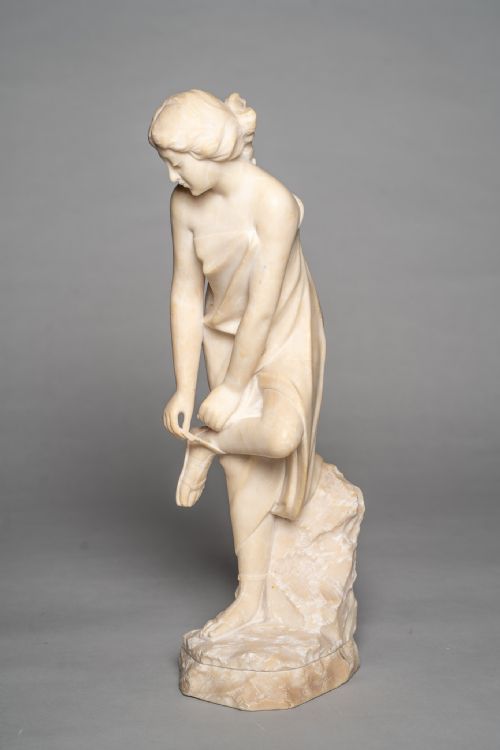
Originating largely from French, Austrian and Italian workshops, these works range in scale from cabinet bronzes to monumental porcelain figures. Collectors encounter both full-length standing or reclining nudes and detailed portrait busts.
How they were made
Foundries and studios employed the lost-wax casting method for bronze figures, allowing sculptors to capture intricate details in hair, drapery and floral elements. Patination was applied chemically to produce varied surface tones, while some pieces received gilt highlights.
Carved pieces utilised natural stone such as alabaster and white marble, requiring skilled hand work to achieve smooth skin textures and contrasting rough-hewn bases. Ceramic and porcelain examples combined moulded bodies with hand-painted polychrome finishes and fired glazes.
Water carriers and harpists share shelf space with nervous nymphs, proving that turn of the century households enjoyed theatrical company.
What varies in quality
Material selection dictates the upper tier of sculptural works, where translucent alabaster or richly variegated marble demonstrates superior carving skill. The subtlety of the applied patina or hand-painted ceramic details likewise distinguishes finer studio output.
Goldscheider·Rudolf Küchler·Auguste Moreau·Emmanuel Villanis·Mathurin Moreau·Henri Godet·Georges Van Der Straeten·Edouard Drouot·Ernst Barrias·Pugi
The Art Nouveau Female Figure Glossary
- Patinated bronze
- Bronze treated with chemical solutions to produce a coloured surface finish. This technique protects the metal and adds tonal depth to the sculpture.
- Lost-wax casting
- A metal casting process where a wax model is melted from a mould and replaced with molten bronze. It permits exceptional detail in figural sculpture.
- Polychrome
- The practice of decorating sculptural surfaces in multiple colours. It appears frequently on ceramics and porcelain figures from the period.
- Chasing
- The manual refinement of a metal casting using hammers and punches. Artisans use this step to sharpen details and remove casting imperfections.
Art Nouveau Female Figure: Frequently Asked Questions
How do I identify an authentic period piece?
Examine the casting quality, the nature of the patina, and the signature or foundry mark inscribed on the base. Period examples exhibit the characteristic surface wear and manufacturing techniques of turn of the century workshops.
Compare the style of the hair, drapery, and base design with documented works by known sculptors from the era. Genuine pieces display consistent artistic integration rather than modern assembly.
What materials were most commonly used?
Sculptors of this era worked extensively in bronze, carved alabaster, marble, and painted porcelain. Terracotta and mixed media combinations also appear frequently across European workshops.
Each material dictates the visual weight and display requirements of the sculpture. Stone pieces demand stable surfaces, while bronzes offer greater resilience.
How should I care for a bronze sculpture?
Dust the surface gently with a soft, dry cloth to prevent the accumulation of airborne particles. Avoid using liquid cleaners, polishes, or abrasive materials that might strip the original patination.
Maintain stable indoor humidity levels to protect any integrated stone or marble bases. Applying a microcrystalline wax occasionally can help safeguard exposed metal surfaces.
Where were these sculptures manufactured?
The primary production centres were located in France, Austria and Italy, with Parisian foundries leading bronze casting. Major potteries in Bohemia produced the large porcelain figures.
Regional styles often reflect the local material availability, such as Italian alabaster carving centres. Export markets distributed these decorative works internationally during the Edwardian period.