


Art Nouveau Ceramic Urn
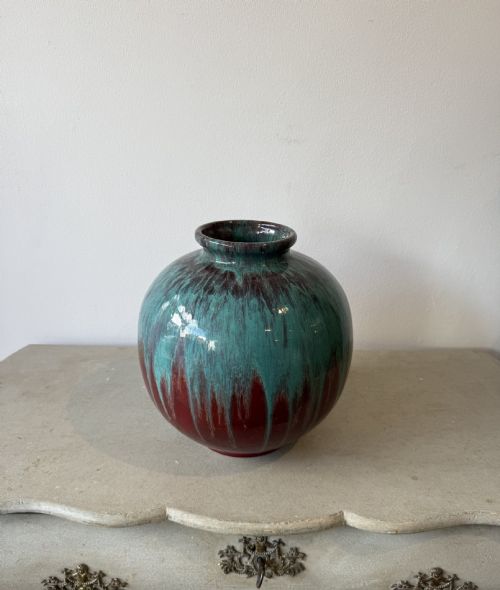
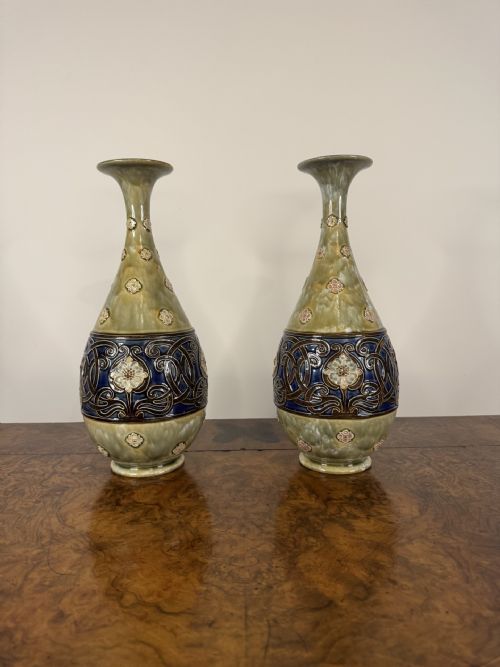
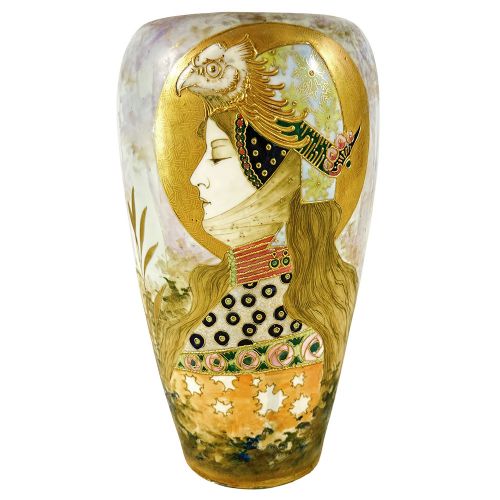
Art nouveau ceramic urn pieces are striking examples of turn of the century design, prized for their flowing organic forms.
Art Nouveau Ceramic Urn
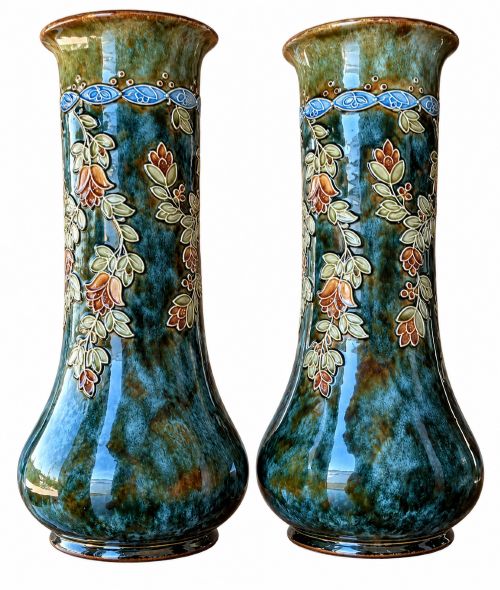
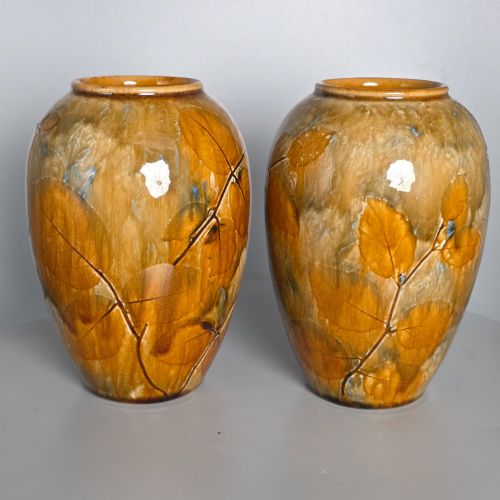
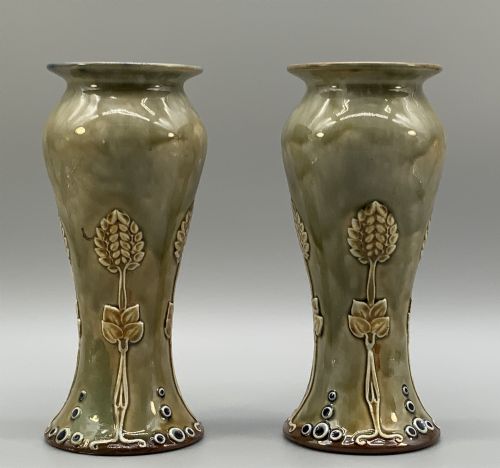
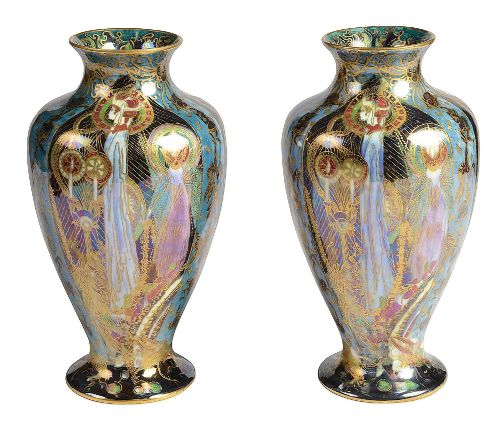
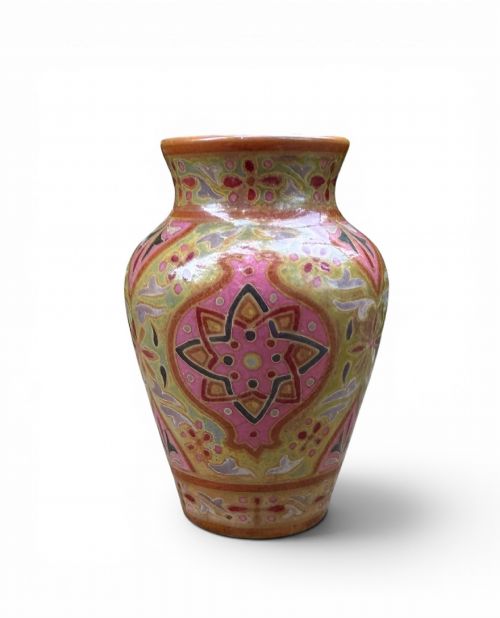
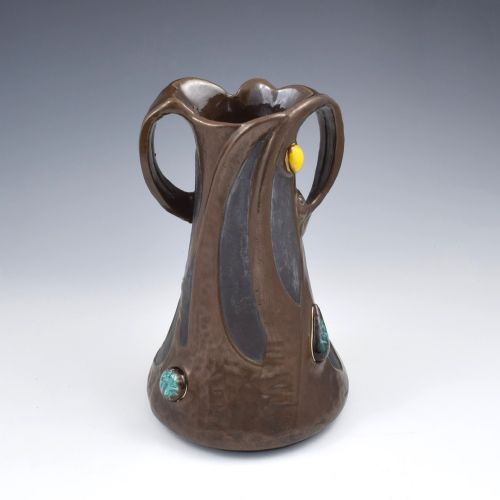
When searching for an art nouveau ceramic urn, you encounter vessels produced primarily between the late nineteenth century and the nineteen twenties. The selections span notable pottery studios from Britain, France, Hungary, and Austria, encompassing forms from simple baluster vases to twin handled vessels.
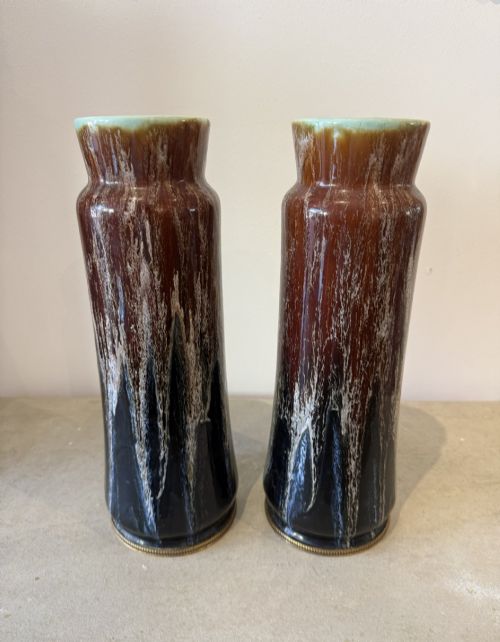
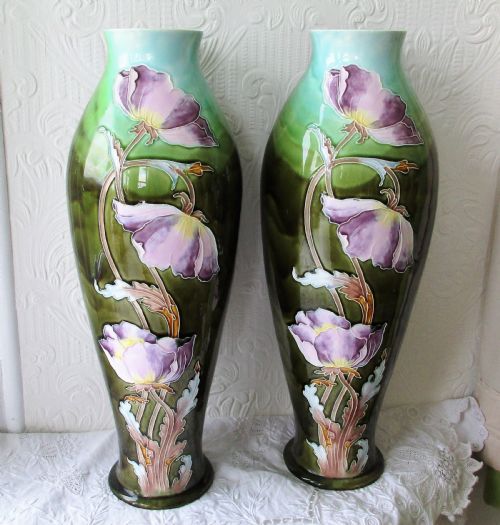
Vases and jardinieres dominate the offerings, often appearing in matched pairs alongside decorative sculptures. These works reflect the broader aesthetic movements of the era, including Arts and Crafts and Secessionist styles.
Origins range from large Staffordshire factories to continental studios, showing considerable variety in scale and ornamental detail. The pieces bridge domestic decorative arts and studio pottery traditions of the period.
Materials and Construction
Makers utilised earthenware, stoneware, and porcelain as the primary body materials, shaped either by throwing on a wheel or moulding into complex botanical configurations. Glaze application defines the surface treatment, with iridescent lustre glazes and hand painted motifs appearing frequently across the inventory.
Decorative enhancements include applied gold leaf, enamel work, and jewelled cabochons that accentuate the relief moulding. Firing techniques produced rich colour variations within the glazes, particularly in pieces originating from British and continental potteries.
Listings span several key decades from eighteen eighty through nineteen twenty, uniting British stoneware with continental porcelain.
Assessing the Workmanship
Quality rests on the crispness of the moulded relief and the control demonstrated in hand painted or glazed decoration. Pieces bearing the specific signatures or monograms of renowned ceramic artists command greater attention.
The complexity of the form and the ambition of the glaze effects differentiate standard commercial output from exceptional studio pieces. Preservation of delicate surface additions like gold leaf and enamel also marks the distinction between grades.
Royal Doulton·Wedgwood·Zsolnay Pecs·Boch Freres·Bretby Pottery·TG Green·Minton·Wileman Intarsio·Mugello·William Moorcroft·Clement Massier·Julius Dressler·Ernst Wahliss·Brannam Art Pottery·Royal Dux Bohemia
The Art Nouveau Ceramic Urn Glossary
- Stoneware
- A robust ceramic pottery fired at high temperatures until vitrified. This dense material resists liquid absorption naturally.
- Lustre
- A type of ceramic glaze containing metallic oxides that produce an iridescent sheen when fired. It creates shifting light effects across the surface.
- Jardiniere
- A large ornamental pot designed to hold plants or flowers. These items often stand independently or rest upon matching ceramic pedestals.
- Baluster
- An architectural shape featuring a rounded lower body that tapers toward a narrow neck. Many traditional vases utilise this silhouette.
- Secessionist
- A stylistic movement associated with Central European artists breaking from academic traditions. The aesthetic favours geometric floral patterns and bold forms.
Art Nouveau Ceramic Urn: Frequently Asked Questions
What defines an art nouveau ceramic urn?
These vessels are characterised by asymmetrical plant motifs, whiplash lines, and naturalistic forms produced during the late Victorian and Edwardian eras. Artisans embraced fluid shapes drawn from the natural world.
Such items serve primarily as decorative focal points within interior spaces, continuing a long tradition of artistic display.
How were these decorative pieces used originally?
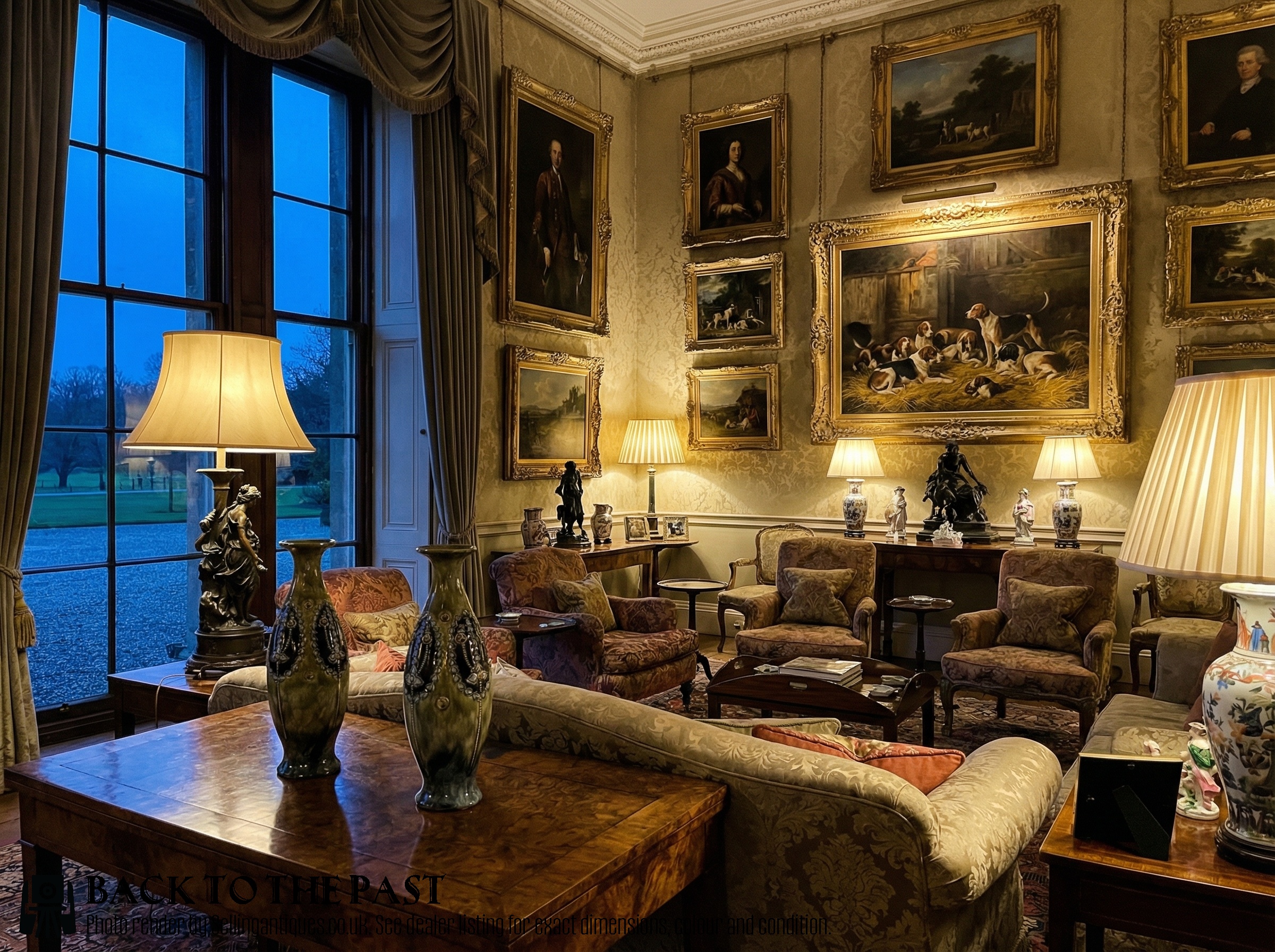
Wealthy households displayed them on mantelpieces, tables, or specialised stands to exhibit refined taste and artistic appreciation. Jardinieres housed large indoor ferns and potted palms.
Their presence added colour and texture to formal domestic interiors of the period.
How do I care for antique pottery?
Keep vessels away from direct sunlight to protect delicate hand painted surfaces and gold leaf details. Dust them gently with a dry, soft cloth.
Avoid using water or cleaning agents on pieces with vulnerable enamel or lustre glazes.
How can I distinguish between periods?
Look at the maker marks, glaze chemistry, and stylistic indicators stamped or painted on the base. Victorian and Edwardian items often feature impressed registry numbers or factory ciphers.
Later pieces from the nineteen twenties lean toward cleaner geometric interpretations of earlier organic motifs.