





Art Nouveau Brass Lighting
Art nouveau brass lighting brings organic curves and warm metallic tones into a room, offering functional illumination shaped by the distinctive design movements of the late nineteenth and early twentieth centuries.
Art Nouveau Brass Lighting
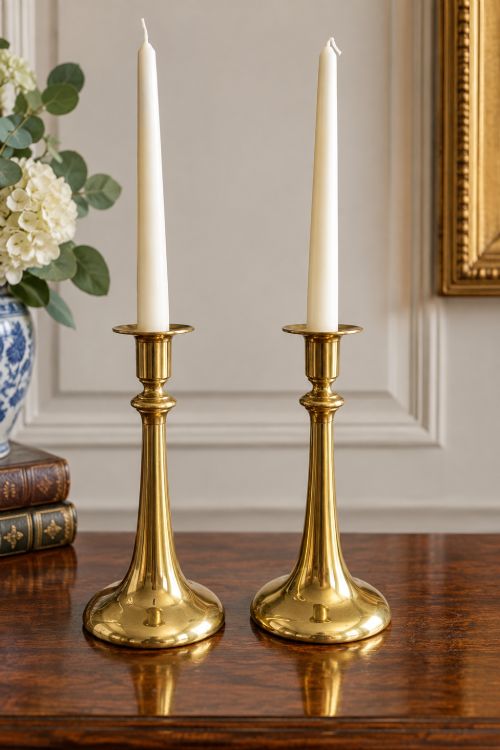
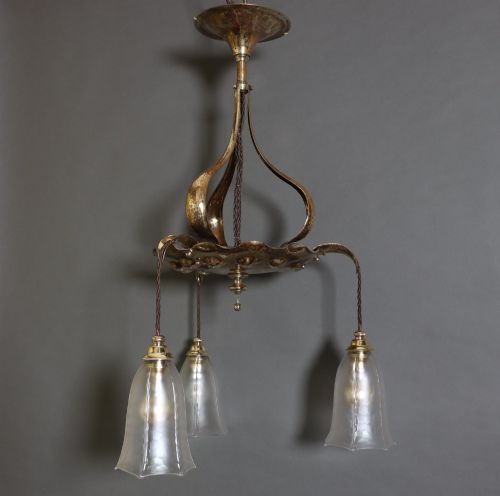
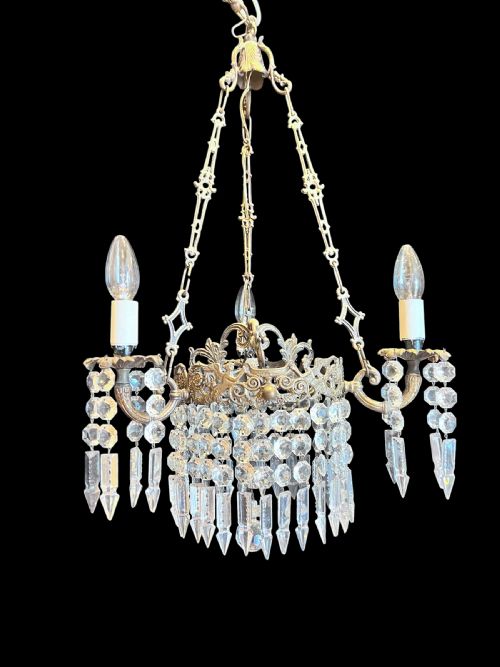
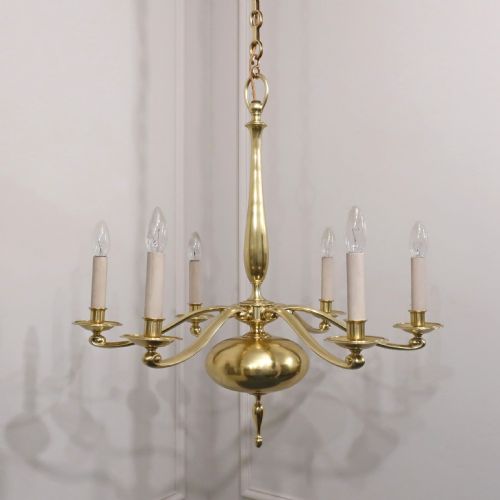
When you search for art nouveau brass lighting, you encounter a diverse array of fixtures spanning floor lamps, table lamps, wall sconces, and ceiling lights. These objects emerge from periods such as the Edwardian era and the late nineteenth century, reflecting the widespread influence of Arts and Crafts and Secessionist ideals.
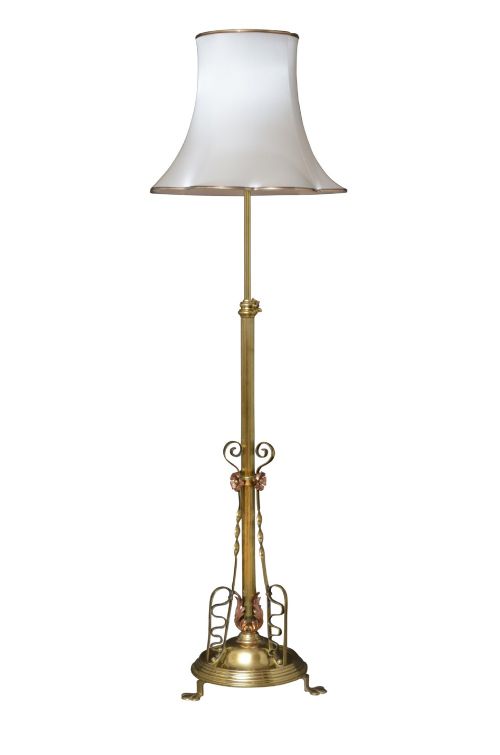
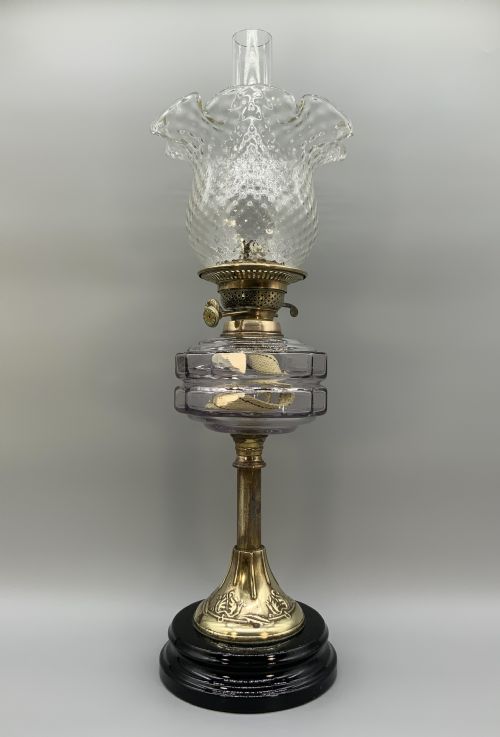
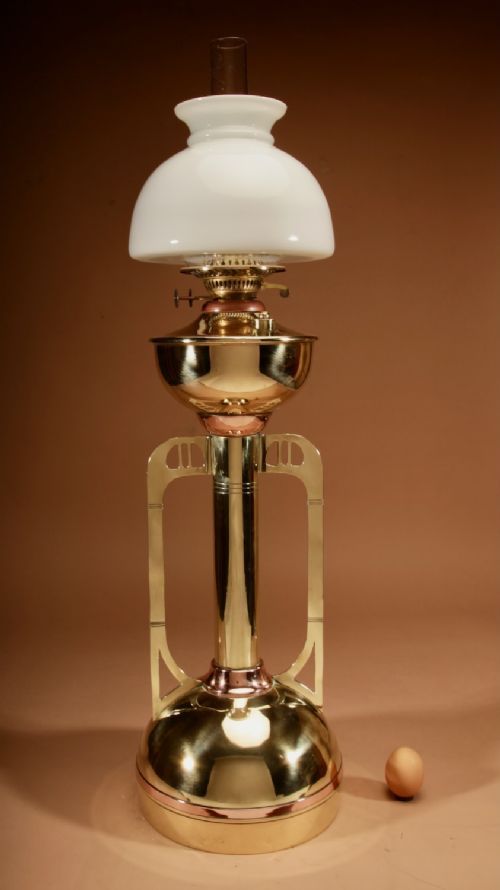
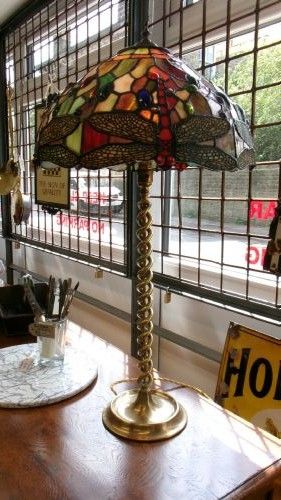
The version you are most likely to meet on this page is the standard lamp or table lamp, often paired with glass or ceramic elements. Many pieces originate from French workshops or English makers, displaying the characteristic whiplash lines and floral motifs associated with the movement.
How they were made
Makers utilised brass as the primary metal substrate, frequently combining it with copper, bronze, and gilt bronze to create varied surface textures and tonal contrasts. Metalworking techniques involved casting, beating, and twisting the brass into botanical forms and structural frameworks.
Lighting components frequently integrated hand-blown, frosted, or etched glass shades, sometimes featuring ceramic bases or cut crystal details. Adjustable heights and rise and fall mechanisms demonstrate the mechanical ingenuity applied to these domestic fixtures.
Listings feature items spanning the nineteenth century through the nineteen-thirties, incorporating Edwardian, Victorian, and Secessionist periods.
What varies in quality
The distinction between standard production and exceptional quality rests on the sophistication of the casting and the crispness of the hand-beaten surface details. Pieces attributed to recognised designers display superior articulation in the organic motifs and heavier gauge metals.
Integration of original components, such as specific Dugué or hand-blown glass shades, elevates the integrity of an object. The finesse of the patination and the complexity of adjustable mechanisms further separate everyday utility items from superior studio examples.
L and F Moreau·G E C·Gustave Serrurier Bovy·WAS Benson·Abel Landry·Liberty
The Art Nouveau Brass Lighting Glossary
- Pricket candlestick
- A candleholder featuring a central spike to secure the wax candle rather than a socket. This form appears frequently in Dutch School and ecclesiastical metalwork.
- Standard lamp
- A tall freestanding floor lamp designed to illuminate a room from a corner or beside seating. These often incorporate adjustable heights or twist stems.
- Wall sconce
- A lighting fixture fixed to a wall surface to hold candles or electric bulbs. French examples frequently employ multiple arms and decorative backplates.
- Rise and fall ceiling light
- A pendant fixture suspended on a weighted pulley mechanism that allows the height of the light source to be adjusted easily. This innovation was popular in Edwardian interiors.
- Secessionist
- A stylistic offshoot of the broader design movement, characterised by geometric rigour combined with organic fluidity. It is seen in metalwork from central European and Dutch workshops.
Art Nouveau Brass Lighting: Frequently Asked Questions
How do I install antique lighting?
Many of these fixtures have been rewired for modern electrical standards, but professional installation by a qualified electrician is recommended to ensure secure mounting to ceilings or walls.
Care should be taken to verify the voltage compatibility and weight distribution of heavier chandeliers or standard lamps before putting them into daily use in a modern home.
Were these lights originally electric?
A large proportion of these pieces originated as oil lamps or paraffin lamps before being converted to electricity during subsequent decades. Some retained their original burners or reservoirs while accommodating modern wiring.
Candlesticks and pricket sticks were purely for wax candles, while standard lamps and chandeliers often reflect the transition from gas lighting to electrical illumination at the turn of the century.
How do I clean brass and copper?
Routine maintenance requires only a soft, dry cloth to remove dust from the metal surfaces and glass shades. Aggressive metal polishes should be avoided to preserve the historical patination accumulated over the decades.
Glass shades can often be removed and washed gently in warm soapy water, provided they are handled with extreme care to prevent chipping the delicate edges.
How do I date these light fittings?
Dating relies on stylistic markers such as the presence of floral whiplash motifs, Arts and Crafts construction methods, and specific maker signatures or registration marks. Comparative analysis with catalogued designs helps narrow the period.
Materials also offer clues, as the shift from heavy brass castings of the Victorian era to lighter Edwardian tubular brass reflects changing manufacturing technologies.