

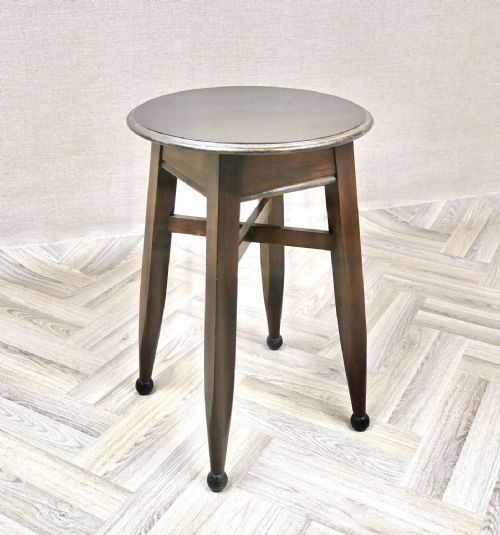


Art Deco Wooden Side Table
An art deco wooden side table brings architectural lines and rich grain to a room, offering practical surface space with distinct period character.
Art Deco Wooden Side Table
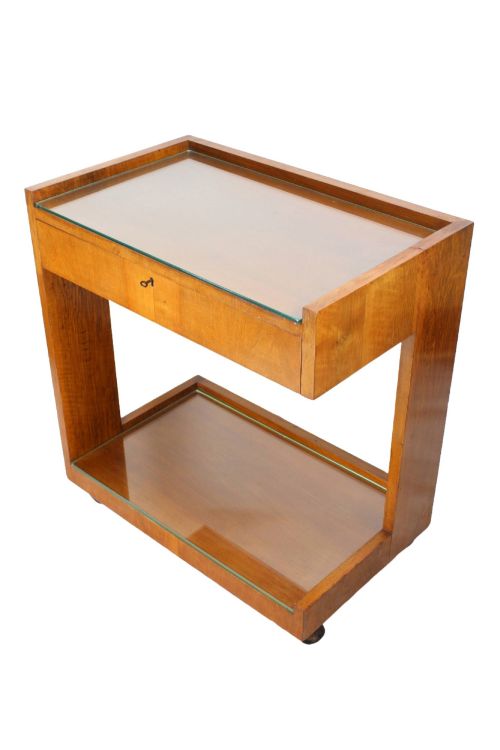
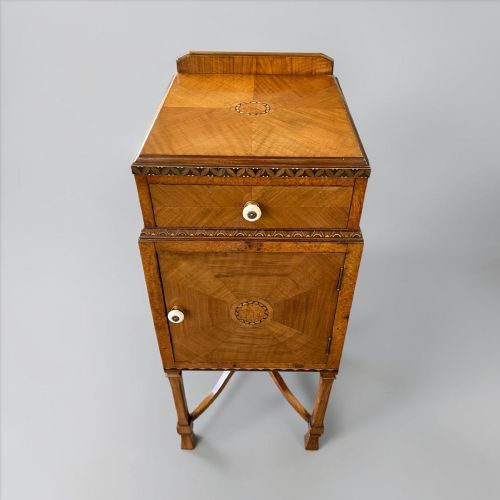
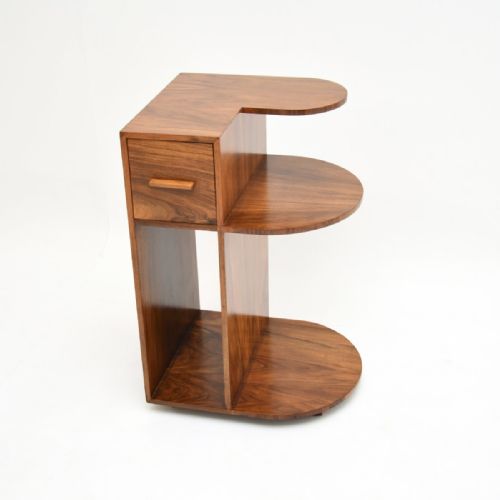
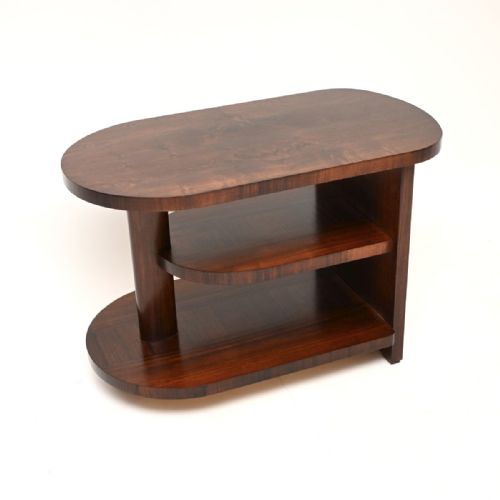
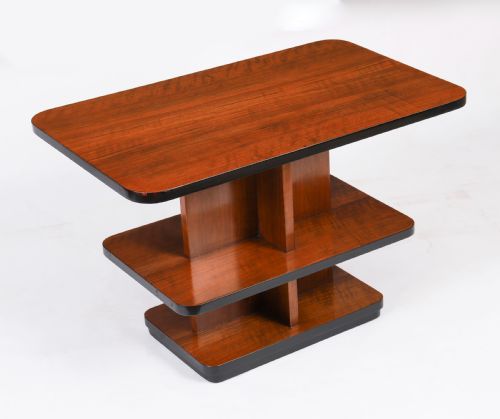
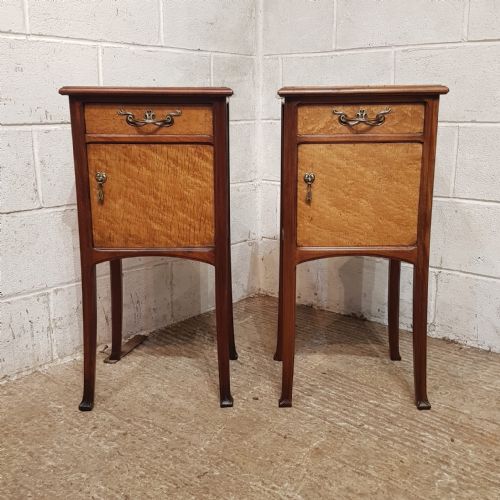
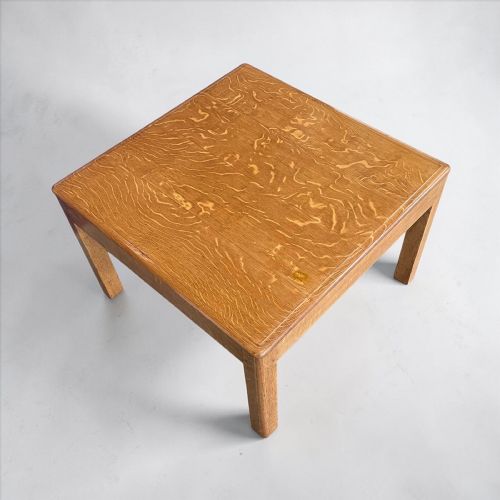
An art deco wooden side table encompasses low coffee tables, lamp tables, and multi-tiered occasional tables dating principally from the 1920s and 1930s. The selection on this page ranges from simple oak stands to French models with distinct geometric profiles.
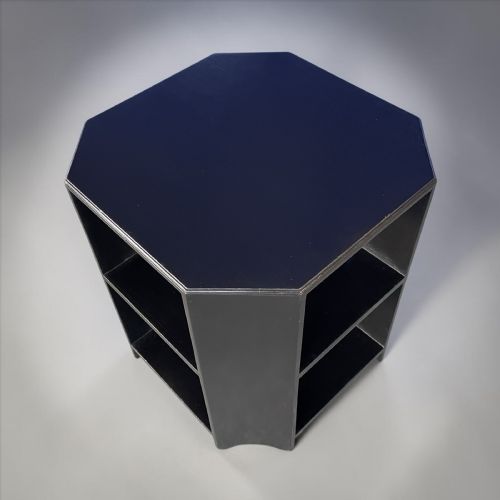
Buyers will encounter various formats, including nests of tables, drinks trolleys, and octagonal occasional pieces. Most examples originate from the 1930 period, showcasing the characteristic geometric vocabulary and streamlined forms of the era.
The objects serve everyday functional roles beside seating or beds while providing a strong decorative anchor through their timber construction. Pieces span straightforward domestic utility to more elaborate modernist and revival designs.
How they were made
Cabinet makers utilised a foundation of solid timbers like oak, mahogany, and teak, frequently overlaying them with decorative veneers such as walnut, burr walnut, rosewood, and burr elm. This technique highlighted the natural figured patterns of the wood across flat tops and curved aprons.
Construction methods combined traditional joinery with emerging modernist techniques, sometimes incorporating contrasting ebonised wood or polished brass details. Surfaces received careful polishing to protect the timber while accentuating the varied grain structures seen in walnut and oak.
The selection includes period pieces dated across the 1900s, 1920s, 1930s, and 1940s.
What varies in quality
Distinction across the range lies in the selection and matching of wood veneers, particularly figured walnut, burr walnut, and rosewood. Superior examples display symmetrical grain patterns thoughtfully laid across the primary surfaces.
The integrity of the construction and the refinement of the geometric silhouette distinguish standard production from exceptional studio and maker pieces. Subtle details such as ebonised accents, brass fittings, and clean multi-tiered proportions separate basic utility tables from sophisticated examples.
Gomme·Betty Joel·Gilbert Rohde·Heal's·Epstein
The Art Deco Wooden Side Table Glossary
- Veneer
- A thin layer of figured wood applied to a stable timber base. This method allows makers to display striking grain patterns like burr walnut across tabletops.
- Ebonised
- Wood treated to resemble ebony through a dark staining or finishing process. It provides sharp contrast against lighter walnut or oak surfaces.
- Occasional table
- A small, movable table designed for specific, intermittent use within a room. These pieces function easily beside chairs or sofas for lamps and drinks.
- Amsterdam School
- An early twentieth-century architectural and design movement known for expressive forms and detailed fretwork. Tables from this tradition display distinct sculptural qualities.
- Modernist
- A style focusing on function, clean lines, and minimal ornamentation. Pieces from this movement strip away traditional revival motifs in favour of geometric simplicity.
Art Deco Wooden Side Table: Frequently Asked Questions
How do I identify an art deco side table?
Look for geometric forms, stepped profiles, and symmetrical arrangements of figured wood veneers like walnut or oak. These structural traits define the aesthetic of the nineteen-twenties and nineteen-thirties.
Many examples also incorporate contrasting materials such as brass or ebonised wood to accentuate the clean lines of the design.
What is the difference between an occasional table and a lamp table?
An occasional table is a general term for a small movable piece used intermittently around a room for various tasks. A lamp table specifically provides a stable surface for lighting next to a chair or sofa.
Both forms share similar compact proportions and frequently appear in matching sets or nests.
Are these tables suitable for daily use?
Yes, these timber tables provide sturdy surfaces for everyday domestic tasks such as holding books, drinks, or lighting. Their robust construction in oak, walnut, or mahogany suits active living spaces.
Routine care involves regular dusting and avoiding excessive moisture to protect the polished wood and delicate veneers.
How do I care for wood veneer surfaces?
Maintain veneer surfaces by wiping them gently with a soft, dry cloth and keeping them away from direct heat sources and strong sunlight. This prevents the timber from drying out or the finish from fading.
Occasional application of appropriate furniture polish helps preserve the lustre of the walnut, rosewood, or oak grain.