
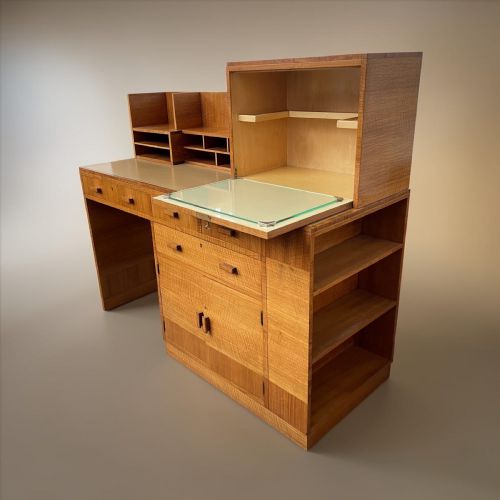
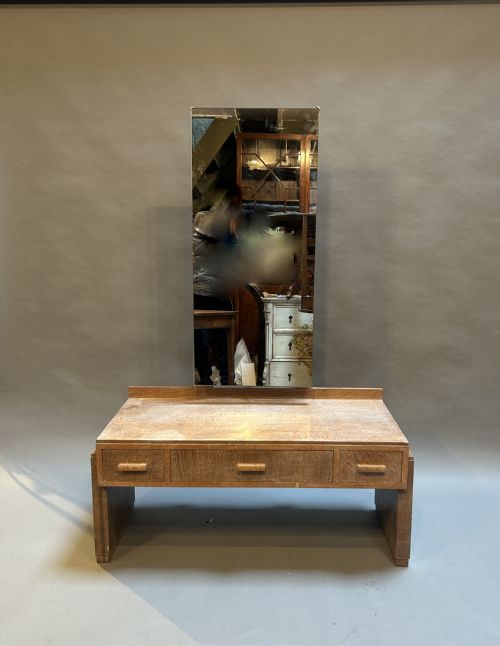

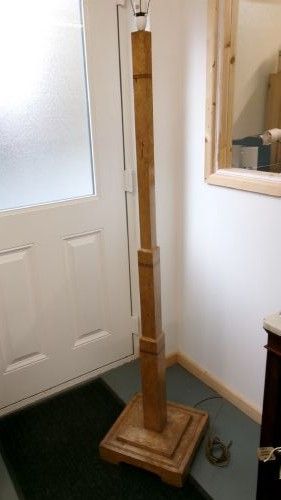


Art Deco Wooden Lighting
Art deco wooden lighting brings warmth and geometric elegance to a room through period floor lamps and table lamps.
Art Deco Wooden Lighting
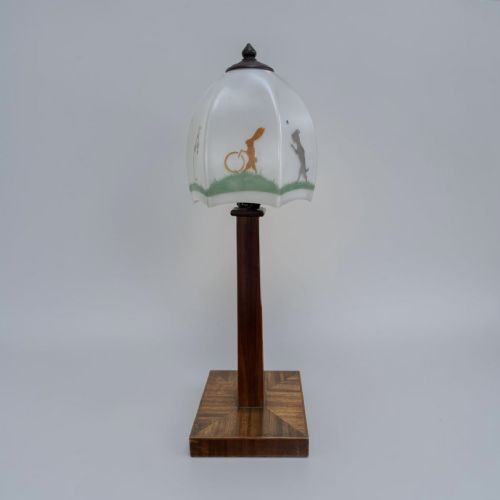
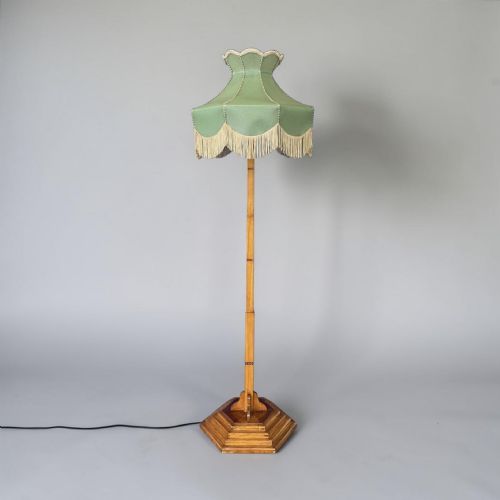
Art deco wooden lighting centres on standard lamps, floor lamps, and table lamps produced across the early decades of the twentieth century. These pieces introduce distinct period character to domestic interiors through architectural forms and rich timber grains.
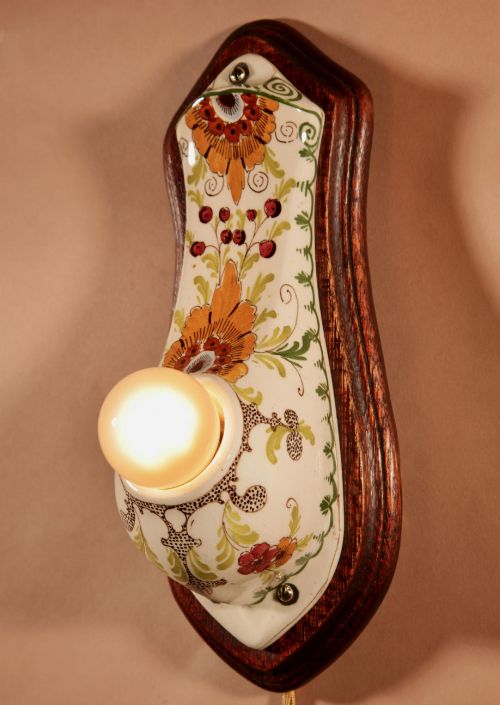
Standard lamps dominate the selection, often taking tall, columnar shapes that highlight the natural figure of the wood. Alongside these upright lights, smaller table lighting and occasional ceramic night lights provide complementary illumination.
The aesthetic bridges late nineteenth-century traditions and mid-century modern concepts, leaning heavily into the geometric lines typical of the nineteen-twenties and nineteen-thirties. Walnut and oak emerge as the primary timber choices for these lighting fixtures.
Materials and construction methods
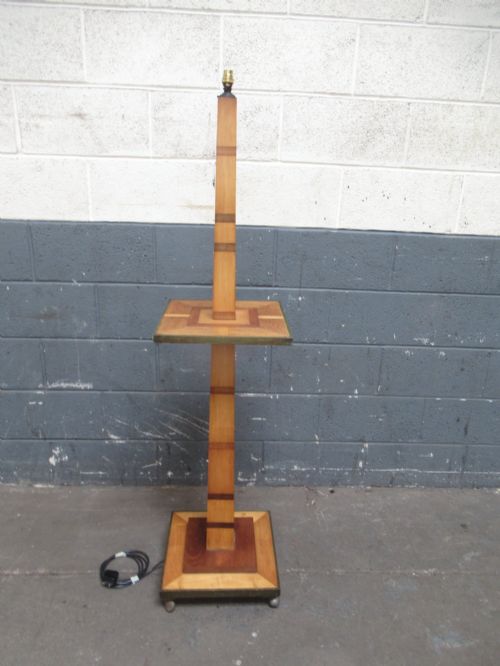
Cabinet makers utilised select hardwoods including oak, walnut, maple, and sycamore to build the upright shafts and bases of these lamps. Contrasting inlays, such as ebony, frequently accent the primary timber to emphasise the linear geometry of the period.
Metal components in brass and occasional giltwood details integrate with the wooden structures to support electrical fittings and shades. Skilled turning and joinery techniques shape the solid timber into slender torcheres and sturdy floor-standing columns.
Distinctions in craftsmanship
Superior examples demonstrate meticulous timber selection, displaying matching grain patterns across the wooden shaft and heavy, stable bases that anchor the tall forms. The harmony between the primary wood and secondary contrasting veneers defines the visual success of the piece.
Simpler workshop output relies on plain timber without the refined proportions, crisp turning, and thoughtful detailing seen in standard lamps associated with prominent makers of the nineteen-twenties and thirties.
Hille·Gomme·Heal's·Betty Joel
The Art Deco Wooden Lighting Glossary
- Standard lamp
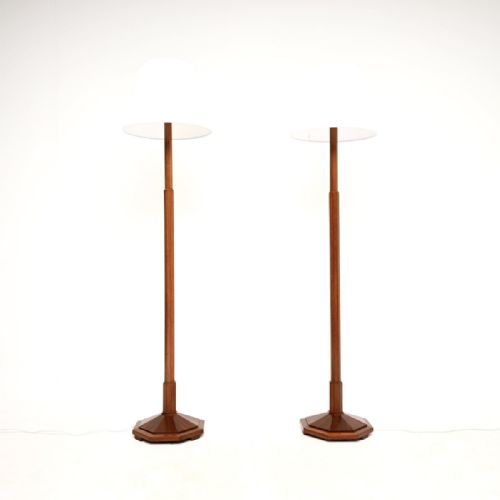
- A tall, free-standing floor lamp designed to provide ambient room illumination. These vertical timber shafts often feature stepped or circular wooden bases.
- Torchere
- An ornamental tall stand or candlestick adapted to hold lighting. In this context, the term describes slender standard lamps with vase-like profiles.
- Odeon style
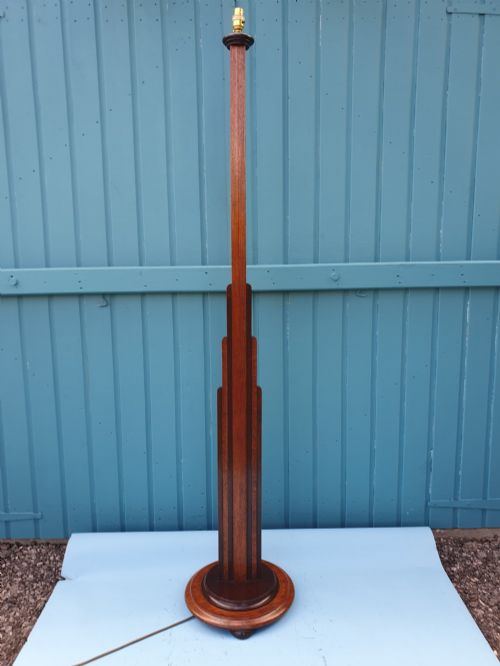
- An architectural and decorative influence derived from streamline moderne cinema design. This aesthetic appears in stepped, skyscraper-like wooden standard lamp silhouettes.
- Amsterdam School
- An architectural and design movement originating in the Netherlands around nineteen-hundred to nineteen-twenty. It manifests in expressive brickwork, heavy woodwork, and intricate fretwork lighting.
- Limed oak
- Timber treated with a specialised finish that fills the grain with a white or pale pigment. This technique highlights the porous texture of oak furniture and lighting.
Art Deco Wooden Lighting: Frequently Asked Questions
What is art deco wooden lighting?
Art deco wooden lighting consists primarily of standard lamps, floor lamps, and table lamps produced during the nineteen-twenties and nineteen-thirties. These fixtures utilise timbers like oak, walnut, and maple to combine functional illumination with distinct period geometry.
Craftsmen shaped these woods into tall, architectural columns and torcheres that reflect the streamlined design ethos of the era. They serve as both practical light sources and sculptural elements in a room.
How do I identify a nineteen-twenties standard lamp?
Nineteen-twenties standard lamps typically display stepped bases, geometric shaping, and contrasting wood veneers such as ebony on golden oak or walnut. The silhouettes often draw inspiration from skyscraper architecture and the streamline modern movement.
Examining the turning quality and timber selection helps distinguish these early pieces from later revivals. Original wiring must be updated for modern safety while preserving the structural integrity of the wooden shaft.
What woods were used for these lamps?
Cabinet makers relied heavily on domestic and imported hardwoods, with oak and walnut forming the vast majority of surviving examples. Blonde oak, golden walnut, and exotic maples appear frequently across the listings.
Master craftsmen also incorporated contrasting inlays and secondary woods to emphasise the linear patterns of the design. The choice of timber dictates the overall tone, ranging from deep, warm browns to pale, limed finishes.
How do I place a floor lamp in a room?
A standard wooden floor lamp anchors a seating area by providing warm, vertical height and ambient light. Position the lamp beside a sofa or in an empty corner where the timber grain and geometric silhouette can be appreciated against a wall.
Pairing the height of the lamp with low furniture, such as coffee tables or side cabinets from the same period, creates a balanced interior layout. Ensure the scale of the lamp matches the proportions of the surrounding furnishings.