



Art Deco Tallboy Cabinet
An art deco tallboy cabinet brings vertical storage and striking grain patterns to a room, offering both proportion and presence.
Art Deco Tallboy Cabinet
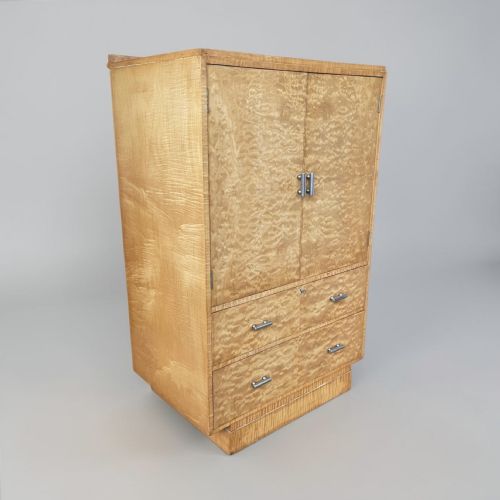
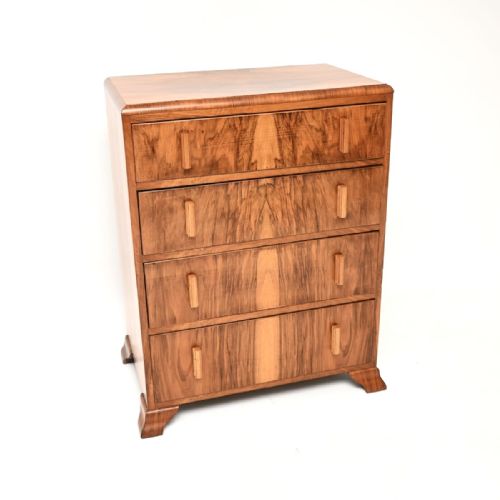
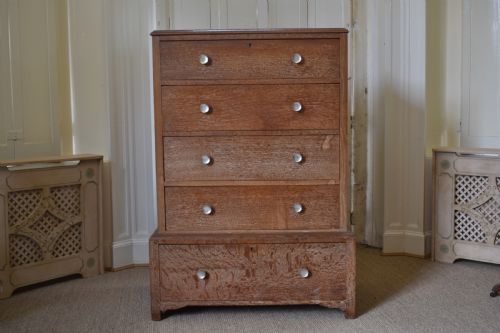
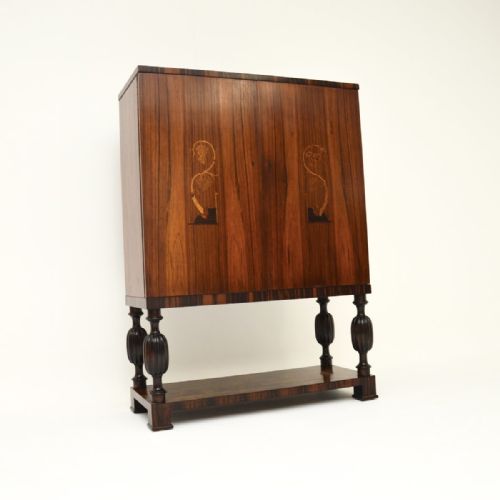
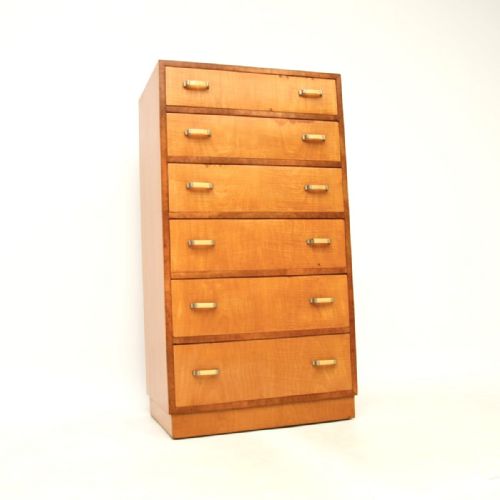
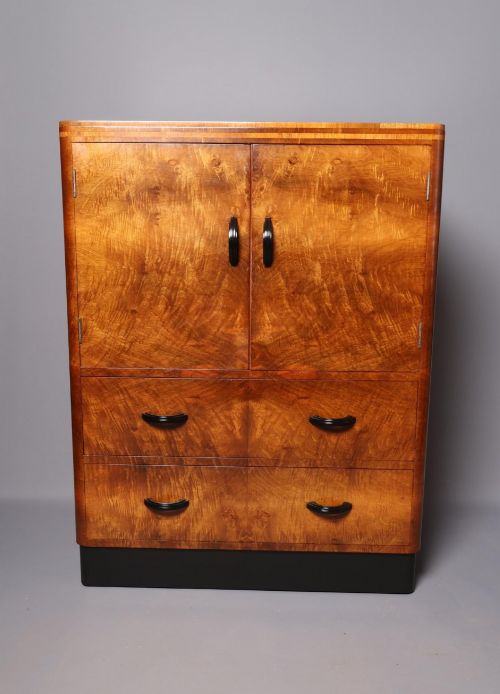
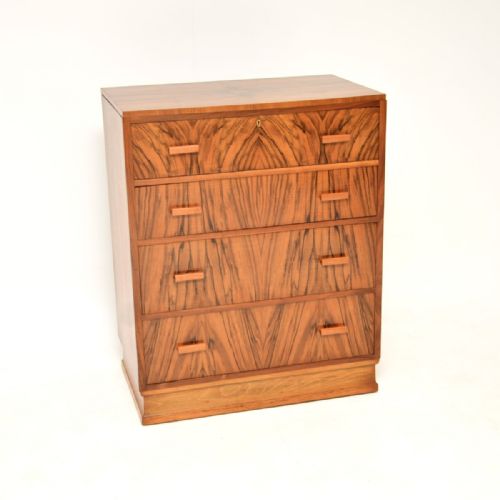
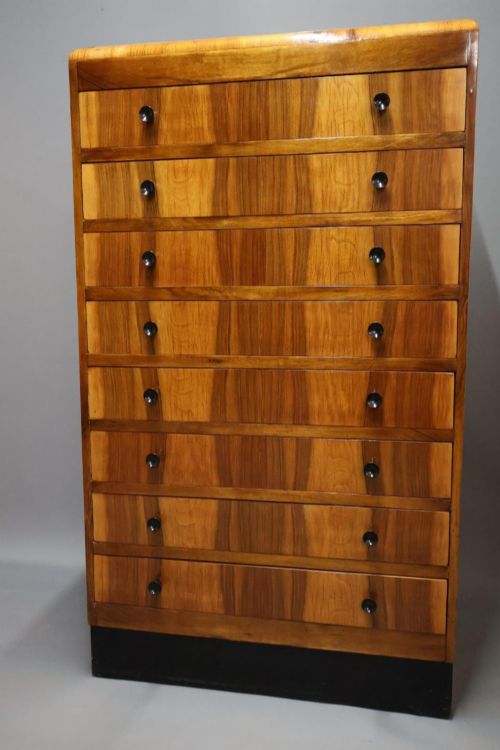
An art deco tallboy cabinet combines the height of a vertical storage chest with the distinct geometric lines of twentieth-century design. You encounter these pieces primarily from the nineteen-thirties, constructed as tall chests of drawers, compactums, and cabinets on stands.
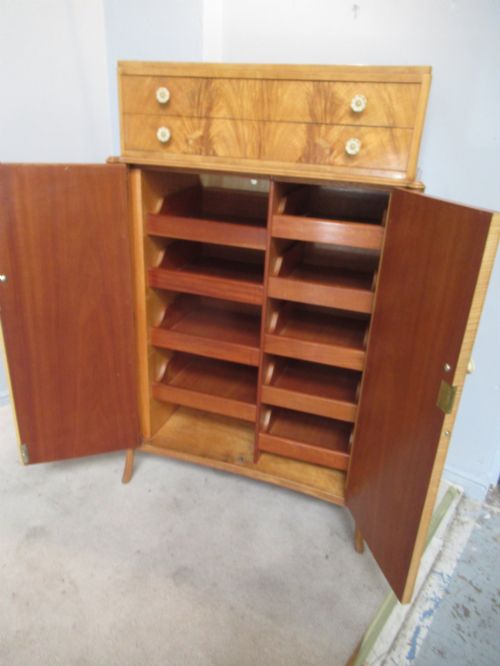
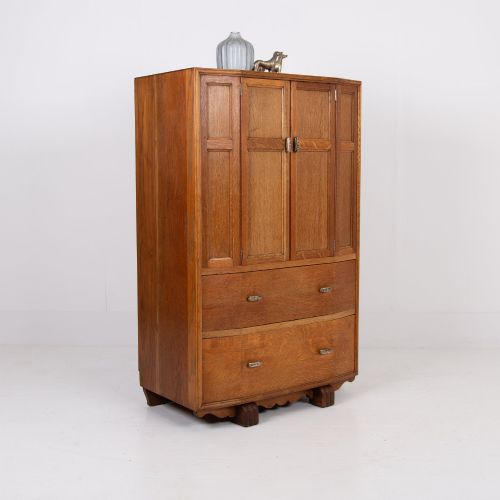
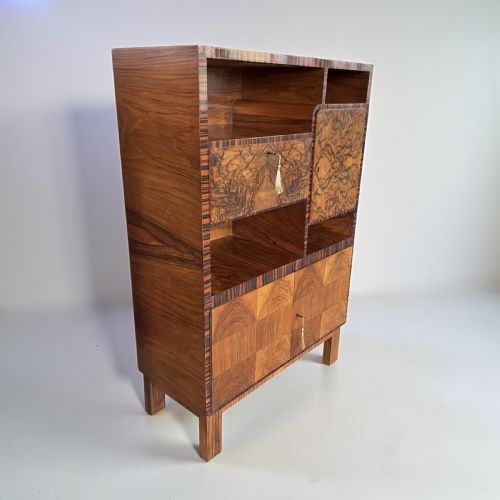
The form prioritises vertical capacity over floor space, housing multiple drawers or fitted compartments within a single tall carcass. Walnut and oak dominate the proportion of pieces you see, often taking the shape of a traditional tallboy or a combined wardrobe and compactum.
Originating largely from the nineteen-twenties and nineteen-thirties, these cabinets showcase the shift toward streamlined domestic furniture. English and French workshops produced variations ranging from simple oak chests to elaborate fitted side cabinets.
How they were made
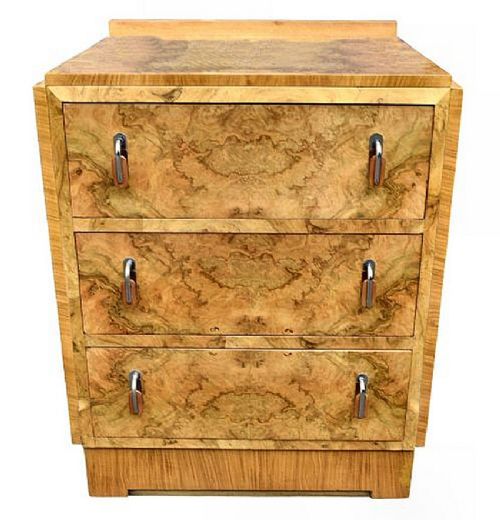
Cabinet makers utilised dense native timbers overlaid with figured veneers to create striking surface patterns across the front of each drawer. Walnut, burr walnut, and oak form the structural core, while maple, satinwood, and pale mahogany provide contrasting tones.
Metal components such as solid brass handles, chrome fittings, and occasional bakelite details punctuate the wooden surfaces. French polish and clear lacquers were applied to protect the timber and accentuate the natural figuring of the grain.
The timeline spans from nineteen-twenty through to nineteen-fifty, capturing both Swedish Grace and classic British interpretations.
What varies in quality
The choice of veneer defines the visual hierarchy of these tall cabinets, with matched burr walnut and birds-eye maple sitting at the upper end of decorative impact. Simpler quartersawn oak or plain mahogany represent more utilitarian builds from the same period.
Fitted interiors and secondary storage compartments elevate the utility and complexity of a piece. Simple five-drawer chests contrast with elaborately partitioned compactums and secretaire cabinets that require intricate internal joinery.
Betty Joel·Heal's
The Art Deco Tallboy Cabinet Glossary
- Tallboy
- A tall chest of drawers, often standing on a base or combining a cupboard section above drawers. This form maximises storage whilst maintaining a narrow footprint in the room.
- Compactum
- A fitted wardrobe or multi-compartment cabinet designed to hold a variety of clothing types within a single unit. These pieces frequently include internal shelving and smaller drawers.
- Burr walnut
- Timber taken from the warted growths on walnut trees, yielding highly swirling and complex grain patterns. Furniture makers prized this wood for decorative drawer fronts.
- Secretaire
- A cabinet incorporating a pull-down writing flap that conceals small pigeonholes and drawers. This hybrid form bridges the function of a desk and a tall chest.
- Bakelite
- An early synthetic plastic utilised for handles and decorative trims during the period. Its deep dark finish complements polished wood surfaces.
Art Deco Tallboy Cabinet: Frequently Asked Questions
What is an art deco tallboy cabinet used for?
These cabinets serve primarily as bedroom or dressing room storage, holding folded garments, linen, or personal items within their stacked drawers. Their vertical design provides substantial capacity without demanding excessive floor space.
Beyond domestic storage, the decorative grain and architectural silhouette allow the furniture to function as a focal point in a hallway or living space.
How do I date an art deco tallboy cabinet?
Most pieces date from the nineteen-twenties through to the nineteen-forties, reflecting the peak years of the style. Structural clues include the use of solid oak, figured walnut veneers, and metal hardware such as chrome or brass.
Markings from specific retailers or workshops can occasionally confirm the decade of production. Stylistic shifts range from heavier nineteen-twenties proportions to the lighter blonde maples of the nineteen-thirties.
Are these cabinets made from solid wood?
Makers constructed the main carcasses and internal frames from sturdy timbers like oak, while applying decorative veneers to the visible exterior surfaces. Burr walnut, satinwood, and maple veneers created the characteristic patterned fronts seen on the drawers.
This technique prevented warping across large expanses of wood while allowing craftsmen to display symmetrical grain patterns.
Where should I place a tallboy in a room?
Because of their height, these cabinets suit corners or solid wall spaces where vertical furniture balances low seating and beds. Positioning them away from direct sunlight protects the delicate walnut and maple veneers from fading.
Allowing sufficient clearance around the doors and drawers ensures functional access to all internal compartments.