

Art Deco Chest
When choosing an art deco chest, you select a piece defined by geometric harmony and warm veneers.
Art Deco Chest
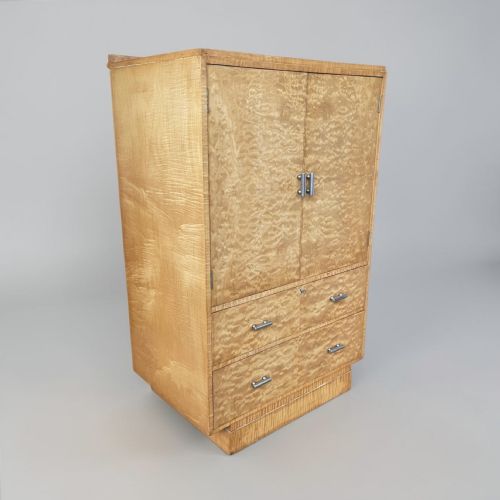
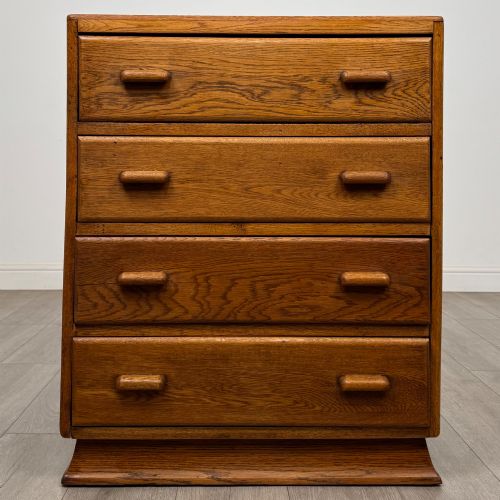
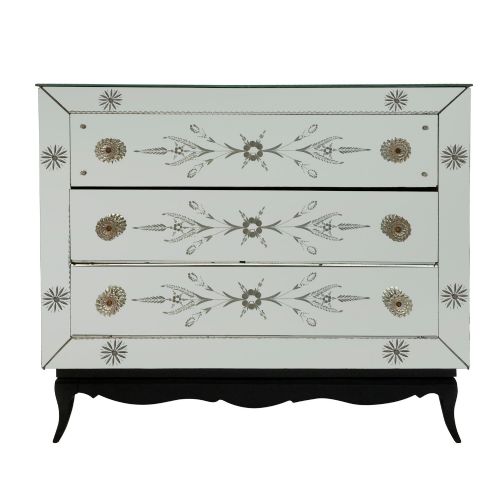
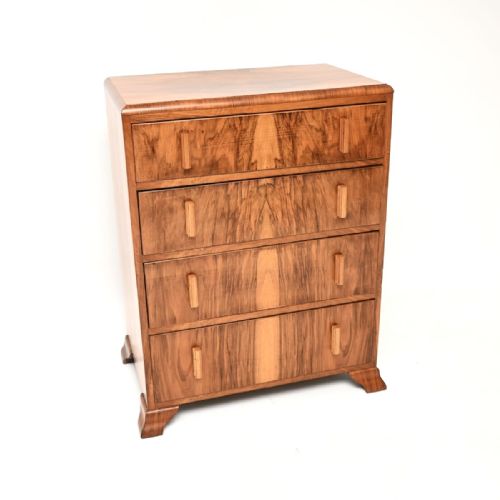
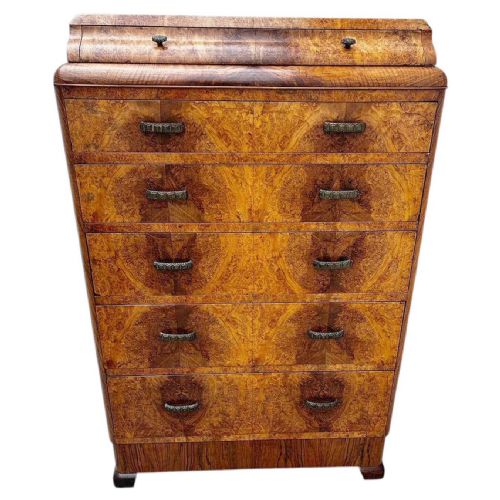
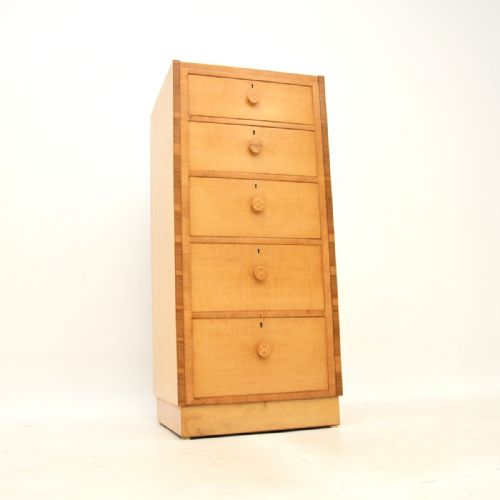
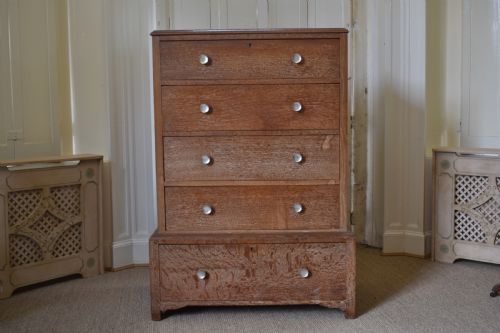
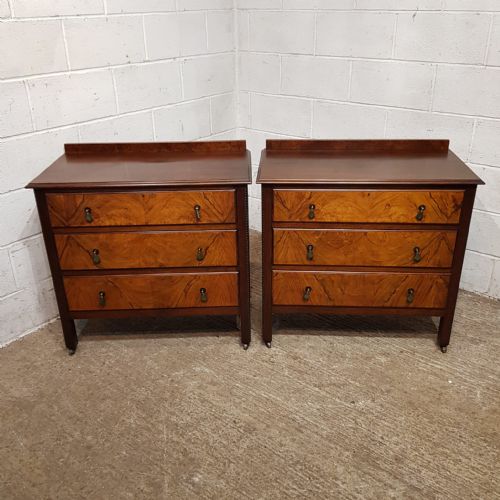
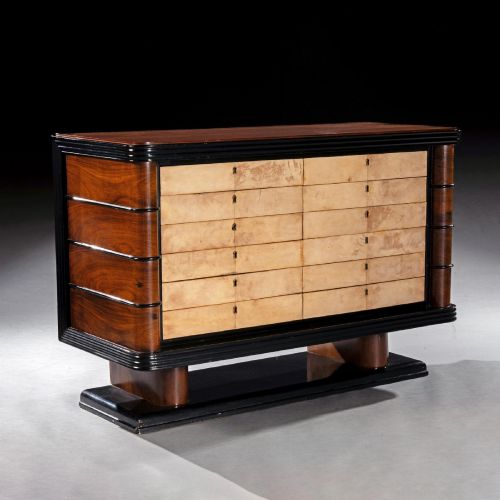
An art deco chest brings geometric rigour and striking wood grains into domestic spaces, most frequently appearing as a horizontal chest of drawers or a vertical tallboy from the interwar period. The forms rely on clean architectural lines, stepped carcases, and symmetrical drawer arrangements that emphasise the natural figure of the wood.
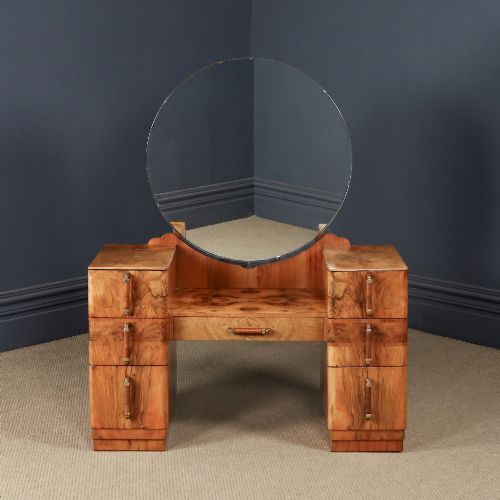
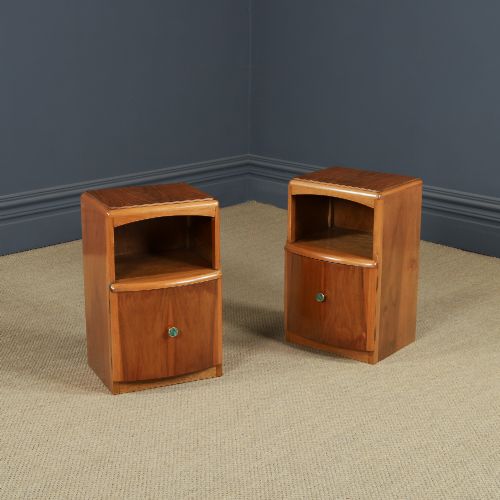
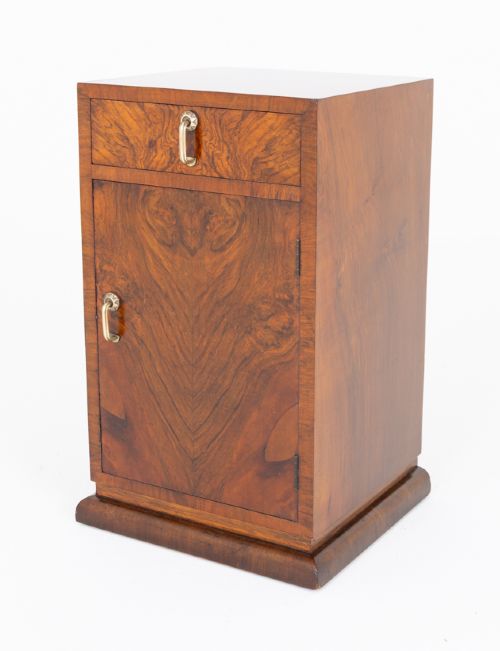
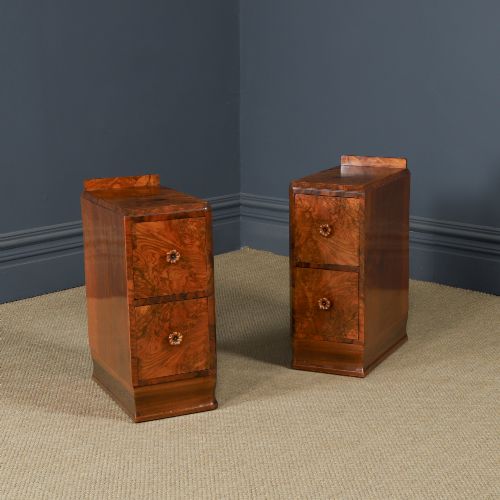
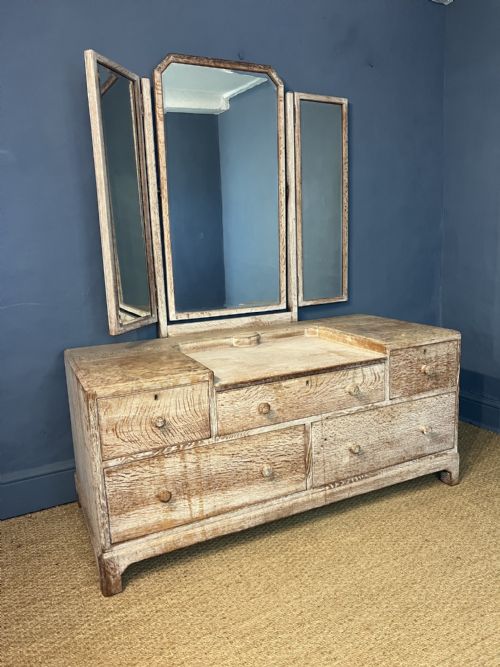
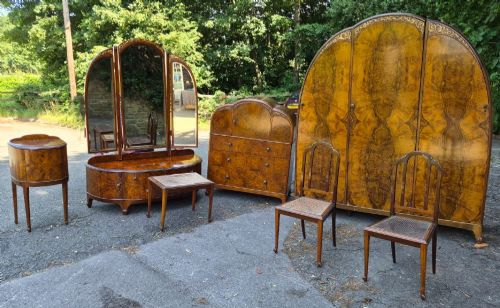
Beyond standard drawer units, the selection frequently includes matching bedside cabinets, dressing tables with original mirrors, and specialised drinks cabinets. These pieces span the 1920s and 1930s, often drawing on French modernism or British oak craftsmanship to create functional storage with distinct stylistic presence.
Makers and workshops of the period utilised specialised cabinetry to turn utilitarian storage into sculptural focal points for the bedroom or drawing room. Whether built in compact oak for modest rooms or executed in grand proportions, each piece reflects the prevailing modernist taste for uncluttered surfaces.
Materials and Construction
Makers relied heavily on figured veneers, applying burr walnut, sycamore, satinwood, and maple over sturdy carcases to achieve rich patterns across broad drawer fronts. Solid oak and limed oak also appeared frequently, particularly in British productions that favored lighter tones and visible grain textures.
Hardware played a functional and decorative role, incorporating contrasting metals, brass accents, and occasional applications of bakelite or parchment. Surface finishes were carefully polished to highlight the natural movement in the timber without obscuring the grain.
Some dressing chests include hidden compartments once reserved for secret love letters and vintage powder compacts.
Evaluating Craftsmanship
Quality rests on the selection and matching of veneers across the drawer fronts, where superior examples display symmetrical grain patterns that flow seamlessly from one drawer to the next. The integration of secondary timbers and the precision of the joinery within the drawer linings separate standard production furniture from high workshop output.
The sophistication of the hardware and the integrity of the original finish dictate the overall standard of a piece. Fine examples maintain their original polished surfaces and specialised decorative details, such as parchment inlays or contrasting stringing, without modern alterations.
Hille·Gomme·Frank Taylor and Co·Maurice Adams
The Art Deco Chest Glossary
- Tallboy
- A tall chest of drawers, often combining a wardrobe section or smaller drawers above deeper storage compartments. This form maximises vertical storage space while maintaining a compact footprint.
- Burr Walnut
- A specialised timber cut from walnut tree growths, producing swirling, highly decorative grain patterns. Cabinetmakers prize this material for creating striking visual symmetry on primary surfaces.
- Sycamore
- A pale hardwood utilised by interwar designers to achieve light, reflective surfaces that contrasted with darker woods like walnut. It often appears in pieces associated with major modernist retailers.
- Commode
- A low chest of drawers, frequently possessing French stylistic origins and ornamental proportions. The term denotes a decorative storage unit intended for prominent placement.
- Bakelite
- An early synthetic plastic utilised for handles, decorative trim, and electrical fittings during the period. Its presence marks pieces tied to interwar industrial innovation.
Art Deco Chest: Frequently Asked Questions
How do I spot an original piece?
Authentic pieces from the period rely on construction methods typical of the interwar decades, including traditional dovetail joints and specific secondary timbers behind the drawer linings. Look for period-accurate materials such as heavy burr veneers, bakelite handles, and original brass fittings rather than modern reproductions.
The overall proportions should align with designs from the nineteen-twenties and nineteen-thirties, reflecting the architectural influences of the era. Makers often utilised specific regional timbers like oak or imported exotic veneers depending on the workshop origin.
Where should I place a tallboy?
A tallboy provides substantial vertical storage, making it well-suited for bedrooms or dressing areas where floor space is limited. Its height allows it to hold numerous drawers of clothing without dominating the room's horizontal sightlines.
Positioning the piece away from direct sunlight protects the delicate veneer surfaces from fading over time. Pairing it with matching bedside cabinets creates a cohesive arrangement across the room.
What is the difference between walnut and burr walnut?
Standard walnut displays a relatively straight, predictable grain with moderate colour variations across large panels. It provides a subdued, elegant foundation for traditional and modernist furniture designs alike.
Burr walnut comes from a tree growth that creates dense, swirling patterns filled with knots and eyes. Cabinetmakers feature this highly decorative timber on prominent drawer fronts to create striking visual movement.
How do I care for wooden surfaces?
Maintaining these pieces requires keeping them away from excessive moisture and rapid temperature shifts that can cause veneer to lift. Regular dusting with a soft, dry cloth preserves the polished finish without building up unwanted residue.
Applying a quality microcrystalline wax occasionally helps nourish the historic timber and protects the surface from minor scratches. Avoid silicone-based sprays, as they can permanently alter the historic patina of the wood.