



Art Deco Table Sculpture
An art deco table sculpture captures the stylised geometry and movement of the interwar years on a domestic scale.
Art Deco Table Sculpture
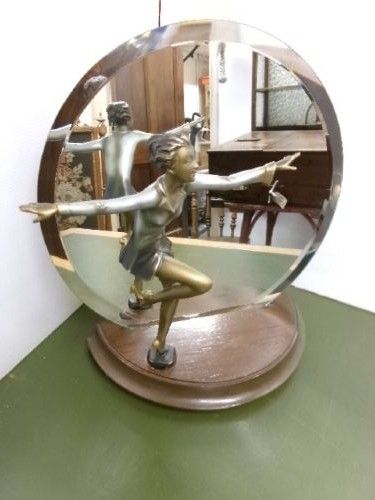
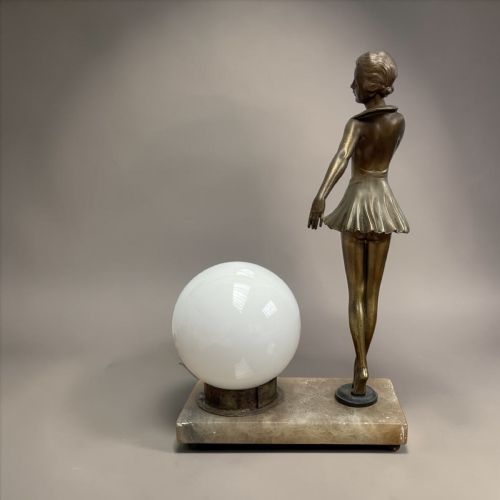
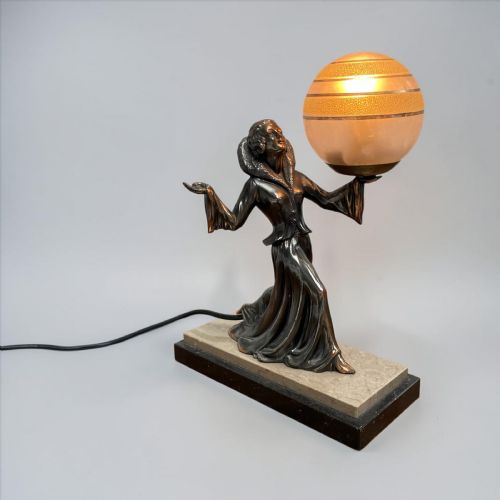
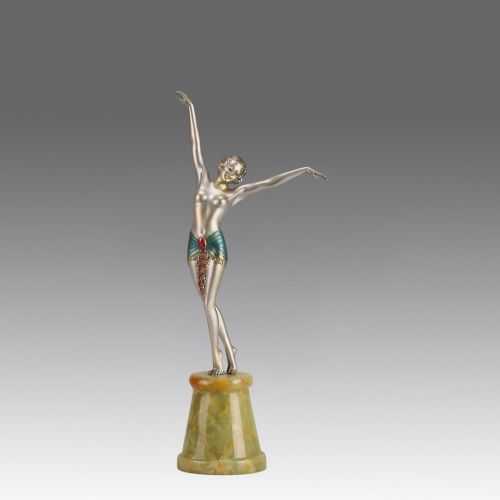
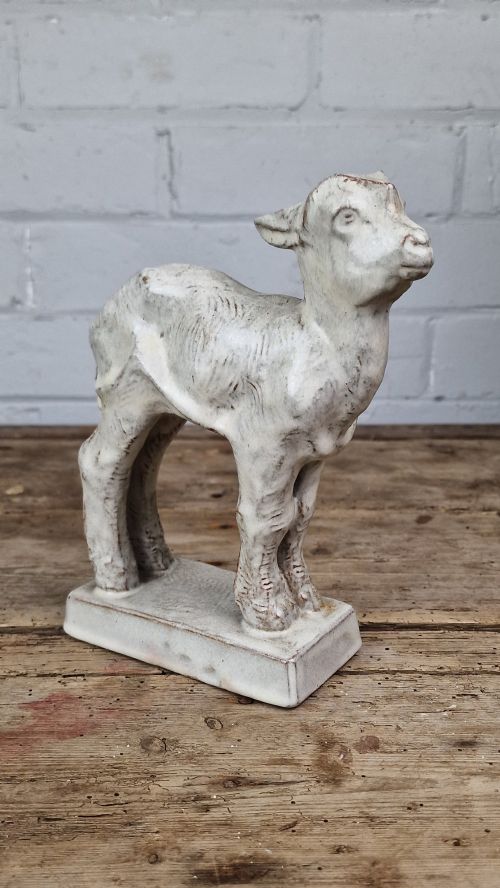
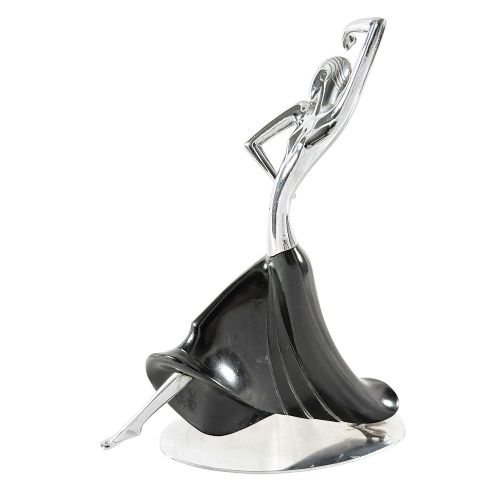
When you search for an art deco table sculpture, you encounter compact decorative works designed for placement on furniture surfaces rather than plinths. The most common manifestations on this page are figural bronzes, spelter dancers, and animal studies mounted upon marble or onyx bases.
Many of these pieces double as functional objects, integrating lighting elements, clocks, or cigarette lighters into their sculptural composition. Dancers, athletes, and animal figures predominate, reflecting the dynamism of the period spanning from the nineteen-tens through the nineteen-thirties.
Materials and construction methods
Makers utilised a diverse palette of metals, casting figures in bronze, spelter, and brass, frequently applying cold-painted, gilded, or silvered finishes to accentuate the surface details. These figures were then secured to heavy architectural bases formed from marble, onyx, or alabaster.
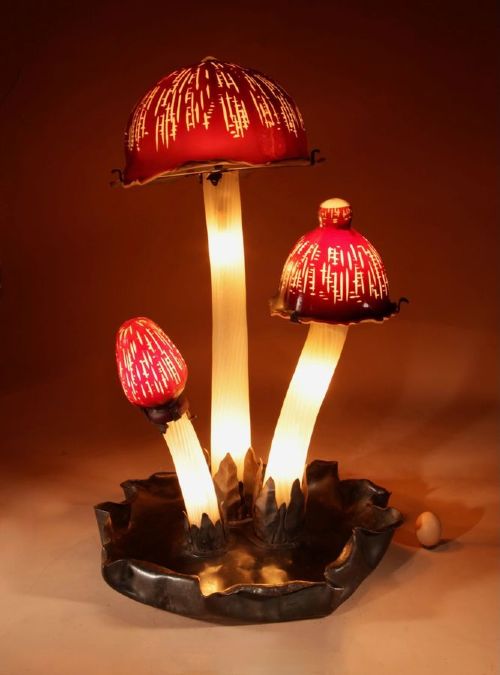
Alternative media appear alongside metalwork, including carved wood, terracotta, porcelain, and glass. The combination of mixed materials allowed workshops to produce complex figural groups and illuminated pieces with contrasting textures.
Art Deco Table Sculpture Retail Price Guide 2026
Typical asking prices for art deco table sculpture among the pieces listed under this phrase on Sellingantiques today, from the lower quarter to the upper quarter. They describe what is for sale here now, not the wider market.
Listings feature works spanning the nineteen-tens, nineteen-twenties, and nineteen-thirties, dominated by bronze and spelter figures mounted on marble and onyx.
Distinctions in quality
Quality rests upon the crispness of the casting and the fidelity of the chasing work on metal surfaces. Superior examples retain their original cold-painted or patinated finishes intact without extensive wear or overpainting.
The choice and integration of the base material also mark the tier of a piece. Dense, well-polished marble and onyx mountings paired with signed metalwork distinguish the finest sculptures from standard commercial production.
Josef Lorenzl·Bruno Zach·Demetre Chiparus·Ferdinand Priess·Guido Cacciapuoti
The Art Deco Table Sculpture Glossary
- Spelter
- A zinc alloy commonly utilised as a less expensive alternative to bronze during the interwar period. It is often patinated to simulate other metals.
- Cold-painted
- A technique where paint is applied to a bronze or metal object without subsequent firing. This surface decoration is susceptible to rubbing over time.
- Chasing
- The manual finishing of a metal casting using small punches and chisels to sharpen details and remove surface flaws. Master chasers brought immense depth to the clothing and hair of figural pieces.
- Patination
- The chemical or natural alteration of a metal surface over time, creating a distinct colour tone. Original patination is central to the character of cast metal sculptures.
- Veilleuse
- A type of small night light or decorative lamp popular in French interiors. These pieces often incorporate translucent porcelain or glass elements.
Art Deco Table Sculpture: Frequently Asked Questions
What is the difference between bronze and spelter?
Bronze is a heavy, durable copper alloy that takes fine detail during casting and accepts patination well. Spelter is a softer, zinc-based metal that was frequently used for mass-produced figures.
Spelter pieces are lighter and more brittle than bronze, and they generally require more careful handling to prevent surface damage.
How were these sculptures displayed originally?
These pieces were designed to sit on mantelpieces, side tables, and desks within domestic interiors. Many served a dual purpose as functional items such as clocks, lamps, or lighters.
Their compact scale allowed them to integrate easily into the living spaces of urban apartments and suburban homes.
Are lamps and lighters considered sculptures?
Yes, many workshops integrated mechanical functions directly into figural designs. A lamp or a cigarette lighter often functioned primarily as a decorative statuette.
The sculptural form remained the dominant visual element even when housing a light bulb or a fuel reservoir.
How do I identify the period of a piece?
Dating relies on stylistic markers such as the posture of dancers, the geometry of the base, and the choice of materials. Pieces from the nineteen-twenties and nineteen-thirties favour stylised human forms and streamlined animal subjects.
Signatures from known sculptors and foundry marks also provide direct evidence for chronological placement.