


Art Deco Standard Lamp
An art deco standard lamp brings functional vertical lighting and geometric form into a room, offering both ambient glow and period character.

Art Deco Standard Lamp
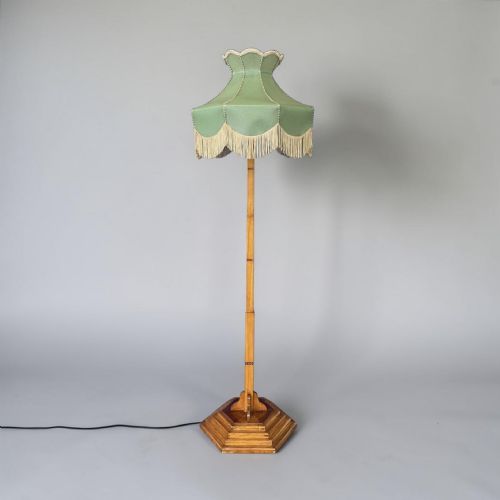
An art deco standard lamp is a tall floor-standing lighting fixture designed to illuminate large spaces while adding distinct period style to an interior. The selection centres heavily on pieces originating from the 1920s and 1930s, encompassing standard lamps, floor lamps, and specialised torcheres.
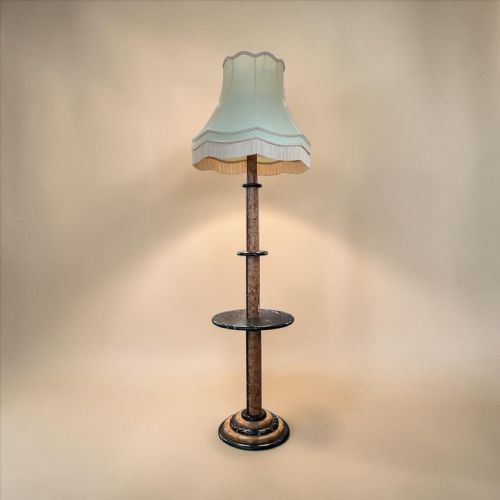
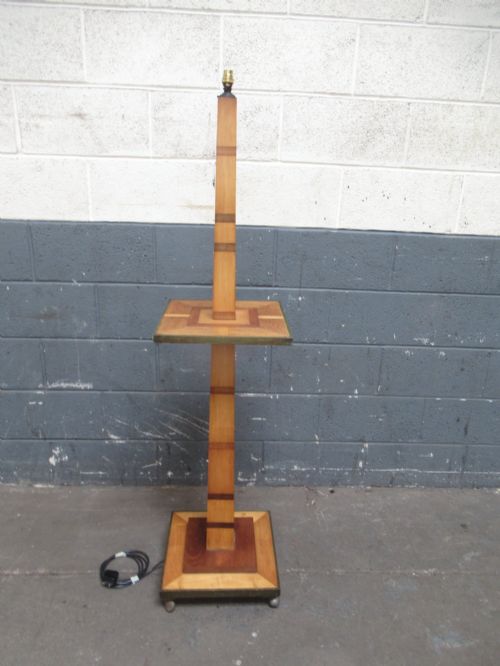
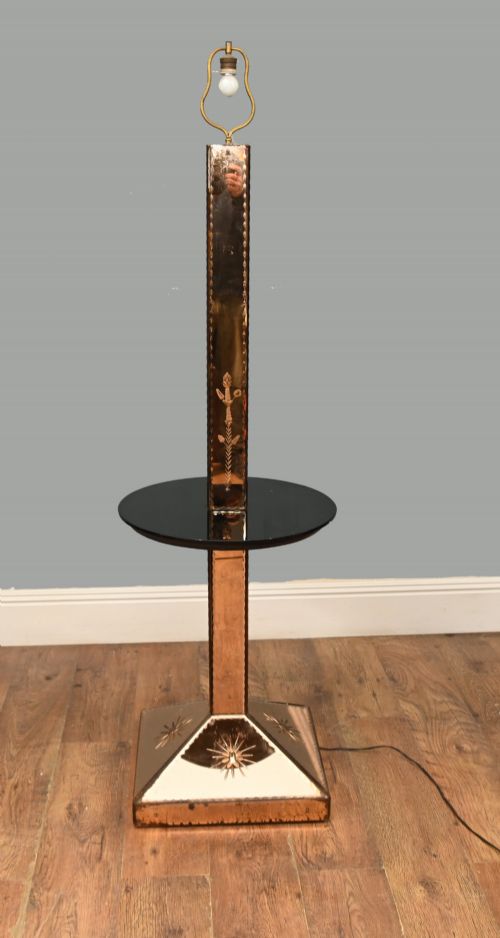
Many examples incorporate integrated tables, glass cocktail surfaces, or shelving directly into the upright stand, serving dual purposes in a living space. These functional combinations reflect the practical yet stylish design ethos of the era.
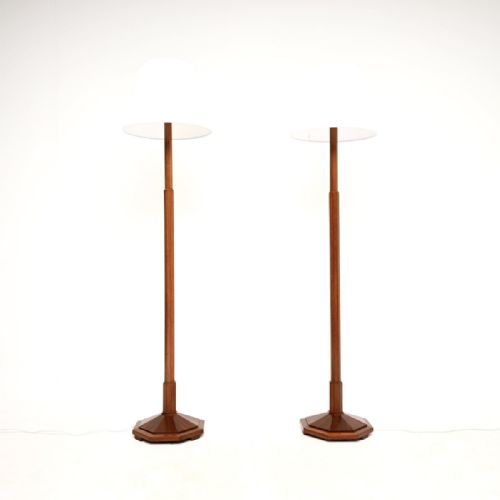
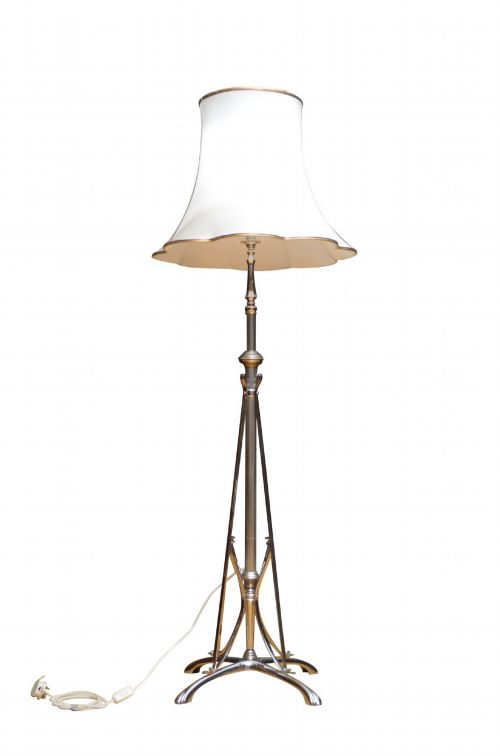
Makers and designers of the period produced these floor-standing lights in various configurations, including adjustable chrome uplighters and fixed wooden posts. Walnut, oak, and chrome emerge as the dominant structural choices across the inventory.
Evaluating Quality and Design
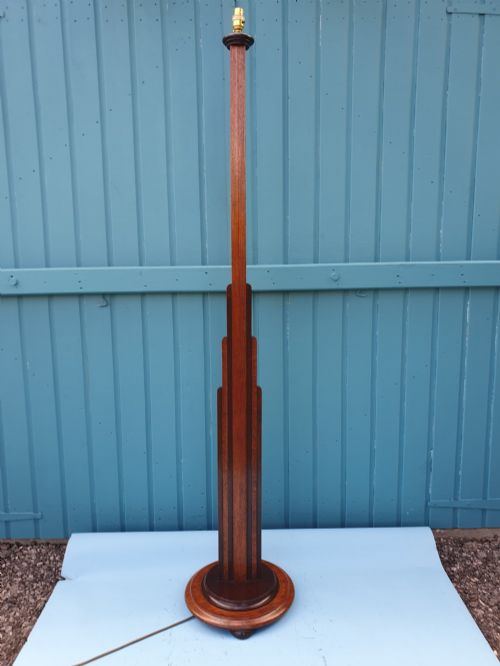
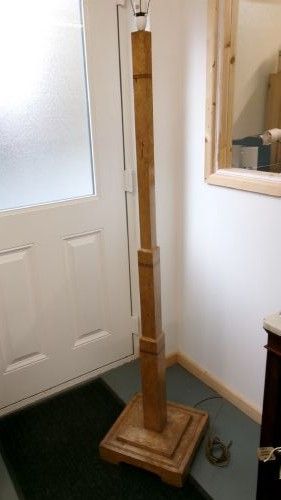
The distinction between standard execution and finer production lies in the ambition of the architectural silhouette and the selection of materials. Elaborate stepped skyscraper forms and rich burr walnut veneers demonstrate superior craftsmanship compared to simpler turned posts.
The integration of secondary functions, such as built-in glass cocktail tables, shelving, or adjustable brass and chrome mechanisms, separates utilitarian pieces from more sophisticated studio designs. Maker attribution, visible in documented pieces by firms such as Harry and Lou Epstein or GEC, elevates the standing of a lamp.
The treatment of secondary timbers and the precision of geometric inlay, such as ebony details on oak, indicate the level of care invested during manufacture. Original shades and fittings further distinguish preserved examples from modified ones.
Art Deco Standard Lamp Retail Price Guide 2026
Typical asking prices for art deco standard lamp among the pieces listed under this phrase on Sellingantiques today, from the lower quarter to the upper quarter. They describe what is for sale here now, not the wider market.
Listings feature standard lamps constructed from brass, fabric, oak, walnut, chrome, metal, glass, and wood.
Harry and Lou Epstein·GEC
The Art Deco Standard Lamp Glossary
- Torchiere
- A tall floor lamp that directs light upwards toward the ceiling to provide indirect ambient illumination. These fixtures often feature prominent bowl-shaped shades.
- Skyscraper Style
- An architectural and decorative influence characterised by stepped vertical setbacks that mimic modern city skylines. This aesthetic defines many oak and walnut standard lamps from the era.
- Standard Lamp
- A traditional British term for a floor-standing lamp designed to sit beside furniture and hold a fabric shade. They form the core category of vertical lighting fixtures found here.
- Standard Lamp Table
- A dual-purpose furnishing that combines a vertical lighting column with an integrated small table surface. These hybrid pieces often feature glass, marble, or wooden tops.
Art Deco Standard Lamp: Frequently Asked Questions
How do I place an art deco standard lamp?
Position the lamp beside armchairs or sofas where its height can distribute ambient light effectively across a seating area. Models featuring integrated tables work particularly well in corners or beside low furniture where surface space is useful.
Ensure the cord reaches a wall socket safely without creating a hazard across walking paths. Pairing the fixture with complementary period furniture enhances the cohesive look of the room.
What distinguishes 1920s and 1930s designs?
Pieces from the 1920s often lean towards streamlined brass and adjustable metal mechanisms, reflecting early modernist industrial shifts. The subsequent decade introduced bolder stepped skyscraper silhouettes and rich burr walnut or oak veneering.
Both periods utilise geometric lines, but the later 1930s examples frequently emphasise heavier architectural mass and integrated glass shelving.
Were these lamps used with tables originally?
Many period pieces were manufactured specifically as combined lamp tables, incorporating wooden, glass, or marble surfaces directly into the upright stand. These dual-purpose designs served practical needs in compact interwar living spaces.
The added surface area provided a convenient spot for drinks or smoking accessories within arm's reach of a chair.
How do uplighters differ from standard shades?
Uplighters project light straight up toward the ceiling using specialised bowls or open-topped metal shades, creating indirect room illumination. Standard lamp configurations typically employ fabric, silk, or parchment shades that diffuse light laterally into the space.
Chrome and brass uplighters often feature adjustable stems to control the direction and intensity of the light beam.