





Art Deco Silver Tableware
Art deco silver tableware brings clean geometric lines and striking modernist forms to the dining table, offering both solid sterling and plated service pieces.
Art Deco Silver Tableware
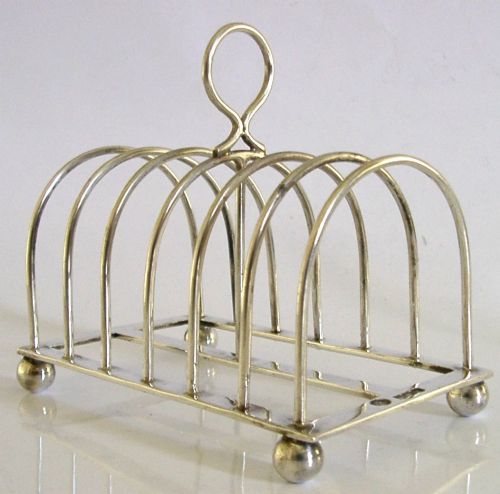
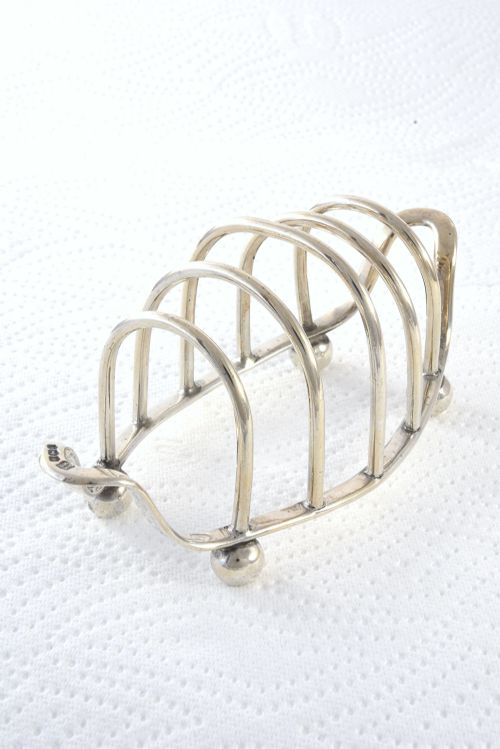
Art deco silver tableware encompasses functional dining accessories such as napkin rings, toast racks, sauce boats, condiment sets, and sugar bowls produced primarily during the interwar decades. Buyers seek these specific dining items to introduce distinct period character and functional elegance into contemporary table settings.
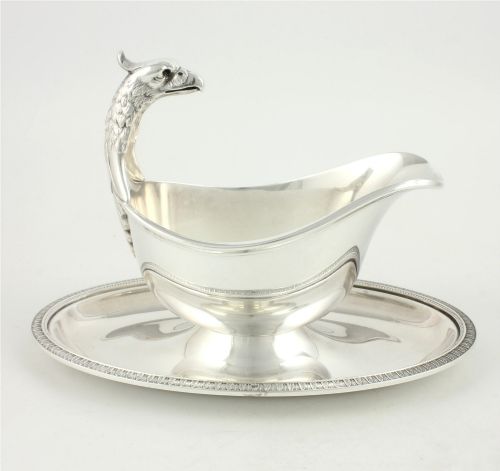
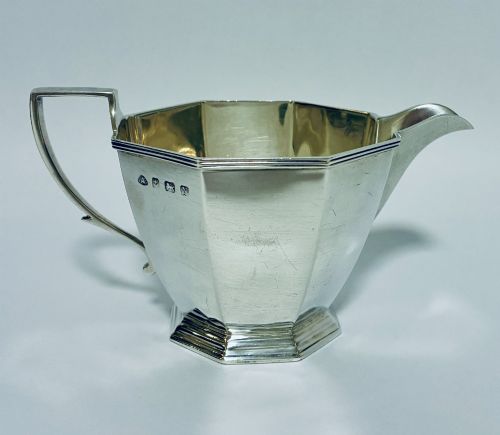
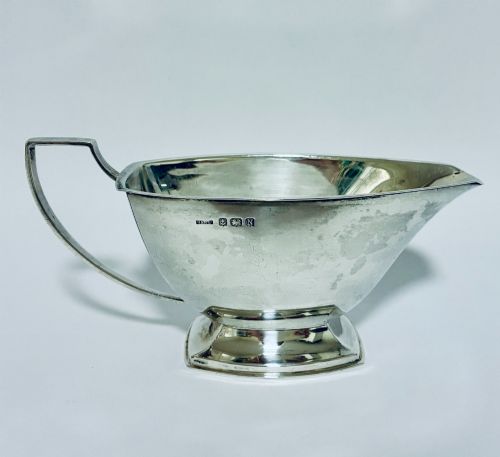
The objects appearing here derive mainly from the nineteen-twenties and nineteen-thirties, spanning English, French, and Scandinavian workshops. English sterling pieces with clear hallmarks sit alongside French silver-plated servers and Danish silver designs, showing the broad geographic scope of modernist dining ware.
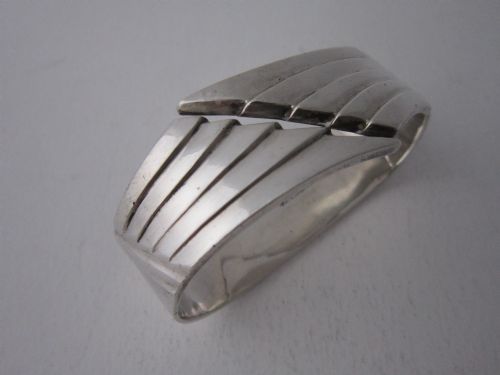
Napkin rings, toast racks, and condiment sets form the most frequent encounters on this page, often found cased or in matched pairs. These smaller serving articles capture the essence of the style without requiring a full dining service.
Materials and construction
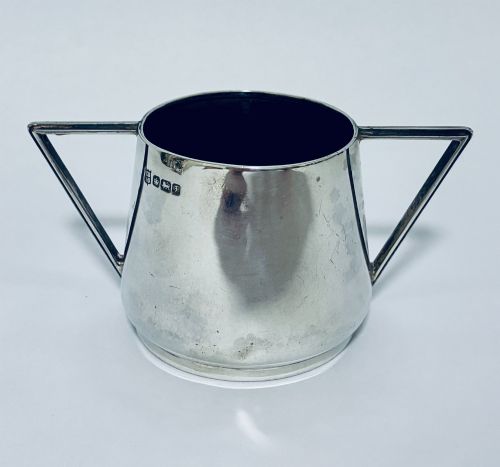
Makers utilised solid sterling silver and silver plate as the primary metal foundations, often pairing them with contrasting materials like cobalt glass liners, cut glass vessels, and enamel. These metal surfaces frequently display sharp angles, stepped profiles, and minimalist ornamentation characteristic of the period.
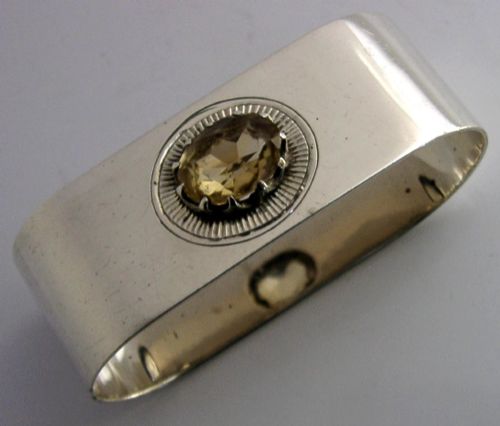
Specialised techniques such as guilloche enamelling and precise silver-gilt work added colour and texture to items like napkin rings and tea strainers. Silversmiths also incorporated structural glass components into condiment sets, dessert dishes, and preserve pots to contrast with the polished metal framework.
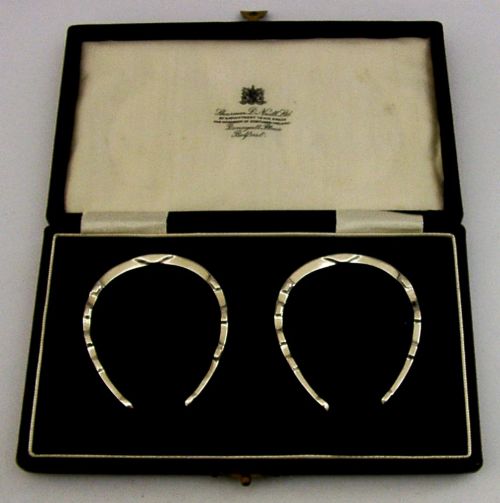
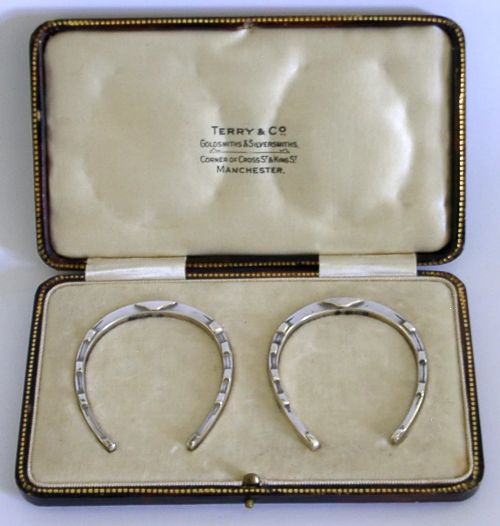
Among the tabletop accessories are miniature horseshoes turned into napkin rings and a pagoda-shaped mustard pot.
Markers of distinction
Quality in these dining pieces rests upon the crispness of the geometric chasing, the weight of the metal, and the integrity of any fitted glass liners. Pieces bearing clear hallmarks from established makers or prominent retail houses demonstrate superior workshop standards.
The retention of original fitted presentation cases and matched sets elevates the desirability of items like napkin rings and toast racks. Surviving enamel work and uncompromised structural plating separate standard production items from finer studio examples.
Christofle Gallia·William Neale·Mappin and Webb·Georg Jensen·Viners·David Andersen·Walker and Hall·Elkington and Company·Henry Wilkinson·R. E. Stone
The Art Deco Silver Tableware Glossary
- Sterling silver
- A silver alloy containing 92.5 percent pure silver by mass, widely stamped with official assay office hallmarks in British pieces.
- Silver plate
- A base metal substrate coated with a thin layer of pure silver, common in larger serving dishes and tea sets.
- Toast rack
- A table accessory fitted with multiple upright metal dividers designed to hold slices of toast upright.
- Condiment set
- A matched grouping of small open containers and shakers holding salt, pepper, and mustard, often complete with glass liners and spoons.
- Guilloche enamel
- Decorative metalwork covered in translucent enamel over an engine-turned geometric pattern engraved into the silver.
Art Deco Silver Tableware: Frequently Asked Questions
What pieces are included in a condiment set?
A condiment set typically comprises small open salt cellars, mustard pots with spoons, and pepper shakers intended for table seasoning. Many examples include fitted cobalt blue glass liners and matching silver spoons.
These sets reflect the structured dining habits of the interwar period, keeping essential seasonings coordinated and presented in matched metal frames.
How do I identify the date of a silver piece?
English silver relies upon official assay office hallmarks, including a date letter stamp that corresponds to the specific year of testing and certification. Maker's marks and town marks accompany these stamps to confirm origin.
Continental and plated items may use registration numbers, model numbers, or retailer stamps instead of traditional British hallmarks to indicate their production era.
How were toast racks used on the dining table?
Toast racks held freshly made toast vertically at the breakfast table to prevent the steam from softening the slices before serving. The individual dividers kept each piece separate and crisp.
In modern settings, these racks often find new utility holding letters, napkins, or toast during weekend brunches.
What is the difference between solid silver and silver plate?
Solid sterling silver consists of the same precious metal alloy throughout its structure, carrying official purity marks and heavier weight. Silver plate applies a thin coating of pure silver over a durable base metal core.
Both materials formed the basis of modernist tableware, with plated versions allowing larger serving pieces like biscuit boxes and ice servers to remain functional yet accessible.