



Art Deco Silver Mirror
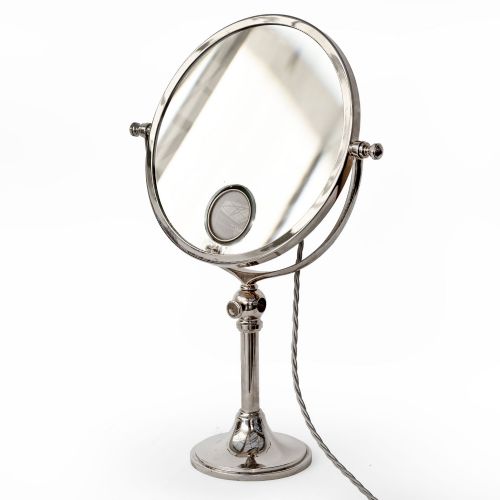
An art deco silver mirror brings geometric elegance and period charm to any interior through polished metal and reflective glass.
Art Deco Silver Mirror
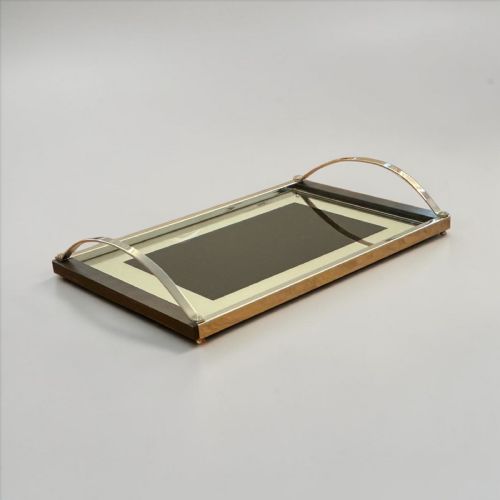
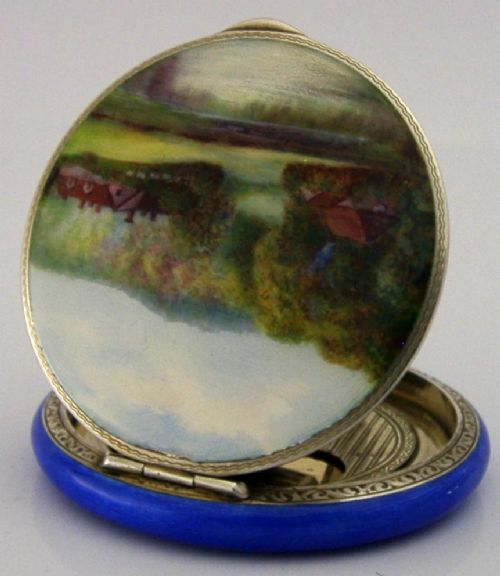
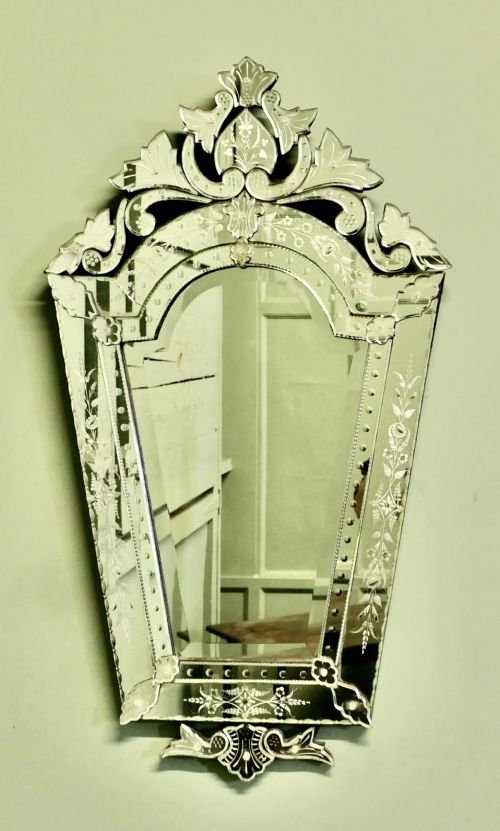
When searching for an art deco silver mirror, buyers encounter a diverse selection ranging from handheld vanity items to large wall-mounted pieces. The inventory includes smaller compacts, purses, and hand mirrors alongside substantial French and English dressing table accessories.
Many examples incorporate sterling silver, silver plate, or chrome frames paired with glass and mirrored surfaces. Originating predominantly from the nineteen-twenties and nineteen-thirties, these objects reflect the sleek, modern design ethos of the interwar period.
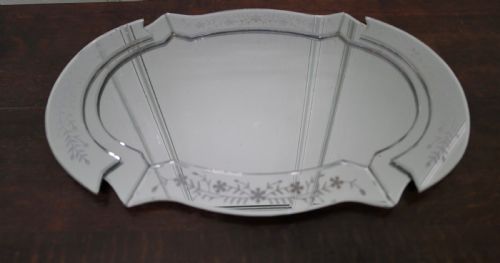
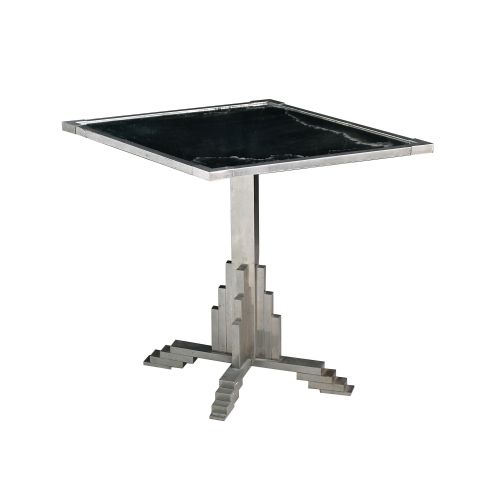
Regional variations span British manufactured pieces bearing provincial hallmarks to French wall trays and American vanity items. Wall mirrors and compacts frequently display the characteristic symmetry, stepped profiles, and clean lines definitive of the style.
How they were made
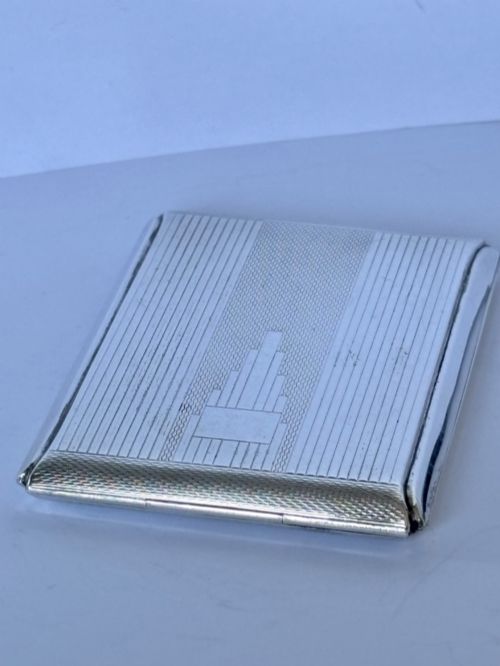
Craftsmen utilised sterling silver, silver plate, and chrome to form the structural frames and decorative mounts of mirrors and vanity items. Metalworking techniques such as casting, engine turning, and etching created textured geometric patterns across surfaces.
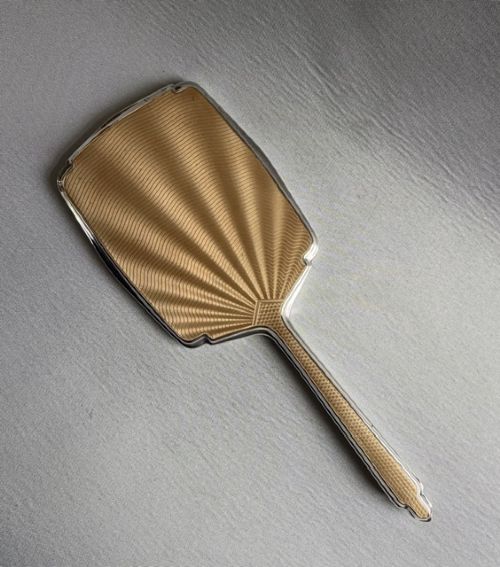
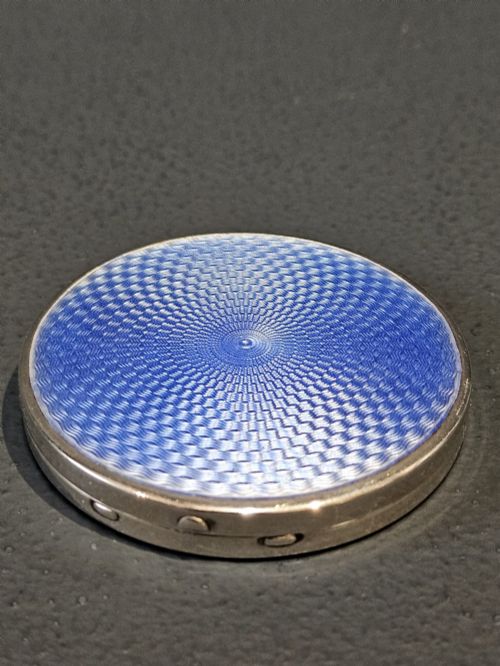
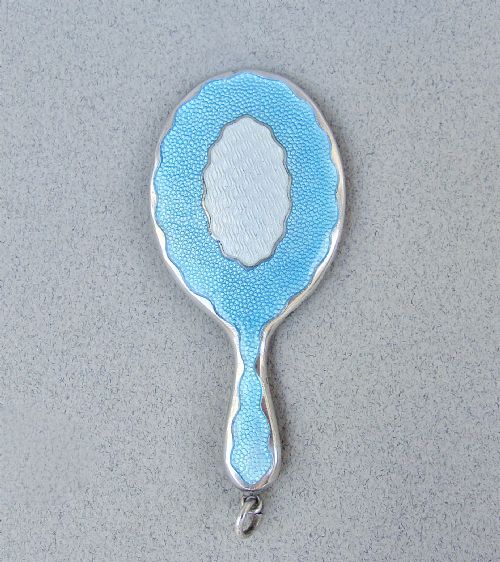
Vibrant colour was frequently introduced through guilloche enamel applied over patterned metal grounds in shades of blue, pink, green, and yellow. Glass components were precision-cut, bevelled, or silvered to achieve clean reflections suited to domestic dressing tables and walls.
Art Deco Silver Mirror Retail Price Guide 2026
Typical asking prices for art deco silver mirror among the pieces listed under this phrase on Sellingantiques today, from the lower quarter to the upper quarter. They describe what is for sale here now, not the wider market.
Listings feature items dated across the Edwardian era, 1900, 1910, 1920, 1930, and 1950.
What varies in quality
The standard of an art deco silver mirror depends heavily on the crispness of the metalwork and the preservation of any applied enamel. Superior examples exhibit finely executed engine turning, unblemished guilloche surfaces, and robust hinges or stands that function smoothly.
Maker marks and clear silver hallmarks often distinguish finer workshop production from mass-market alternatives. Additionally, the clarity of the original glass and the absence of foxing or silver loss across the reflective surface dictate overall desirability.
Henry Williamson·Henry Matthews·Harrison And Hipwood·Hasset And Harper·Alexander Clark
The Art Deco Silver Mirror Glossary
- Guilloche enamel
- A decorative technique where intricate geometric patterns are mechanically engraved into metal and covered with translucent coloured enamel. This method was widely used on compacts and hand mirror backs during the interwar period.
- Engine turning
- A precision machining process used to engrave repetitive geometric patterns onto metal surfaces. It provides a tactile, light-catching texture on silver vanity cases and mirror frames.
- Silver plate
- A layer of pure silver bonded to a base metal core, such as copper or nickel brass. This technique offered an accessible alternative to solid sterling silver for larger trays and dressing table mirrors.
- Triptych mirror
- A three-panel dressing table mirror featuring a central glass plate flanked by two adjustable hinged side wings. This form allowed users to view themselves from multiple angles.
- Bevelling
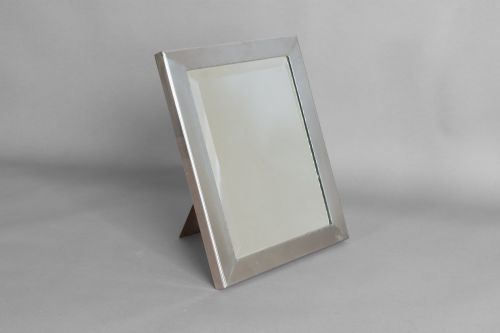
- The practice of grinding and polishing the outer edges of a mirror glass at an obtuse angle. This traditional detail adds visual depth and catches light along the perimeter of the frame.
Art Deco Silver Mirror: Frequently Asked Questions
How do I identify an authentic art deco silver mirror?
Authentic pieces usually display period hallmarks, maker stamps, or registration numbers stamped into the metal frame. The construction relies on interwar manufacturing techniques like engine turning and guilloche enamelling rather than modern casting methods.
Stylistic indicators include stepped geometric outlines, symmetrical motifs, and modernist typography. Comparing the piece against documented examples from the nineteen-twenties and thirties helps confirm authenticity.
How should I clean guilloche enamel and silver?
Silver frames benefit from gentle cleaning with a specialised microfibre cloth and mild silver polish, avoiding direct contact with any enamel surfaces. Enamel requires only soft wiping with a damp cloth to prevent scratching the translucent glass layer over the engraved metal.
Harsh chemical dips and abrasive pastes must be avoided entirely as they strip protective patinas and damage delicate coloured glass coatings. Professional restoration is recommended for compromised enamel.
Where were most of these mirrors made?
The majority of hallmarked silver pieces originate from British silversmiths operating in manufacturing centres such as Birmingham and London. Continental European pieces, particularly from France, often focus on decorative wall trays and large vanity mirrors.
American workshops also contributed significant quantities of chrome and sterling items during the same interwar decades. Each region employed distinct design characteristics while adhering to the broader movement.