


Dressing Table Vanity Set
A dressing table vanity set brings together the small personal accessories and fitted boxes that organised the Victorian and Art Deco dressing room.
Dressing Table Vanity Set
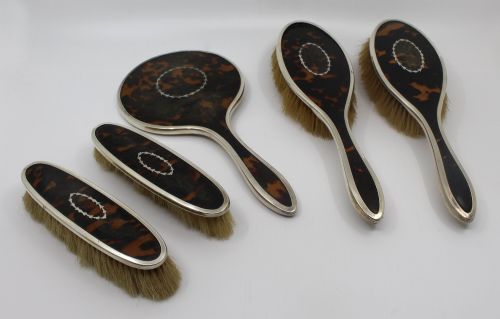
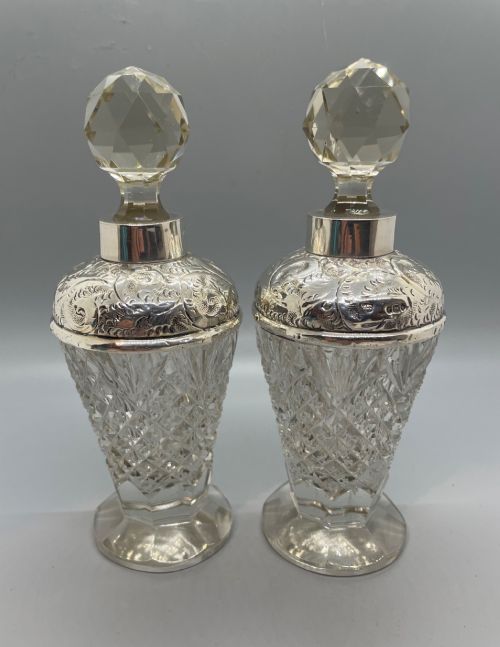
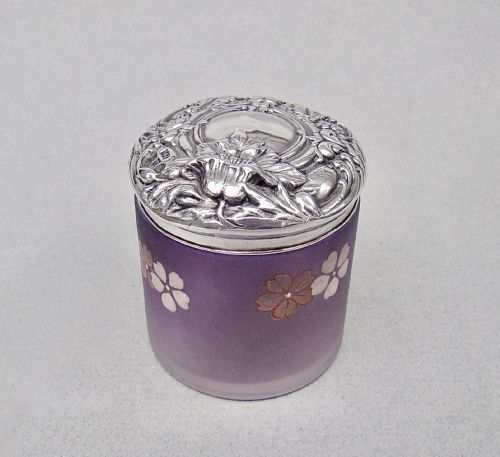
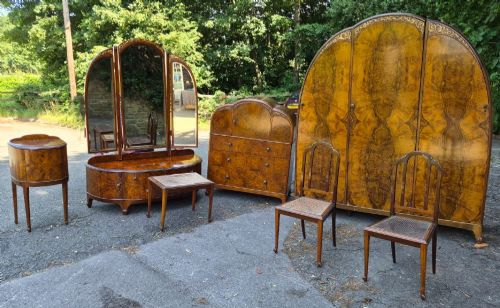
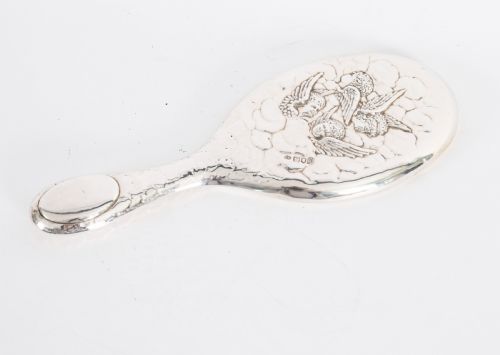
A dressing table vanity set encompasses coordinated groupings of brushes, mirrors, jars, and scent bottles, alongside larger bedroom furniture suites designed for personal grooming. These items emerge from periods ranging from the nineteenth century through the Edwardian era and into the Art Deco years of the nineteen-thirties.
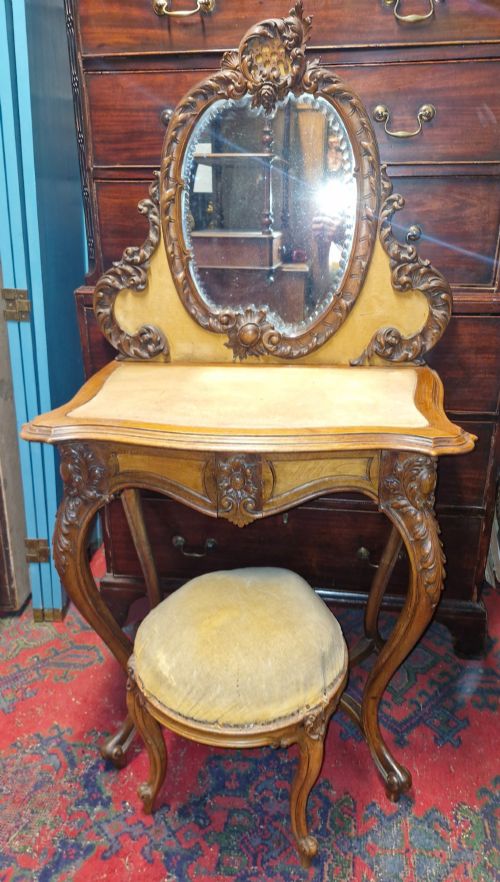
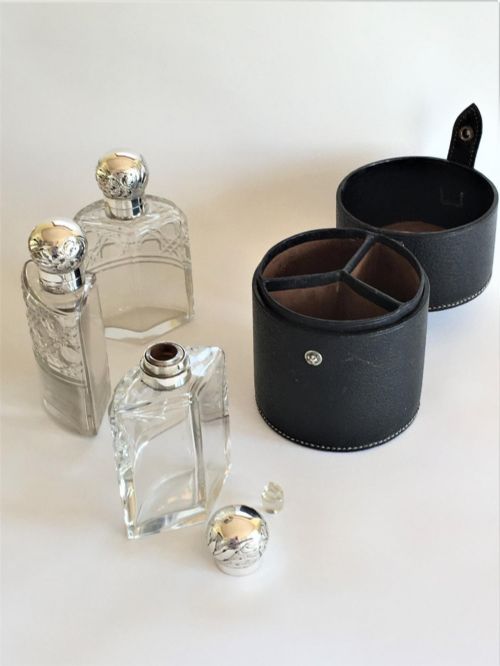
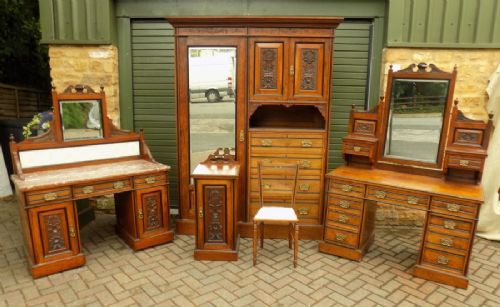
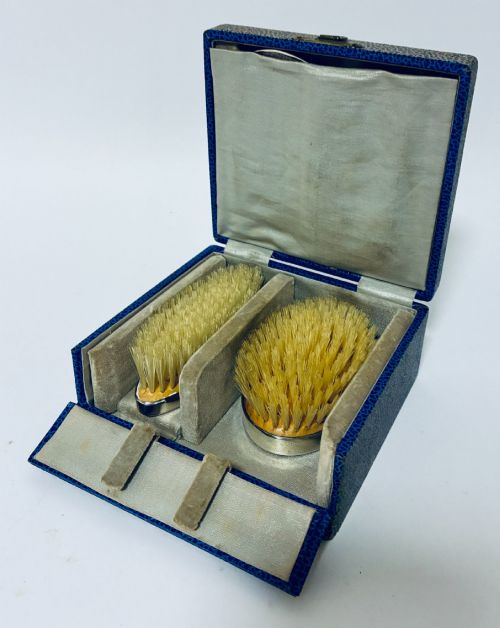
The objects take many forms, from cased travelling cologne bottle trios and silver shaving kits to ceramic perfume sets and carved walnut dressing tables with matching stools. Buyers encounter both individual matched accessories and comprehensive multi-piece bedroom suites equipped for daily toilette routines.
How They Were Made
Maker workshops utilised solid and burr walnut, oak, rosewood, and coromandel for furniture frames and fitted cases, often incorporating marquetry, ormolu mounts, and hand-carved details. Interiors lined with velvet held glass vessels securely in place during travel or daily use.
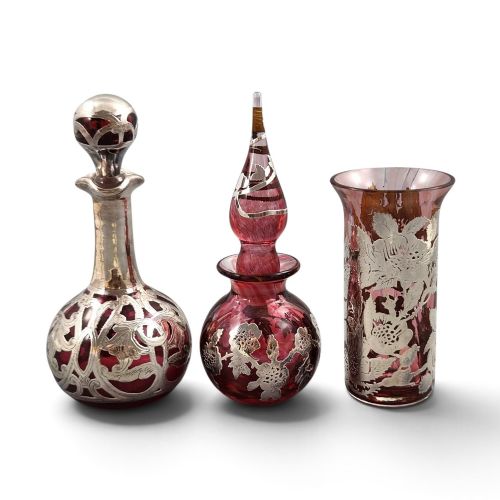
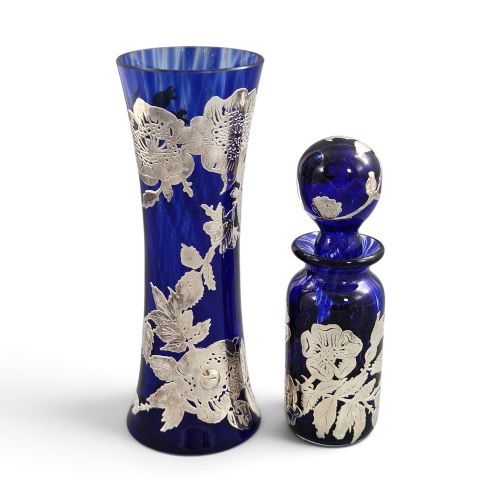
Metalwork and decorative surfaces relied on sterling silver, gilt bronze, champleve, and silver overlays applied to cut glass, cobalt glass, and ruby glass. Enamel, particularly guilloche enamel in pink and other tones, provided colourful decoration for mirror backs, brush handles, and jar lids.
Object types recorded in the inventory range from standalone scent bottles and travel cases to full bedroom furniture suites.
What Varies in Quality
The standard of a dressing table vanity set depends upon the precision of its metal mounts, the clarity of its cut glass, and the integrity of any enamel work. Pieces retaining their original fitted cases or complete multi-piece matching arrangements demonstrate greater cohesion than assembled groups.
Fine cabinetmaking in walnut, oak, or coromandel, combined with hallmarks indicating recognised silversmiths and assay offices, distinguishes the highest grade of execution from standard commercial production.
Gorham·Laugharne Glass Wales·Charles Boyton·Frank Taylor and Co·Lamb of Manchester·Heals·Hermanova·Jonathan Douglas·B Cohen and Sons
The Dressing Table Vanity Set Glossary
- Guilloche
- An intricate mechanical engraving technique that etches precise geometric patterns into metal before applying translucent enamel. This method creates a shimmering background effect visible through the coloured glass-like coating.
- Ormolu
- Gilded bronze mounts applied to furniture and decorative caskets to add ornate highlights. The technique involves treating brass or bronze with a mercury-gold amalgam.
- Champleve
- An enamelling process where troughs or cells are hollowed out in the metal surface and filled with vitreous paste before firing. The resulting design sits flush with the surrounding metal borders.
- Compactum
- A large fitted wardrobe designed for efficient clothes storage, frequently appearing within Edwardian and Victorian bedroom suites alongside matching dressing tables.
Dressing Table Vanity Set: Frequently Asked Questions
How do I date an enamel vanity set?
Hallmarks stamped on silver collars, jar rims, or mirror frames provide the most reliable date for metal and glass pieces. Assay office marks and date letters reveal the exact year of manufacture.
Stylistic indicators such as geometric guilloche patterns point to nineteen-thirty Art Deco production, while softer floral motifs often suggest Edwardian or Victorian origins.
Were these sets meant for travel?
Many vanity sets and cologne bottle trios were specifically engineered for carriage or rail travel, housed within velvet-lined wooden cases made of rosewood or coromandel. These fitted boxes protected fragile glass and silver accessories on the move.
Static dressing table sets remained on bedroom furniture surfaces and lacked the heavy outer carrying cases of their travelling counterparts.
How should I clean silver and enamel?
Gentle dusting with a soft dry cloth protects delicate enamel surfaces from scratching and preserves translucent guilloche layers. Silver components require appropriate polish applied carefully to avoid contact with glass or fabric linings.
Harsh chemical dips must be avoided, particularly on antique enamel and mounted glass, to prevent permanent damage to the historical materials.