




Art Deco Silver Enamel Case
Art deco silver enamel case selections combine geometric metalwork with colourful glass coatings to hold cigarettes, cosmetics, and small valuables.
Art Deco Silver Enamel Case
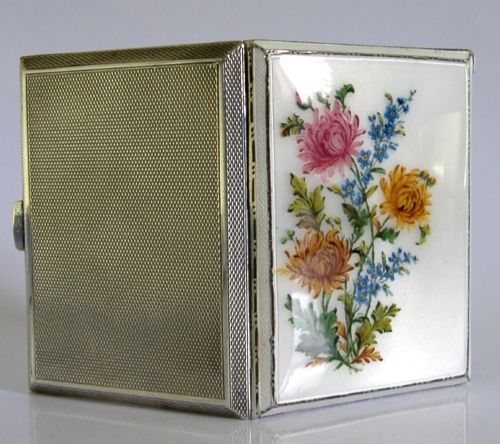
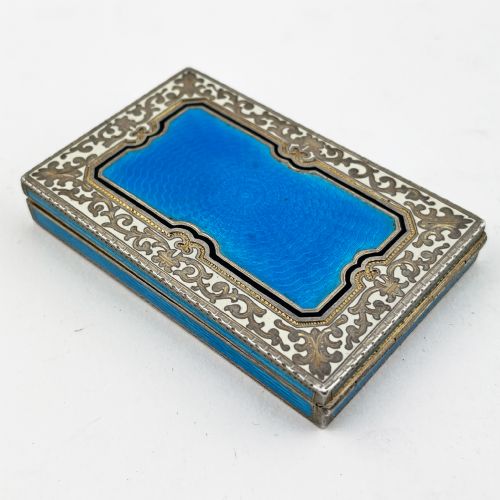
An art deco silver enamel case serves as a portable container for cigarettes, cosmetics, or cards, combining practical utility with period design. These pieces often feature geometric motifs, sunburst patterns, or hand-painted floral decorations applied across a metallic surface.
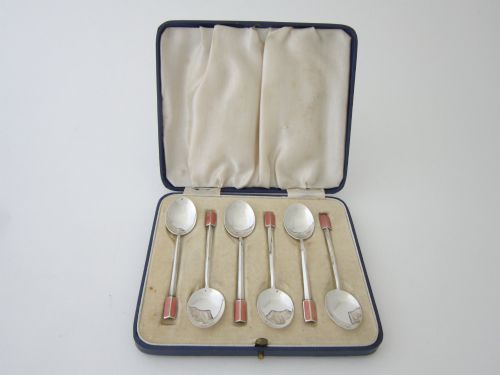
Buyers encounter various forms ranging from slim powder compacts and cigarette holders to cased sets of teaspoons and cocktail sticks. The majority originate from the interwar decades, reflecting the distinct aesthetic of the early twentieth century.
Makers utilised sterling silver, silver-gilt, and base metals as a foundation for vibrant vitreous coatings. Continental and English workshops produced these items extensively, incorporating styles that span from classical revivals to modernism.
How they were made
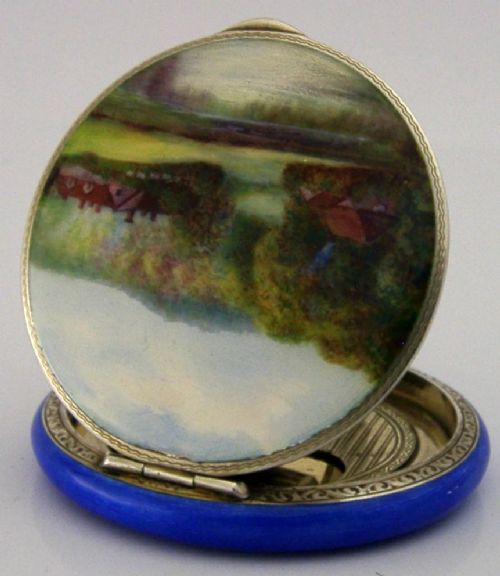
Craftsmen applied vitreous enamel onto sterling silver or silver-gilt bases, fusing powdered glass to metal under high heat. Engine-turning techniques such as guilloche created precise geometric background patterns that showed through translucent coloured coatings.
Silver sheets were pressed, folded, or hinged to form rigid housings for cosmetics and tobacco. Detailed elements like hand-painted chrysanthemums or applied marcasite stones completed the exterior decoration before final polishing.
Listings feature items dated from nineteen-ten through to nineteen-forty, utilising sterling silver, gilt metal, and cut glass alongside vitreous enamel.
What varies in quality
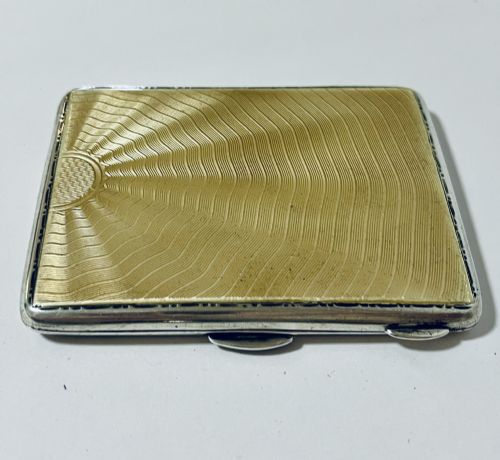
The clarity and depth of the vitreous coating separate standard items from finer examples, particularly where engine-turned guilloche grounds reflect light beneath translucent enamel. Intricate hand-painted details or multi-coloured sunburst motifs demand greater technical skill than plain opaque applications.
The weight and integrity of the silver chassis influence the overall standard, alongside the precision of the hinges and closures. Maker attribution and original fitted presentation cases further distinguish superior pieces within this category.
Henry Matthews·Henry Perkins and Sons·Richard Hudnut·Houbigant·Deakin and Francis·David Andersen·A Scott·Joseph Gloster·Louis Kuppenheim
The Art Deco Silver Enamel Case Glossary
- Guilloche
- A decorative engraving technique that etches precise, intricate geometric patterns into a metal surface. This worked base sits beneath translucent enamel to create radiating sunburst or wave effects.
- Vitreous enamel
- A material made by fusing powdered glass to a metallic substrate at high temperatures. The resulting glossy coating provides durable, vibrant colour.
- Silver-gilt
- Silver that has been coated with a thin layer of gold on its surface. This technique produces a warm golden finish while maintaining a solid silver structure underneath.
- Compact
- A small portable case fitted with a mirror, traditionally used to hold face powder or cosmetics. Many examples include internal powder screens and suede linings.
- Sterling silver
- An alloy consisting of silver and other metals, usually copper, to increase durability. Items made from this standard often carry hallmarks indicating the assay office and year of production.
Art Deco Silver Enamel Case: Frequently Asked Questions
How do I date an art deco silver enamel case?
Assay hallmarks stamped into the metal provide the most reliable indication of production dates and origins. Stylistic elements like geometric sunbursts and colour palettes also point towards the interwar decades.
Matching the maker's mark against registered silversmith records narrows down the creation period further. Comparing the hinge construction and clasp style helps confirm the era.
What were these cases originally used for?
These items served daily practical functions for carrying cigarettes, loose powder, calling cards, or matches. Wealthy owners relied on them to keep personal accessories organised within handbags or pockets.
Specialist variants held cocktail sticks, stamps, or specific medical items. Their compact shapes made them essential accessories for social gatherings.
How should I clean an enamel surface?
Glass-based enamel requires gentle treatment to avoid scratching the polished surface or damaging the underlying metal. Warm water and a mild detergent applied with a soft cloth suffice for removing surface grime.
Harsh chemical dips and abrasive silver polishes will ruin the vitrified coating and damage the exposed metal. Pat the piece dry thoroughly after washing.
What is guilloche enamel?
Guilloche enamel involves mechanical engraving on metal beneath a translucent layer of coloured glass. The etched patterns reflect light through the coating to produce a shimmering texture.
This technique defined much of the surface decoration found on luxury accessories from the early twentieth century. Common patterns include rays, concentric circles, and fine wavy lines.