




Art Deco Shaker
An art deco shaker brings geometric symmetry, polished metal and ingenious mechanical design to the home bar.
Art Deco Shaker
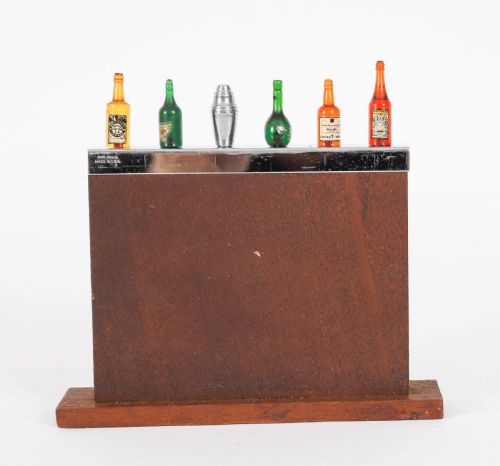
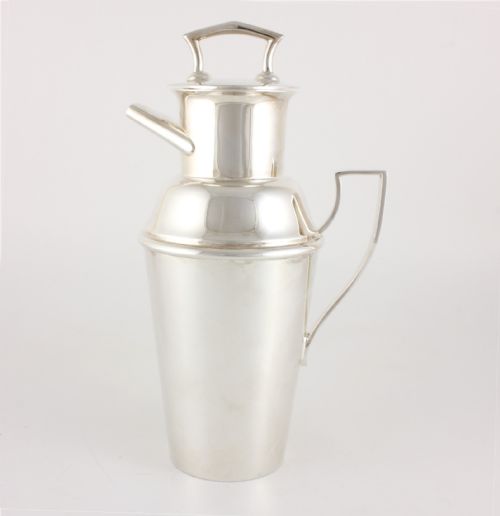
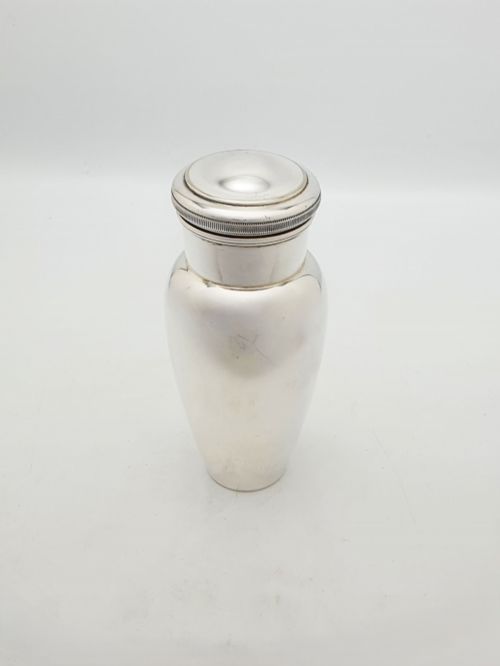
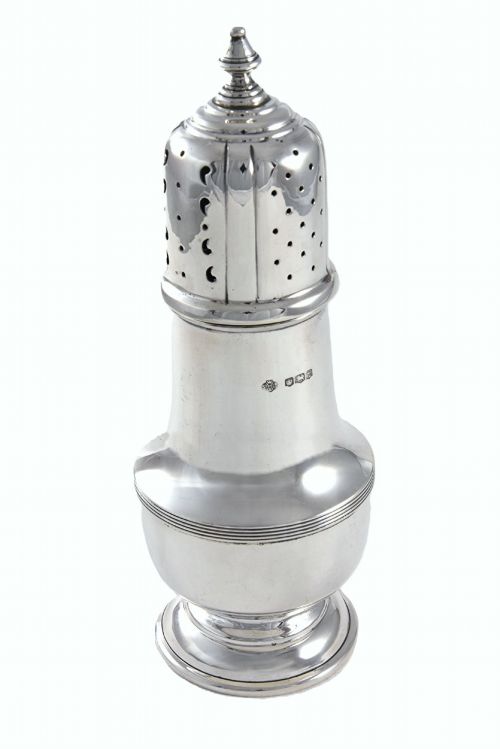
The art deco shaker encompasses cocktail mixers, barware, and sugar casters produced primarily during the 1920s, 1930s, and 1940s. The selection focuses heavily on silver-plated and glass cocktail shakers featuring clean lines, polygon sides, and engine-turned surface patterns.
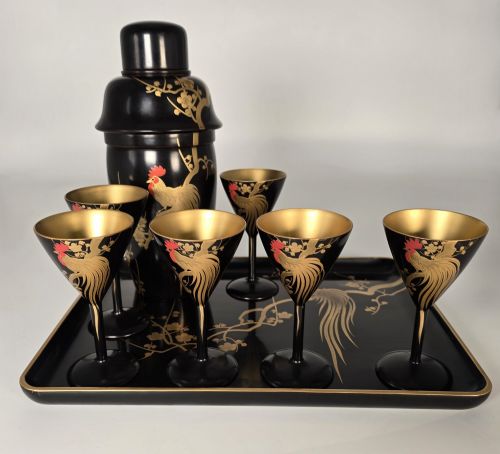
Beyond standard cylindrical vessels, examples take inventive forms including milk churn shapes, Zeppelin silhouettes, and vessels adorned with enamel cockerels. Many incorporate functional accessories such as built-in ice breakers, internal lemon squeezers, and rotating recipe bands.
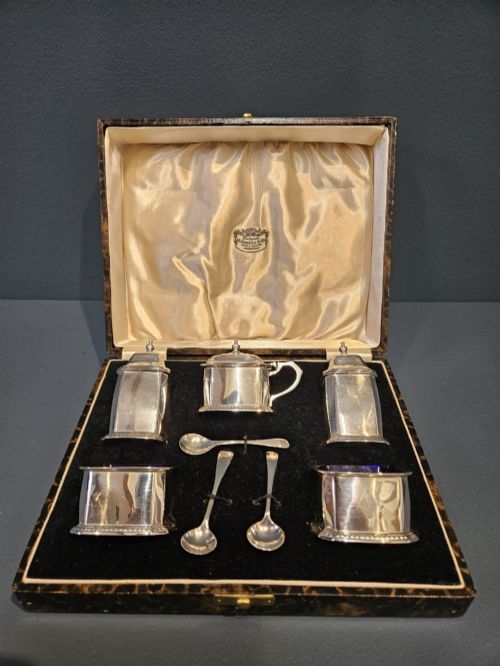
Originating from English, French, Italian, and Swiss makers, these pieces reflect the international spread of modernist design. Alongside beverage shakers, related items include cruet sets, cocktail stick sets, and salt and pepper shakers.
Materials and construction
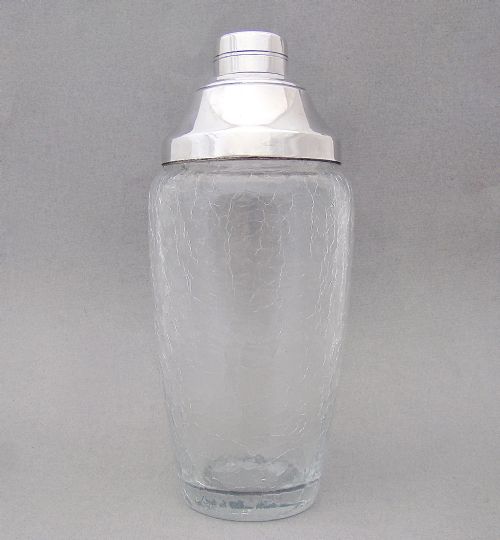
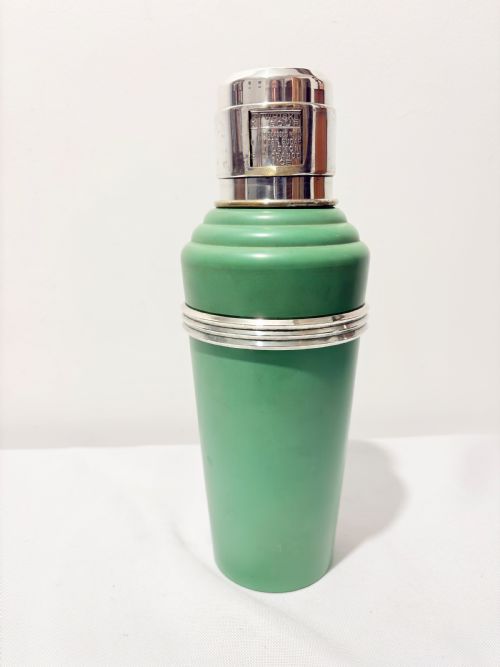
Makers utilised silver plate, sterling silver, and electroplated nickel silver over base metal bodies, often pairing metal with crackle glass, lead crystal, or coloured Bakelite. Surfaces were frequently embellished through engine turning, hand-cutting, or enamel work.
Engineering played a central role in construction, particularly in vessels featuring integrated mechanical elements like rolling recipe cylinders, internal juicers, and tight-fitting cork or metal stoppers.
Art Deco Shaker Retail Price Guide 2026
Typical asking prices for art deco shaker among the pieces listed under this phrase on Sellingantiques today, from the lower quarter to the upper quarter. They describe what is for sale here now, not the wider market.
The inventory records pieces dated across the 1920s, 1930s, and 1940s, utilising silver plate, glass, sterling silver, wood, and cork.
Assessing manufacture and design
Quality reveals itself in the weight of the metal, the precision of the polygon facets, and the seamless integration of mechanical components like built-in ice breakers and recipe dials. Finer pieces demonstrate robust plating thickness and crisp execution of engine-turned decoration.
The distinction between standard production items and premier examples often rests on the maker's reputation and unusual functional innovations, such as cockerel-themed glass bodies or specialised Italian and French modernist forms.
Asprey & Co·James Dixon & Sons·Hukin & Heath·Roberts & Belk·William Suckling·Wilmot Manufacturing Co·Charles S Green·A.L. Davenport
The Art Deco Shaker Glossary
- EPNS
- Electroplated nickel silver. This forms the base white metal alloy beneath the silver plating found on many barware pieces.
- Engine turned
- A mechanical decorative technique producing precise, intricate geometric patterns engraved into metal surfaces.
- Sugar caster
- A perforated shaker vessel designed for dispensing caster sugar, sharing similar manufacturing periods with cocktail ware.
- Bakelite
- An early synthetic plastic utilised for colourful handles, knobs, and decorative accents on modernist bar accessories.
- Cruet set
- A matched assemblage of small bottles or shakers for condiments, often housed in a dedicated metal frame.
Art Deco Shaker: Frequently Asked Questions
How do I clean a silver plated shaker?
Silver-plated items require gentle cleaning with a non-abrasive silver polish and a soft cloth to preserve the underlying plating and engine-turned details. Harsh scrubbing agents can strip the thin layer of silver from the base metal.
Internal glass or metal components should be washed separately in warm soapy water and dried thoroughly, especially around cork seals and moving mechanical parts.
What is an engine turned finish?
An engine-turned finish is a precise geometric pattern mechanically engraved into the metal body of a shaker. This technique creates shimmering textures that catch the light and typify modernist ornamentation.
Such surface decoration adds grip to the vessel while demonstrating the high level of craftsmanship applied to mid-twentieth-century barware.
Can I use an antique shaker for mixing drinks?
Many vintage shakers remain entirely functional for mixing drinks, provided the interior metal and cork seals are clean and intact. Checking the fit of the lid and any internal strainer is recommended before use.
Collectors often prefer to display them as decorative objects to avoid wear on delicate silver plating, crackle glass, or fragile enamel details.