



Clear Glass Shaker
A clear glass shaker brings sparkle to the table or bar, taking forms from the eighteenth century to the mid-twentieth century.
Clear Glass Shaker
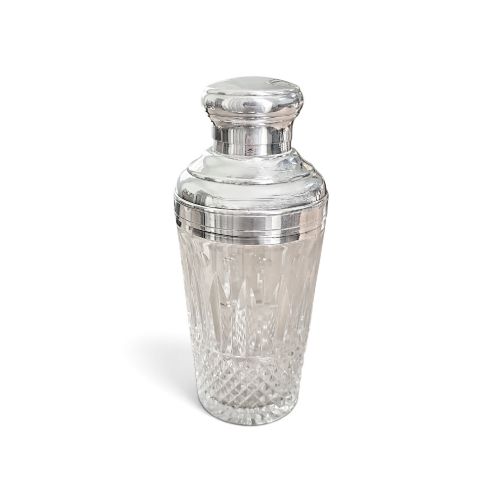
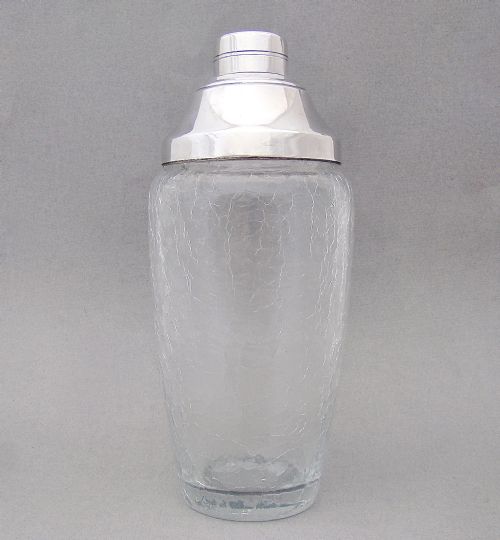
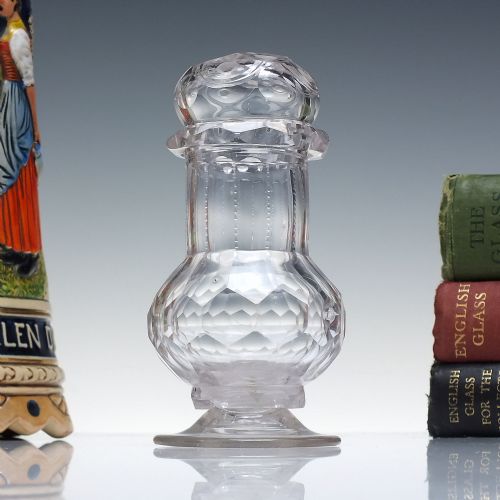
A clear glass shaker encompasses table sugar casters and cocktail vessels, formed from transparent glass combined with metal mounts. These domestic items serve both practical pouring tasks and decorative display.
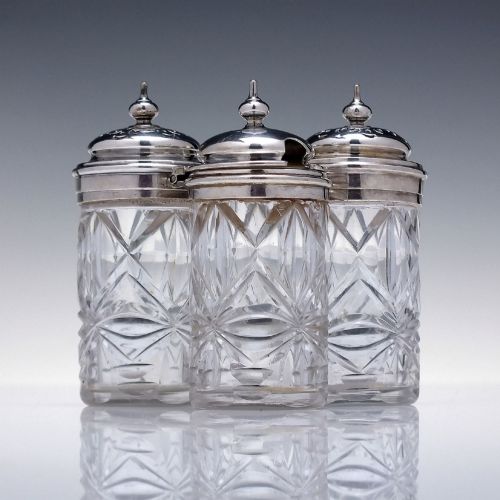
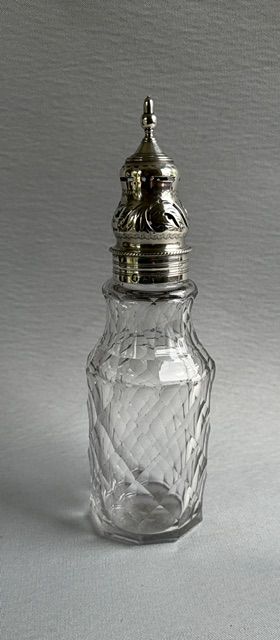
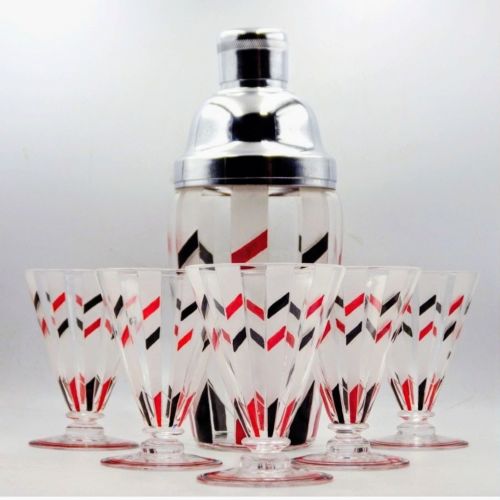
Edwardian cruet sets, Art Deco cocktail barware, and eighteenth-century sugar casters represent the principal historical styles found in this selection. Geometric vessels from the nineteen-thirties appear alongside earlier cut glass and silver-topped pieces.
Cocktail shakers with silver plate or sterling silver tops dominate the modern selection alongside sugar casters featuring pierced metal lids. Lead crystal and crackle glass provide varied textures across different periods.
Materials and construction
Makers utilised heavy lead crystal and clear glass, often shaped through hand cutting or moulding to create faceted surfaces and decorative patterns. Silver plate and sterling silver form the mounts, collars, and pierced lids.
Cork, paste, and enamel occasionally supplement the primary glass and metal structures, adding functional seals or decorative motifs. Metalwork components attach securely to threaded or fitted glass necks.
Clear Glass Shaker Retail Price Guide 2026
Typical asking prices for clear glass shaker among the pieces listed under this phrase on Sellingantiques today, from the lower quarter to the upper quarter. They describe what is for sale here now, not the wider market.
Listings feature items spanning the eighteenth century through to the nineteen-sixties, incorporating both lead crystal and silver plate.
Factors of quality
The weight and depth of the glass cutting distinguish standard domestic vessels from heavier lead crystal items. Crisp facets catch the light sharply, while softer edges indicate simpler moulding techniques.
The quality of the metal mounts, whether sterling silver or silver plate, affects the overall balance of the piece. Maker marks and assay office hallmarks on silver components denote documented origin and metal standard.
Hukin & Heath·Preece & Willicombe
The Clear Glass Shaker Glossary
- Sugar caster
- A tall container with a pierced lid used for sprinkling powdered sugar. These vessels often feature cut glass bodies and silver tops.
- Cruet set
- A matched group of small bottles or shakers for condiments, held together in a frame or tray. Edwardian and Art Deco examples frequently combine glass and silver components.
- Lead crystal
- Glass containing metal oxide that increases weight, brilliance, and refractive index. This material allows for deep, sharp decorative cutting.
- Silver plate
- A base metal coated with a thin layer of silver. This technique provides the appearance of solid silver at a lower production cost.
- Paste
- Coloured or colourless glass cut to imitate gemstones. In antique jewellery pieces associated with this category, paste adds decorative sparkle.
Clear Glass Shaker: Frequently Asked Questions
How do I date a glass shaker?
Examine the style of the cutting, the form of the vessel, and any accompanying metal mounts. Art Deco pieces display geometric lines typical of the nineteen-thirties, while Georgian and Edwardian examples follow earlier decorative conventions.
Silver components often bear hallmarks indicating the assay office and year of manufacture. Comparing these marks with established records provides a precise date.
What is the difference between a sugar caster and a cocktail shaker?
Sugar casters are generally smaller and taller with finely pierced lids designed for sprinkling sugar onto food. Cocktail shakers possess larger capacities, often holding a pint or more, and include secure caps for mixing drinks.
Cocktail shakers frequently incorporate silver plate or sterling silver collars and built-in mixers. Sugar casters rely on simple screw or push-fit metal tops.
How should I clean antique silver-topped glass?
Wash the glass body gently in warm soapy water using a soft cloth to protect the surface. Avoid submerging metal mounts or cork inserts for extended periods.
Polish silver components carefully with a specialist cloth, keeping cleaning agents away from the glass. Ensure pieces dry thoroughly before storage.
Are these shakers safe for daily use?
Many solid glass and metal pieces remain robust enough for regular service on the table or bar. Items featuring delicate enamelling or antique paste require more careful handling.
Check the condition of any cork or fitted seals before adding liquids. Historical items with fragile mounts suit gentle display rather than heavy domestic work.