



Silver Barware Vessel
A silver barware vessel delivers heft and shine to a home bar, bringing historic drinking traditions straight to the modern table.
Silver Barware Vessel
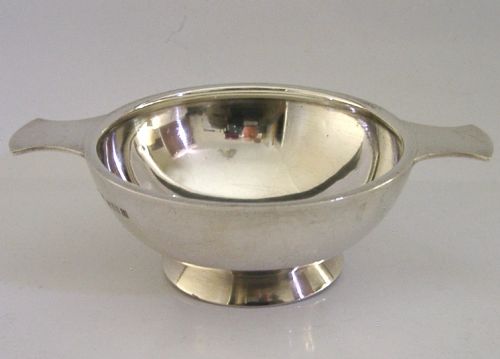
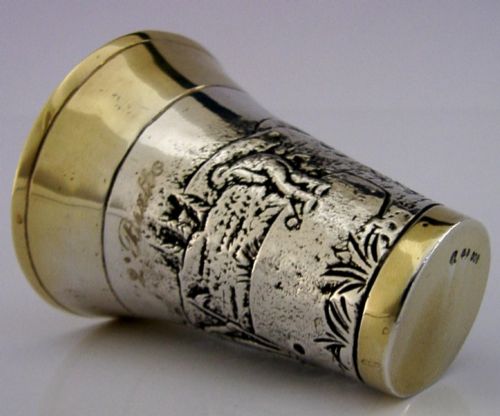
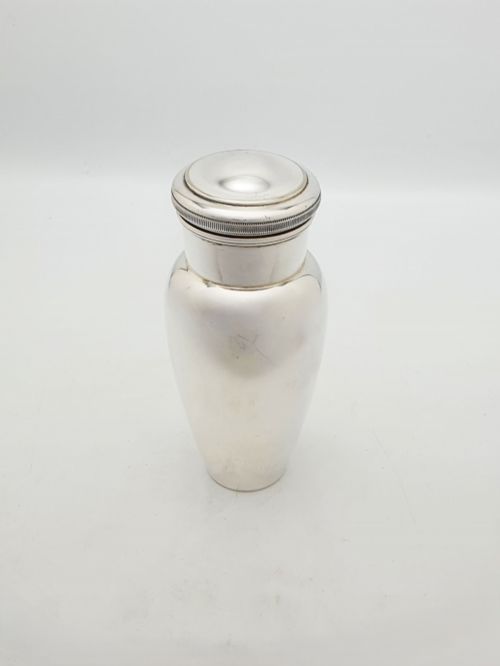
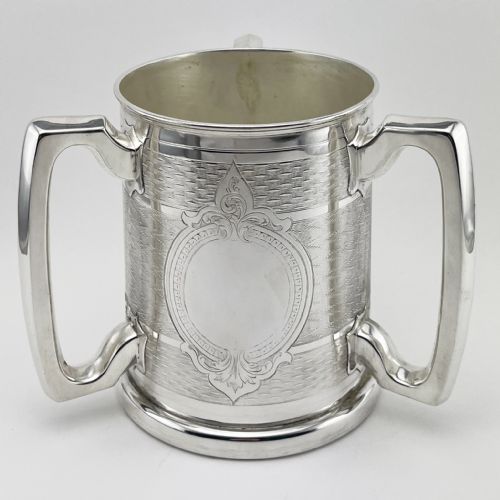
A silver barware vessel encompasses a range of drinking and serving containers designed for hosting and display, appearing across this page in forms such as tankards, wine coolers, cocktail shakers, and beakers. Collectors searching for a silver barware vessel encounter examples spanning from the eighteenth century through the mid-twentieth century, with styles including Georgian, Victorian, and Art Deco.
How They Were Made
Makers shaped these vessels using sterling silver, copper cores fused with silver in Old Sheffield plate, or base metals finished with silver plate and electroplated nickel silver. Cut glass inserts also appear, combined with metal mounts to hold ice and liquids securely.
Techniques varied by period, from hand-raising eighteenth-century sterling silver and early Sheffield plating to the industrial electroplating methods common by the Victorian era and the clean geometric forms of 1920s Art Deco manufacturing.
One unexpected survivor includes an ice breaker built into a bachelor cocktail shaker, ready for serious cocktail hours from 1925.
What Varies in Quality
Quality rests upon the crispness of form, the weight of the metal, and the integrity of any applied plating or hallmarks. Early hand-wrought sterling silver exhibits superior gauge and depth in its construction compared to lighter twentieth-century plated pieces.
The survival of original components, such as cut glass liners and tongs, elevates an item's integrity. Wear to silver plating revealing the underlying copper or base metal distinguishes heavily used utilitarian examples from better-preserved survivals.
Hukin & Heath
The Silver Barware Vessel Glossary
- Sterling Silver
- An alloy consisting of 92.5 percent silver by weight, regulated by strict governmental standards. This material forms the durable backbone of high-end antique drinking vessels.
- Old Sheffield Plate
- An early fusing technique where a sheet of silver is fused to a thick copper core by heat and pressure. Pieces made this way often show subtle lines of base metal at the exposed edges.
- Electroplated Nickel Silver
- A base metal alloy of copper, nickel, and zinc coated with a thin layer of silver using an electrical current. This method became widespread during the nineteenth century for producing affordable tableware.
- Tankard
- A tall, cylindrical drinking vessel typically featuring a single handle and sometimes a hinged lid. They were historically used for beer and ale across multiple centuries.
Silver Barware Vessel: Frequently Asked Questions
What is a silver barware vessel used for?
These vessels served historic functions for pouring, chilling, and drinking beverages such as wine, beer, and mixed cocktails. Today, they continue to function practically in home bars while serving as decorative display items.
Their varied forms allow them to hold ice, cool champagne bottles, or present spirits directly on a table during gatherings.
How do I date an old silver vessel?
Dating relies heavily upon stamped hallmarks, maker marks, and stylistic indicators specific to periods like the Georgian or Art Deco eras. Provincial town marks and monarch stamps on sterling silver provide precise chronological markers.
For plated items, the manufacturing technique, such as early Sheffield plating versus later electroplating, helps narrow the production window to a specific century or decade.
Are plated items as collectible as solid silver?
Solid sterling silver pieces generally command higher interest due to their intrinsic metal value and traditional assay marks. However, fine examples of Old Sheffield plate and clever Art Deco silver-plated shakers attract strong collector demand.
Quality of design and historical scarcity often outweigh the underlying metal content in determining collector appeal.
How do I care for antique silver vessels?
Maintenance requires gentle cleaning with specialised silver polishes and soft cloths to preserve the underlying metal and any remaining plating. Avoid harsh abrasive pads or dips that strip away desirable patination.
Storing pieces in dry environments away from direct sunlight helps prevent rapid tarnishing and protects vulnerable components like cut glass liners.