


Art Deco Sapphire Diamond Ring
An art deco sapphire diamond ring combines geometric precision with the deep blue of corundum and the clear fire of cut diamonds.
Art Deco Sapphire Diamond Ring
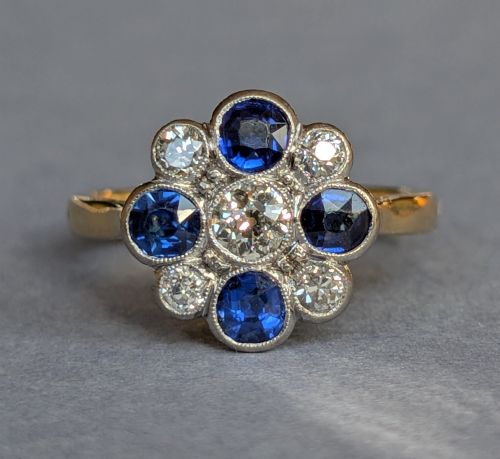
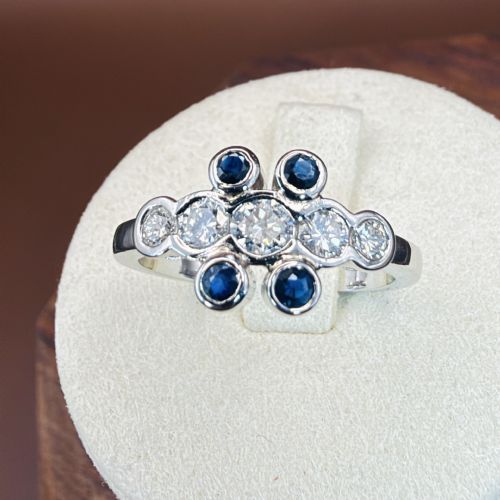
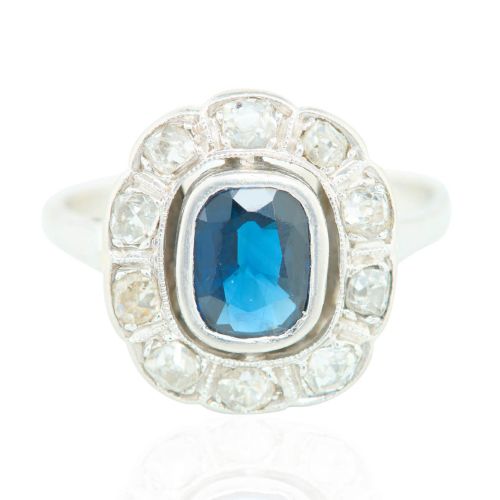
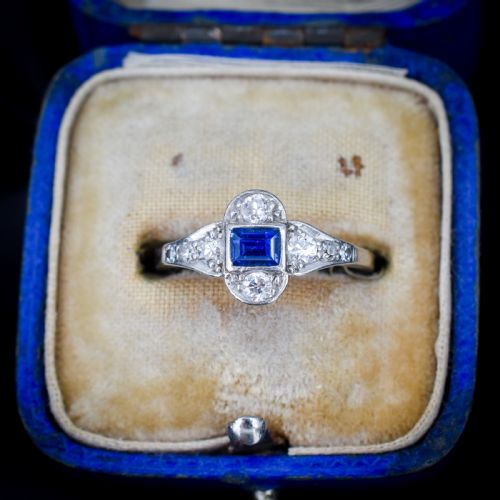
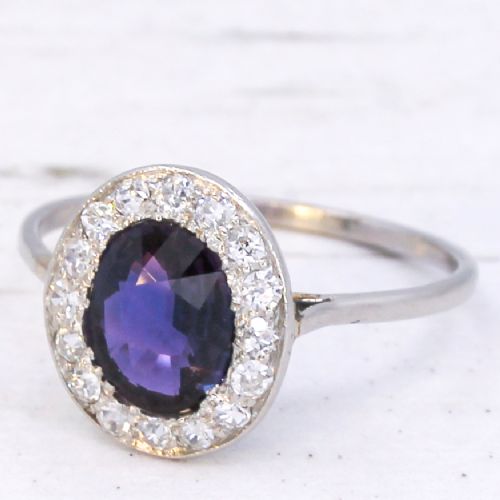
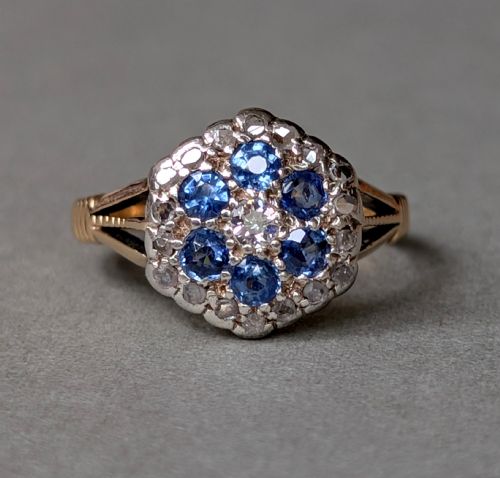
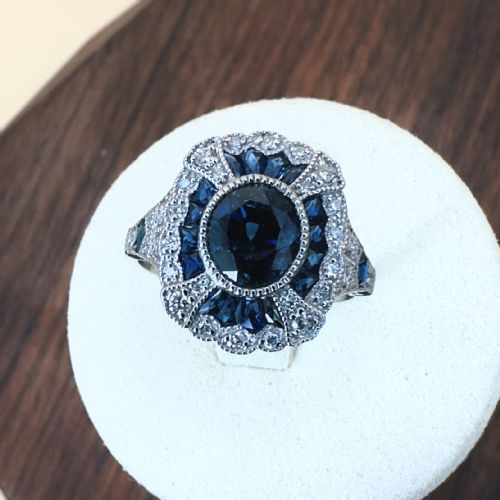
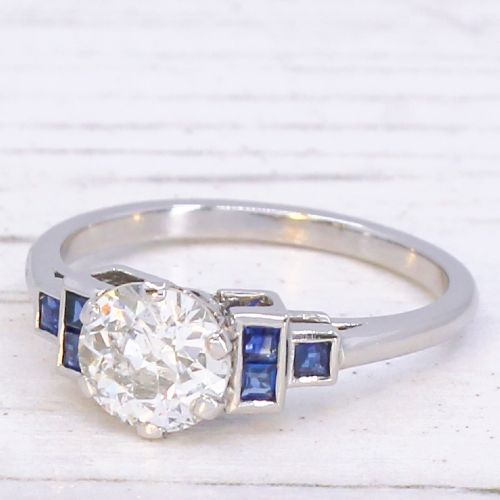
An art deco sapphire diamond ring displays the distinct architectural geometry characteristic of jewellery from the interwar decades. Buyers examining this category encounter cluster configurations, navette silhouettes, and target designs.
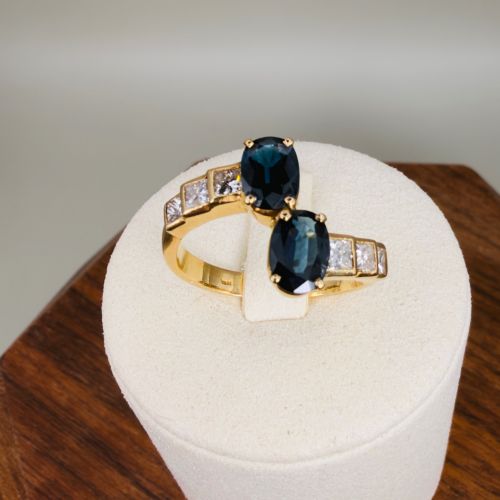
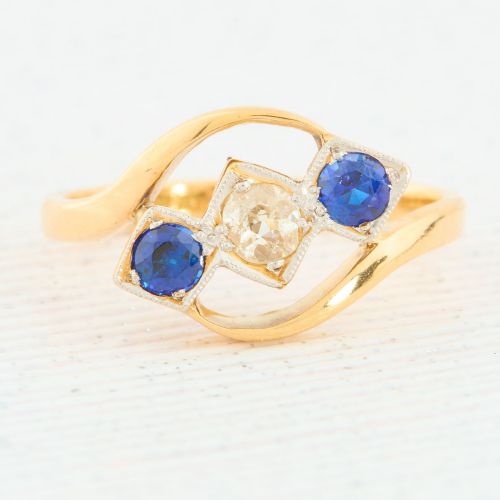
Most examples originate from the 1920s and 1930s, utilising platinum or white gold mounts to heighten the contrast between blue sapphires and colourless diamonds. Yellow gold mountings also appear, reflecting broader stylistic variations within the period.
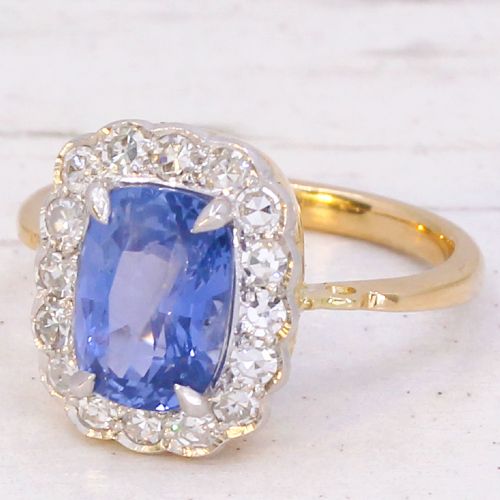
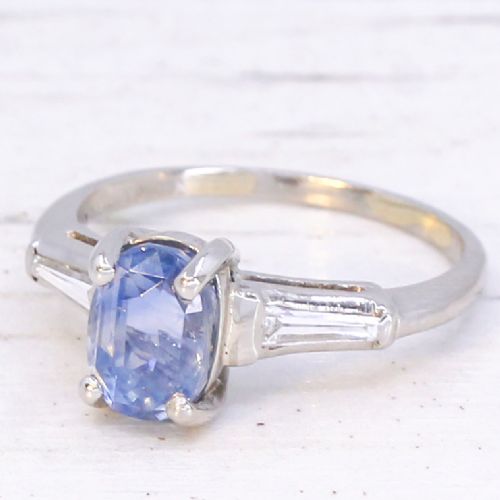
The inventory includes unheated stones from origins such as Ceylon, Burma, and Kashmir alongside transitional and old cut diamond accents. Cluster formats dominate the selection, often arranged around central oval or step-cut sapphires.
Materials and construction
Goldsmiths utilised platinum and 18ct white gold to construct lightweight yet robust settings that could support intricate stone arrangements without heavy metal presence. Calibré-cut sapphires were custom-shaped to fit tightly against geometric metal channels and surrounding diamond borders.
Stones were secured using delicate millegrain edges and precise claw settings executed by hand. The integration of yellow gold shank bands with platinum top sections frequently occurs in pieces from the nineteen-twenties.
Some rings manage to squeeze more geometric angles into a single millimeter than a modern architect achieves in an entire skyscraper.
Assessing quality
Quality rests upon the natural origin, saturation, and heat treatment status of the sapphire, alongside the cut and clarity grade of the supporting diamonds. Unheated stones with desirable geographical provenance command greater distinction among collectors.
The precision of the metalwork, including the crispness of millegrain decoration and the exactness of calibré stone fitting, determines the overall execution level of the ring.
The Art Deco Sapphire Diamond Ring Glossary
- Calibré cut
- Small gemstones specifically shaped and cut to fit tightly into geometric channel settings.
- Millegrain
- A decorative border of tiny raised metal beads running along the edges of a platinum or gold setting.
- Target ring
- A cluster design featuring concentric circles of contrasting gemstones around a central stone.
- Navette
- A boat-shaped ring silhouette that tapers to pointed ends along the finger.
- Transition cut
- A diamond cut used between approximately 1910 and 1930 that bridges old European cuts and modern brilliants.
Art Deco Sapphire Diamond Ring: Frequently Asked Questions
How do I care for my ring?
Clean the piece gently using warm soapy water and a soft brush to remove everyday oils from beneath the stones. Avoid harsh chemical cleaners and ultrasonic baths, particularly if the sapphire has natural fracture fillings.
Have a professional jeweller inspect the claw settings and millegrain work periodically to ensure the diamonds and sapphires remain securely anchored.
Are these rings suitable for daily wear?
Platinum and 18ct gold mountings provide sufficient durability for regular use when maintained properly. Sapphires possess high hardness ratings on the Mohs scale, making them resilient against scratching during normal activities.
Removal during heavy manual tasks or sports prevents unnecessary impact damage to delicate claw settings or calibré-cut side stones.
How can I identify an authentic period piece?
Examine the construction methods for hand-finished details such as open-work under-bezels and subtle tool marks associated with interwar bench jewellers. Hallmarks and metal stamps provide additional chronological reference points.
Compare the stone cuts against historical standards, noting the presence of old European or transitional cut diamonds rather than modern brilliant cuts.
What affects the value of a sapphire?
Geographical origin heavily influences desirability, with Ceylon, Kashmir, and Burmese stones holding distinct positions in the market. The presence or absence of thermal enhancement also alters valuation significantly.
Depth of colour saturation, transparency, and freedom from prominent inclusions dictate the visual impact and standing of the central gem.