
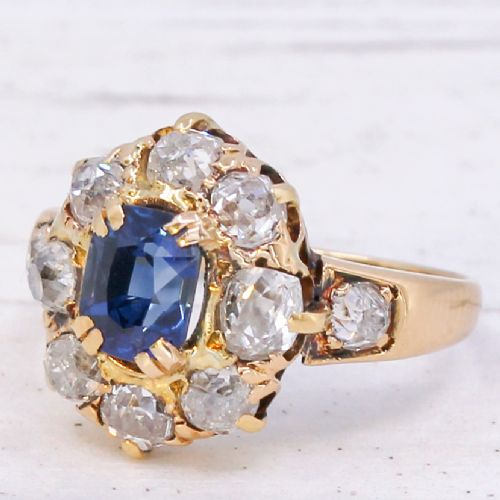
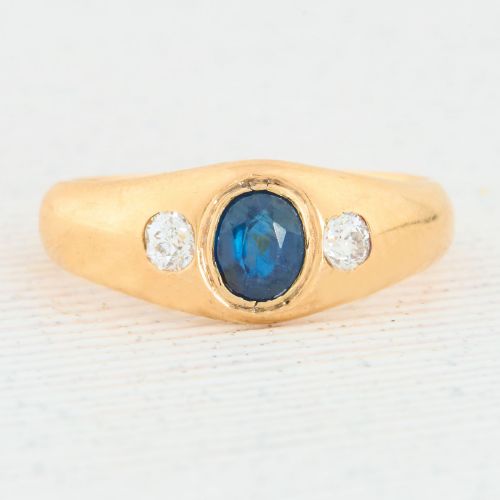
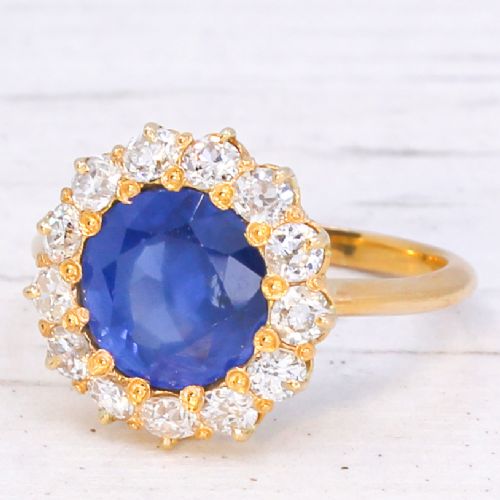
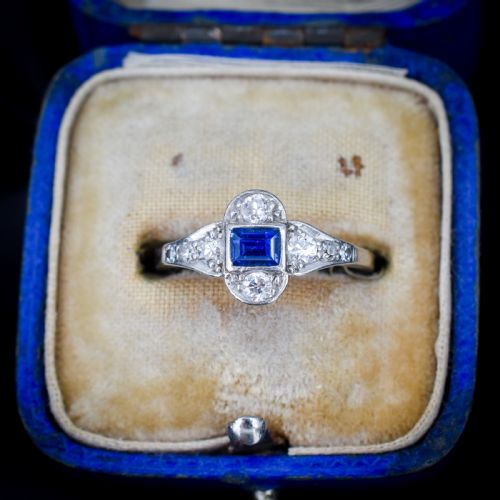
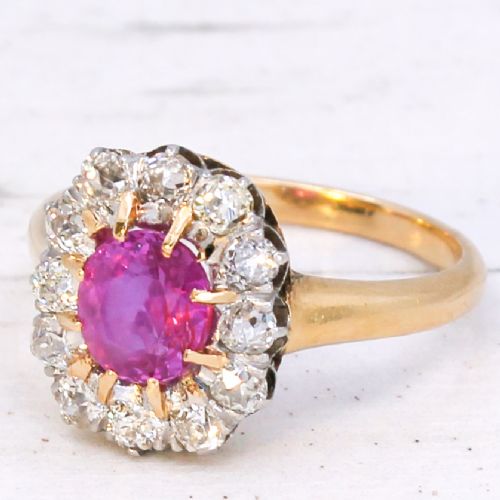
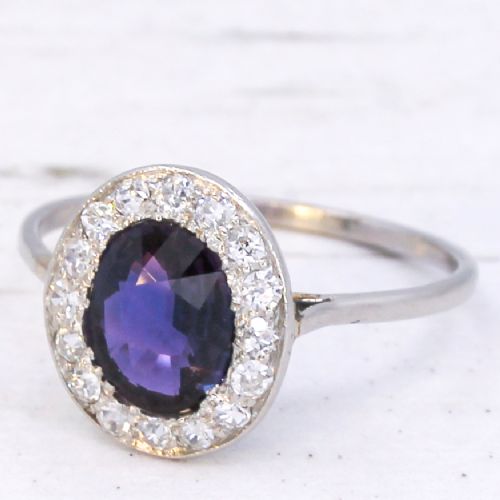
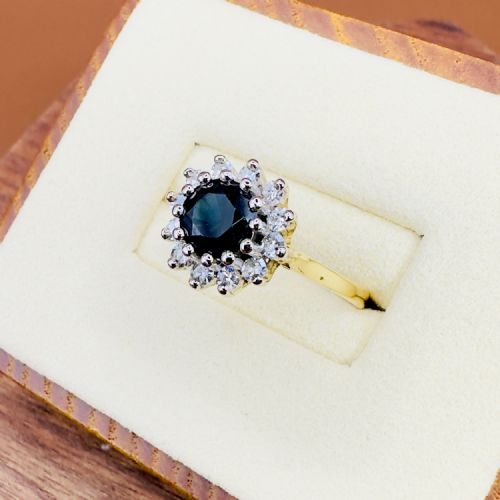
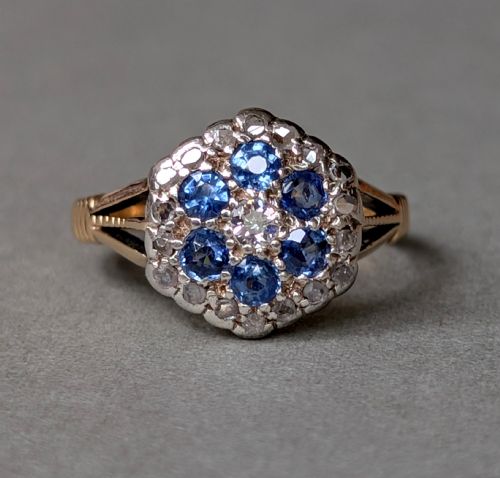
Edwardian Sapphire Dress Ring
An edwardian sapphire dress ring brings together rich blue gems and bright diamonds in classic gold and platinum settings.
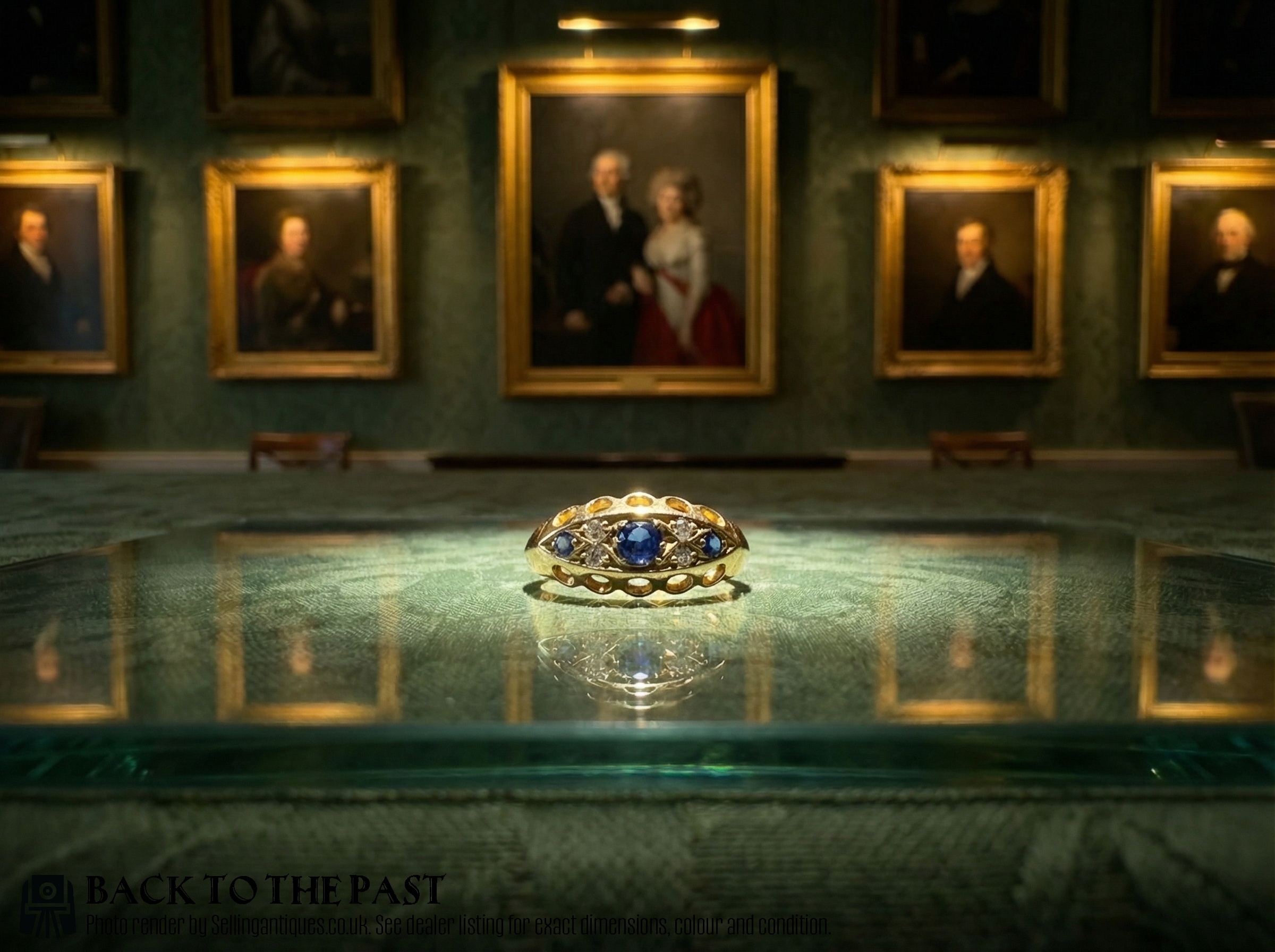
Understanding the Edwardian Sapphire Dress Ring
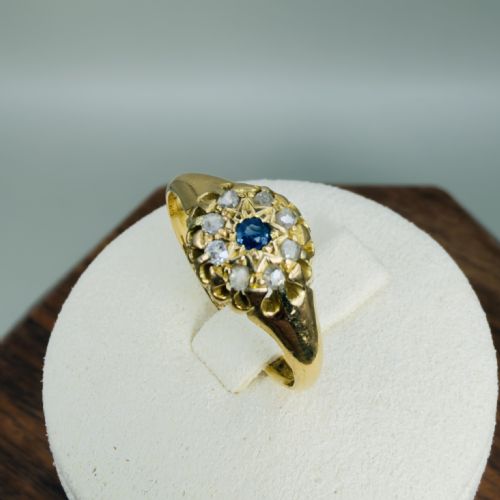
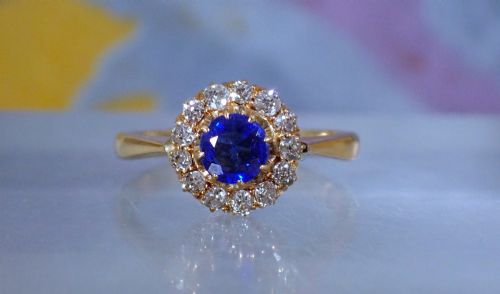
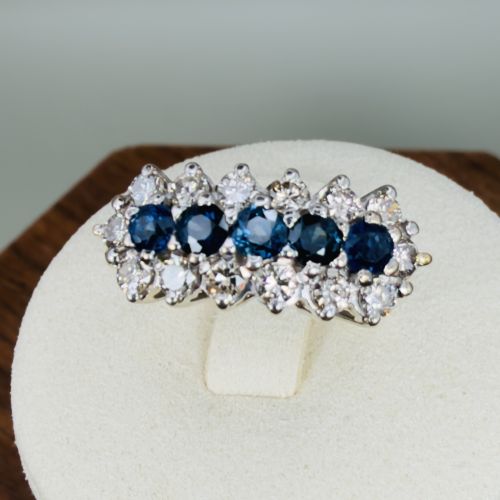
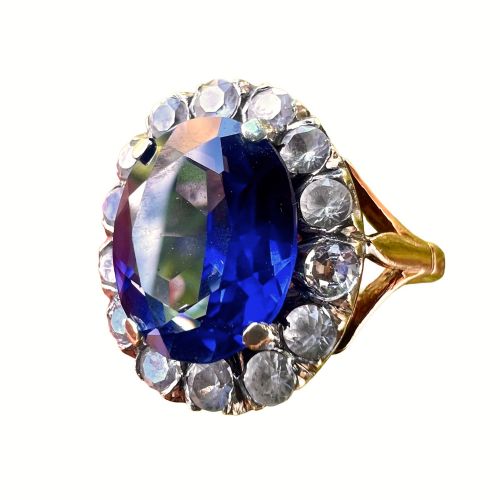
An edwardian sapphire dress ring combines deep blue stones with sparkling diamonds in distinct period mounts. These jewels survive from eras spanning the late nineteenth century through the early twentieth century.
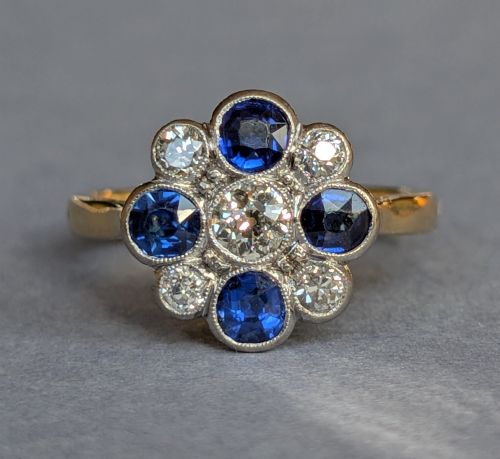
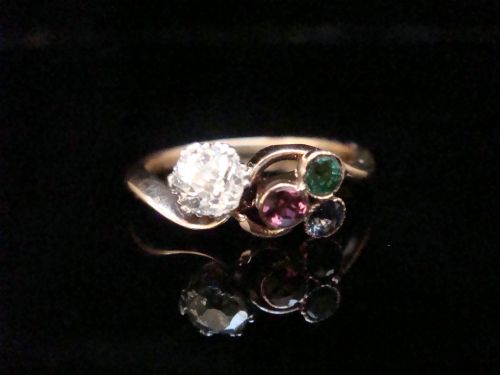
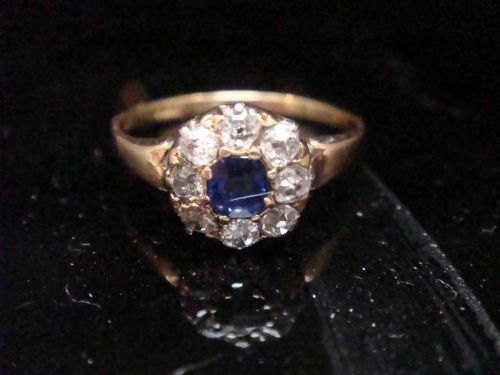
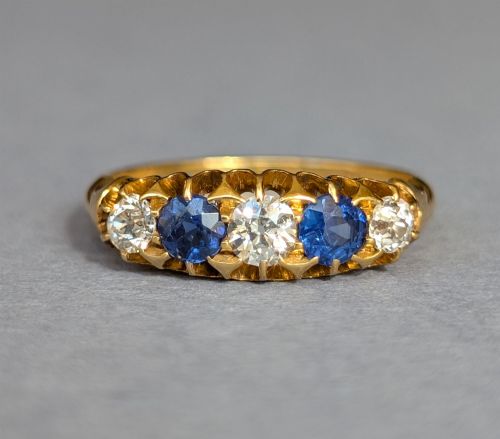
The selections on this page cover multiple recognisable configurations including twist rings, boat shapes, and cluster formations. Pieces date across Victorian, Edwardian, George V, and Art Deco periods.
Every edwardian sapphire dress ring employs precious metals like yellow gold alongside platinum. Collectors encounter varied carat weights and stone arrangements within these rings.
Materials and Construction
Maker's workshops shape these pieces using eighteen carat yellow gold and platinum. Sapphires and diamonds are secured into metal settings designed to showcase the gems.
Craftsmen construct cluster, twist, and boat forms to hold multiple stones securely in place. Metalwork reflects the distinct stylistic standards of the period.
Retail Price Guide 2026
Typical UK retail prices for edwardian sapphire dress ring, calculated from the Sellingantiques database of over a million retail prices indexed since 2003. This retail price guide relies exclusively on Sellingantiques data; no external sources or auction records are used, so the figures do not describe the wider market.
Current listings span periods from 1890 through the Art Deco era of 1930.
Assessing Quality and Merit
Quality rests in the presence of substantial diamond carat weights alongside the central sapphire. Better examples display balanced proportions across twist and cluster designs.
The refinement of the metalwork separates standard work from superior pieces. Clarity and depth in the blue stones determine the overall standing of the ring.
The Edwardian Sapphire Dress Ring Glossary
- Cluster ring
- A ring featuring a central stone surrounded by a border of smaller gems. This configuration maximises visual presence on the finger.
- Twist ring
- A design where two bands or stone settings wind around each other. This style is often called a toi et moi.
- Boat ring
- A setting shaped like a traditional boat hull holding a row of stones. The profile sits low and elongated across the hand.
- Platinum
- A dense white metal used for secure stone settings during the early twentieth century. It allows for delicate claws without sacrificing strength.
Frequently Asked Questions
How do I wear these rings?
These rings suit daily wear provided care is taken with older settings and precious stones. Pairing them with plain bands prevents rubbing against other jewellery.
Removal during heavy physical tasks protects the gold, platinum, and claw settings from damage.
How do I date an antique ring?
Dating relies on stylistic markers, cut of the stones, and hallmarks stamped inside the band. Periods range from Victorian origins through Edwardian and Art Deco eras.
Design forms like boat shapes and twist configurations often point to specific decades of production.
What metals are used?
These rings utilise eighteen carat yellow gold alongside platinum for mountings. Combinations of gold and platinum provide both structural strength and contrasting colour.
Precious metal choices reflect the prevailing manufacturing techniques of the respective periods.