





Art Deco Reading Light
An art deco reading light brings sculptural form and functional illumination together, offering the quintessential aesthetic of the interwar years for any interior.
What these pieces are
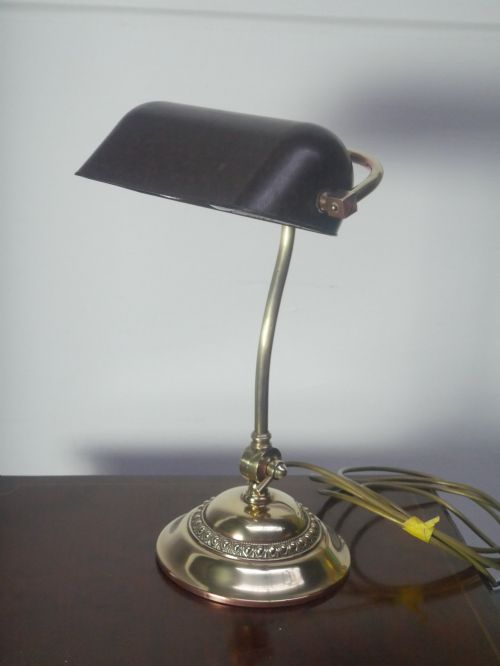
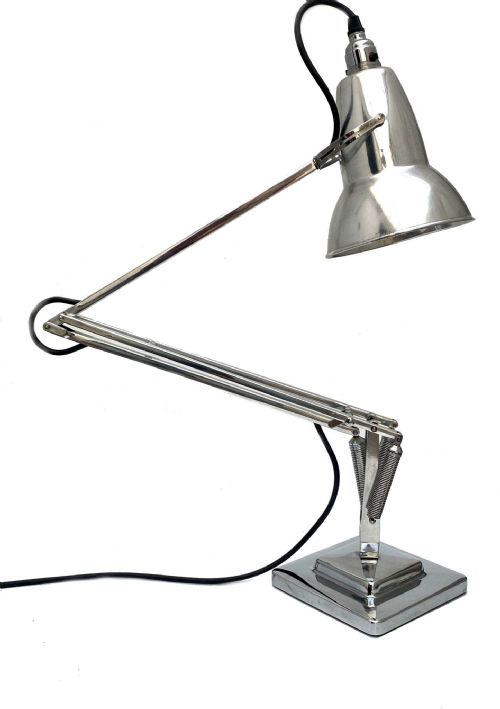
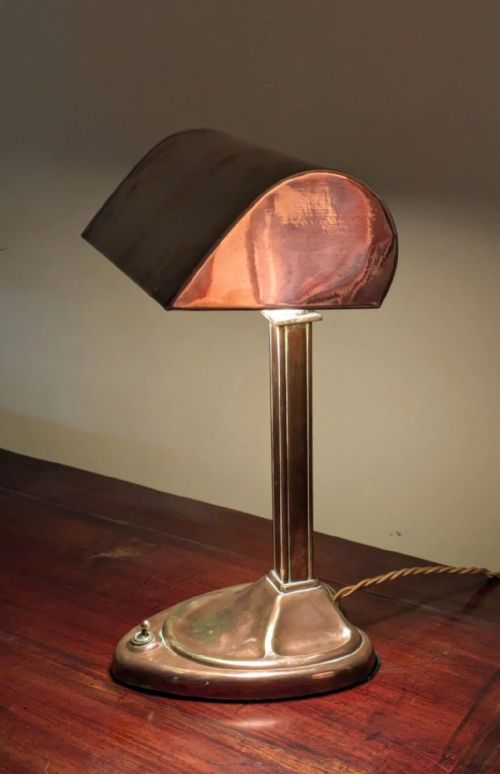
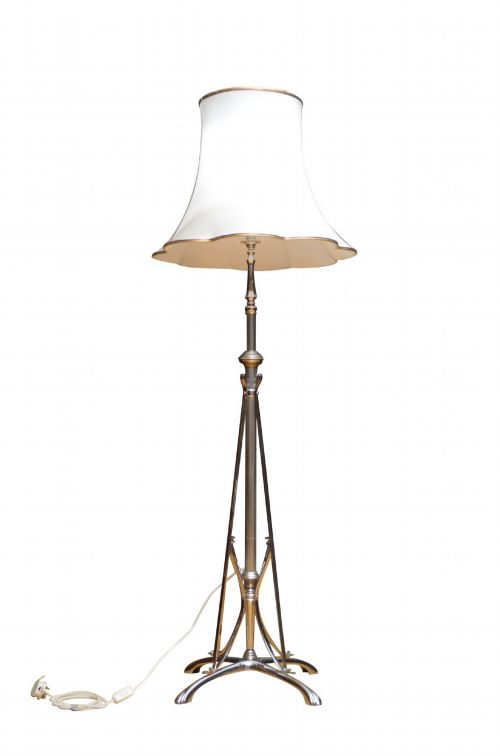
An art deco reading light encompasses functional illumination created in the decades spanning the 1920s, 1930s, and 1940s. These pieces take the form of table lamps, desk lamps, and standard lamps designed to provide focused light while displaying the characteristic geometry of the period.
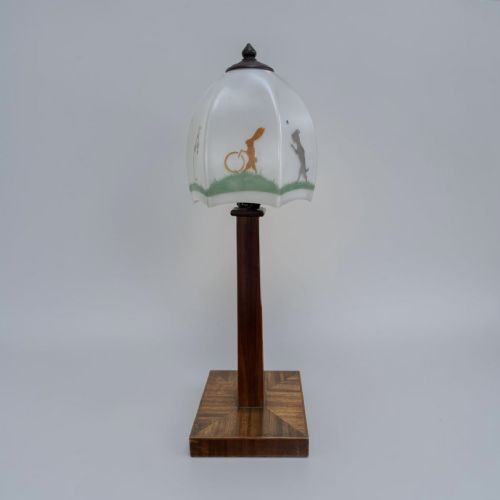
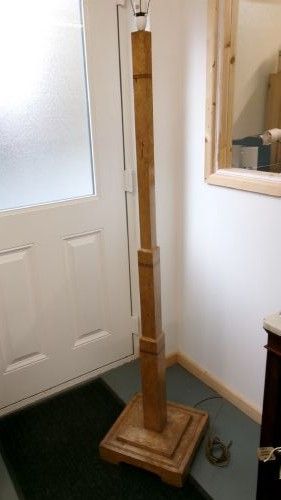
The selections available on this page originate from European workshops and showcase distinct variations in form, ranging from figural designs to streamlined industrial pieces. Standard lamps utilise blonde walnut for height, whilst smaller desk lamps employ alternative woods and metals.
Buyers will encounter striking thematic table lamps depicting figures such as athletes holding balls and cherubs alongside utilitarian forms. These domestic objects reflect the broader design concerns of their respective decades, blending decorative appeal with practical utility.
How they were made
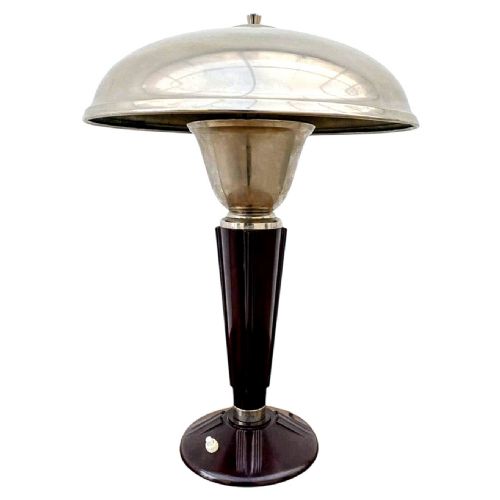
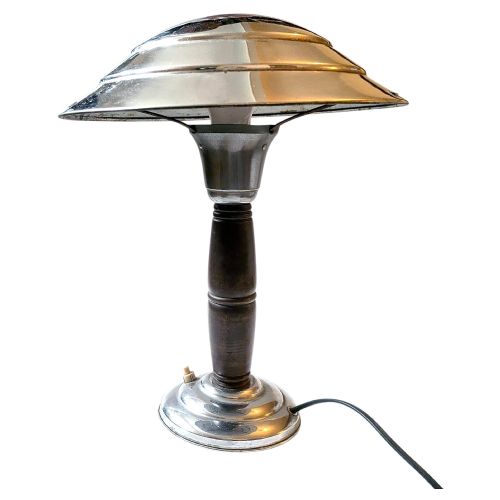
The construction of these lamps relies on a combination of machined metals, moulded plastics, and turned woods. Chrome plating provides a bright, reflective surface finish that defines the Machine Age aesthetic, while heavy bases often incorporate marble for stability.
Moulded Bakelite serves as an essential material for bodies and switch housings, demonstrating early industrial plastic manufacturing techniques. Woodwork involves blond walnut shaped into standard lamp columns, paired with glass components including opal glass shades.
Figural elements on sculptural lamp bases utilise cast metal or carved wood to depict human forms and decorative motifs. Assembly methods combine threaded metal fittings, internal wiring channels, and secure joins between contrasting materials like wood and chrome.
Retail Price Guide 2026
Typical UK retail prices for art deco reading light, calculated from the Sellingantiques database of over a million retail prices indexed since 2003. This retail price guide relies exclusively on Sellingantiques data; no external sources or auction records are used, so the figures do not describe the wider market.
The listings span three distinct decades, covering the years 1920, 1930, and 1940.
What varies in quality
Artistic execution dictates the value of figural pieces, where finely detailed castings of athletes or cherubs display superior definition compared to generic production models. The integrity of the original surface finishes, from unblemished chrome to well-preserved blond walnut grain, elevates a piece significantly.
Eileen Grey
The Art Deco Reading Light Glossary
- Bakelite
- An early synthetic thermosetting plastic moulded into smooth housings and lamp components. It resists heat and electricity.
- Machine Age
- A twentieth-century design aesthetic celebrating industrial progress, heavy machinery, and streamlined chrome forms. This style heavily influences desk lamps.
- Opal Glass
- A translucent white glass used for diffusers and shades to soften harsh illumination. It scatters light evenly across a desk or table.
- Standard Lamp
- A tall floor-standing lamp designed to illuminate a room or reading area from a vertical posture. Blond walnut versions exemplify this form.
- Blond Walnut
- A pale timber utilised for furniture and lamp columns during the interwar period. It provides a warm contrast to metal elements.
Frequently Asked Questions
What is an art deco reading light?
An art deco reading light is a period task or ambient lamp designed between the 1920s and 1940s. These fixtures combine utilitarian purpose with the distinctive geometric and streamlined aesthetics of the era.
They appear as table lamps, desk lamps, and taller standard lamps utilised in domestic and office settings. Their construction frequently employs chrome, Bakelite, glass, and wood.
How do I date an art deco reading light?
Dating these lamps involves examining the primary materials and manufacturing techniques employed in their construction. Pieces from the 1920s often feature traditional turned woods like blond walnut, while 1930s examples lean towards chrome and moulded Bakelite.
Later pieces from the 1940s may show transitional forms leading away from strict geometric modernism. Stylistic cues such as Machine Age influences also help narrow down the period of origin.
Where should I place a standard lamp?
A standard lamp functions best in corners of reception rooms or beside seating areas requiring localized illumination. Their height allows them to cast light downward over reading chairs without cluttering tabletop surfaces.
Placing them near complementary period furniture enhances the overall interior scheme. Ensure the heavy base rests securely on level flooring.
How do I care for chrome and Bakelite?
Maintaining chrome surfaces requires gentle cleaning with a soft cloth to preserve the metallic sheen without scratching the plating. Avoid abrasive compounds that might strip the finish from the metal.
Bakelite components benefit from occasional wiping with a damp cloth and mild soap. Keep these materials away from excessive moisture and direct heat sources to prevent degradation.