



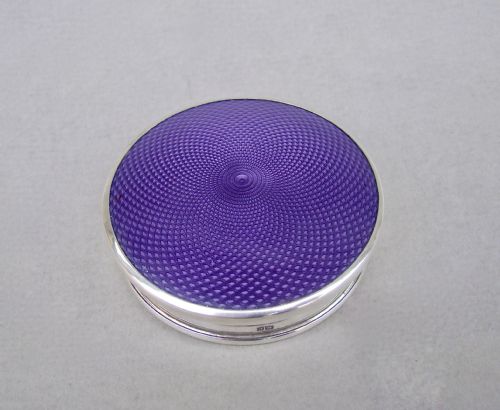


Art Deco Powder Compact
An art deco powder compact brings geometric precision and brilliant colour to the dressing table, offering a tangible piece of modernist elegance.
Art Deco Powder Compact
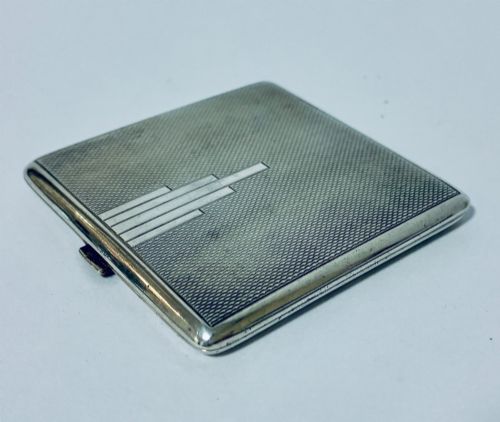
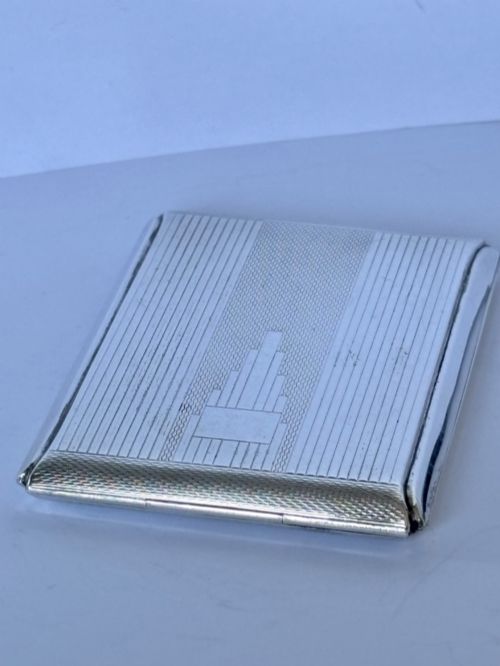
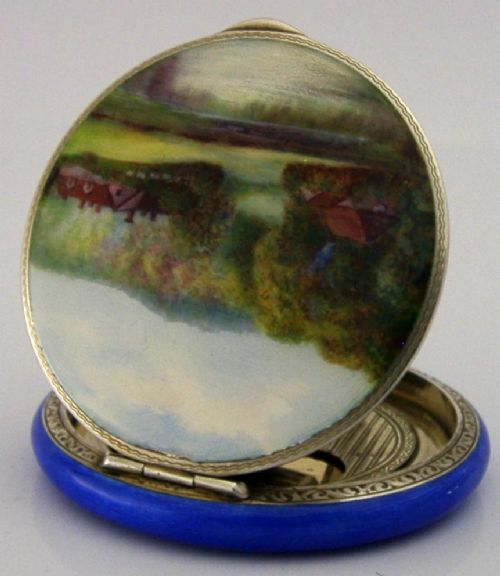
An art deco powder compact is a portable vanity case designed for applying cosmetics, appearing most frequently in forms produced during the 1920s and 1930s. These pieces encompass pocket versions, combination cases with lipsticks, and larger table powder boxes.
The selection ranges from simple metal and chrome items to elaborate silver and enamel accessories created by prominent makers. Buyers encounter pieces spanning from the early decades of the twentieth century up to the 1930s, reflecting the shift toward geometric design and modernism.
Common formats include octagonal, square, and round compacts fitted with mirrors and compartments for loose powder. Many examples feature specialised motifs such as the crinoline lady, animal figures like Scottie dogs, or intricate engine turned patterns.
What varies in quality
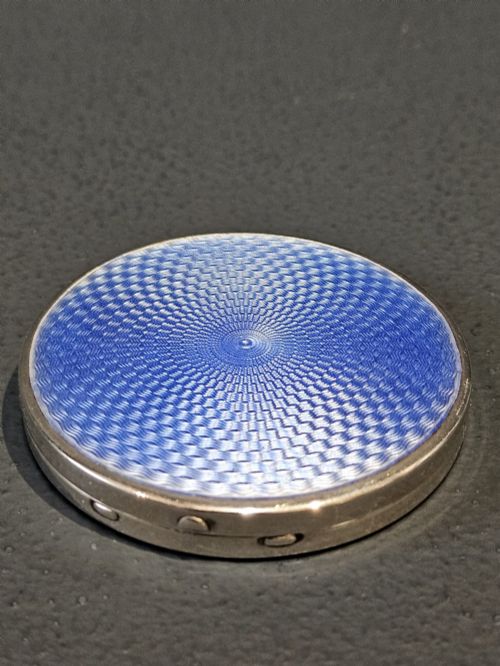
The degree of craftsmanship is evident in the precision of the guilloche engraving and the clarity of the enamel work, where superior examples display flawless surfaces without chipping or crazing. The weight and rigidity of the metal housing, alongside the smooth action of the hinges and latches, distinguish finer specimens.
Art Deco Powder Compact Retail Price Guide 2026
Typical asking prices for art deco powder compact among the pieces listed under this phrase on Sellingantiques today, from the lower quarter to the upper quarter. They describe what is for sale here now, not the wider market.
Materials range from sterling silver and chrome to celluloid and guilloche enamel, reflecting varied manufacturing traditions across England and France.
Henry Matthews·The Daniel Manufacturing Co·Henry Perkins and Sons·René Lalique·Richard Hudnut·Houbigant·Asprey·Gwenda·Elizabeth Arden·Stratnoid·Du Barry·William Neale and Son
The Art Deco Powder Compact Glossary
- Guilloche enamel
- A decorative technique where a metal surface is engraved with intricate geometric patterns before being coated with transparent enamel. This allows the underlying pattern to shimmer through the coloured glass layer.
- Engine turned
- A mechanical method of engraving precise, repeating geometric designs into metal using a specialised lathe. It provides a durable and uniform texture across compact lids.
- Sterling silver
- An alloy consisting of silver and other metals, typically copper, standardising at a high purity level for silverware and luxury goods. It serves as the primary precious metal body for high-end compacts.
- Bakelite
- An early form of synthetic plastic utilised for durable, brightly coloured compact bodies and novelty motifs. Its resilience made it popular for practical vanity accessories.
- Combination compact
- A multi-functional vanity case that integrates a powder compartment with additional items such as a lipstick holder, rouge pot, or atomiser. These pieces represent the ingenious design solutions of the period.
Art Deco Powder Compact: Frequently Asked Questions
How do I clean an enamel compact?
Clean enamel surfaces gently with a soft, damp cloth and dry immediately to preserve the delicate metal and glass materials. Avoid harsh chemical dips that can damage vintage enamelling and aged metal finishes.
Store compacts away from direct sunlight and moisture to prevent the fading of coloured enamel and corrosion of the underlying brass or silver housing.
Were these compacts used for loose powder?
Most period compacts were designed specifically for loose face powder, often including an internal mesh screen and a down puff for application. Some variations accommodated pressed powder blocks depending on the manufacturer and the decade of production.
Users today generally collect these items for display rather than daily cosmetic use, preserving the original sifts and interior mirrors intact.
What is a combination compact?
A combination compact houses multiple vanity functions within a single housing, such as a powder well paired with a matching lipstick holder or an integrated perfume atomiser. These accessories were designed for evening use when space in a small purse was limited.
Collectors prize these multi-part items for their mechanical ingenuity and the completeness of their surviving original components.