




Art Deco Nude Sculpture
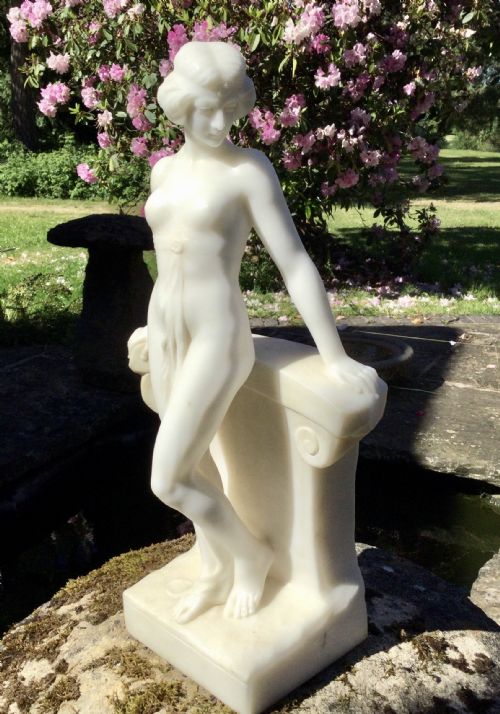
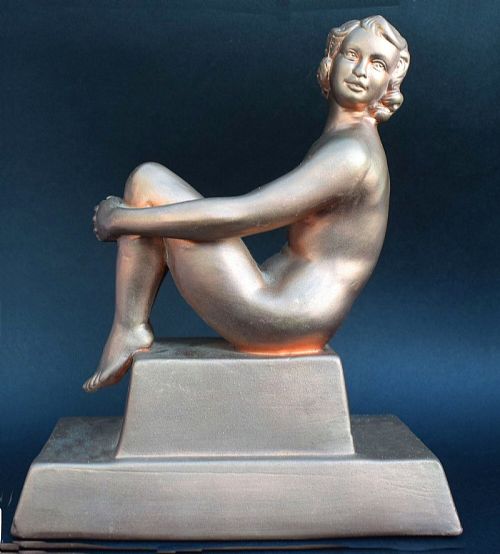
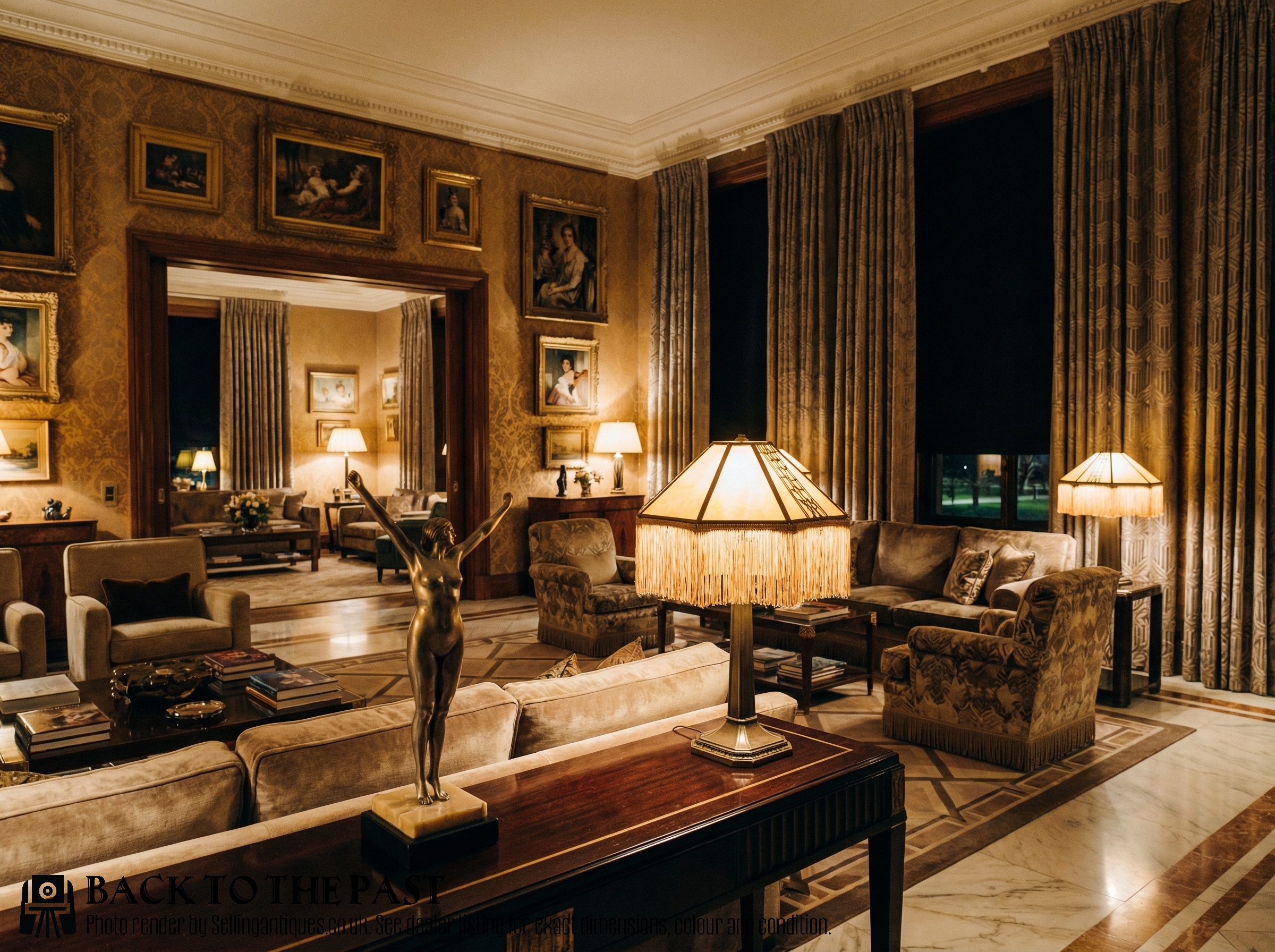
An art deco nude sculpture captures the sleek, stylised athleticism of the interwar years, offering a striking centrepiece for any mantelpiece.
Understanding art deco nude sculpture
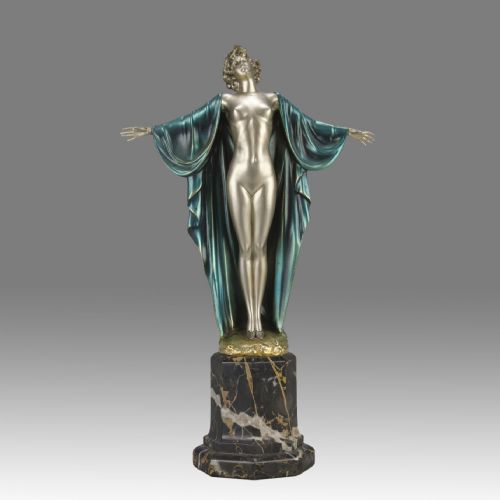
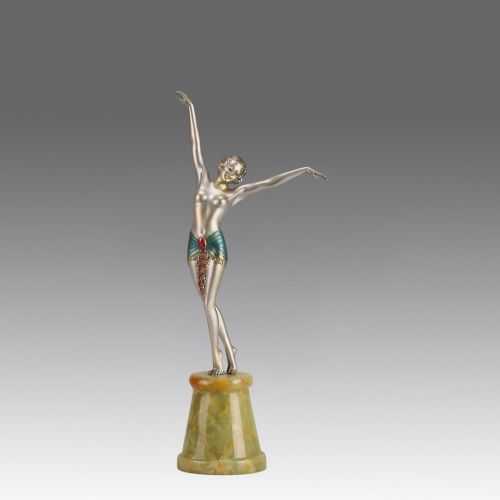
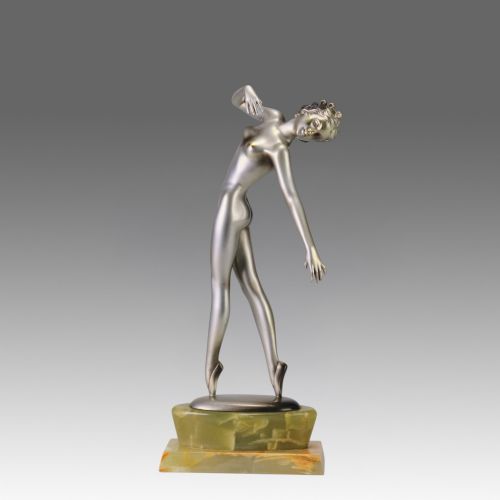
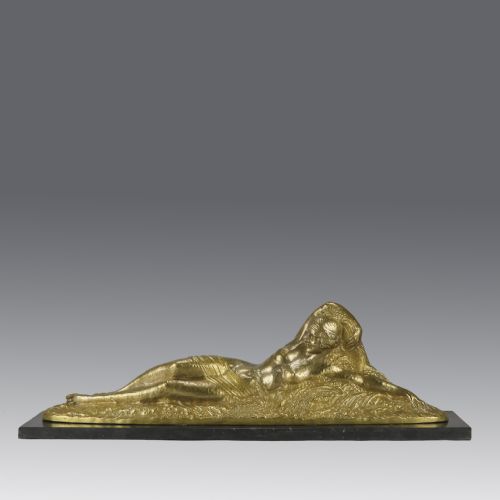
An art deco nude sculpture represents the distinct aesthetic of the nineteen-twenties and nineteen-thirties, capturing the human form through geometric lines and stylised posture. These figures often depict dancers, athletes or mythological figures caught in moments of dynamic movement or poised repose.
Buyers browsing this selection encounter a variety of forms ranging from single figures to elaborate pieces incorporating animals like panthers, or functional items such as illuminated clocks and lamps. The origins span works from continental European studios as well as English productions of the period.
Most pieces date from the nineteen-twenties and nineteen-thirties, reflecting the peak years of the style. The selection includes standalone figurines and sculptural groups designed to sit on desks, cabinets or dedicated pedestals.
Materials and methods
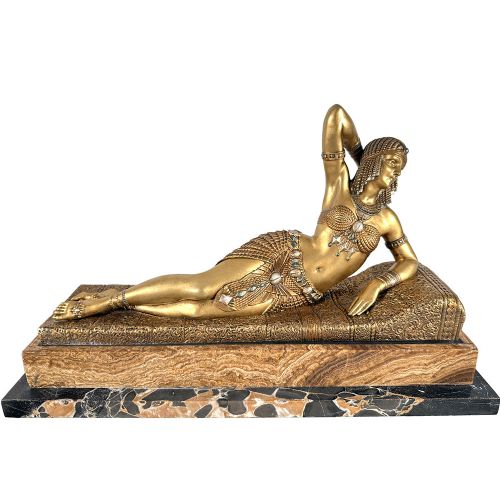
Artists and founders utilised a broad palette of materials, combining metal castings with natural stone bases. Bronze and spelter formed the primary metallic mediums, sometimes enhanced with silvered finishes or surface paint.
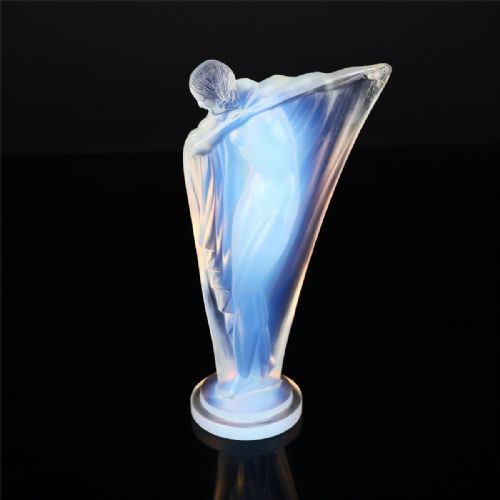
Base supports typically relied on contrasting textures of marble or onyx to anchor the metallic figures. Other pieces utilised clay, bisque porcelain, plaster or glass to achieve different tonal qualities and levels of translucency.
Retail Price Guide 2026
Typical UK retail prices for art deco nude sculpture, calculated from the Sellingantiques database of over a million retail prices indexed since 2003. This retail price guide relies exclusively on Sellingantiques data; no external sources or auction records are used, so the figures do not describe the wider market.
The recorded listings span two decades, featuring works from nineteen-twenty and nineteen-thirty alongside materials including onyx, bronze, marble, spelter, silvered bronze, plaster, paint, and porcelain.
Assessing quality and execution
The choice of base materials also influences the character of the piece, with dense marbles and variegated onyx offering greater weight and presence than softer substitutes. Artisanal skill appears in the harmonious balance between the figure and its mounting.
Josef Lorenzl·Pierre Le Faguays·Demetre Chiparus·Godard·Amedeo Gennarelli·Curt Schlevogt·Prof O. Poertzel·Limousin·Royal Dux
The Art Deco Nude Sculpture Glossary
- Spelter
- A zinc alloy commonly utilised as a cost-effective alternative to bronze during the period. It accepts patination well but requires careful handling due to its relative softness.
- Patina
- The surface coloration and sheen developed naturally over time or applied chemically by the foundry. It highlights the contours of the metal and protects the material beneath.
- Bisque porcelain
- Unglazed ceramic fired to a matte, white finish that resembles marble. It absorbs light softly and reveals fine modelling.
- Onyx
- A banded variety of chalcedony frequently used for sculptural bases. Its natural translucency and distinct strata add visual depth to the mounting.
Frequently Asked Questions
What metals were used?
Foundries primarily cast figures in bronze or spelter, occasionally applying silvered finishes or painted details to the surface. These metals allowed artists to capture slender limbs and dynamic poses.
Heavier bronze tended to hold sharper anatomical details through the casting process, whilst spelter offered a lighter, more accessible alternative for mass-market studios.
How do I clean my sculpture?
Dusting gently with a dry, soft cloth remains the safest method for maintaining metallic and stone surfaces. Avoid liquid cleaners and chemical polishes that strip original patination.
If the piece incorporates marble or onyx bases, keep moisture away from unsealed joints to prevent staining or deterioration of the stone.
Where should I display it?
These pieces suit stable, flat surfaces away from direct sunlight and excessive humidity. Placement on mantelpieces, bookshelves or dedicated pedestals ensures the sculpture remains secure.
Some iterations incorporate functional elements like clocks or lamps, making them suitable for desks or side tables where integrated lighting highlights the form.
How are periods identified?
Dating relies on stylistic markers such as geometric drapery, stylized hair and characteristic postures associated with the interwar decades. Signatures cast into the metal or incised on the stone base also help establish attribution.
Materials provide further clues, as specific combinations of onyx bases and patinated spelter align closely with production methods typical of nineteen-twenty and nineteen-thirty workshops.