
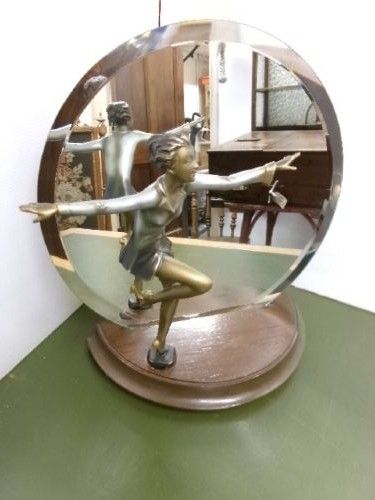
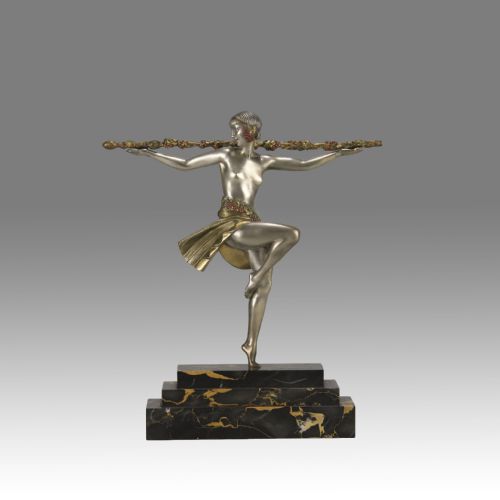
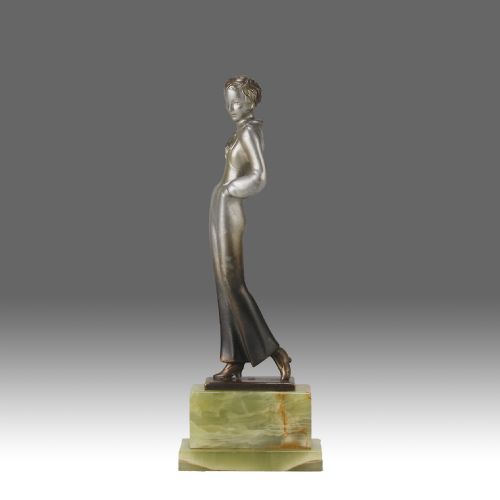
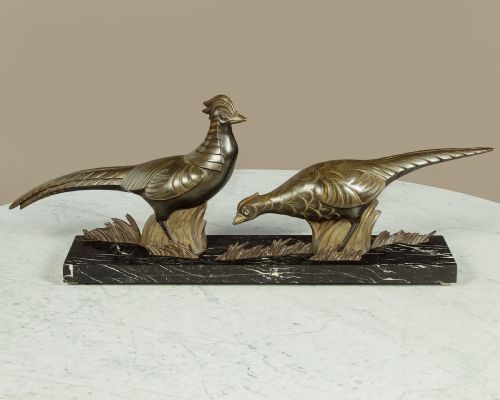


Art Deco Metal Figure
An art deco metal figure captures the stylised energy and sleek geometry of the interwar period, offering a tangible piece of modernist design for a mantelpiece or desk.
Art Deco Metal Figure
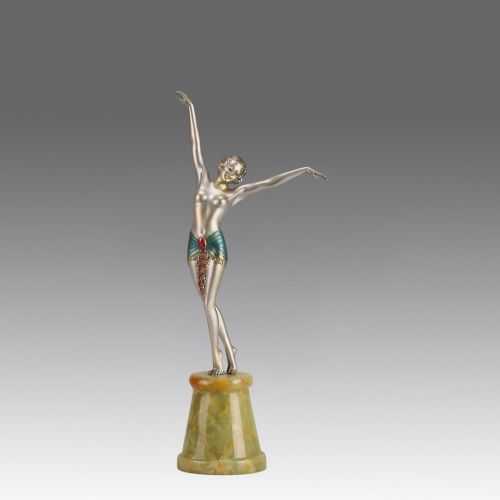
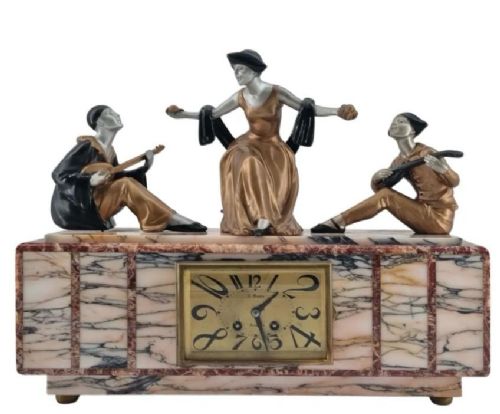
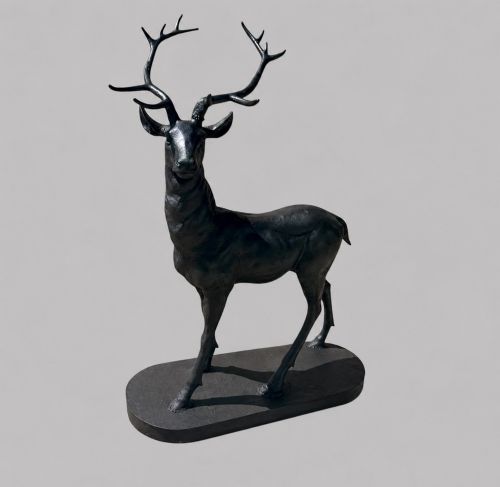
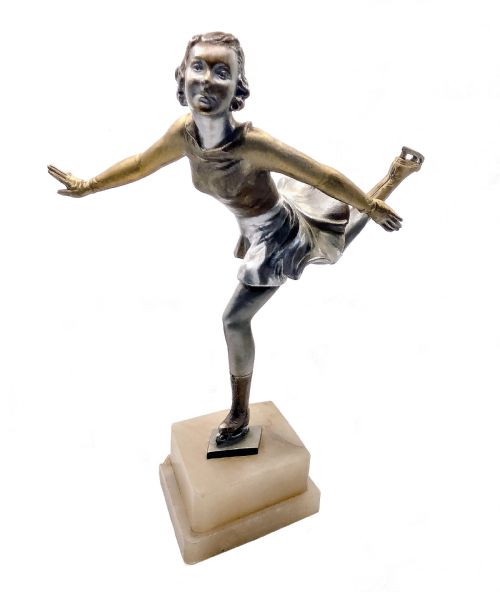
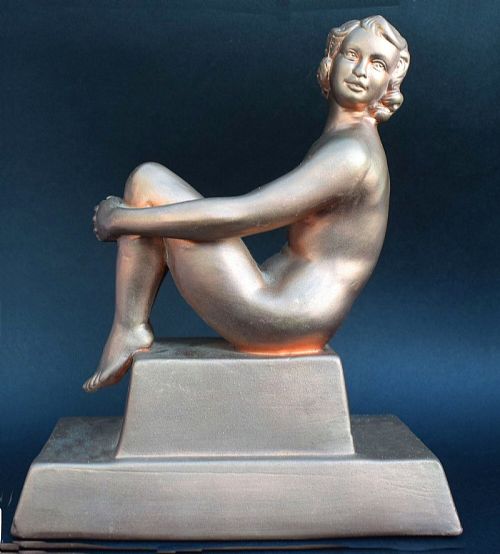
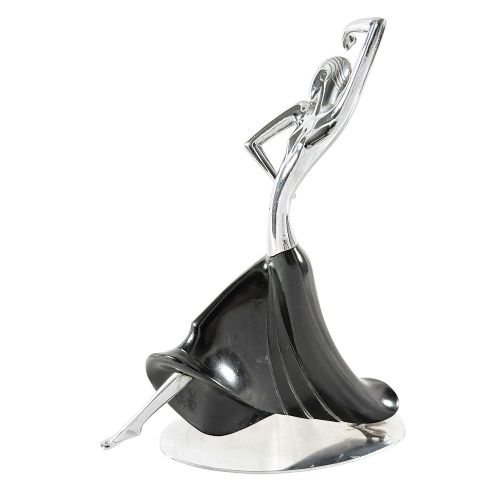
When someone searches for an art deco metal figure, they encounter sculptural objects produced primarily during the 1920s and 1930s. These pieces take many forms, including dancers, female nudes, animals, bookends, and figural lamps.
The most common version met on this page is the spelter figure, frequently mounted on a marble or onyx base. These often depict female dancers or athletic figures rendered in the characteristic streamlined style of the era.
How they were made
Makers utilised a range of metals, casting bronze and spelter into dynamic shapes before applying patination, silver plating, cold-painted colours, or chrome finishes. Spelter offered an economical alternative to bronze, allowing intricate casting of figures and animals.
Many sculptures were mounted onto heavy stone bases such as marble and onyx to provide stability and contrast with the metalwork. Glass and alabaster components also appear alongside metal to create functional objects like table lamps and bookends.
The listings span the 1910s through the 1930s, alongside pieces produced later than 1960.
What varies in quality
Material choice marks another clear division, with hot-cast bronze commanding greater regard than spelter or painted metal. The quality of the accompanying stone base and the originality of the patina or cold-painted surface further determine the standing of a piece.
Pierre le Faguays·Josef Lorenzl·P Sega·Bruno Zach·Claire Colinet·Michel Decoux·Marion Willis Stanfield
The Art Deco Metal Figure Glossary
- Spelter
- A zinc alloy commonly used as a cost-effective substitute for bronze in 20th-century figure casting. It takes patination well but is softer than bronze.
- Patina
- The surface sheen or colour developed naturally over time or applied chemically by the maker. It highlights the contours of the metal.
- Cold-painted
- A method where paint is applied to metal without being fired at high temperatures. This technique is frequently seen on bronze and spelter dancer figures.
- Animalier
- A 20th-century artistic style focused on the realistic or stylised depiction of animals. Panthers, stags, and pheasants appear frequently in this category.
Art Deco Metal Figure: Frequently Asked Questions
Were these figures mounted on marble bases originally?
Many figures from the 1920s and 1930s were designed with integral stone plinths to anchor their slender, dynamic compositions. Onyx and multi-coloured marble were favoured for their weight and decorative appeal.
Check that the proportions of the stone match the scale of the metalwork. Original mountings often use threaded bolts specific to the period.
How should I clean an antique metal figure?
Dust the surface gently with a soft, dry brush to remove particles accumulated in the crevices. Avoid using chemical polishes, water, or abrasive cloths that can strip away the original patina or cold-painted details.
Preserving the aged surface maintains both the historical integrity and the visual character of the piece. Professional conservation is advised for heavily soiled items.
Where were these decorative objects displayed originally?
These sculptures sat upon mantelpieces, sideboards, and executive desks as statements of modern taste. Figural lamps and bookends combined decorative sculpture with practical household utility.
They suited the newly built suburban homes and apartments of the interwar period. Their compact scale allowed them to integrate easily into various domestic settings.