


Art Deco Mantel Timepiece
An art deco mantel timepiece brings geometric modernism and striking materials to a room, offering both functional timekeeping and bold period sculpture.
Art Deco Mantel Timepiece
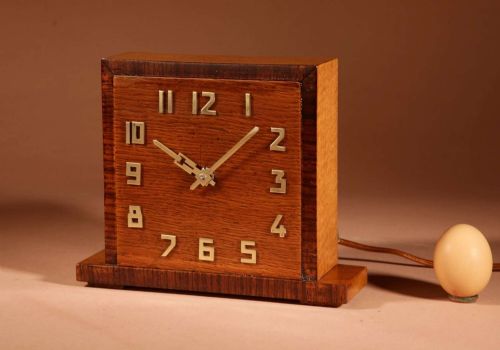
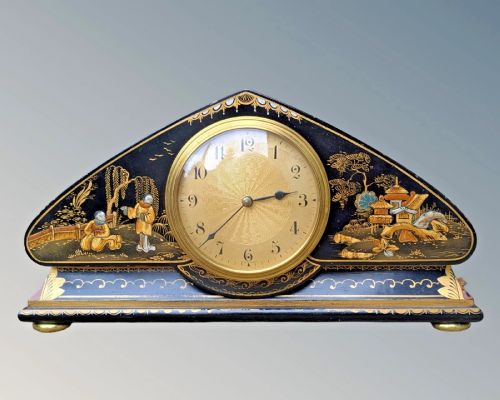
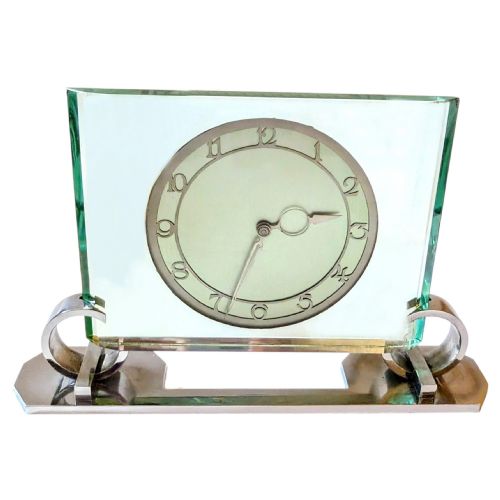
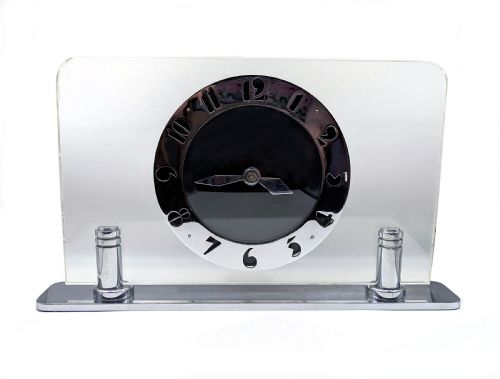
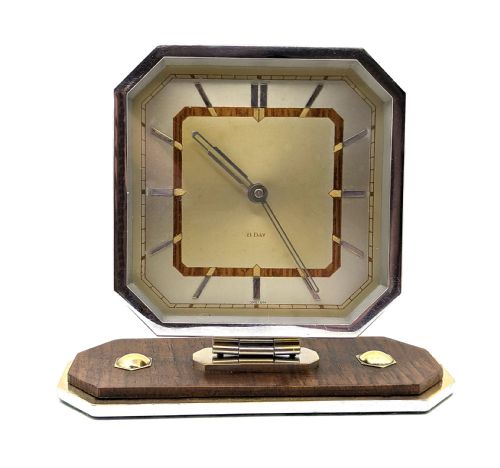
An art deco mantel timepiece stands as a compact domestic clock designed to sit on a mantelpiece, shelf, or desk. The pieces seen here span the early twentieth century, drawing heavily from the aesthetics of the nineteen-twenties and nineteen-thirties.
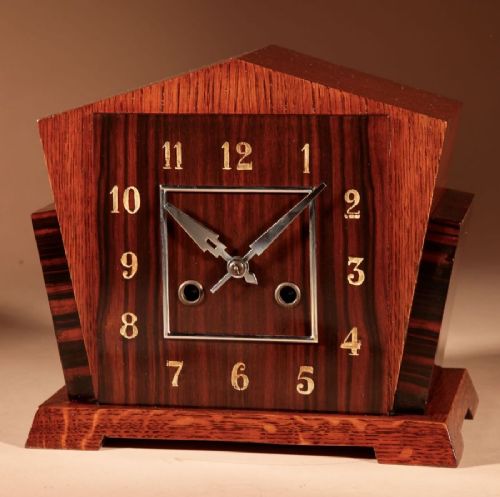
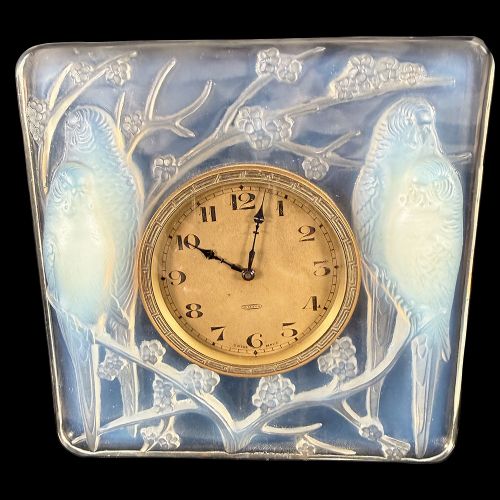
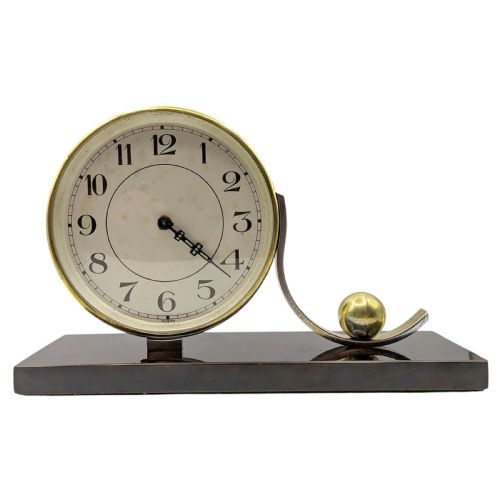
Forms range from architectural skyscraper designs and sleek geometric desk clocks to sculptural glass figures incorporating animal subjects and floral motifs. Alongside standard mantel clocks, the selection includes desk clocks, garniture sets, and mystery clocks.
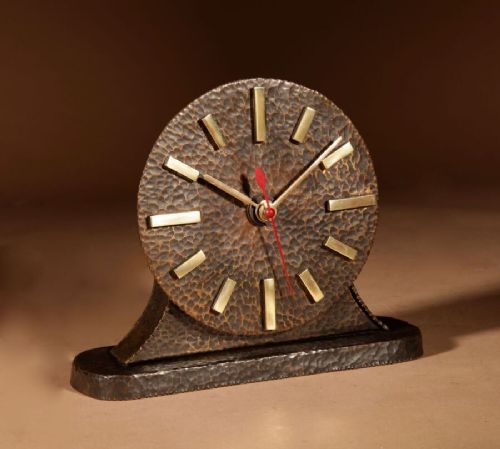
Origins vary across English, French, and Amsterdam School traditions, reflecting diverse regional interpretations of modernism. Materials shift from traditional timber cases to industrial metals and moulded glass.
How they were made
Cases combine heavy structural elements of marble, onyx, and hardwoods such as oak, walnut, and macassar ebony with contrasting metallic details in chrome, brass, bronze, and ormolu. Woodwork involves careful polishing and veneering to highlight natural grains.
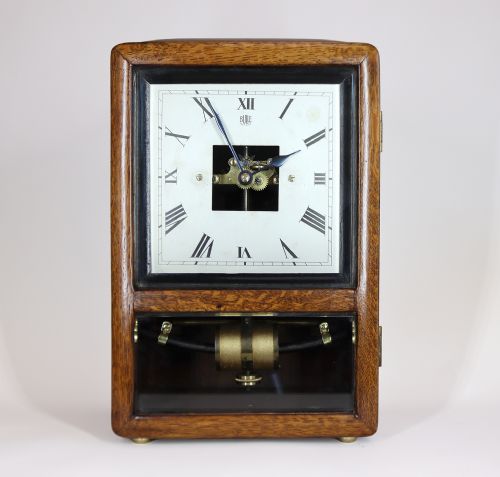
Glass is utilised extensively through moulding, opalescent finishes, and cast uranium or mirror glass panels, often paired with metal bezels and painted dials. Early electrical systems and standard mechanical thirty-hour or eight-day movements drive the mechanisms.
German shepherd dogs and love birds keep silent watch over the passing hours from atop glass and bronze clock cases.
What varies in quality
Quality rests upon the pedigree of the maker and the sophistication of the movement, distinguishing standard commercial production from specialised workshop output. Signed dials and movements by established makers elevate a piece significantly.
The choice and handling of materials dictate visual impact, separating simple wood cases from complex assemblies of multi-coloured marble, cast bronze sculptures, and signed opalescent moulded glass. The integration of specialised movements, such as early electrical systems or eight-day calibres, marks out superior examples.
R Lalique·Smiths Clockmakers·Mappin & Webb·Blangy Clockmakers·Asprey·Bravingtons Ltd·Elliott of London
The Art Deco Mantel Timepiece Glossary
- Timepiece
- A clock that indicates the time without striking hours or quarters. These movements focus purely on continuous timekeeping.
- Garniture
- A set consisting of a central clock flanked by matching decorative ornaments or side pieces. Such arrangements create a balanced decorative display on a mantel.
- Mystery clock
- A timepiece where the mechanism driving the hands is concealed, often making the hands appear to float without a visible connection to the movement. These represent clever technical ingenuity.
- Bakelite
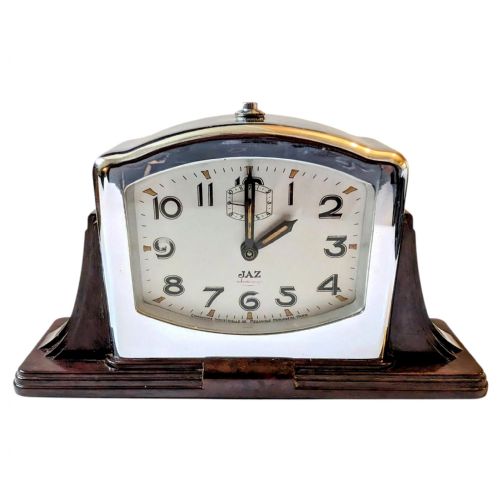
- An early synthetic plastic moulded into smooth cases and geometric desk stands during the period. Its durability and distinct sheen suited modern industrial design.
- Amsterdam School
- An architectural and design style originating in the Netherlands characterised by rounded brickwork, expressive forms, and rich timber craft. Pieces in this idiom combine traditional woodwork with modernist geometry.
Art Deco Mantel Timepiece: Frequently Asked Questions
How do electric art deco clocks work?
Early electrical movements of the period utilise battery power and magnetic impulses to maintain the swing of the pendulum or balance wheel without manual winding.
These systems represent an experimental transitional phase in domestic timekeeping before mains electricity became standard.
Where should I place a mantel clock?
These clocks suit prominent flat surfaces such as living room mantelpieces, sideboards, study desks, or bedroom dressers where their geometric silhouettes can be appreciated.
Ensure the surface is level to keep mechanical or pendulum movements running accurately.
What is a clock garniture set?
A garniture set pairs a central timepiece with matching side ornaments, such as sculpted figures, vases, or urns, designed to sit together as a unified arrangement.
Originating in grand nineteenth-century interiors, the format continued into the modernist era with stylized animal or abstract sculptures.
How do I identify an Amsterdam School piece?
Amsterdam School designs feature expressive organic shapes, rich contrasting timbers like rosewood and macassar ebony, and distinctive hammered metalwork.
These pieces emphasise artisanal craftsmanship and sculptural joinery rather than strict symmetry.