


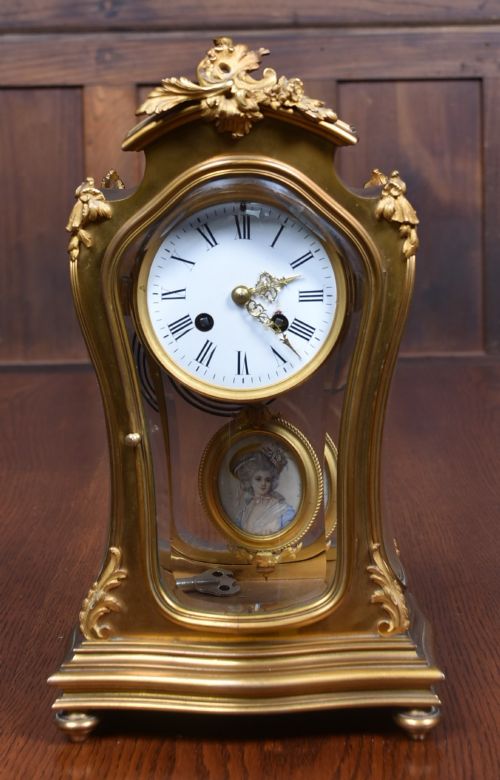


Antique Enamel Table Clock
An antique enamel table clock brings a disciplined rhythm and rich colour to a room, combining precise timekeeping with decorative brass and bronze work.
Antique Enamel Table Clock
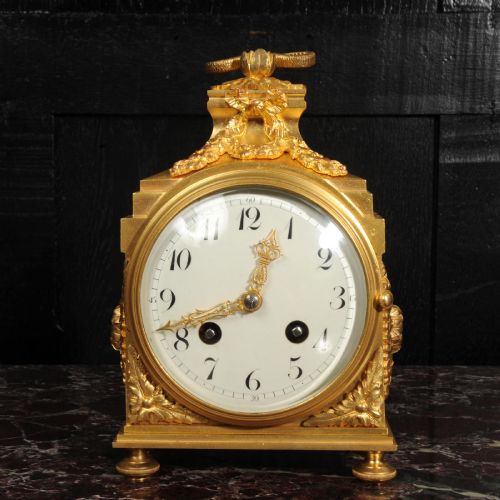
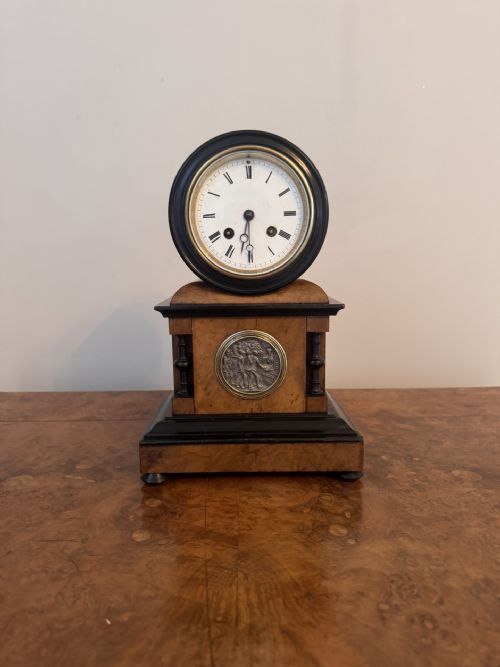
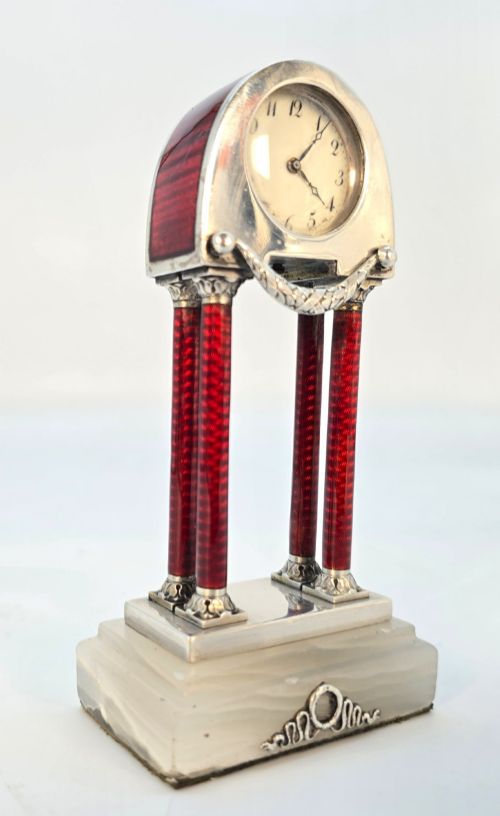
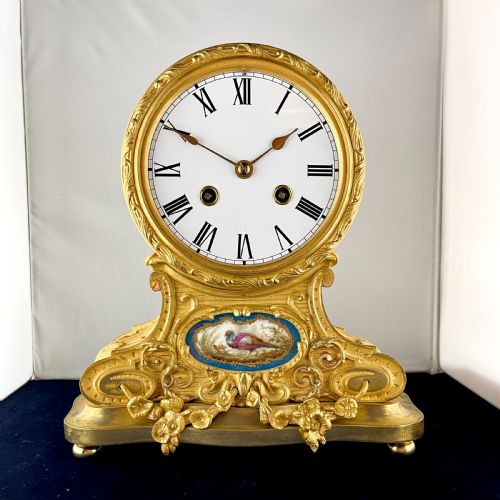
When you search for an antique enamel table clock, you encounter a variety of forms including mantel clocks, carriage clocks, desk clocks, and multi-piece clock garniture sets. These pieces originate predominantly from the nineteenth century and the early twentieth century, spanning periods from the Victorian era through to Art Deco and Arts and Crafts movements.
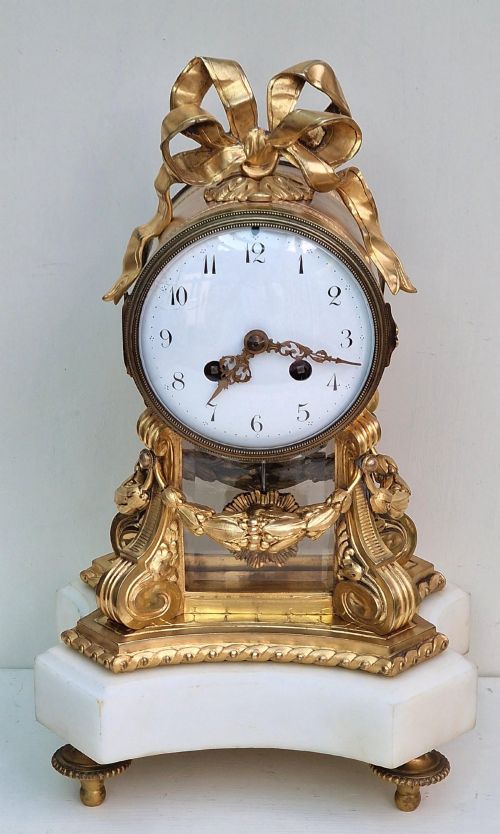
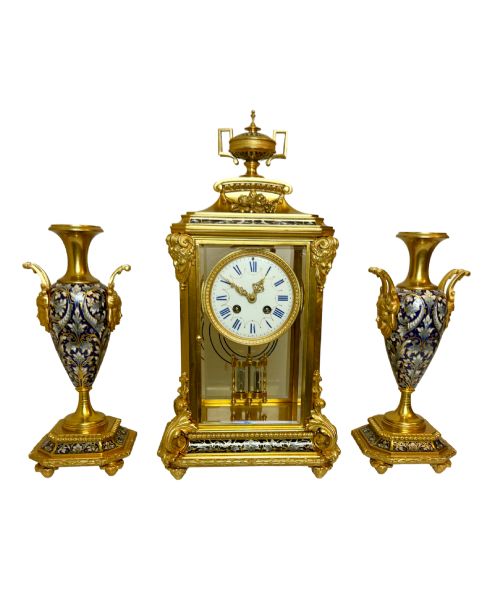
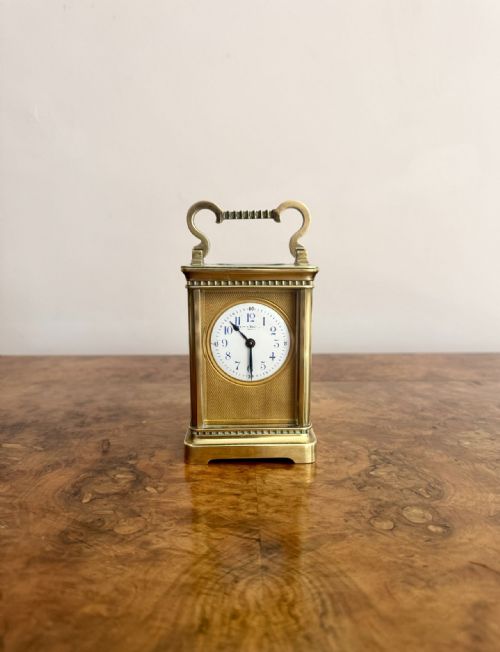
The most common examples on this page are French carriage clocks and mantel clocks dressed in gilt brass, ormolu, and champlevé enamel. Alongside these, British and continental workshops produced distinctive pieces utilising pewter, silver, and marble, often styled in French Rococo Revival or Louis XVI motifs.
Materials and construction
Maker workshops built the structural chassis of these clocks using cast brass, gilt bronze, ormolu, and occasionally pewter, housing mechanical movements driven by springs and escapements. Glass panels were frequently fitted to four-glass mantel clocks and carriage clocks to display the internal cogs and escapement from multiple angles.
Dials and decorative panels incorporated fired enamel, champlevé techniques, and painted enamel miniatures, sometimes accented with diamonds or set within white marble and faux tortoiseshell cases. Many examples required hand-engraving on the brass work and careful mounting of porcelain or Delft enamel dials.
Several carriage clocks retain their original leather travel cases, having survived international journeys across the nineteenth century intact.
Quality and execution
The distinction between standard production and top-tier pieces rests on the crispness of the cast bronze ornament, the depth of the hand-engraving on the brass case, and the complexity of the enamel work. Finer clocks feature crisp champlevé cells and undamaged painted enamel panels executed by named makers or high-end retailers.
Mechanical sophistication also sets examples apart, with repeat-striking mechanisms, alarm functions, and fully engraved movements marking superior grade manufacturing. The integration of solid marble bases, heavy ormolu mounts, and signed dials further separates standard travel timepieces from exhibition-grade cabinet pieces.
Georg Adam Scheid·David Veasey for Liberty & Co·Latshea & Sons Edinburgh·Tiffany·Sacre·Leon Message·Jollet et Cie
The Antique Enamel Table Clock Glossary
- Champleve enamel
- A technique where troughs or cells are hollowed out of a metal surface and filled with vitreous enamel before firing. This method creates rich, patterned borders around clock dials and case pillars.
- Ormolu
- Gilt bronze produced by applying a finely ground high-carat gold-mercury amalgam to a bronze object, then heating to drive off the mercury. It imparts a warm, durable golden finish to nineteenth-century clock mounts.
- Carriage clock
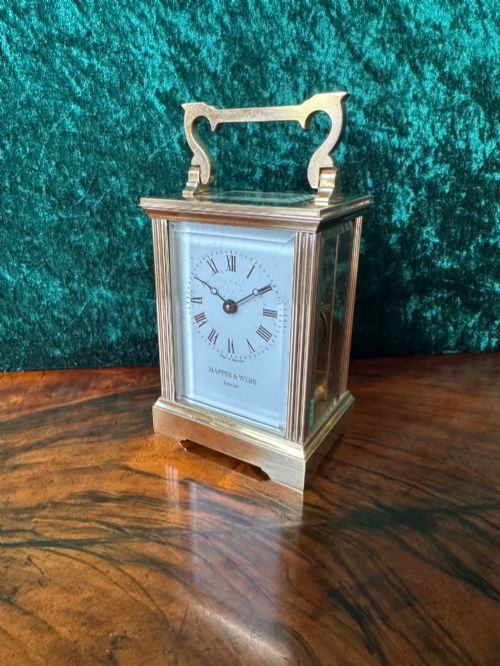
- A small, spring-driven timekeeper equipped with a swing handle, originally designed for travel by officers and gentlemen. Most feature glass panels allowing the escapement to be observed.
- Clock garniture
- A matching set comprising a central clock flanked by matching decorative objects such as urns, vases, or candelabra. These sets were designed to sit symmetrically on a mantelpiece.
- Pendule d'Officier
- A French military-style table clock featuring a distinctive square brass case and a carrying handle. They often incorporate strike and alarm complications.
Antique Enamel Table Clock: Frequently Asked Questions
How do I wind a carriage clock?
Most antique carriage clocks are wound using a dedicated double-ended key inserted into arbors located on the underside or backplate of the movement. One side winds the time train, while the other winds the strike or alarm mechanism if present.
Care should be taken not to overwind the springs, stopping as soon as firm resistance is felt. Ensure the clock is placed on a stable, level surface before attempting to set the time or wind the springs.
What is a four glass mantel clock?
A four glass mantel clock is a tall, upright timepiece housed in a brass or gilt frame inset with heavy bevelled glass panels on the front, back, and both sides. This construction allows unrestricted light into the movement, showcasing the mercury pendulum or escapement.
Originating largely in the late nineteenth century, these clocks typically feature porcelain or enamel annular dials with delicate hands. Their restrained architectural proportions suited formal Victorian and Edwardian drawing rooms.
How do I care for antique enamel?
Enamel surfaces should be cleaned only with a soft, dry microfibre cloth to remove dust and prevent abrasion to the fired glass surface. Avoid chemical cleaners, solvents, or moisture, as these can seep into hairline cracks and corrode the underlying base metal.
Keep the clock away from direct sunlight and fluctuating temperatures to prevent expansion stresses in the brass frame from damaging the brittle enamel panels.
What is a clock garniture?
A clock garniture is a decorative set comprising a central mantel clock accompanied by two matching side ornaments, such as urns or vases. These sets were manufactured to create a balanced focal point on a fireplace mantel or large sideboard.
The pieces share identical materials, such as champlevé enamel, gilt bronze, or marble, ensuring a unified visual theme across the entire arrangement.
How do repeat-striking clocks work?
A repeat-striking mechanism allows the owner to press a button or pull a cord on the case to make the clock chime the most recent hour and quarter-hour on demand. This function was especially useful for telling time in a dark bedroom before the widespread availability of electric lighting.
The complication requires additional racks and gear trains within the brass movement, making such clocks more complex than standard timepieces.