

Art Deco Lighting Base
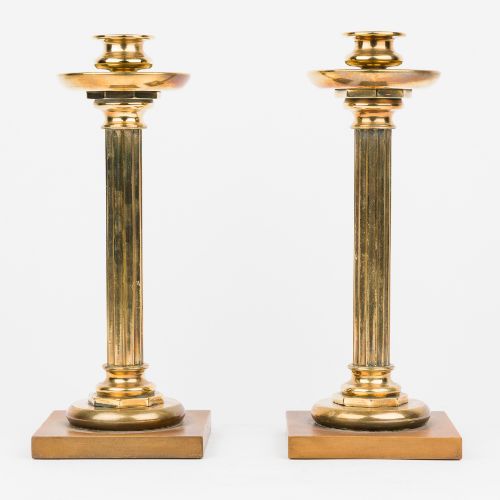
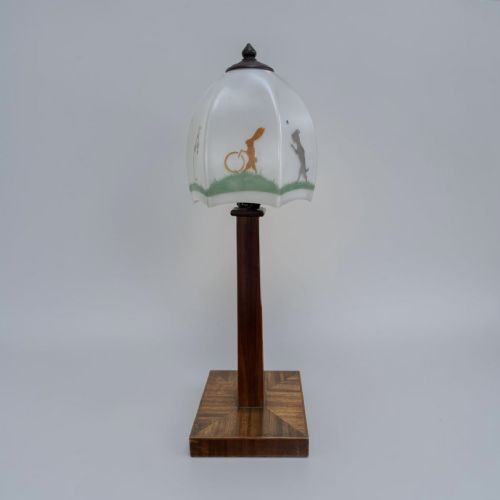
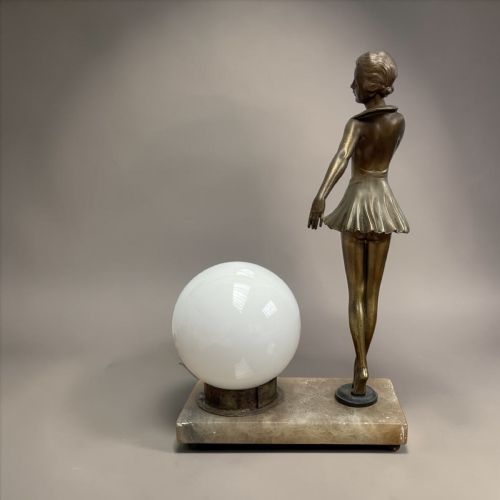
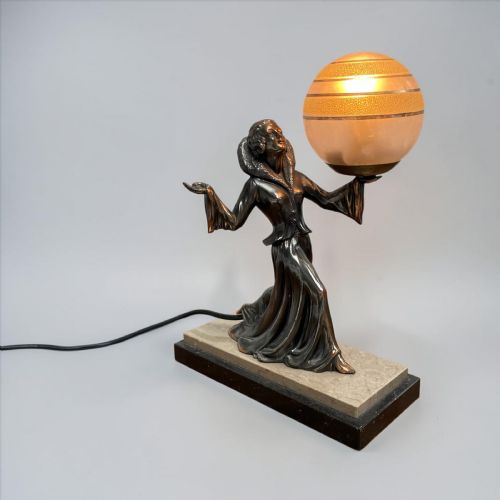
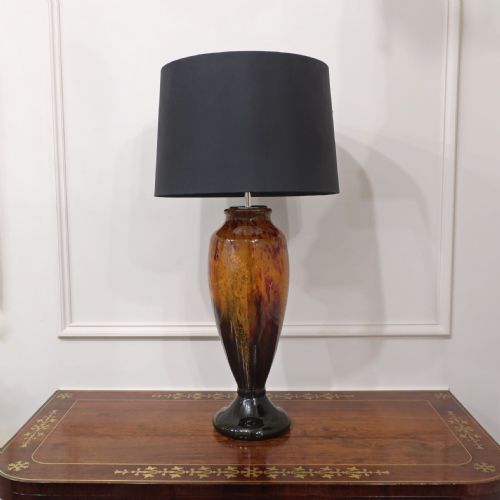
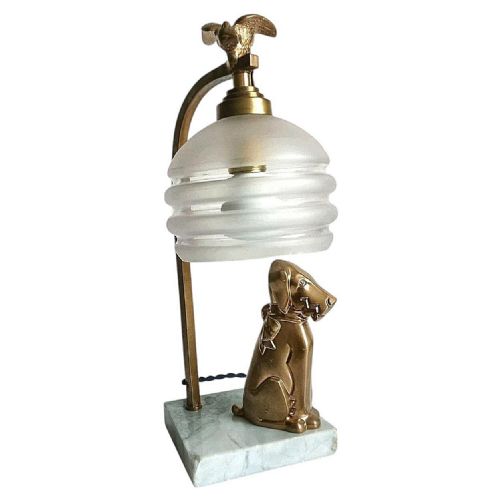
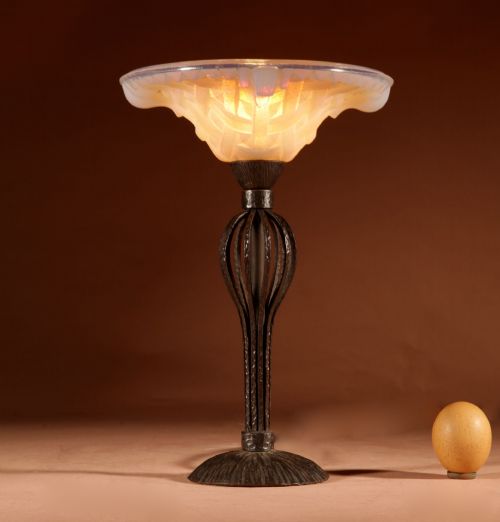
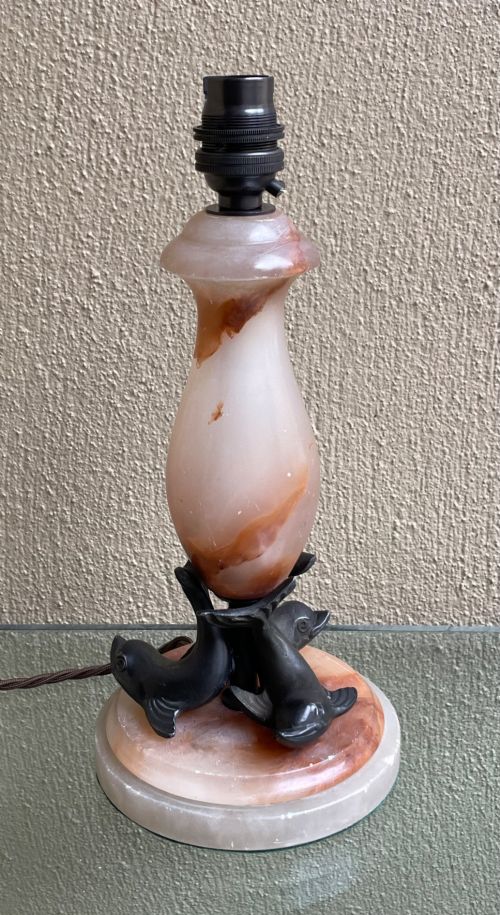
These art deco lighting base examples range from sculptural figures to architectural columns, providing the solid foundation for period illumination.
Art Deco Lighting Base
An art deco lighting base provides the structural support for period illumination, frequently taking the form of table lamps, standard lamps, and desk lamps. These pieces originate primarily from the 1920s and 1930s, reflecting the dominant design movements of the era.
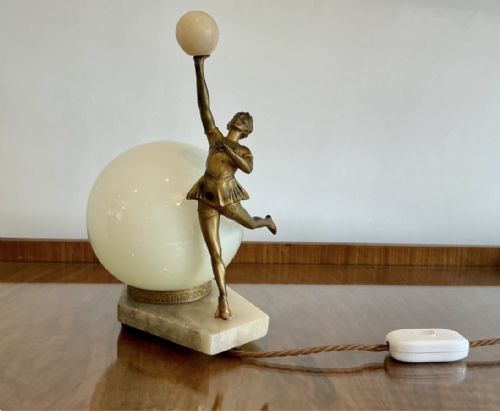
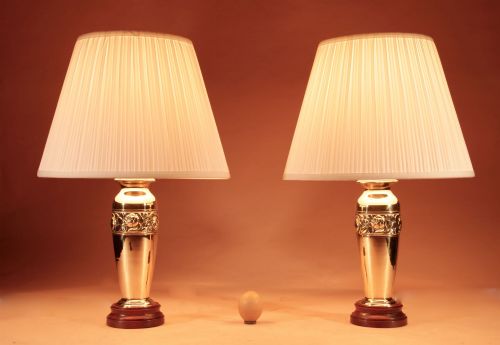
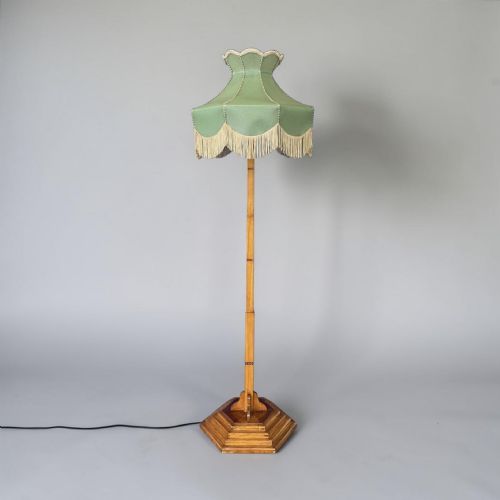
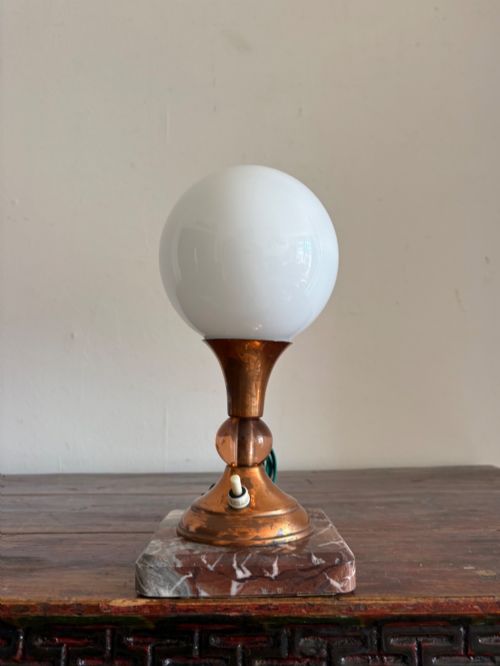
The most common version met on this page is the figural or geometric table lamp, often incorporating marble, brass, or spelter. Alongside these, buyers find floor lamps and candlesticks adapted for electrical fittings, reflecting the domestic lighting transitions of the early twentieth century.
How they were made
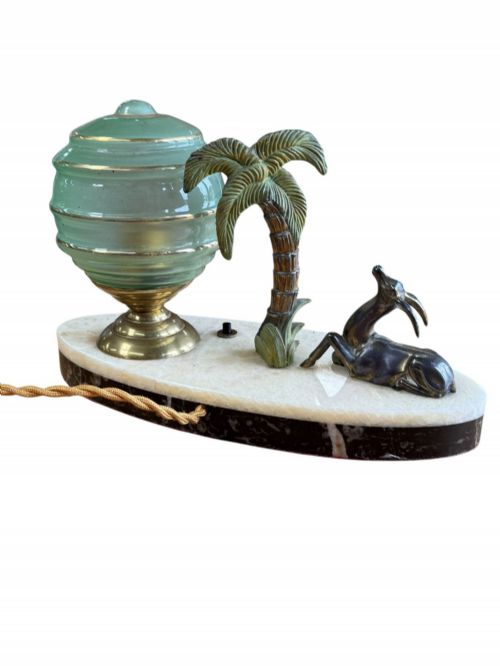
Foundries and workshops utilised metals such as brass, bronze, copper, chrome, nickel, and pewter, often casting figural subjects like ladies and animals in spelter. These metal components were frequently mounted onto heavy stone plinths.
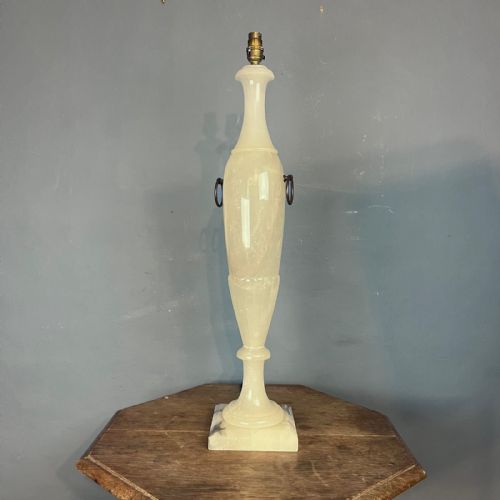
Glass elements, including opaline, frosted, and mottled shades, were produced by blowing or pressing, sometimes in the manner of notable glassworks. Alabaster and marble were hand-carved to form solid plinths and bodies that anchored the electrical components.
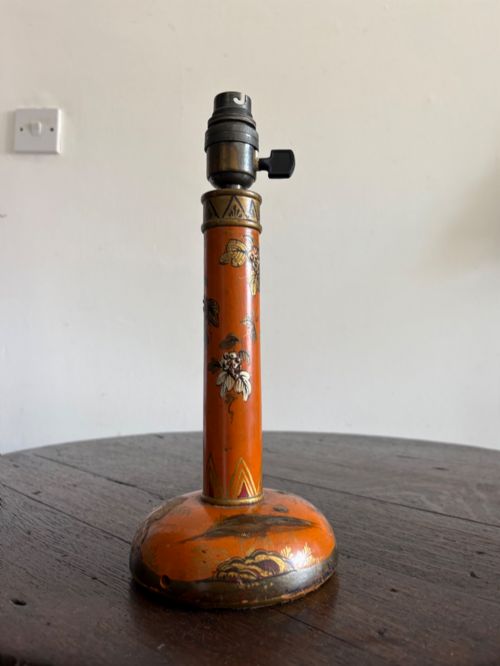
The inventory combines utilitarian desk lamps from the Bauhaus tradition alongside ornate Chinoiserie lacquer pieces from the same decade.
What varies in quality
The distinction between tiers rests upon the crispness of the casting and the quality of the materials used in construction. Substantial carved marble and fine bronze or brass castings command greater regard than lighter spelter or composite alternatives.
Artistic collaboration also dictates standing, particularly where shades or bases link to known glass houses and designers. The integration of materials, such as the union of wrought iron with signed glass or silver with stone, separates standard production from superior examples.
Charles Schneider·Lacroix·Lalique·Wilhelm Wagenfeld·Daum·Muller Bros·Baccarat·Heals·Eileen Grey
The Art Deco Lighting Base Glossary
- Spelter
- A zinc alloy commonly utilised as a less costly alternative to bronze for casting figural lamp bases and decorative sculptures. It takes patination well to simulate heavier metals.
- Opaline glass
- A milky, semi-translucent glass developed to diffuse light softly without glare. It appears frequently in period shades paired with metal bases.
- Bauhaus
- A German design movement prioritising functionalism and industrial aesthetics. Objects from this influence employ clean geometric lines and metal tubing.
- Chinoiserie
- A decorative style reflecting European interpretations of Chinese artistic traditions. Pieces in this idiom often display hand-painted lacquer finishes.
- Odeon style
- An architectural and decorative genre influenced by cinema design, also known as skyscraper style. It relies on stepped vertical forms and tiered metallic tiers.
Art Deco Lighting Base: Frequently Asked Questions
How do I identify a genuine period base?
Examine the weight, materials, and construction methods characteristic of the 1920s and 1930s. Genuine examples show period-appropriate wiring channels, heavy bases of marble or cast metal, and authentic patina.
Look for the manufacturing signatures or style traits associated with the interwar period. Mass-produced modern reproductions generally lack the specific casting weight and hand-finished details of the original items.
Were these bases originally electrified?
Many items designed during the 1920s and 1930s were produced specifically for electricity as domestic grids expanded. Candlesticks and oil lamps from slightly earlier periods were frequently converted later.
Conversion methods and internal fittings help indicate the timeline of electrification. Original electrical components often require rewiring to meet current safety standards while preserving the exterior structure.
What shades belong on these bases?
Original pairings typically involve glass shades such as opaline, frosted, or mottled bowls that complement the metal or stone of the support. The proportions of the shade must balance the visual weight of the base.
Matching shade fitters to the gallery holder size is essential for secure mounting. Many bases survived without their original shades due to the fragile nature of glass.
How should I care for mixed metal and stone?
Dust metal and marble surfaces regularly with a soft, dry cloth to prevent the accumulation of grime. Avoid harsh chemical cleaners that can strip historic patination from brass or bronze.
Unsealed stone like alabaster requires particular care to avoid moisture staining. Gentle maintenance preserves the original finish and material integrity of the piece over time.