


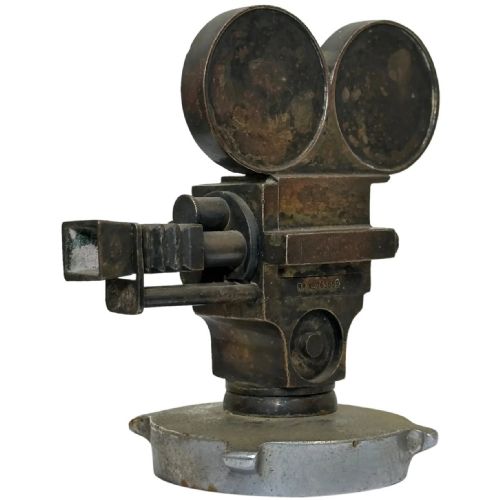


Art Deco Hood Ornament
An art deco hood ornament brings the speed and sleek style of the nineteen twenties and thirties straight to a classic motor.
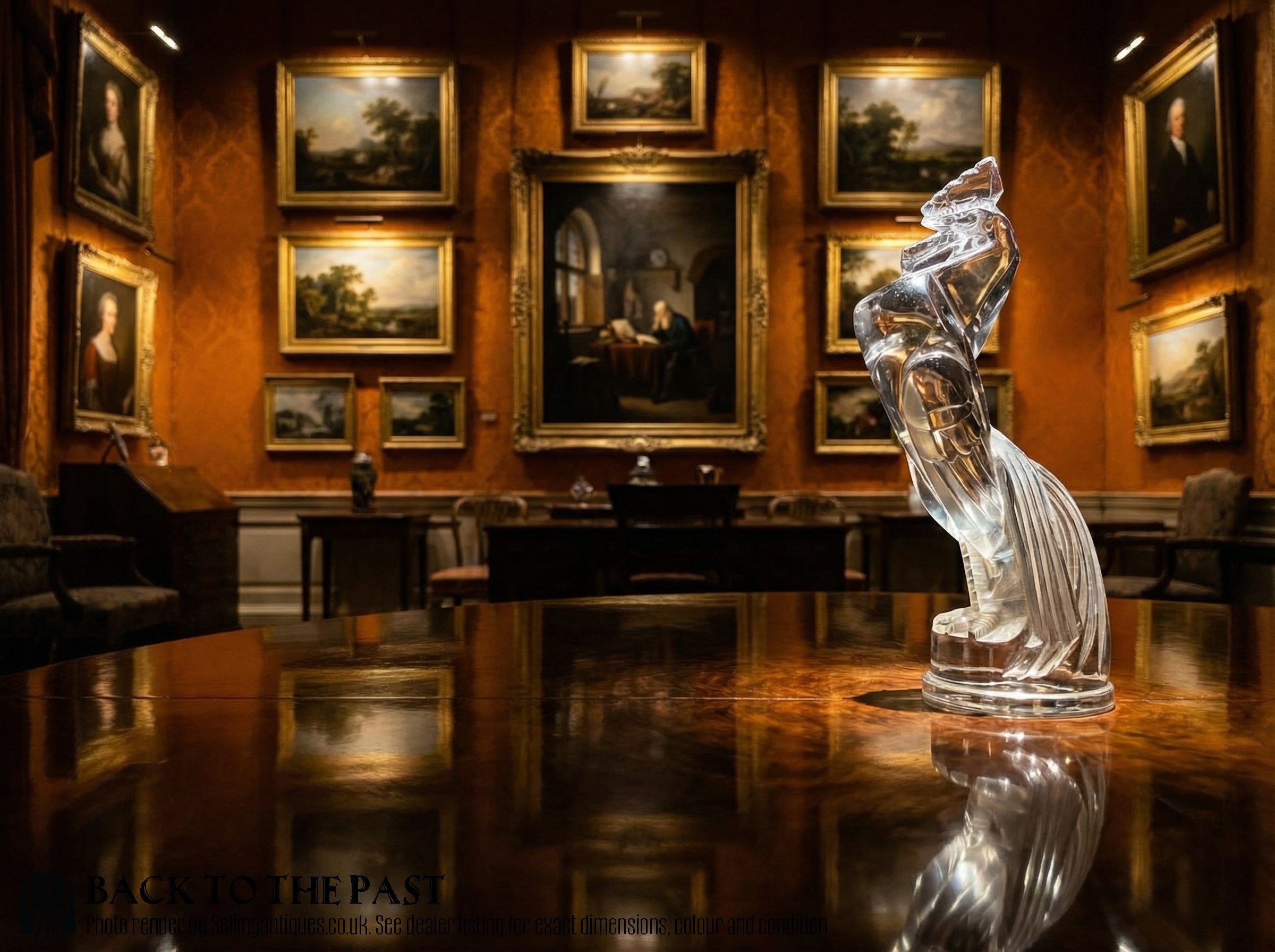
Identifying an art deco hood ornament
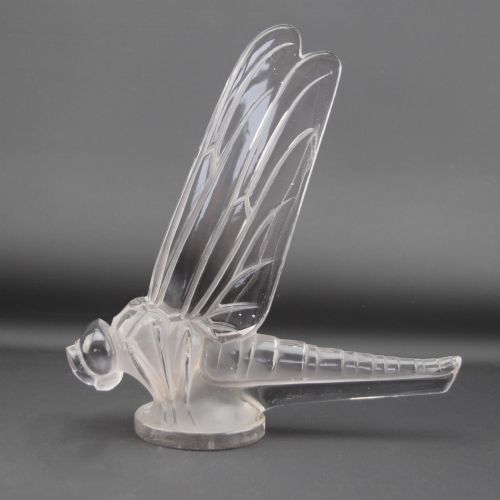
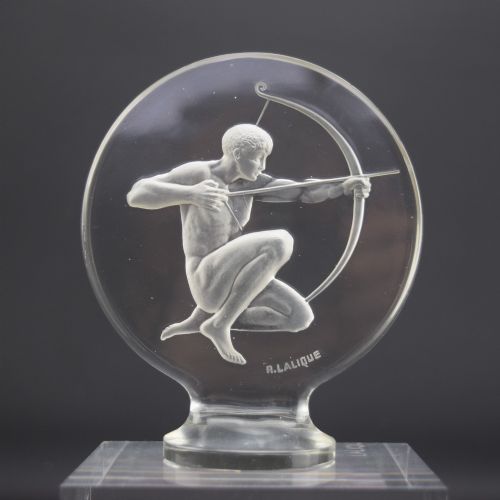
An art deco hood ornament is an automotive mascot or sculpture designed to mount on the radiator cap of a period motor car. These pieces take the form of car mascots, paperweights, and sculptures representing speed, animals, and figures.
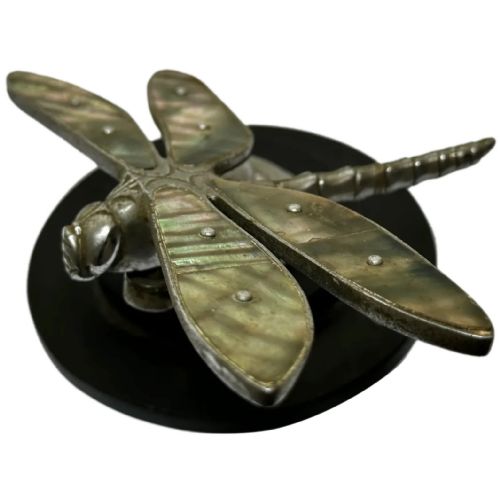
The most common versions met on this page are figural bronzes and moulded glass pieces dating from the nineteen twenties and nineteen thirties. They capture the modernist tastes of the interwar period through stylised forms and dynamic silhouettes.
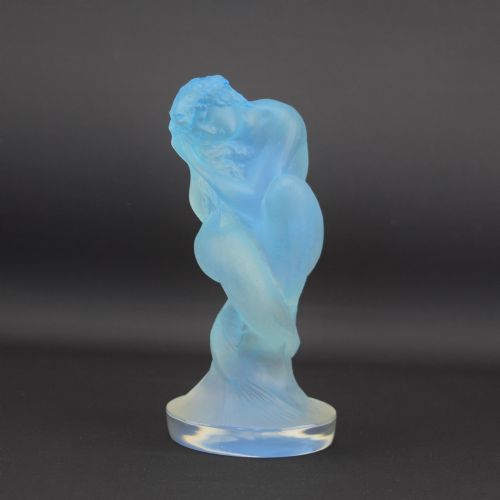
Mascots range from racing greyhounds and movie director reel cameras to nude women and female golfers. Each object reflects the distinct character and motoring passions of the art deco era.
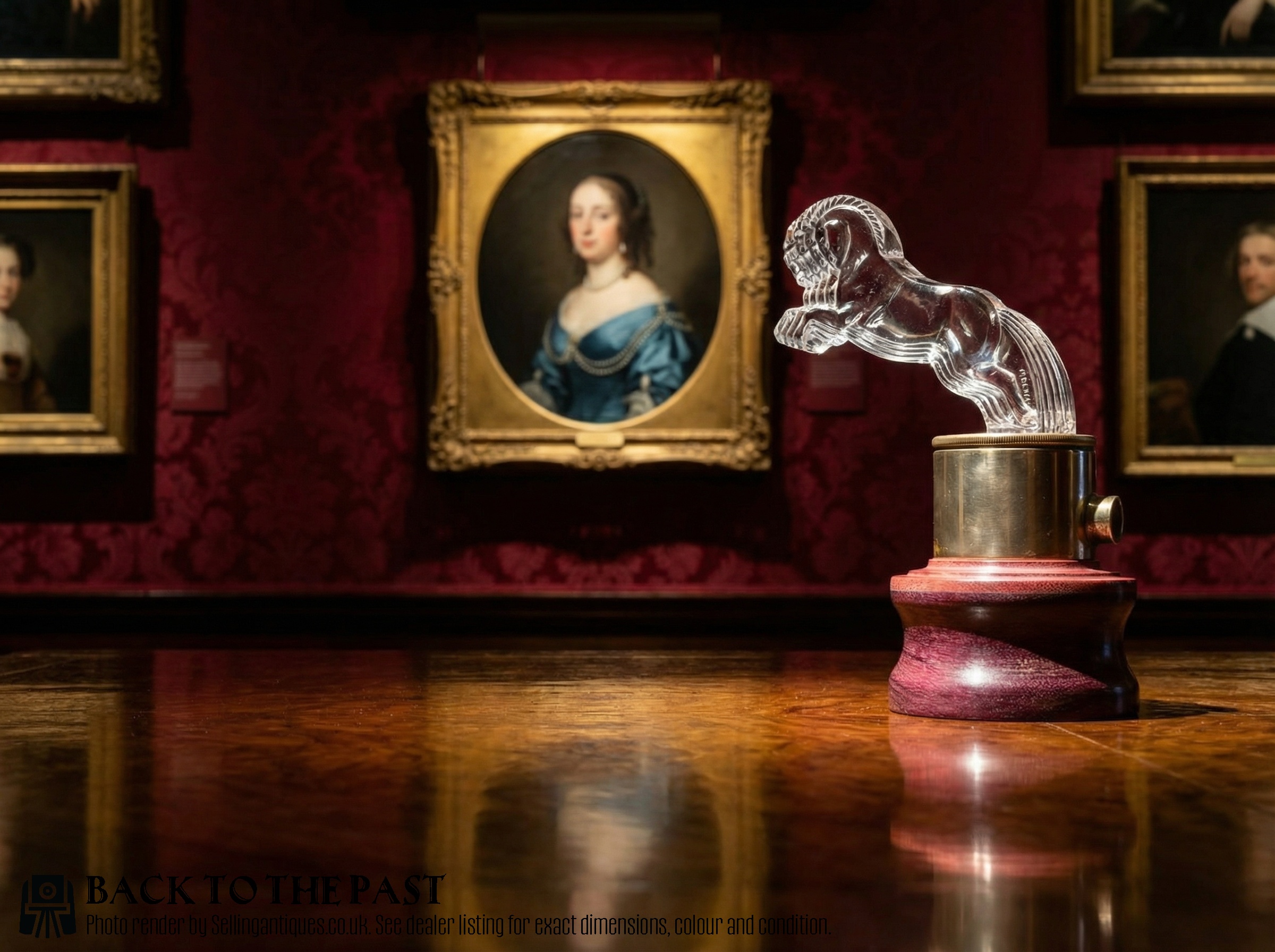
Materials and construction
Makers utilised cast bronze, chrome, and solid metal to produce heavy, durable figures meant to withstand wind and weather on the road. Some examples combine bronze and chrome finishes or sit upon marble bases for display.
Glass pieces rely on moulded and frosted glass, often with opalescent qualities that catch the light. This technique allowed French glasshouses to create luminous, translucent forms that could be illuminated from below on a radiator cap.
Retail Price Guide 2026
Typical UK retail prices for art deco hood ornament, calculated from the Sellingantiques database of over a million retail prices indexed since 2003. This retail price guide relies exclusively on Sellingantiques data; no external sources or auction records are used, so the figures do not describe the wider market.
Some interwar motorists mounted illuminated glass dogs on their bonnets to ensure the hound stayed cheerful even after dark.
Judging quality and execution
In glass work, the depth of the moulding and the subtlety of the opalescence separate master glasshouses from mass producers. The weight of the material and the sophistication of the design determine the standing of each mascot.
Rene Lalique·Louis Lejeune·Jose Dunach
The Art Deco Hood Ornament Glossary
- Automobilia
- Artefacts and collectibles associated with motor cars and motoring history. This term covers everything from mascots to garage signs.
- Car Mascot
- A sculptural ornament mounted on the radiator cap of a motor car. They serve as both personal expression and aerodynamic decoration.
- Opalescent Glass
- Glass that has a milky, iridescent appearance, shifting in colour tone as the light changes. It was utilised extensively for decorative mascots that doubled as paperweights.
- Moulded Glass
- Glass formed by pressing molten material into a metal or wooden mould. This technique allows for high-relief sculptural detail.
Frequently Asked Questions
How were these ornaments mounted on cars?
Mascots were typically fitted directly onto the radiator cap of a vintage motor car using a threaded base or a specialised adaptor. This allowed drivers to display their chosen sculpture proudly at the front of the bonnet.
Over time, many of these ornaments were removed from working vehicles and placed on marble bases to be enjoyed as desk sculptures or paperweights indoors.
Can glass mascots be used on actual cars today?
Glass mascots were originally designed for open road use during the nineteen twenties and thirties, utilising the lighting systems of the period. Today, owners generally preserve fragile glass pieces indoors to protect them from road debris and stone chips.
Metal and bronze examples are sturdier, though many collectors still prefer to display them safely off the road due to their historical value.
What subjects are most common?
Speed and movement dominate the subjects, featuring greyhounds, racing themes, and dynamic human figures. Animal forms and modernist objects like movie cameras also appear frequently.
These subjects reflect the cultural obsessions of the interwar period, celebrating technology, athletics, and streamlined design.
How do I date a metal mascot?
Dating relies on the stylistic markers of the art deco period, alongside the specific materials and manufacturing techniques recorded by makers of the nineteen twenties and thirties. Maker signatures and foundry marks provide the clearest timeline.
Comparing the patina and wear patterns to documented examples from the same workshop helps confirm the era of production.