




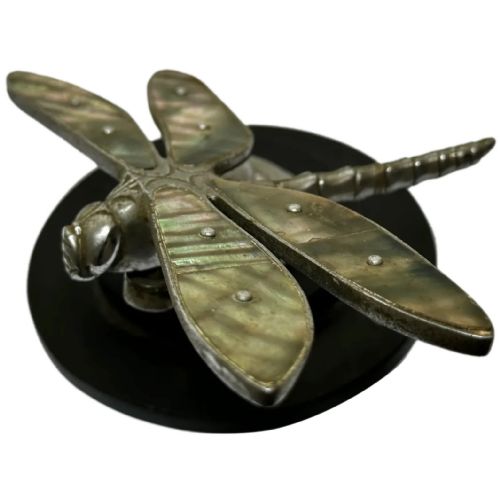


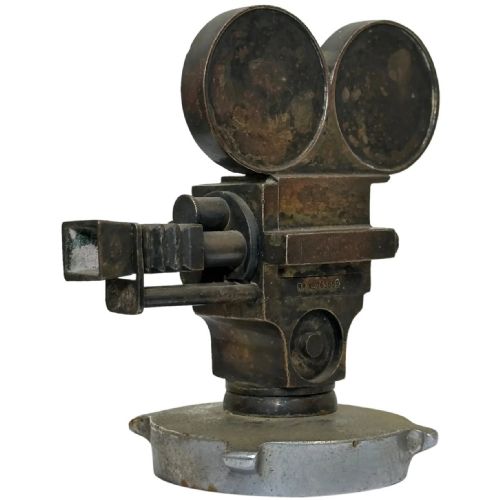

Vintage Car Mascot
These vintage car mascot pieces bring kinetic grace to a bonnet or desk, capturing early motoring ambition in bronze and glass.
Vintage Car Mascot
A vintage car mascot sits proudly upon a vehicle bonnet, functioning simultaneously as individual expression and motoring ornamentation. You will find these pieces spanning the early twentieth century into the middle decades, reflecting the shifting tastes of motorists.
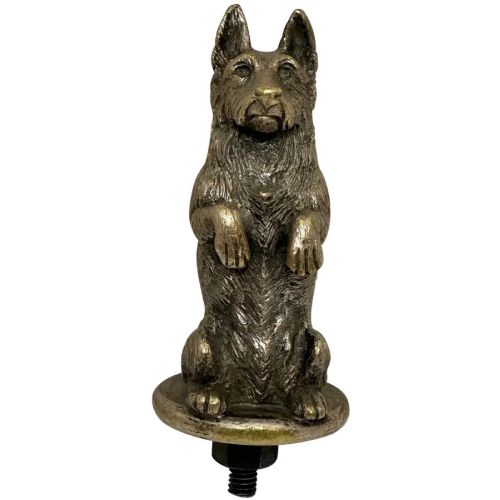
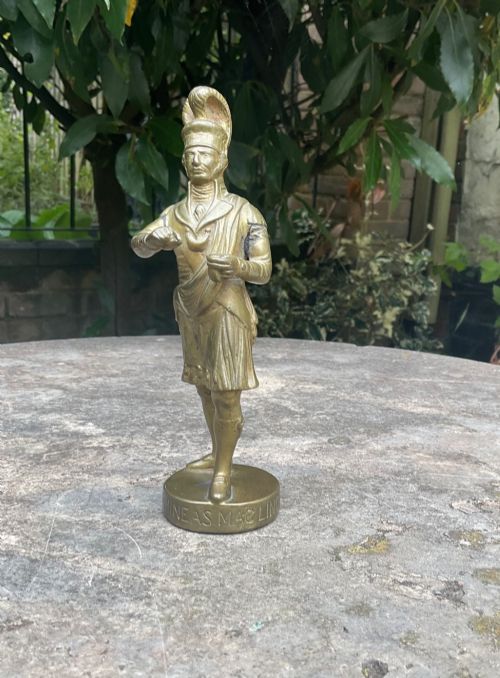
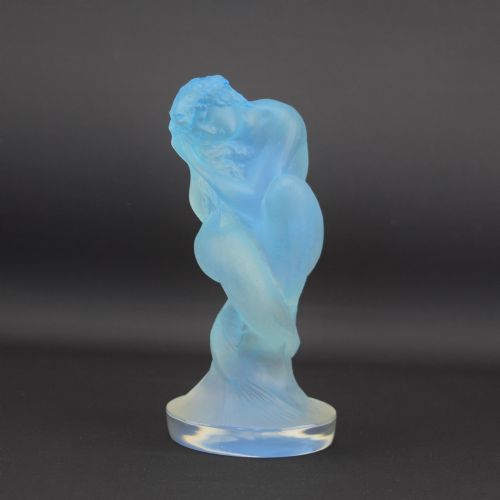
The selections available here showcase notable sculptural forms including animal figures, nude women, and architectural motifs. Many examples cross over into desk accessories and paperweights, moving easily from the radiator cap to the study.
Art Deco styling dominates the selection, accompanied by earlier Edwardian heraldic and mid-century automobilia pieces. These objects capture a period when private motoring transformed from an eccentric pursuit into an elegant art form.
Materials and Construction
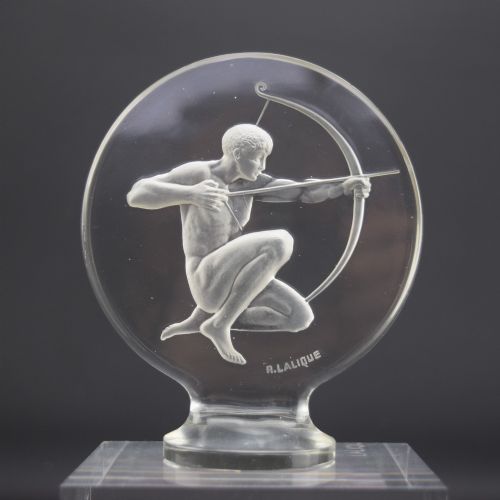
Moulded glass variants utilised clear, frosted, and opalescent qualities to catch daylight and transform headlamp beams during night journeys. These glass creations required precise cooling techniques to achieve their luminous depths and sculptural contours.
Vintage Car Mascot Retail Price Guide 2026
Typical asking prices for vintage car mascot among the pieces listed under this phrase on Sellingantiques today, from the lower quarter to the upper quarter. They describe what is for sale here now, not the wider market.
Assessing Craftsmanship
Glass pieces demonstrate excellence through the subtlety of their opalescence and the purity of the material free from distracting internal flaws. The weight of the metal and the integrity of the original mounting hardware further distinguish superior examples.
Rene Lalique·Louis Lejeune·Jose Dunach
The Vintage Car Mascot Glossary
- Automobilia
- Items associated with the history, culture, and accessories of motor cars. This category embraces everything from radiator ornaments to desk accessories.
- Radiator cap
- The functional fitting on an engine cooling system upon which many early mascots were mounted. Drivers secured their chosen ornaments directly to this prominent position.
- Opalescent glass
- Glass that displays a milky, iridescent quality shifting between blue and amber tones in changing light. This technique created striking visual effects on illuminated mascots.
- Cold-painted bronze
- Bronze sculpture decorated with non-fired paints applied after the casting process. Vienna workshops specialised in this detailed polychrome surface finish.
- Desmo
- A well-known British manufacturer of automotive accessories and mascots. Their pieces often reflect popular themes of British wildlife and sports.
Vintage Car Mascot: Frequently Asked Questions
What is a vintage car mascot?
A vintage car mascot is an ornamental sculpture fitted to the radiator cap of a motor vehicle during the early decades of the twentieth century. Drivers selected these pieces to personalise their automobiles and express individual style.
Over time, many of these ornaments transitioned from exterior vehicle fixtures into interior desk accessories and display objects. They remain prized by collectors for their sculptural merit and association with early motoring culture.
How were glass mascots used on cars?
Glass mascots were mounted onto illuminated radiator bases that made the moulded material glow during evening drives. The heavy glass caught both daylight and artificial light to dramatic effect.
Because vulnerable glass ornaments suffered easily from road debris and minor impacts, many surviving examples eventually moved indoors to serve as paperweights.
How do I identify an Art Deco mascot?
Art Deco mascots feature stylised geometric lines, streamlined animal forms, and depictions of speed such as racing greyhounds or diving swallows. The human figures often display classical athletic proportions.
Materials from this period frequently include chromium plating alongside traditional bronze and moulded glass, reflecting industrial modernisation.
Were these mascots made in Britain?
British makers produced numerous metal mascots featuring patriotic themes, sporting dogs, and local wildlife. Companies such as Desmo supplied drivers with accessible accessories.
Continental workshops, particularly in France and Austria, focused heavily on artistic glass and cold-painted bronze figures that appealed to luxury motorists.