



Art Deco Glass Showcase
These art deco glass showcase pieces offer striking geometry and clear visibility for precious items, bringing period character to any interior.
Art Deco Glass Showcase
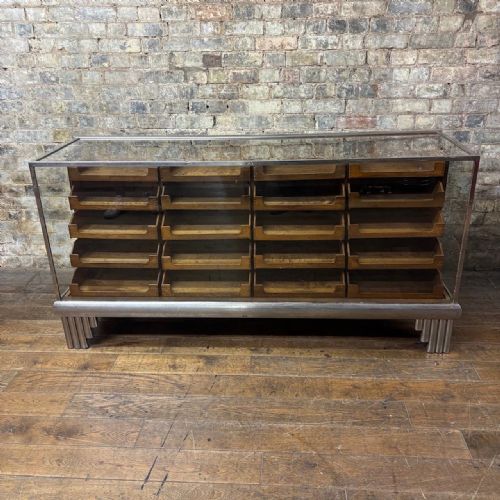
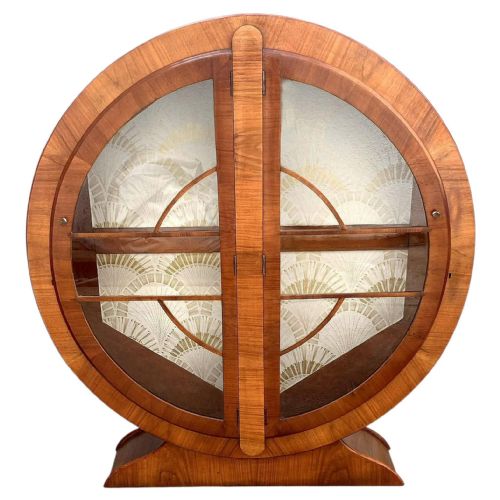
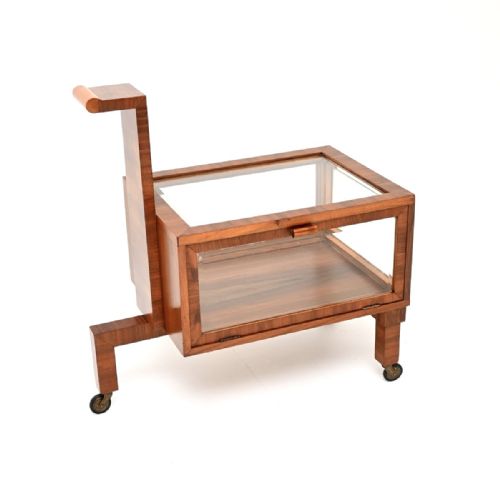
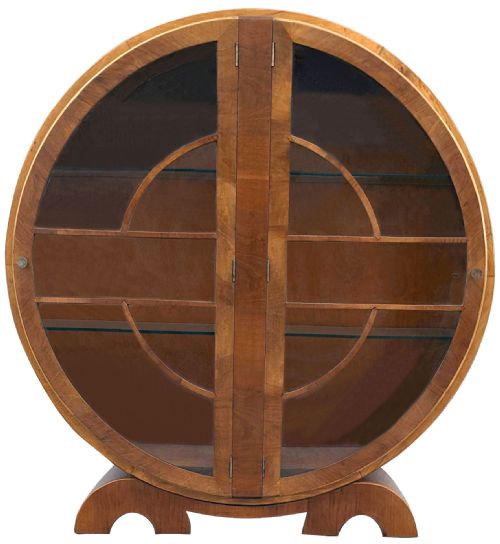
An art deco glass showcase serves as a refined vessel for displaying objects, drawing on the distinct design language of the 1920s and 1930s. Buyers searching for an art deco glass showcase encounter various forms, from circular walnut cabinets and serving carts to shop display counters and tall tower units.
Most examples hail from the 1930 period, featuring characteristic geometric lines and transparent panes designed to draw the eye inward. The selection balances domestic display furniture with commercial shop fittings repurposed for the home.
How they were made
Cabinetmakers utilised rich timber veneers such as walnut, mahogany, oak, and birch, often pairing warm wood grains with industrial metals like chrome, steel, aluminium, and brass. Structural frames were built solidly from wood or metal to support expansive glass panels.
Details extended to specialised fittings like leather trim, fabric linings, and distinctive stylistic legs. Construction methods joined traditional cabinetry with early commercial metalwork techniques to achieve the characteristic streamlined look.
Materials recorded in this category include walnut, oak, mahogany, birch, glass, brass, chrome, steel, aluminium, fabric, and leather.
What varies in quality
The distinction between standard pieces and exceptional ones rests on the ambition of the form, such as unusual circular or clove shapes, and the sophistication of the materials used. Superior examples combine luxurious veneers like walnut with polished metal framing and original glass panes.
Makers' marks and known commercial origins elevate certain display counters and haberdashery units above domestic alternatives. The integration of contrasting elements like steel, leather, and rich woods defines the higher tier of these showcases.
Dudley & Co·Pollards
The Art Deco Glass Showcase Glossary
- Art Deco
- A design style dominant in the 1920s and 1930s characterised by sleek geometric shapes, streamlined forms, and modern industrial materials. It replaced the more ornate floral motifs of earlier periods with clean lines and functional elegance.
- Haberdashery counter
- A commercial shop fixture fitted with multiple glass panels and drawers originally designed to display small dry goods and textiles. In modern interiors, these long counters provide extensive surface and display space.
- Veneer
- A thin layer of fine wood applied over a base timber to give a smooth and decorative surface. Walnut and mahogany veneers were frequently utilised on these cabinets to create rich surface patterns.
- Tower cabinet
- A tall, vertical display unit built to maximise vertical space while keeping a small floor footprint. Ebonised or wooden versions of these towers were standard in period retail and domestic settings.
Art Deco Glass Showcase: Frequently Asked Questions
What rooms suit an art deco glass showcase?
These cabinets work well in living rooms, dining spaces, or studies where objects need protection while remaining visible.
The transparent glass and reflective metal elements help bounce light around smaller spaces without feeling heavy.
How do I clean the glass and wood?
Use a soft, dry cloth for wooden surfaces and standard glass cleaner applied to a cloth rather than sprayed directly onto the frame.
Keeping moisture away from antique veneers preserves the polished finish over years of use.
Are these showcases heavy?
Many units combine dense hardwoods, metal frames, and thick glass panels, making them substantial pieces of furniture.
Freestanding towers and commercial counters require careful placement and often need two people to move safely.
How do I spot a 1930s piece?
Look for characteristic geometric silhouettes, circular forms, and the combination of warm woods with chrome or aluminium.
Construction details like steel frames and specific hardware point directly to the interwar manufacturing era.