


Art Deco Glass Container
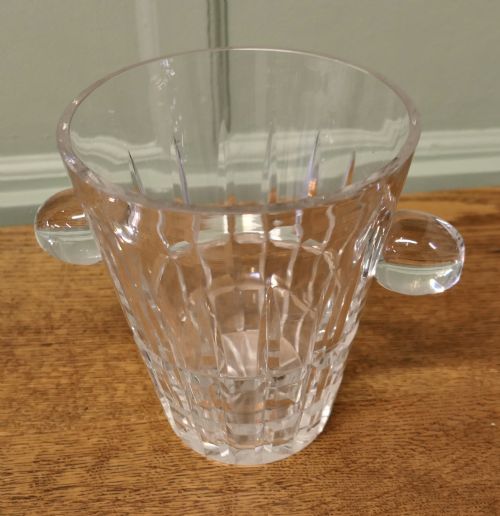
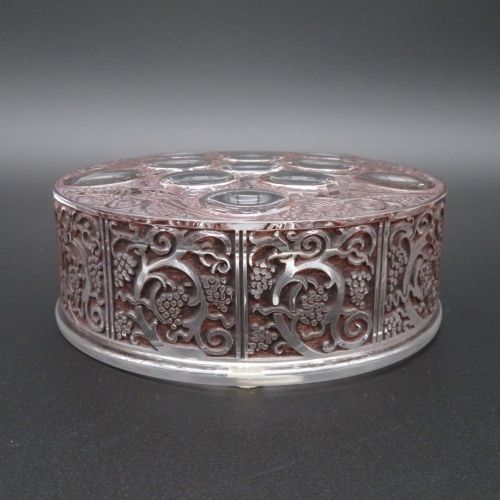
These art deco glass container examples span vanity jars, powder boxes, and ice buckets shaped by the 1920s and 1930s aesthetic.
Art Deco Glass Container
An art deco glass container brings together the geometric lines and distinct functional forms typical of the interwar period. Buyers searching this phrase encounter practical vessels designed for domestic display and personal use.
The selections on this page appear primarily as vanity jars, powder boxes, ice buckets, and decorative boxes from the 1920 and 1930 periods. These functional items reflect the modern design shifts of their era while retaining everyday utility.
Makers integrated various materials into these vessels, combining glass bodies with precious metals and enamels. The resulting objects serve as both decorative items on a dressing table and functional pieces for entertaining.
Materials and Construction
Makers utilised crystal, cut glass, and frosted glass to form the main bodies of these containers. Techniques such as hand cutting and faceting created reflective surfaces that catch the light from different angles.
Mounts, lids, and hardware incorporate sterling silver, silver plate, and tortoiseshell. Guilloche enamel adds colour and patterned detail to the metal components, contrasting with the transparent glass beneath.
Listings feature items dated across the 1920 and 1930 periods, incorporating sterling silver, silver plate, enamel, and various forms of cut and frosted glass.
Distinctions in Quality
Quality rests in the precision of the glass cutting and the weight of the material. Heavy crystal or well-executed press-moulding provides a tactile solidity that lighter glass lacks.
The execution of metal mounts and enamel work dictates the finish of each piece. Crisp hallmarks, secure silver fittings, and unblemished guilloche enamel separate standard utility items from finer workshop productions.
Lalique·Goldsmith's and Silversmith's Co
The Art Deco Glass Container Glossary
- Guilloche enamel
- A decorative technique where an engraved metal surface is covered with translucent enamel. This reveals repetitive geometric patterns beneath the glossy coloured layer.
- Vanity jar
- A small lidded container designed to hold cosmetics, creams, or hairpins on a dressing table. They frequently feature glass bases paired with silver or enamel lids.
- Cut crystal
- Glass with a high lead content that is mechanically or hand cut to produce facets. This process increases the refractive index, making the material sparkle brilliantly.
- Silver plate
- A base metal coated with a thin layer of silver through electroplating. It offered an accessible alternative to solid silver for household vessels.
- Powder box
- A vessel specifically formed to hold loose cosmetic face powder. They often include wide, shallow bodies for easy puff access.
Art Deco Glass Container: Frequently Asked Questions
What are art deco glass containers used for?
These vessels served diverse domestic purposes, ranging from storing cosmetics on dressing tables to holding ice for barware during evening gatherings.
Today, they function as decorative objects that accommodate small items like jewellery, trinkets, or dry goods while displaying period style.
How do I clean an enamelled glass container?
Glass bodies tolerate gentle washing with lukewarm water and mild soap, but silver-plated or enamelled lids require careful spot cleaning.
Submerging metal mounts and guilloche enamel in water can damage the underlying materials or weaken adhesives, so wiping with a dry or slightly damp cloth is safer.
How can I tell a 1920s piece from a 1930s piece?
Pieces from the 1920s often retain transitional Edwardian influences alongside emerging geometric motifs, while 1930s designs lean further into streamlined shapes and bold patterns.
Assay office hallmarks and date letters stamped on the silver mounts provide definitive manufacture years for pieces incorporating precious metals.
Are these containers safe for food use?
While items like ice buckets and biscuit barrels were originally designed for edibles, vintage materials require careful evaluation before contemporary food service.
Silver plate and historical glass formulations may not meet modern food safety standards, so many collectors prefer using them purely for display.
What is the difference between crystal and glass?
Crystal contains lead oxide, which increases the weight, clarity, and light-refracting properties compared to standard soda-lime glass.
This higher density allows artisans to cut finer geometric patterns into crystal vessels without compromising structural integrity.