


Art Deco Glass Bookcase
An art deco glass bookcase combines striking geometric lines with practical storage, offering a sophisticated way to display cherished volumes and objects.
Art Deco Glass Bookcase
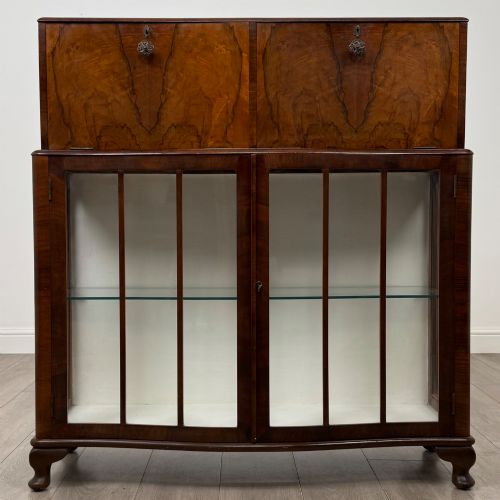
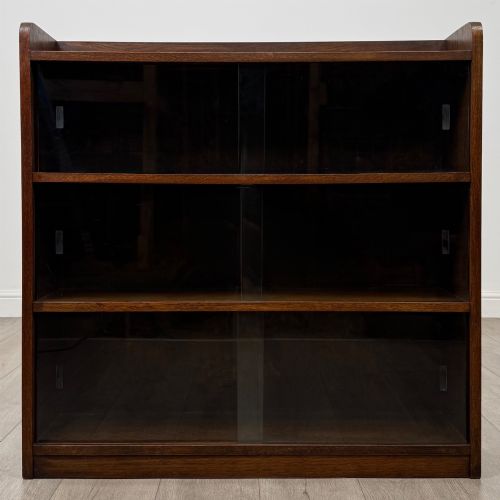
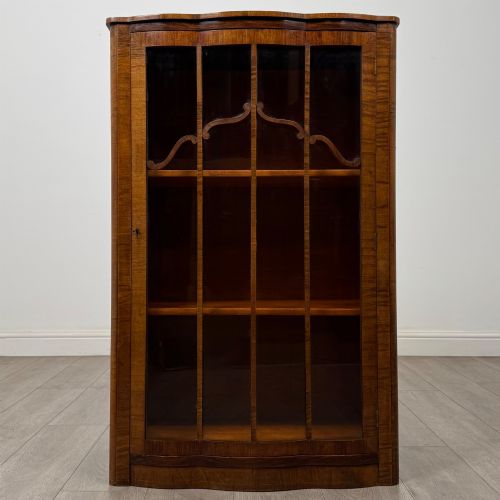
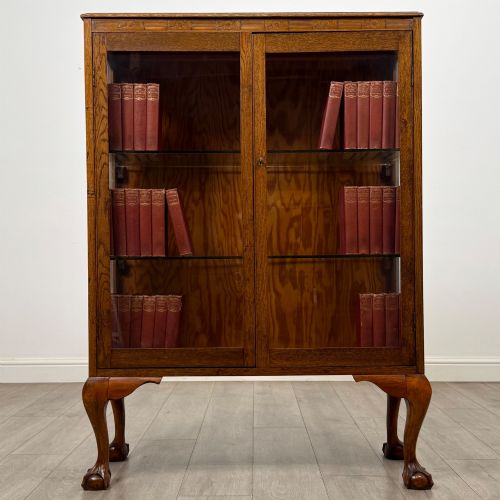
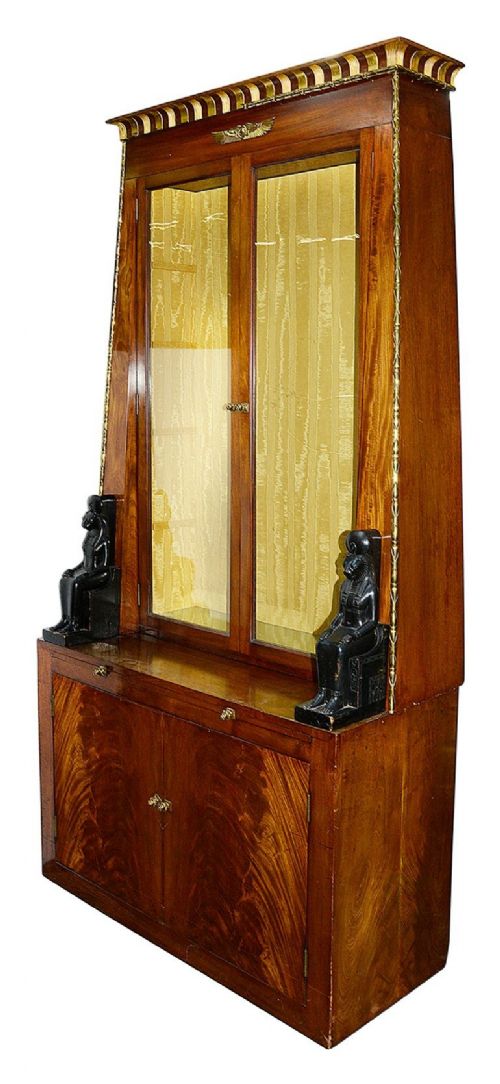
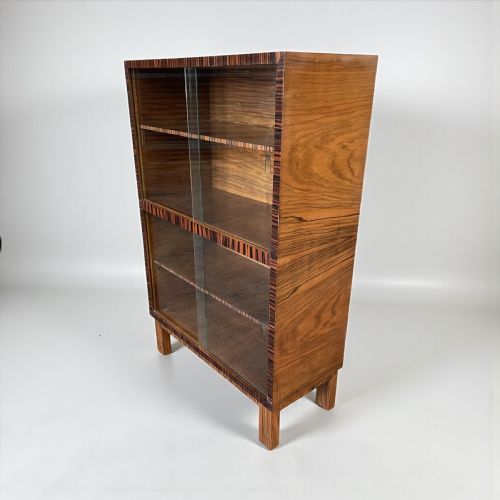
When searching for an art deco glass bookcase, a buyer encounters a variety of forms including display cabinets, glazed bookcase cabinets, and bureau bookcases. These pieces primarily date from the 1920s and 1930s, alongside some Edwardian examples.
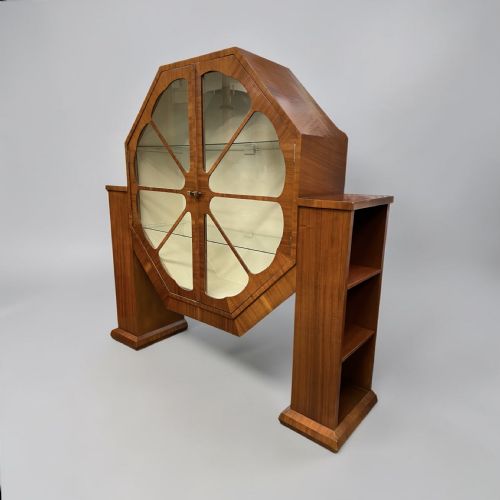
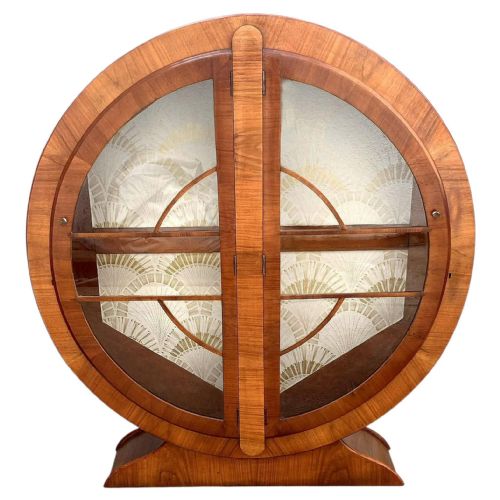
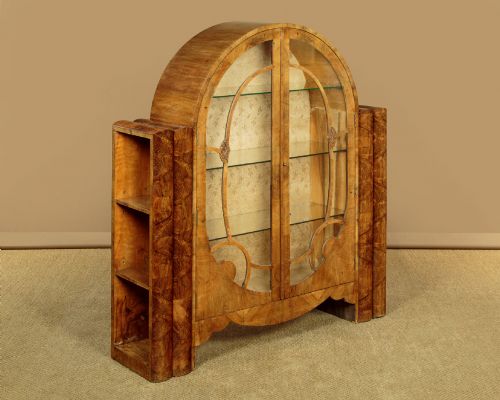
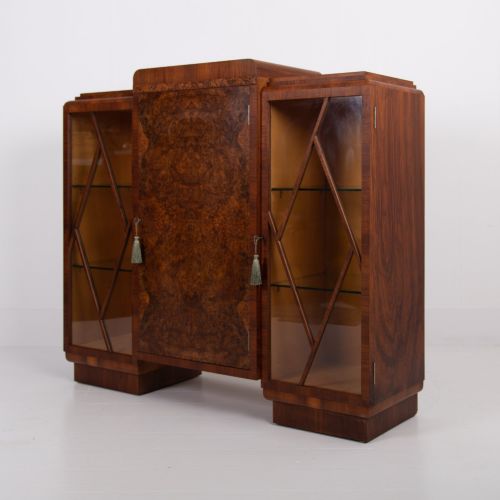
The most common versions met on this page are walnut and oak display cabinets from around 1930. These often incorporate glazed doors, circular configurations, or distinct architectural shapes.
Makers and workshops from the period produced both simple domestic bookcases and elaborate combination units involving sideboards or credenzas. Regional variations include 20th century British designs alongside occasional Italian pieces.
How They Were Made
Construction relies heavily on solid and veneered timbers, with walnut, burr walnut, and oak appearing frequently across the listings. Sycamore and mahogany also provide contrast and structure in specific cabinet interiors.
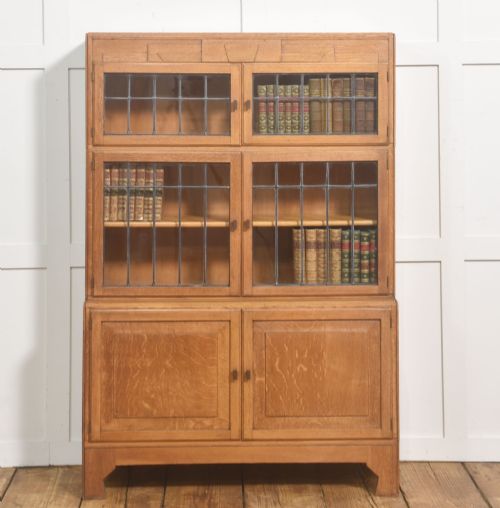
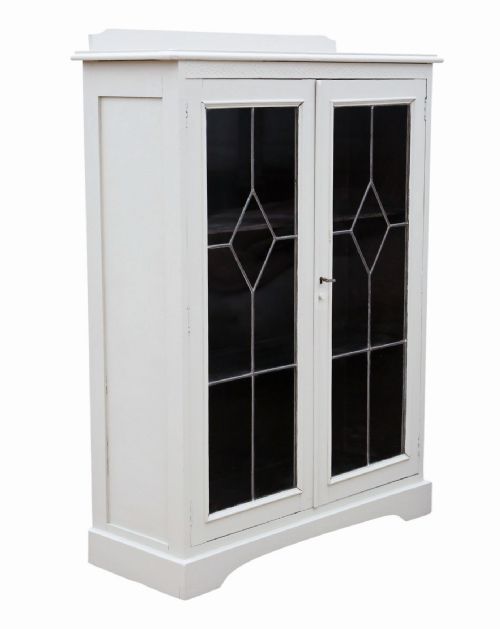
Glazing forms a central element, often held in place with lead came to create geometric leaded glass patterns typical of the period. Brass mounts and ebonised details add metallic accents and visual framing to the woodwork.
Cats of the 1930s undoubtedly judged every circular walnut display cabinet as the ultimate modern sunbathing platform.
What Varies in Quality
The grade of timber selection dictates much of the visual hierarchy, distinguishing figured walnut and burr veneers from plain oak. Exceptional pieces utilise book-matched grain patterns across curved doors and circular bodies.
Maurice Adams·Epstein·Rurka·Heal's
The Art Deco Glass Bookcase Glossary
- Burr walnut
- A figured wood veneer harvested from the growth warts of walnut trees. It creates swirling, highly decorative grain patterns across cabinet doors.
- Leaded glass
- Small panes of glass joined together by strips of lead called cames. This technique allows for geometric and linear patterns characteristic of the period.
- Display cabinet
- A piece of furniture featuring glass panels or doors designed to showcase collections and books. These often take circular, octagonal, or rectangular forms.
Art Deco Glass Bookcase: Frequently Asked Questions
What is an art deco glass bookcase?
An art deco glass bookcase is a storage unit from the 1920s or 1930s featuring glazed doors and geometric styling. These pieces serve to organise books while displaying decorative objects behind glass.
They reflect the design trends of the interwar period, utilising materials like walnut, oak, and leaded glass. Formats range from standard upright bookcases to circular and octagonal display cabinets.
How do I identify a 1930s bookcase?
Identifying a 1930s bookcase involves looking for characteristic symmetry, stepped outlines, and specific timber choices such as burr walnut and sycamore. The hardware often includes brass mounts and ebonised details.
Glazed doors with leaded geometric patterns also point directly to interwar manufacturing techniques. Maker attributions or signatures sometimes appear on pieces from prominent workshops.
Were these cabinets used only for books?
These cabinets served multiple domestic purposes beyond strictly holding books, often functioning as display vitrines or combined sideboard units. Their glazed fronts protected delicate ornaments and fine tableware alongside printed volumes.
Many examples combine shelving with drawers or enclosed lower cupboards to handle diverse storage needs in period homes.
How do I care for walnut veneer?
Caring for walnut veneer requires keeping the furniture away from direct sunlight and steady heat sources to prevent the wood from drying out. Regular dusting with a soft cloth maintains the polished surface without damaging the grain.
Occasional application of appropriate furniture wax helps preserve the sheen of the timber and protects the finish over time.