

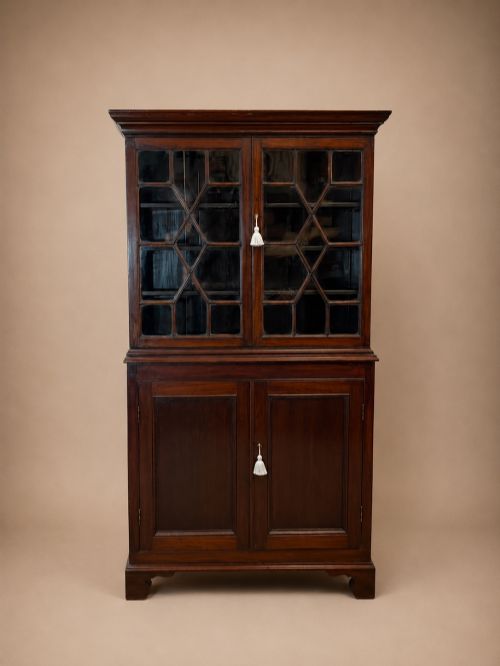
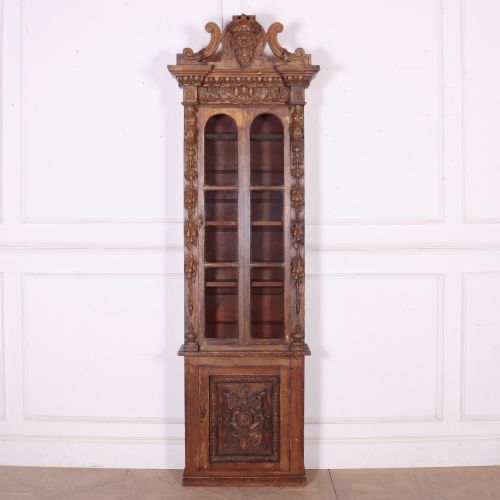


Slim Display Cabinet
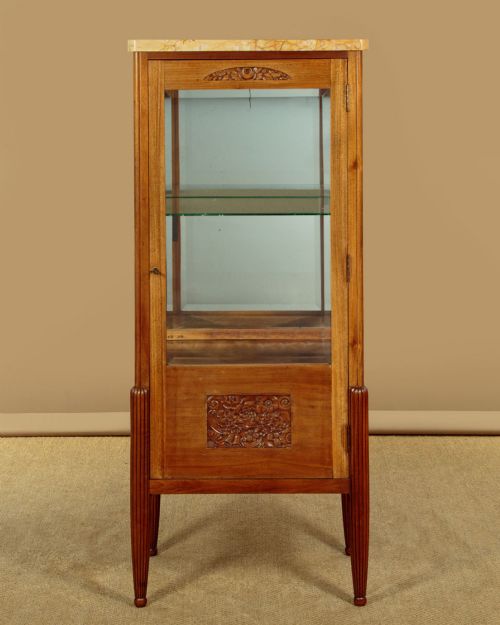
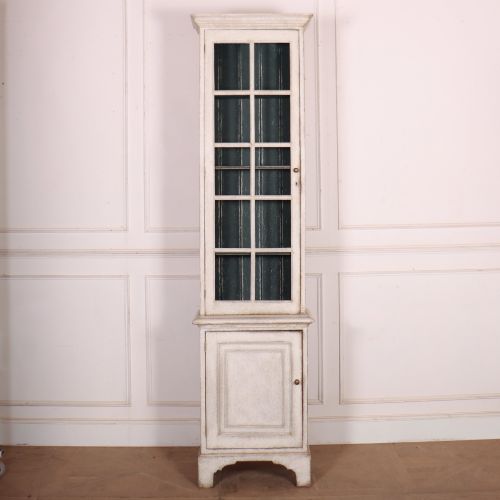
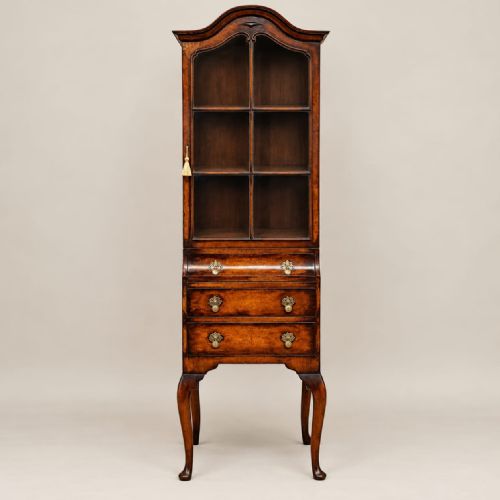
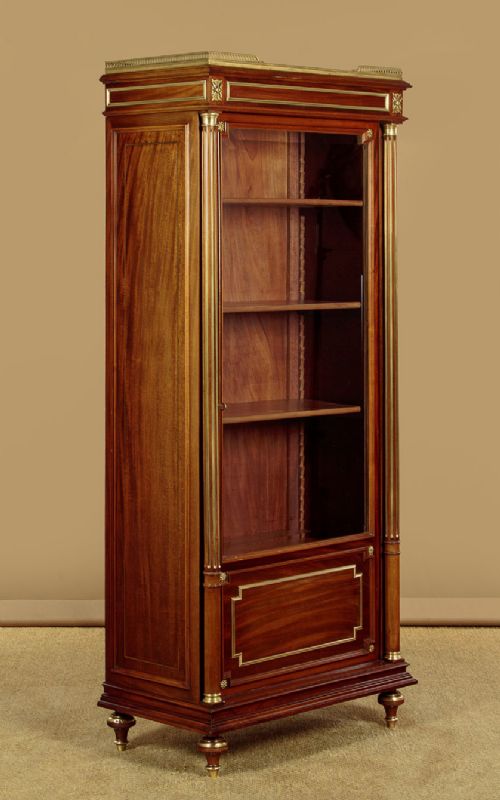
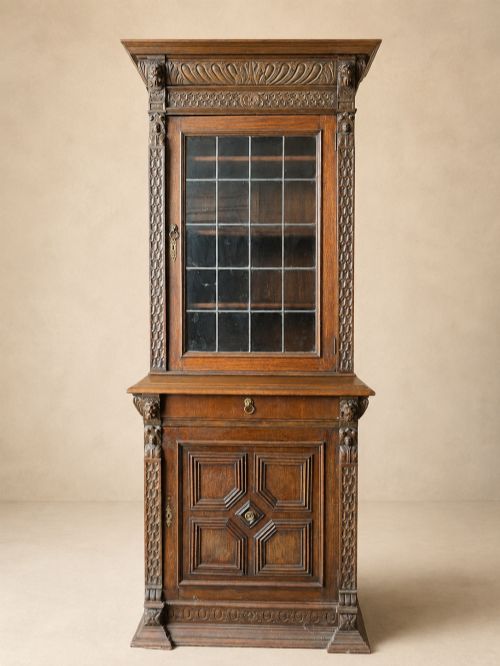
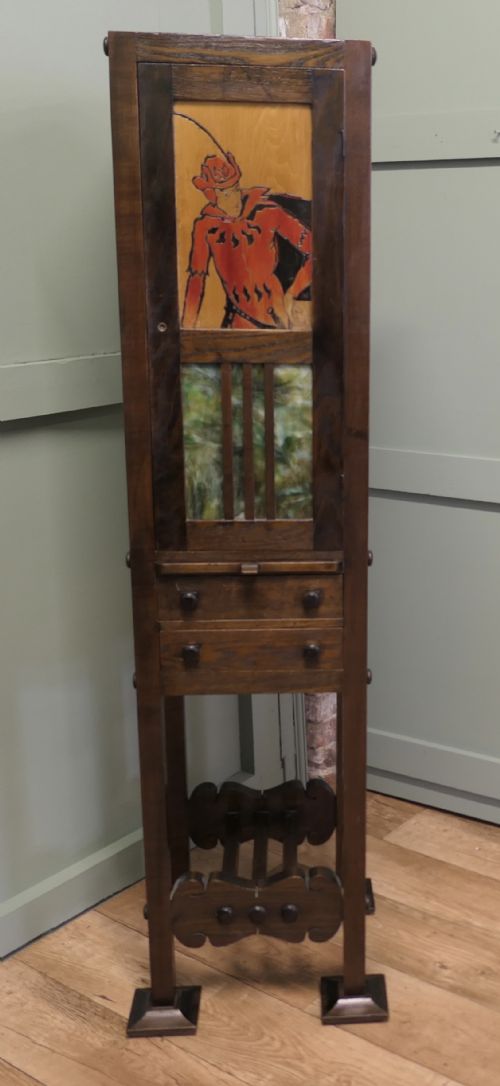
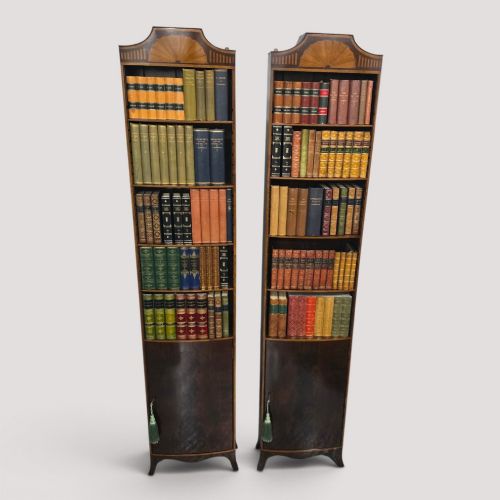
A slim display cabinet gives you vertical presence without eating the floor space, housing your collection safely behind glass.
Slim Display Cabinet
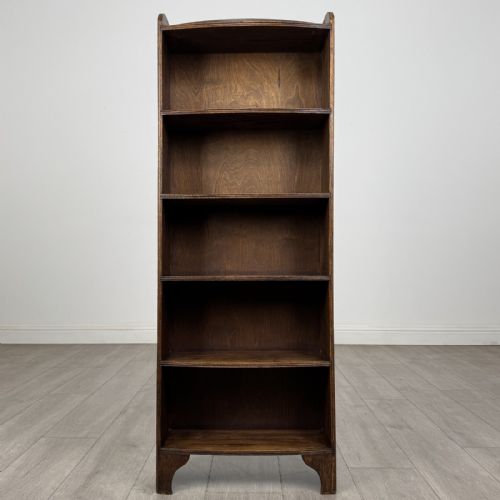
A slim display cabinet combines narrow proportions with glass doors or open shelving, designed to fit tighter interior footprints. These pieces span the nineteenth and early twentieth centuries, drawing on Victorian, Edwardian, and revival aesthetics.
The format appears across several object types, including bookcases, corner cabinets, and dedicated display cases. Mahogany, oak, and burr walnut form the core of the available structural timber.
You will encounter glazed wall cabinets alongside tall floor-standing bookcases and fitted cupboards. The shared characteristic remains a restricted width that accommodates smaller rooms.
How they were made
Cabinet makers utilised dense hardwoods such as mahogany, oak, and walnut to support the tall, narrow weight of these pieces. Burr walnut veneers and satinwood inlay added decorative contrast across Edwardian and revival surfaces.
Glazing relies on timber frames or lead cames to hold the glass panels securely in place. Brass hardware and hinges complete the closures, while carved details appear on specific Victorian and Gothic examples.
Slim Display Cabinet Retail Price Guide 2026
Typical asking prices for slim display cabinet among the pieces listed under this phrase on Sellingantiques today, from the lower quarter to the upper quarter. They describe what is for sale here now, not the wider market.
Some narrow display cabinets were fitted specifically for tiny curiosities, turning your awkward hallway corner into a Victorian museum of small wonders.
What varies in quality
The calibre of timber selection dictates much of the distinction between pieces, particularly when figured veneers like burr walnut or flame mahogany are involved. Rich grain patterns and careful book-matching elevate the visual weight of narrow furniture.
Joinery execution and the crispness of carved details set apart the finer workshops from standard production. Well-proportioned astragal glazing bars and intact brass fittings reflect a higher standard of original construction.
The Slim Display Cabinet Glossary
- Astragal
- Timber or lead bars holding small panes of glass within a sash. These mouldings cross the door to create geometric light patterns.
- Burr walnut
- Timber taken from a growth on the walnut tree, showing highly figured, swirling grain patterns. Cabinet makers prized this for decorative veneer panels.
- Bijouterie cabinet
- A glass-topped or glazed cabinet designed for displaying small valuables and ornaments. They often feature velvet-lined interiors.
- Serpentine front
- A furniture front curved in a wave shape, convex at the centre and concave at the sides. This contour requires skilled carpentry to execute.
- Satinwood inlay
- Contrasting light-coloured wood inserted into recesses in a darker wood surface. It creates fine decorative lines and floral motifs.
Slim Display Cabinet: Frequently Asked Questions
Where should I put a slim display cabinet?
These narrow cabinets suit alcoves, hallways, and tight wall spaces where standard furniture overwhelms the room. Their restricted footprint lets you add storage without blocking natural walkways.
Position them away from direct sunlight to protect timber finishes and any paper or textile contents inside the glazed compartments.
How do I clean antique glass and wood?
Dust timber surfaces regularly with a soft, dry cloth to prevent dirt buildup on polished mahogany or walnut. Avoid silicone sprays that can damage historic polish.
Clean the glass panes with a mild glass cleaner applied to a cloth rather than sprayed directly, preventing moisture from seeping into timber joints.
Can these cabinets hold heavy books?
Many pieces designed as bookcases or cabinets feature sturdy timber shelving capable of supporting standard volumes. Edwardian and Victorian construction typically utilises solid hardwoods for structural load-bearing.
Check the internal shelf support system before loading heavy items, as adjustable bracket mechanisms vary between older and revival periods.
How do I tell Edwardian cabinets from Victorian ones?
Victorian pieces often display heavier proportions, darker finishes, and occasionally Gothic or Renaissance revival detailing. Carved woodwork tends to be deeper and more prominent.
Edwardian furniture frequently incorporates lighter satinwood inlay, cleaner lines, and Sheraton revival influences, reflecting a shift towards brighter domestic interiors.