



Art Deco Dressing Glass
An art deco dressing glass brings the sharp geometry and glamour of the interwar years straight onto a vanity.
Art Deco Dressing Glass
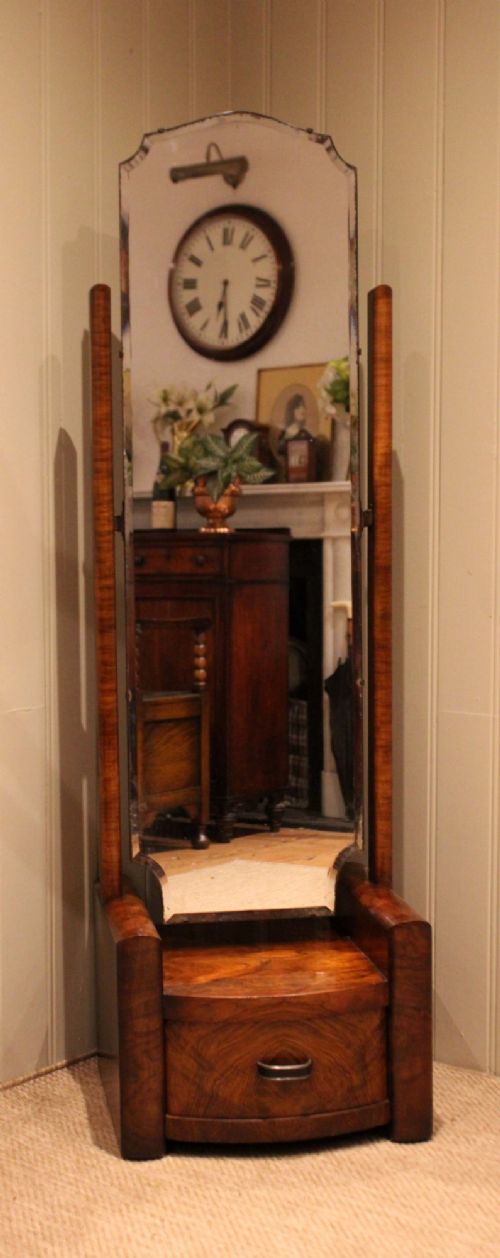
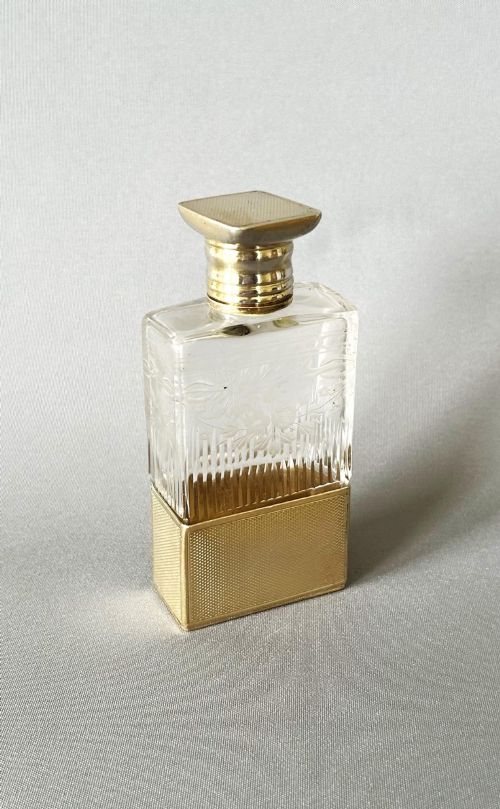
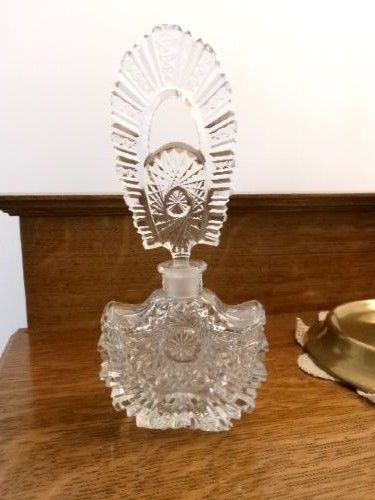
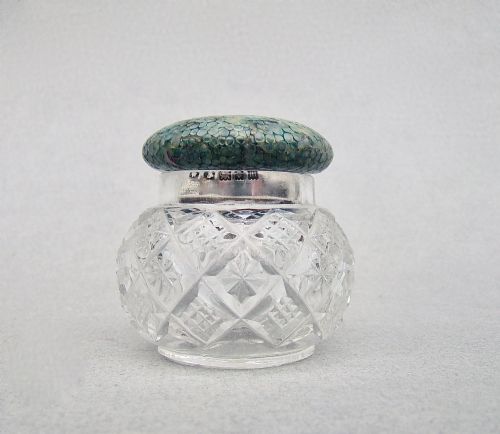
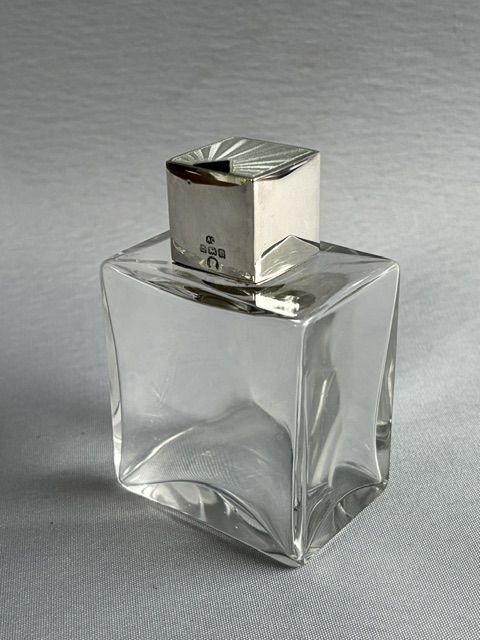
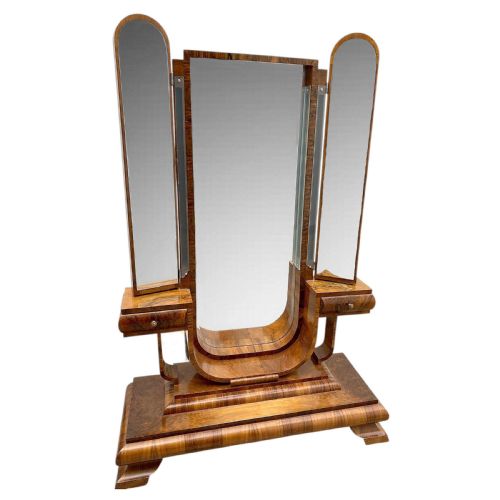
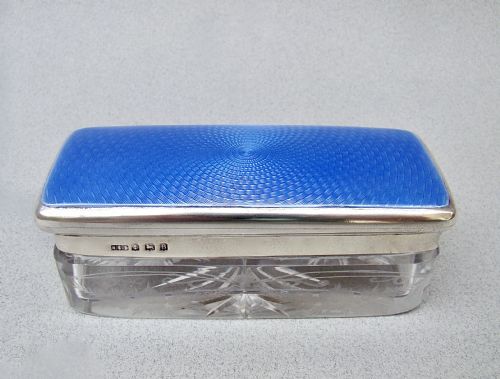
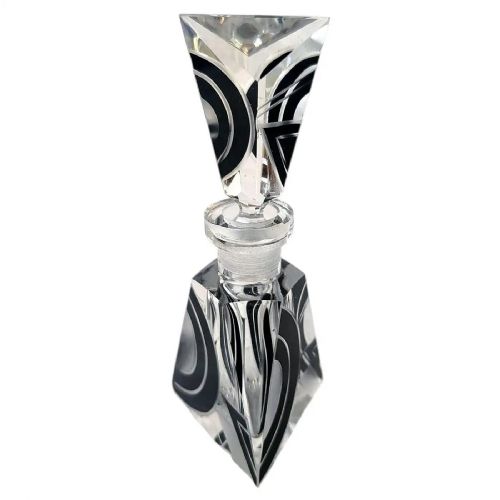
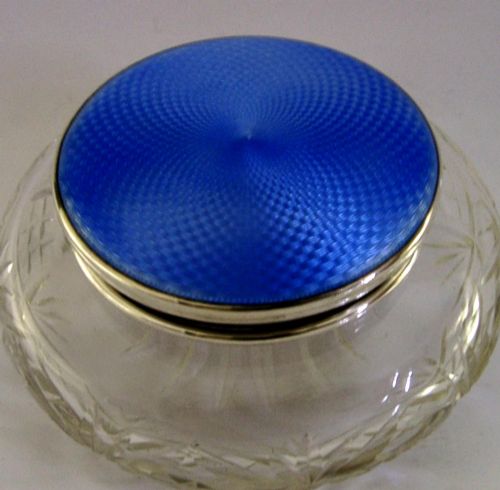
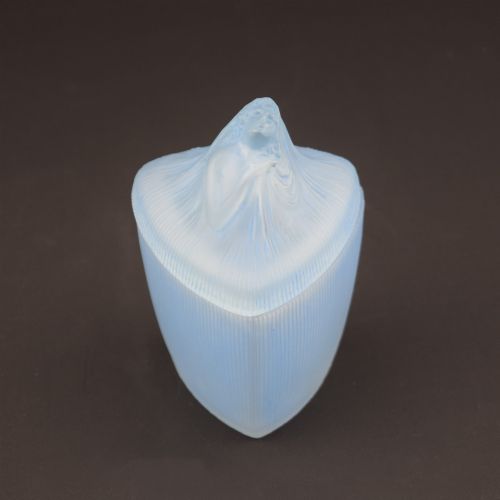
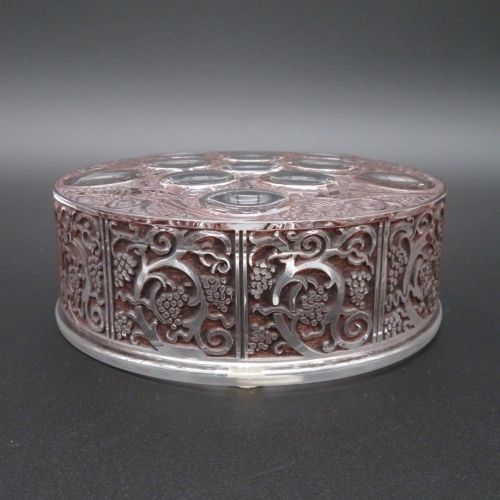
An art deco dressing glass covers a range of reflective surfaces designed for the bedroom, from handheld mirrors to heavy triptych vanity mirrors and larger cheval glasses. These items originate predominantly from the 1920s and 1930s, accompanied by related dressing table accessories like cut glass scent bottles and enamel jars.
Most examples found here combine heavy clear or frosted glass with mounted sterling silver, chrome, or polished wood frames. They anchor a dressing table arrangement, often matching smaller powder boxes and perfume atomisers created in the same geometric idiom.
How they were made
Glassmakers utilised pressing, moulding, and deep cutting techniques to produce thick crystal vessels and mirror plates with crisp, linear facets. Workshops in Bohemia and France shaped coloured and frosted glass into geometric profiles, sometimes applying enamel or staining to accent the relief decoration.
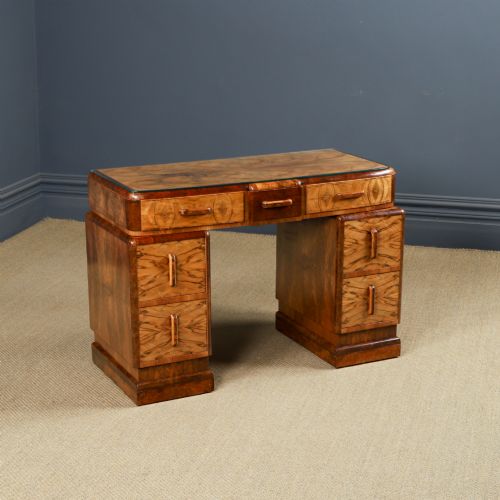
Silversmiths and metalworkers mounted these glass bodies with sterling silver collars, hinged lids, and frames finished with guilloché enamel. Woodworkers shaped pale mahogany, maple, walnut, and burr elm into supportive pedestals and frames to hold the heavy glass plates.
Art Deco Dressing Glass Retail Price Guide 2026
Typical asking prices for art deco dressing glass among the pieces listed under this phrase on Sellingantiques today, from the lower quarter to the upper quarter. They describe what is for sale here now, not the wider market.
Listings feature items dated across the 1920s and 1930s, alongside Edwardian and 19th-century precedents.
What varies in quality
Quality rests on the weight and clarity of the glass, the precision of the metal mounts, and the condition of any applied enamel. Heavy cut glass with sharp, clean facets and intact, unblemished guilloché enamel sits firmly at the upper end of the range.
The integrity of the mirror plate and the robustness of the silver or chrome framework determine daily usability. Pieces bearing distinct silversmith marks or attributed to known designers demonstrate superior workshop standards from the period.
Henry Clifford Davis·Henry Perkins·Karl Palda·Adie Brothers Ltd·Rudolf Hlousek
The Art Deco Dressing Glass Glossary
- Guilloché enamel
- A decorative technique where precise, intricate patterns are mechanistically engraved into metal beneath a translucent layer of coloured enamel. It appears frequently on the lids of dressing table jars and perfume bottles.
- Cut glass
- Glassware shaped and patterned by holding the vessel against a revolving abrasive wheel to grind deep facets into the surface. This method creates the sharp geometric refractions characteristic of the period.
- Frosted glass
- Glass treated by acid-etching or sandblasting to produce a textured, opaque surface that diffuses light. It provides a soft contrast to polished chrome and bright enamel.
- Triptych mirror
- A three-panel mirror arrangement hinged so the outer wings can angle inward. This design allows the user to view themselves from multiple directions on the dressing table.
- Cheval glass
- A full-length mirror hung in a freestanding frame on pivots, allowing the entire plate to tilt. These larger pieces often served in gentlemen's outfitters and private dressing rooms.
Art Deco Dressing Glass: Frequently Asked Questions
What is an art deco dressing glass?
An art deco dressing glass is a mirror or mirrored accessory designed for a dressing table, characterised by the distinct geometric lines, symmetry, and stylised motifs of the 1920s and 1930s. These pieces include tabletop triptychs, handheld mirrors, and pivoting cheval frames.
They coordinate with matching vanity items such as cut glass powder boxes, enamel jars, and scent bottles to create a cohesive dressing suite.
How do I identify an art deco mirror?
Look for symmetrical stepped forms, architectural silhouettes, sunray motifs, and linear facet cuts on the glass or frame. Materials typically include heavy bevelled mirror plates set into chrome, sterling silver, or figured woods like walnut and burr elm.
Many smaller items and silver-mounted jars carry hallmarks indicating exact assay office locations and manufacturing years from the interwar period.
Where were these glass pieces made?
Production centred across England, France, and Central Europe, particularly Bohemia, which was renowned for advanced glass cutting and moulding techniques. Birmingham acted as a primary hub for the silver mounts and guilloché enamel lids.
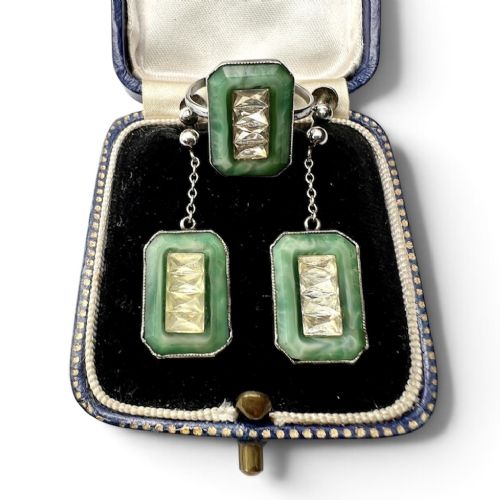
Specific workshops and independent glass artists produced distinct regional variations in colour, ranging from clear crystal to deep malachite green and amethyst.
How do I care for vintage dressing glass?
Keep these items out of direct, prolonged sunlight to prevent fading or discolouration in the enamel and fabric components. Clean the glass and mirror plates gently using a soft cloth and mild solution, avoiding abrasive cleaners near silver mounts or enamel.
Handle silver and glass pieces with care to protect the delicate guilloché patterns and sharp geometric corners from impact.