
Art Deco Brass Table
When searching for an art deco brass table, one discovers striking pieces combining utilitarian metalwork with the geometric elegance of the interwar period.
Art Deco Brass Table
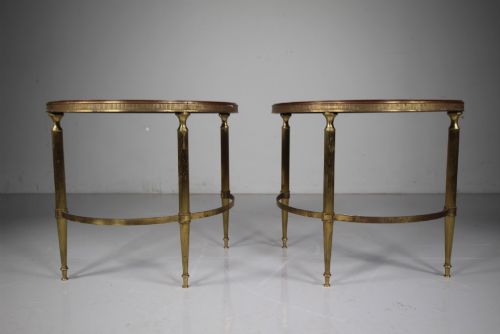
An art deco brass table encompasses low side surfaces, demi lune tables, and coffee pieces produced predominantly during the 1920s and 1930s. These items frequently integrate metal frames with glass, marble, or leather elements to achieve a streamlined domestic presence.
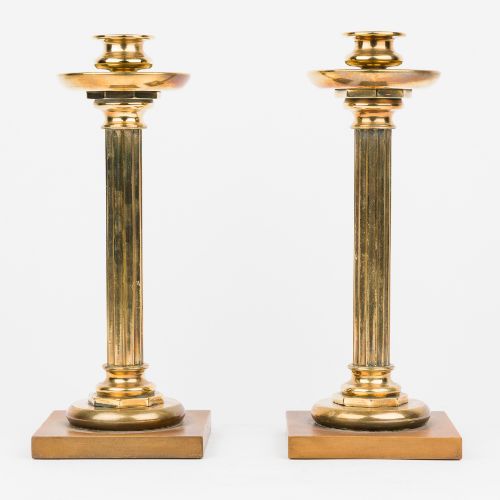
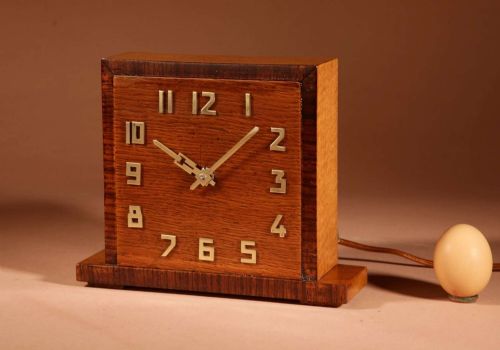
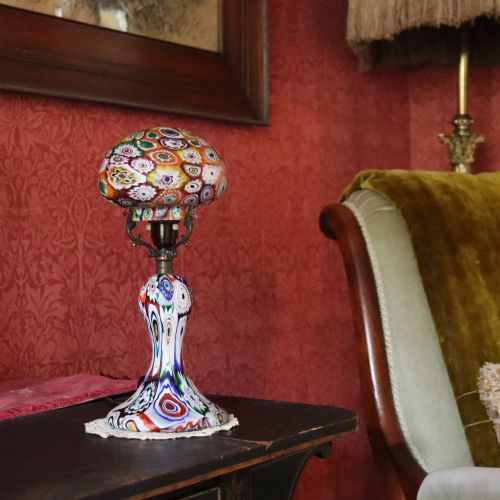
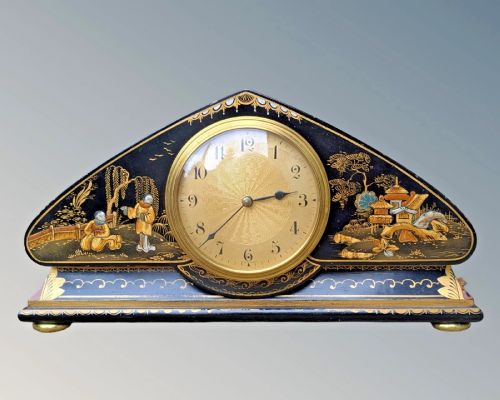
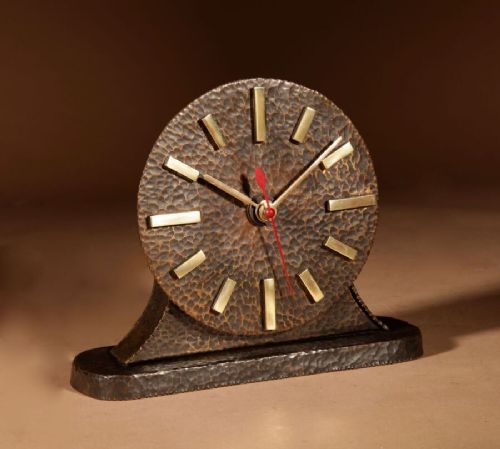
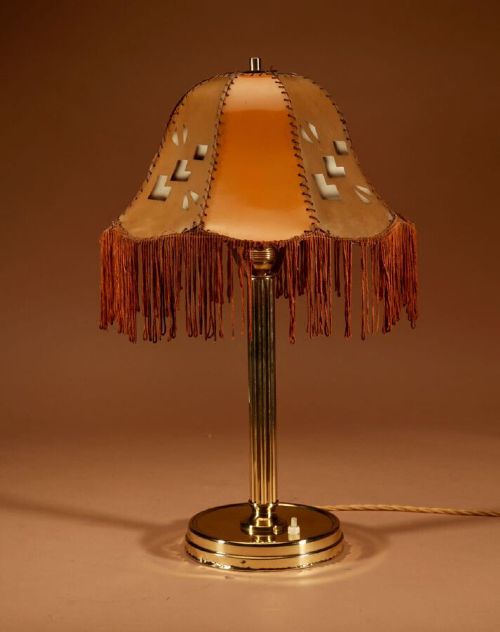
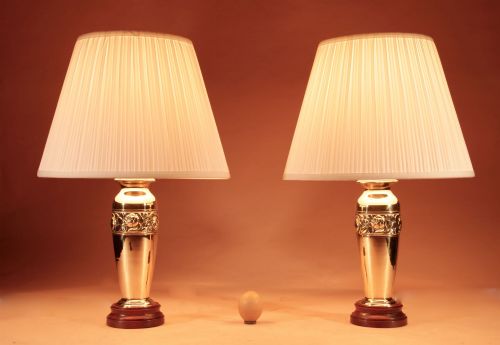
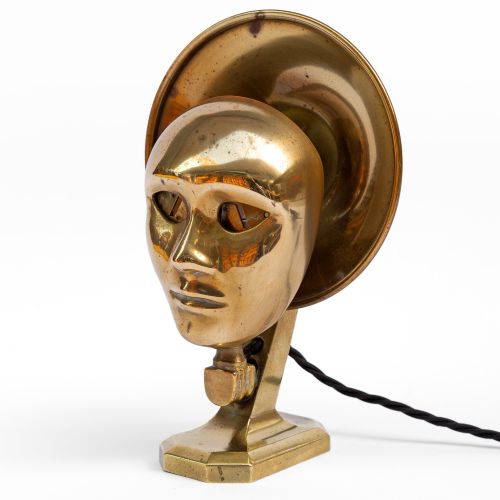
The objects seen here reflect diverse European design influences, spanning French styling, Amsterdam School construction, and Bauhaus minimalism. Forms range from compact occasional furniture to articulated lamp tables designed for functional utility.
Buyers encountering this phrase often evaluate small occasional surfaces and nesting configurations that typify early twentieth-century interior arrangements. The brass components provide structural framing alongside decorative polished accents.
Materials and construction methods
Makers utilised solid and tubular brass alongside patinated copper, wrought iron, and ormolu to construct durable frames. These metallic elements were frequently combined with contrasting inlays of oak, mahogany, or onyx.
Surface finishing involved manual hammering, polishing, and chemical patination to achieve varied light-reflecting qualities. Glass inserts, marble bases, and leather mounting were then secured within the metal framework using traditional joinery and mechanical fasteners.
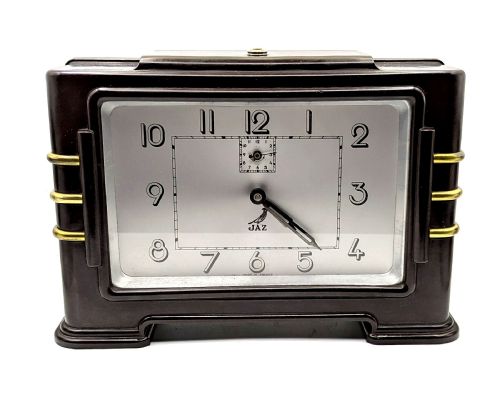
The listings combine brass with marble, glass, leather, and Bakelite across the 1920s and 1930s.
Evaluating craftsmanship and integrity
Quality in these items rests upon the weight of the metal gauge, the precision of joints, and the retention of original surface patination. Superior examples display crisp casting and seamless integration between brass frames and secondary materials such as marble or glass.
Lesser items exhibit loose joints, excessive surface wear to plated finishes, or mismatched replacement components that diminish the unified aesthetic of the period design.
Fratelli Toso·Karl Palda·Maurice & Marcel Moulin Favre-Bulle·Jaz·Polaire of Paris
The Art Deco Brass Table Glossary
- Demi lune
- A half-moon or semicircular shape utilised for side tables designed to sit flush against a wall. This format maximises floor space in compact rooms.
- Patination
- The natural or chemically induced surface ageing on brass and copper over time. It adds depth and character to the metalwork.
- Bakelite
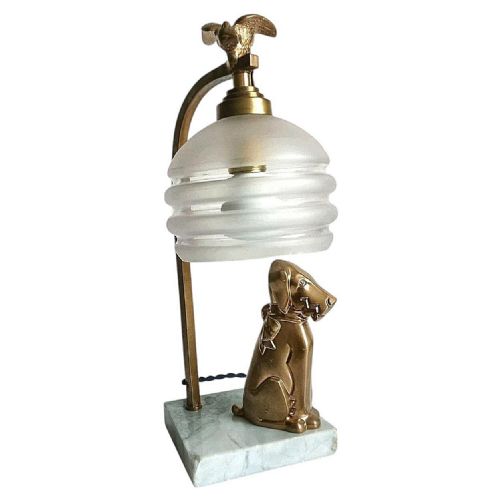
- An early synthetic thermosetting plastic frequently employed for bases and switches. It defines the technological aesthetic of the period.
- Onyx
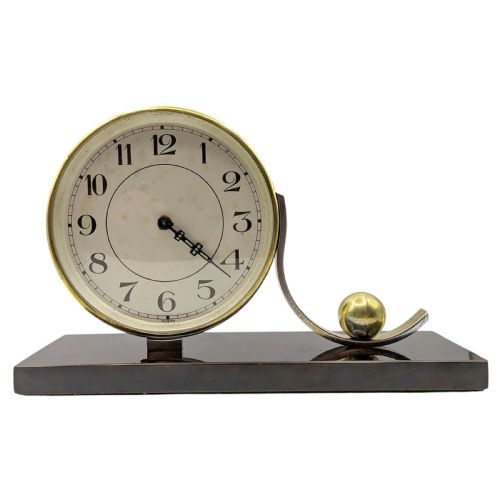
- A banded variety of chalcedony quartz utilised for decorative table bases and clock bodies. It offers a smooth, cool-to-the-touch contrasting texture against polished brass.
Art Deco Brass Table: Frequently Asked Questions
How do I clean brass table surfaces?
Wipe surfaces gently with a soft, dry microfibre cloth to remove accumulated dust without disturbing the underlying patination. Avoid harsh chemical cleaners that strip the historic finish.
For stubborn marks, use a mild soapy solution on a damp cloth, drying the metal immediately afterwards to prevent oxidation or water spotting.
Are these tables sturdy for daily use?
Period occasional tables and small stands were built to support lamps, books, and decorative items rather than heavy loads. Their metal frames provide considerable strength for everyday domestic placement.
Ensure that joints remain secure and that glass or marble inserts sit evenly within their brass mountings before positioning heavy objects on top.
How can I date an art deco table?
Examine the construction techniques, such as the use of solid cast brass versus plated metal, alongside accompanying materials like Bakelite or early electrical fittings. Design motifs often point directly to the 1920s or 1930s aesthetic.
Cross-reference stylistic elements like Amsterdam School framing or French revival shapes with documented pieces from the same era to narrow down the decade of origin.
Where should I place a brass table?
Position these occasional pieces beside seating areas or in hallways where their reflective metallic surfaces catch natural light. They serve well as lamp stands or display ledges for smaller decorative objects.
Keep them away from direct heat sources and excessive moisture to protect integrated materials like wood veneers, leather inserts, and polished stone.