


Art Deco Bedroom Chest
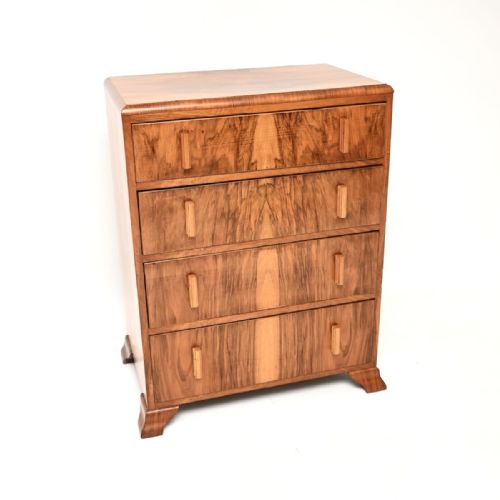
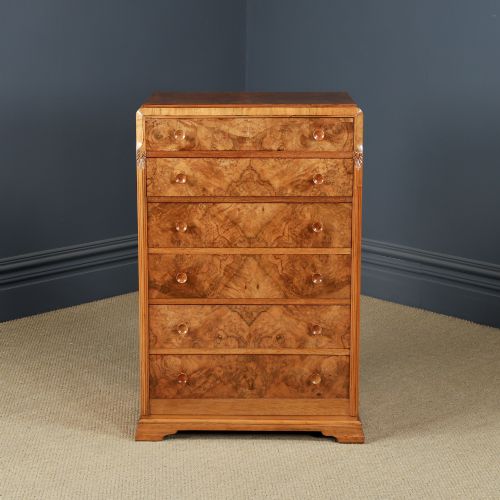
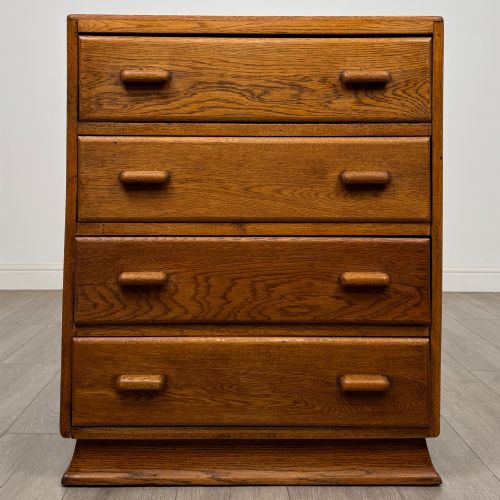
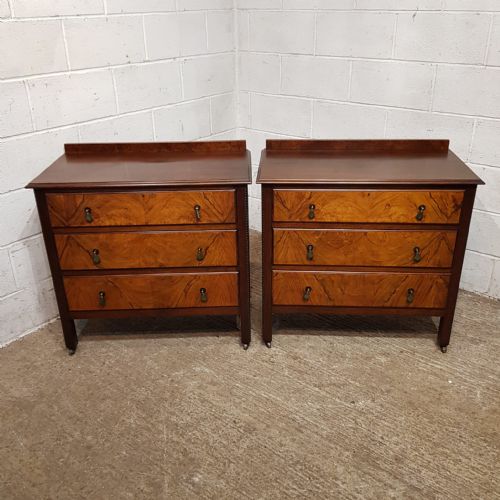
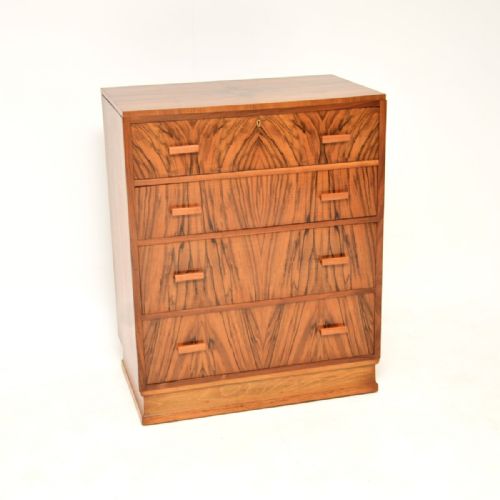
An art deco bedroom chest brings strong geometric form and striking wood veneers straight into a modern interior.
Art Deco Bedroom Chest
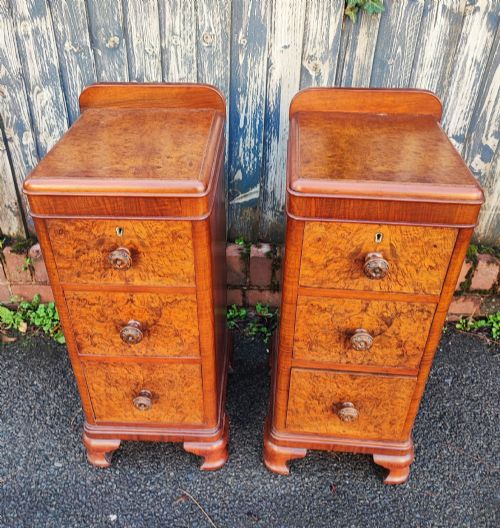
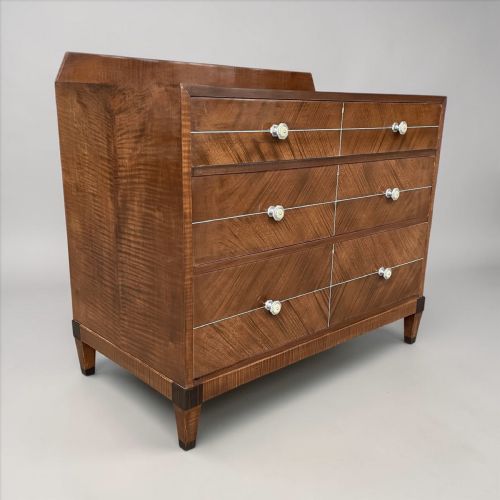
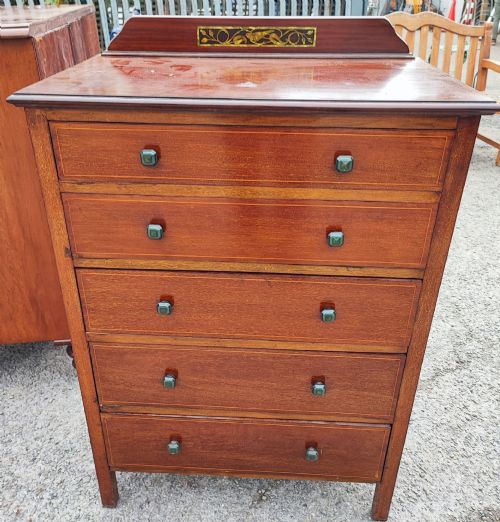
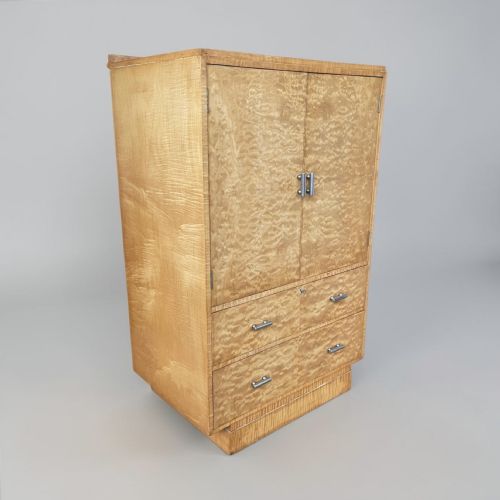
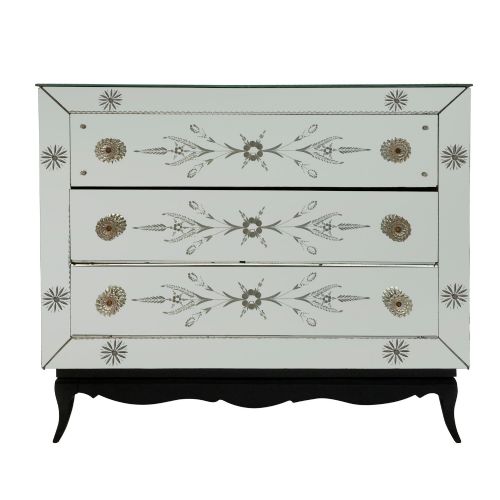
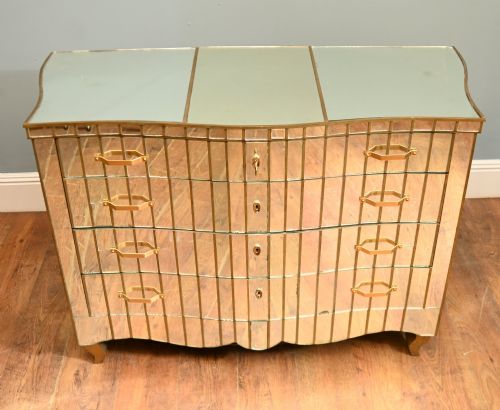
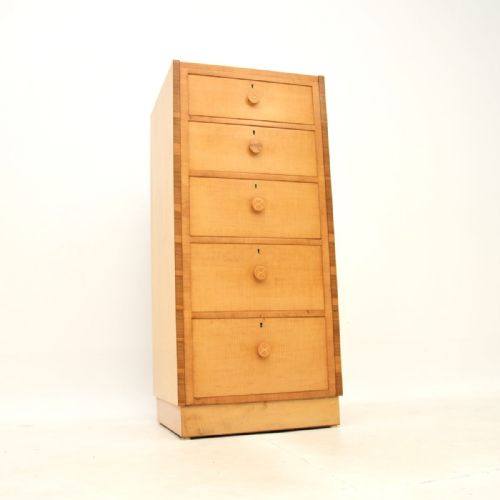
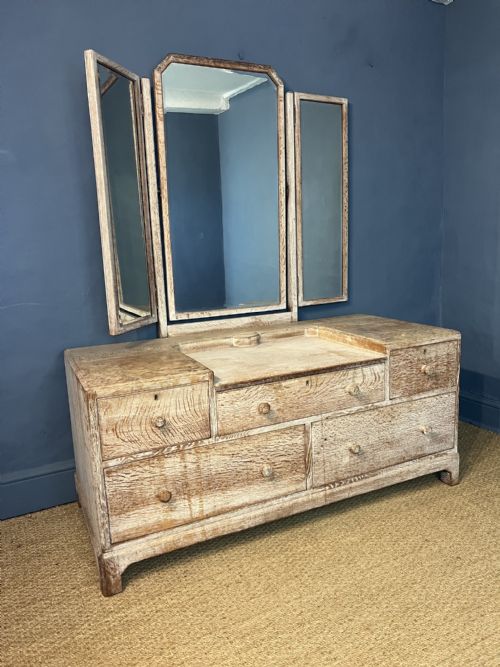
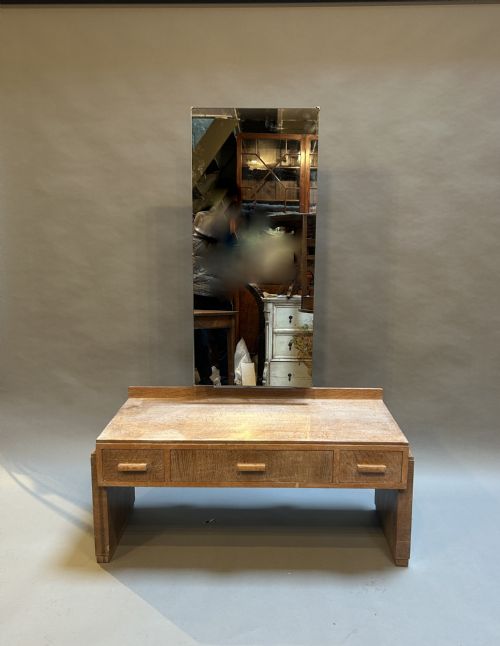
Forms range from traditional chest of drawers formats and tallboys to specialised bedside cabinets, dressing tables, and complete bedroom furniture sets. Alongside standard multi-drawer chests, pieces frequently appear in compact vertical formats or as mirrored vanity units.
English and continental workshops dominate the selection, bringing together diverse regional interpretations of the style. Pieces appear in traditional heights and proportions as well as unusual low commode configurations.
Materials and construction
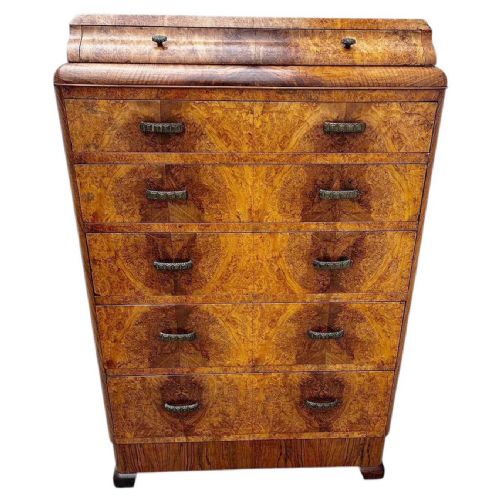
Makers utilised a rich palette of timber, pairing structural hardwoods like oak and walnut with decorative surface veneers including burr walnut, birds eye maple, sycamore, and satinwood. Exotic woods such as macassar ebony and palisander appear alongside bleached blonde finishes and limed oak treatments.
Surfaces are frequently embellished with contrasting grain directions, marquetry, and occasional parchment covered drawer fronts. Details in brass, chrome, metal, glass, and early plastics like bakelite complete the hardware and decorative elements.
Art Deco Bedroom Chest Retail Price Guide 2026
Typical asking prices for art deco bedroom chest among the pieces listed under this phrase on Sellingantiques today, from the lower quarter to the upper quarter. They describe what is for sale here now, not the wider market.
Materials documented across the inventory range from traditional oak and walnut to specialty surfaces like glass, bakelite, and parchment.
What separates the tiers
Quality in these pieces rests primarily on the selection and matching of wood veneers across the facade. Grain patterns that mirror symmetrically across drawer banks indicate superior cabinetmaking compared to plain timber surfaces.
Hardware choice and integration also set apart finer examples, with specialised makers employing custom metal, brass, or chrome handles and incorporating mirrors cleanly into dressing chests. The complexity of the carcass shape, from standard rectangular chests to bow fronts and stepped tallboys, reflects the ambition of the original workshop.
Hille·Frank Taylor & Co.·Maurice Adams·Heal's·Gaylayde, B Cohen & Sons
The Art Deco Bedroom Chest Glossary
- Tallboy
- A tall chest of drawers, often combining a wardrobe style upper cupboard with lower drawers. This vertical format provides generous storage while taking up minimal floor space.
- Burr walnut
- A wood veneer taken from the knotted growth of a walnut tree, yielding swirling, highly decorative grain patterns. It forms the primary visual draw on many luxury pieces from this era.
- Commode
- A low chest of drawers or cabinet originating from French furniture design. On this page, they often appear in ebonised finishes or with parchment covered fronts.
- Limed oak
- Timber treated with a specialised finish that leaves a whitish residue in the open grain. This technique lightens the wood while accentuating its natural texture.
- Bedside cabinet
- A small standalone cupboard or chest designed to sit beside a bed for night time storage. They are frequently found paired as matching sets.
Art Deco Bedroom Chest: Frequently Asked Questions
How do I identify an art deco chest?
Look for symmetrical geometric patterns, stepped outlines, and contrasting wood veneers such as burr walnut or birds eye maple. Hardware in chrome or brass often reinforces the period aesthetic.
Check for signature vertical proportions in tallboys or streamlined curves on commodes and dressing tables.
What is a tallboy used for?
A tallboy provides elevated vertical storage, combining wardrobe compartments or upper cupboards with multiple lower drawers. It maximises storage capacity while maintaining a narrow footprint.
In period bedrooms, it served alongside bedside cabinets and dressing tables to form a complete suite.
Are these chests made of solid wood?
Most pieces feature supportive structural timbers like oak or walnut beneath decorative surface veneers. These veneers allowed makers to create striking grain patterns across the drawer fronts.
Solid oak versions also appear frequently, particularly in simpler designs or limed finishes.
How do I care for wood veneers?
Keep the wood away from direct sunlight and excessive heat sources to prevent the delicate surface veneers from drying out or lifting. Dust gently with a dry or slightly damp cloth.
Avoid chemical polishes that can damage original finishes over time.