


Art Deco Bar Furniture
Art deco bar furniture brings sophisticated 1930s entertaining spaces directly into modern homes through striking wood and glass forms.
What Art Deco Bar Furniture Is
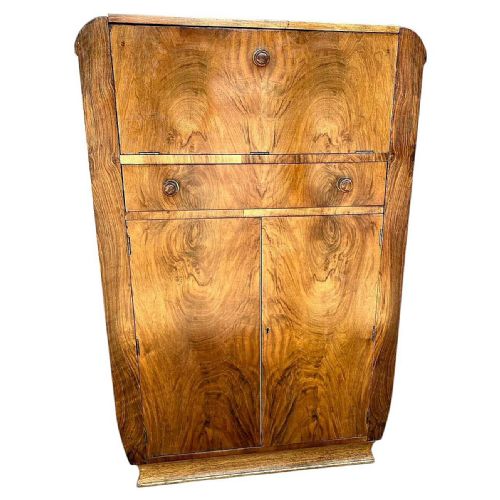
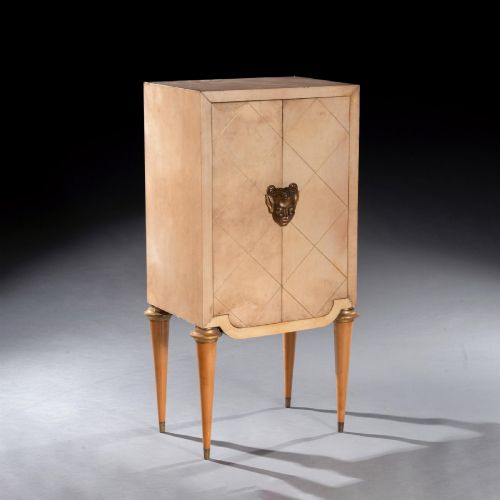
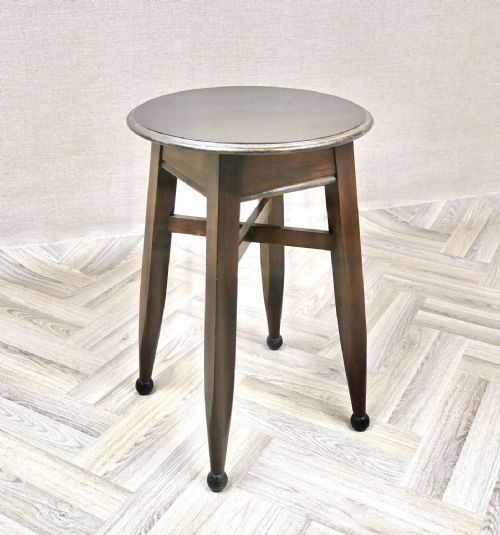
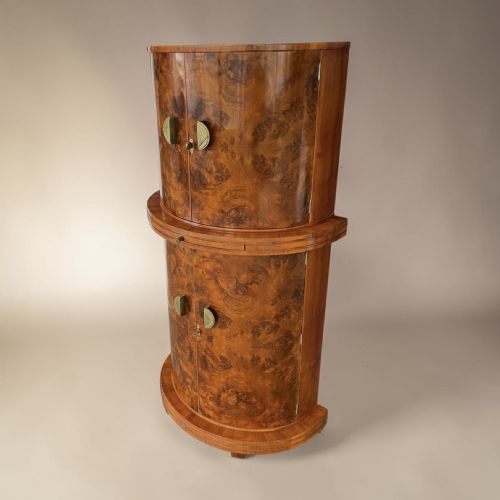
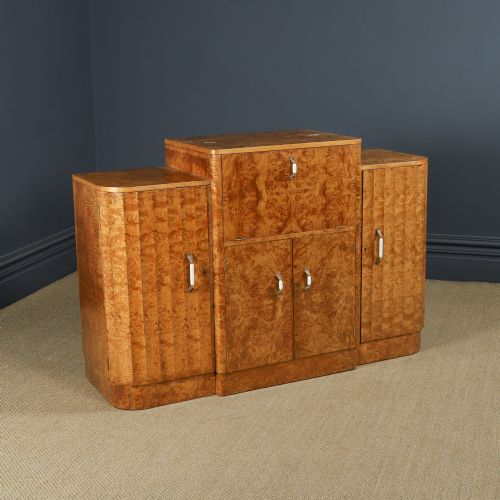
Art deco bar furniture centres on sophisticated pieces designed for hosting and serving drinks during the 1930s. The selection on this page consists principally of cocktail cabinets, dry bars and pub tables from that single period.
Cocktail cabinets form the dominant type in this category, offering dedicated storage for bottles, glasses and mixing equipment. Pub tables represent the more casual seating and serving formats found within the same design movement.
Originating in the 1930s, these items capture the architectural lines and luxurious finishes characteristic of the art deco era. Buyers searching for art deco bar furniture seek functional centrepieces that reflect the glamour of interwar social spaces.
How They Were Made
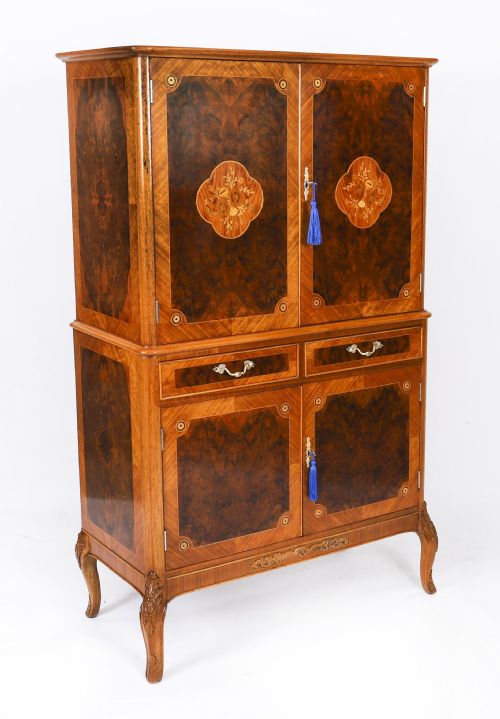
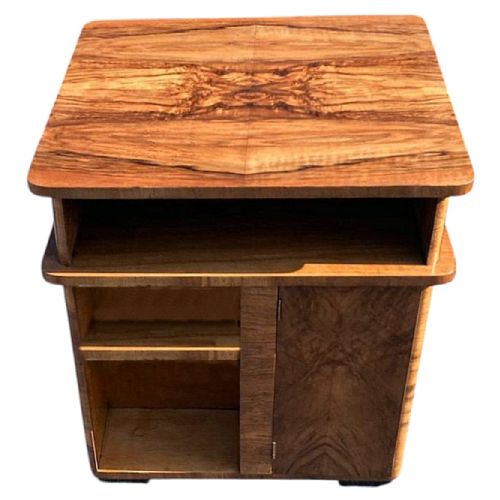
Cabinet makers utilised timber frameworks finished with figured walnut and burr walnut veneers to achieve striking grain patterns across flat surfaces. Additional support and structure relied upon general wood and stained hardwood components.
Surface decoration frequently incorporated intricate walnut marquetry to create geometric patterns characteristic of the period style. Brass fittings provided functional hinges and structural accents while glass elements served internal shelving or display sections.
Retail Price Guide 2026
Typical UK retail prices for art deco bar furniture, calculated from the Sellingantiques database of over a million retail prices indexed since 2003. This retail price guide relies exclusively on Sellingantiques data; no external sources or auction records are used, so the figures do not describe the wider market.
Listings combine 1930s cocktail cabinets, pub tables and dry bars constructed from walnut, stained hardwood and brass.
What Varies in Quality
Quality in these pieces is dictated by the selection and application of walnut veneers across the main body. Superior examples display symmetrical grain matching and careful marquetry work that commands attention across the room.
The integration of original brass hardware and fitted glass interiors separates standard production from exceptional cabinet work. Maker attribution, such as work associated with Epstein, elevates the standing of an individual piece through documented workshop pedigree.
Epstein
The Art Deco Bar Furniture Glossary
- Art Deco
- A design style of the 1930s characterised by sleek geometric lines and modern industrial materials. It dominated architecture, interior design and furniture production during the interwar years.
- Cocktail Cabinet
- A specialised piece of furniture designed for storing and serving alcoholic drinks. These units typically feature drop-down preparation flaps, mirror backs and dedicated bottle storage.
- Walnut Veneer
- A thin layer of walnut timber applied over a secondary wood base to provide a decorative surface. Skilled makers arranged these veneers to create dramatic symmetrical patterns.
- Marquetry
- The art of applying pieces of veneer to a structure to form decorative patterns and pictures. It requires immense precision and was favoured by high-end makers of the period.
- Burr Walnut
- Timber taken from a tree growth that produces intricate, swirling grain patterns. This highly prized wood was selected for prominent door panels and tabletops.
Frequently Asked Questions
What is art deco bar furniture?
Art deco bar furniture comprises specialised 1930s items built for mixing and serving drinks, including cocktail cabinets and pub tables. These pieces combine functional storage with the distinctive geometric aesthetic of the period.
They serve as focal points in reception rooms, designed specifically to house bottles, glassware and bar accessories behind decorative wooden doors.
How do I identify a 1930s cocktail cabinet?
Authentic pieces from this era display characteristic 1930s design traits such as streamlined silhouettes, figured walnut veneers and geometric marquetry. They often incorporate drop-down serving surfaces and specialised interior compartments.
Looking closely at the construction materials helps confirm the period, as makers of this decade relied heavily on walnut, brass hardware and mirrored glass.
How were these cabinets used originally?
Owners used these cabinets to host cocktail parties and entertain guests at home during the interwar period. The drop-down flap served as a temporary shelf for pouring drinks.
Interior spaces were arranged to keep crystal glassware, shakers and spirits organised and ready for evening social gatherings.
How do I care for walnut veneer?
Walnut veneer requires protection from direct sunlight and excessive moisture to prevent fading and lifting of the wood surface. Regular dusting with a soft, dry cloth maintains the polished finish.
Avoiding placement near heat sources preserves the underlying timber and prevents the natural glues from drying out over time.