

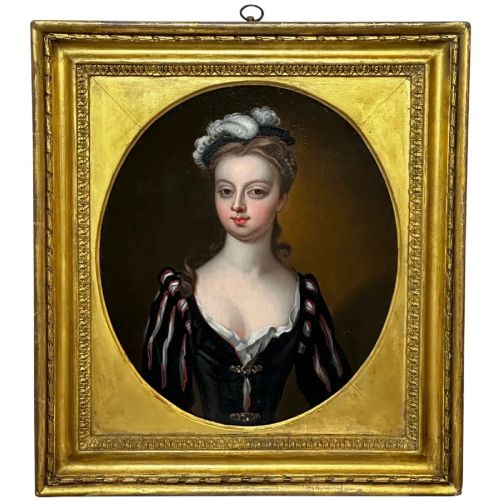
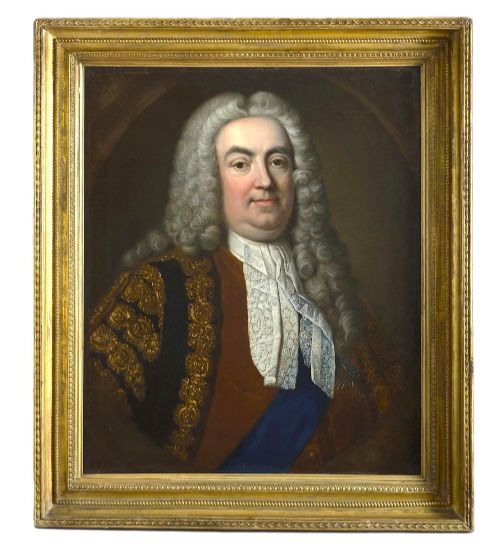
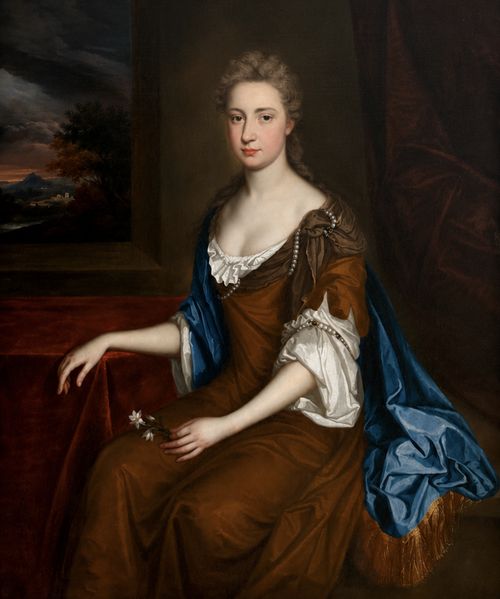
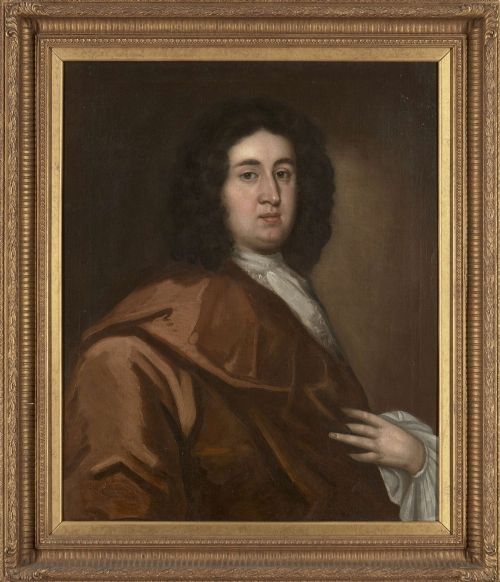

Aristocratic Portrait Oil Painting
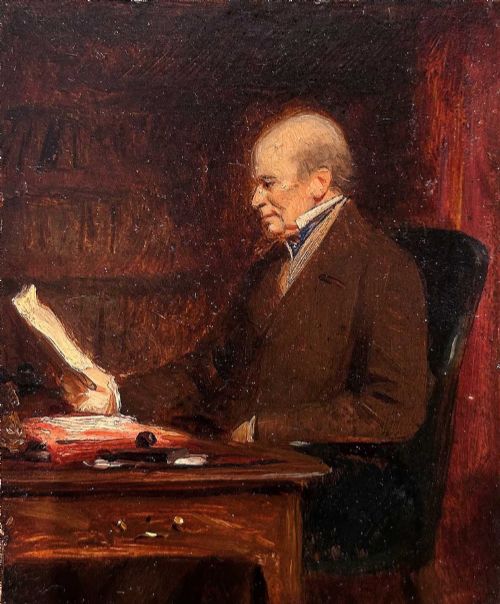
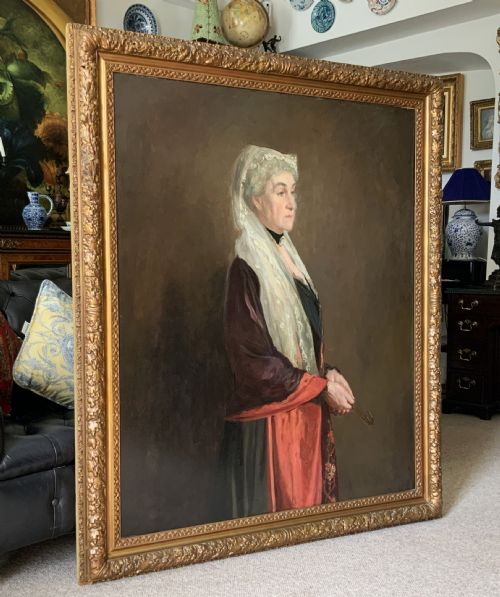
An aristocratic portrait oil painting captures the likeness and status of historical figures through centuries of master craftsmanship.
Aristocratic Portrait Oil Painting
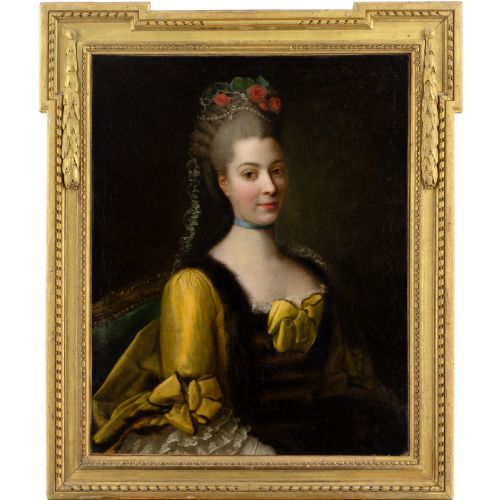
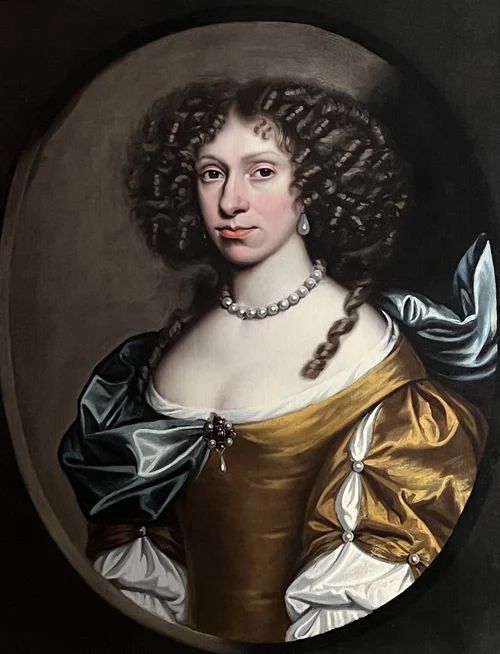
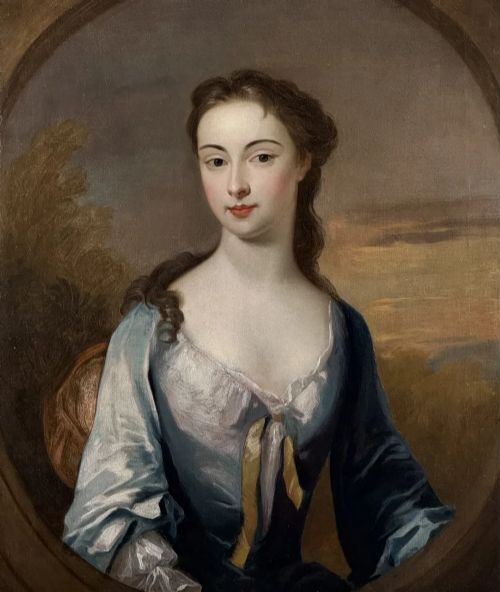
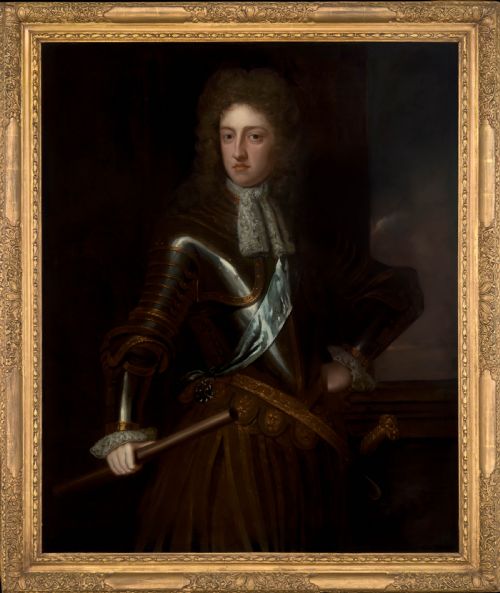
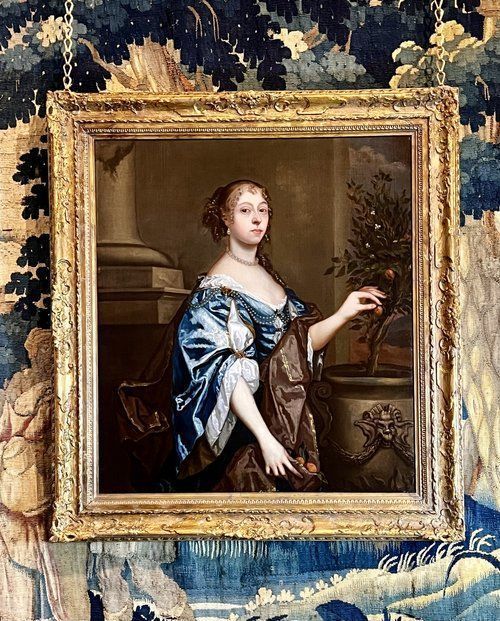
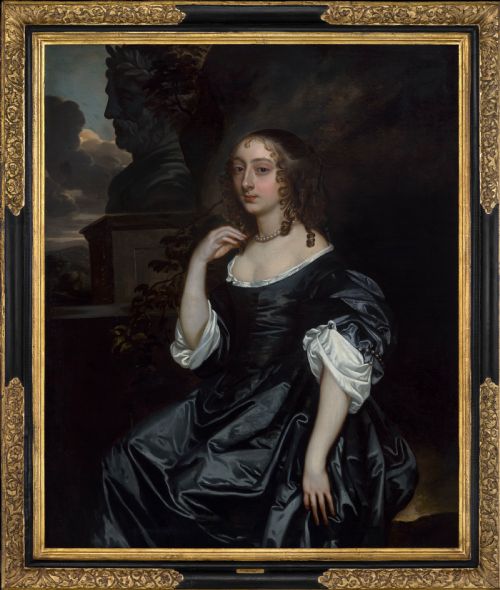
An aristocratic portrait oil painting depicts nobility, gentry, and historical personages across the seventeenth, eighteenth, and nineteenth centuries. These works record the status, attire, and lineage of figures from British, Dutch, French, and German schools.
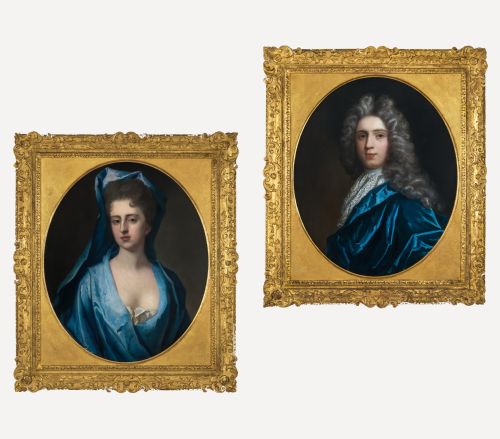
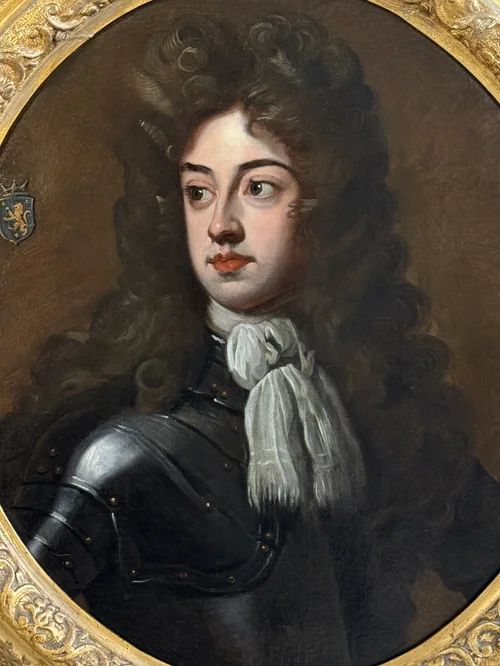
Buyers encounter subjects ranging from noblewomen in silk gowns to gentlemen in armour or velvet cloaks. The selection spans studio pieces, circle-of works, and attributed paintings from periods including the Baroque, Georgian, and Victorian eras.
Canvas and oak panel serve as the primary supports for these fine art paintings. Pieces often arrive framed in period surrounds such as giltwood or gold leaf moulded wood.
Materials and Technique
Artists built these portraits using oil paint applied to stretched canvas or wooden panels. The medium allowed for subtle blending of skin tones, rich rendering of fabrics like satin and velvet, and deep shadows characteristic of the Dutch Golden Age and British schools.
Frames play an integral part in the presentation of these works, constructed from wood and finished with intricate giltwood or gold leaf details. The craftsmanship of both the canvas execution and the framing reflects the high status of the sitters.
Listings feature works executed on both stretched canvas and solid oak panel supports.
Assessing Quality and Execution
The degree of anatomical precision in the hands, face, and drapery distinguishes studio masterworks from provincial school copies. Superior examples display confident brushwork and psychological depth in the sitter's expression.
The preservation of the original paint layer and the authenticity of the period frame influence the integrity of the piece. Works originating directly from the circle of notable portraitists command greater historical significance.
David Scougall·John Hayls·Charles Jervas·Michael Dahl·Thomas Murray·Sir Godfrey Kneller·Pieter Borsseler·Sir Peter Lely·John Vanderbank·Jean Baptiste Van Loo·John Closterman·Stephen Pearce·Trajan Hughes·Joseph Vivienne·Allan Ramsay·James Maubert·Nicolas De Largilliere·Franz Xaver Winterhalter·Robert Edward Morrison·Enoch Seeman·Ethel Mortlock·Philip Mercier·Pieter Nason·Mary Beale
The Aristocratic Portrait Oil Painting Glossary
- Oil on Canvas
- Pigments bound in a drying oil applied to a woven fabric support. This combination became the standard medium for European portraiture from the seventeenth century onward.
- Giltwood
- Wood carved and coated with a thin layer of gold leaf or metallic powder. These frames are traditional accompaniments to formal portraits.
- Circle of
- A term used when a painting shows the distinct style and methods of a master artist without being directly attributable to their own hand. It often denotes a contemporary working in the same studio or milieu.
- Baroque
- An artistic style prevalent from the seventeenth into the eighteenth century characterised by drama, rich colour, and dynamic movement. Portraits from this period emphasise grandeur and theatrical lighting.
- Oak Panel
- A rigid wooden support used primarily for earlier panel paintings before canvas became widespread. It provides a stable base for fine oil pigments.
Aristocratic Portrait Oil Painting: Frequently Asked Questions
What periods do these portraits come from?
The available selection spans primarily from the seventeenth through the nineteenth centuries, capturing stylistic shifts from Baroque grandeur to Victorian formality.
Examples include specific dated works and school pieces ranging from the sixteen-fifties up to nineteen-sixty interpretations of earlier styles.
How were these paintings originally displayed?
Aristocrats hung these large-scale oil works in country houses, state rooms, and palaces to project lineage, power, and wealth.
They were customarily housed within ornate giltwood frames designed to complement the interior architecture of the estate.
What is the difference between canvas and panel supports?
Stretched canvas became the dominant support for large portraits due to its portability and texture, while wooden panels like oak were favoured for earlier or smaller formats.
Both substrates require stable environmental conditions to preserve the oil paint layer over the centuries.