
Framed Gentleman Oil Painting
A framed gentleman oil painting brings centuries of character into a room through historic portraiture rendered in oil on canvas.
Framed Gentleman Oil Painting
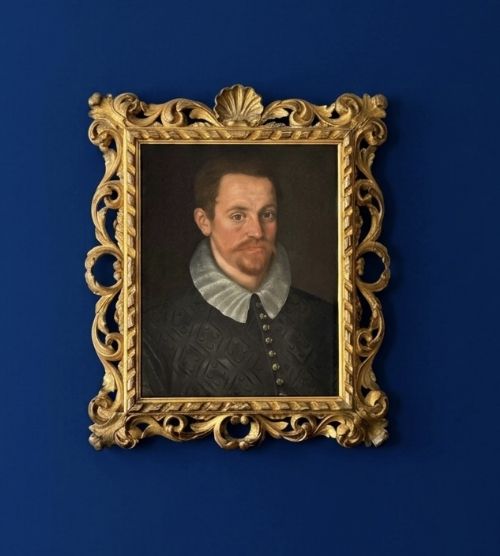
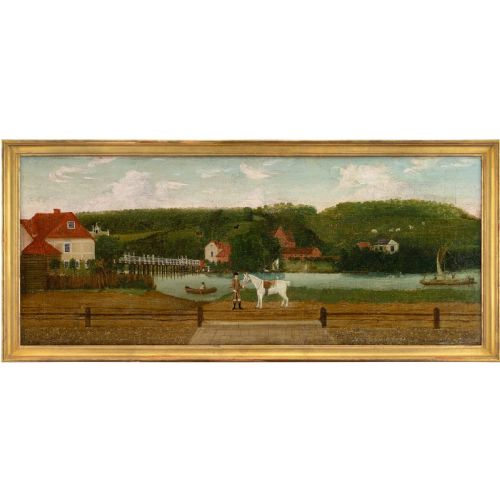
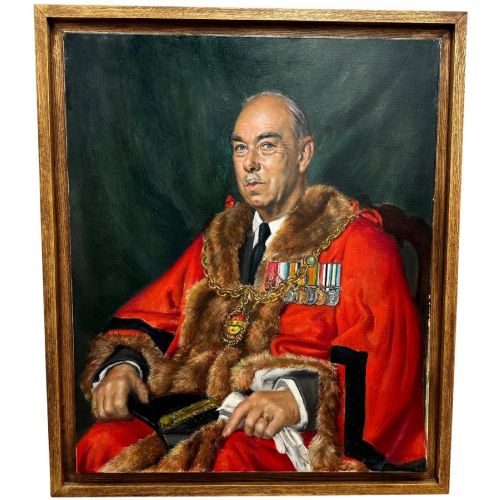
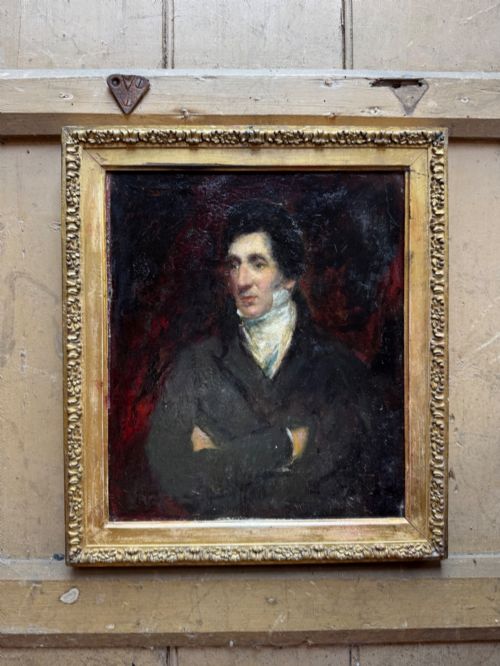
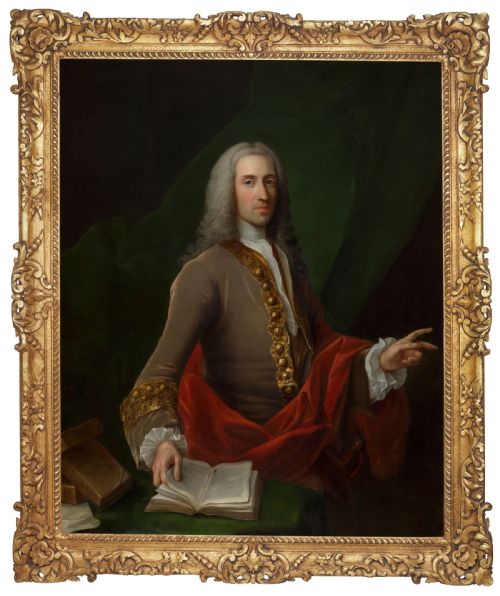
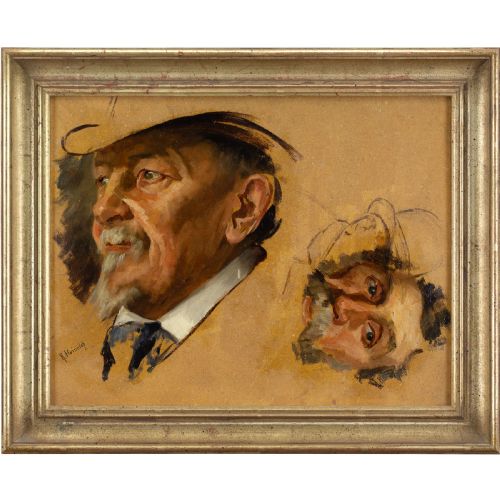
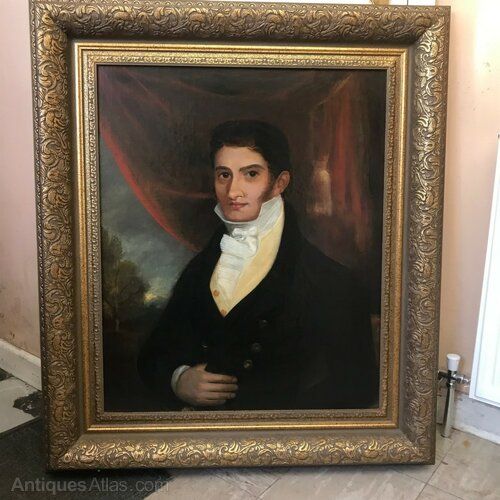
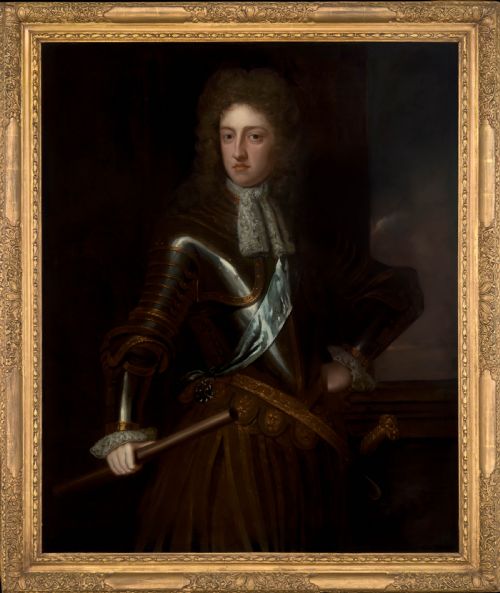
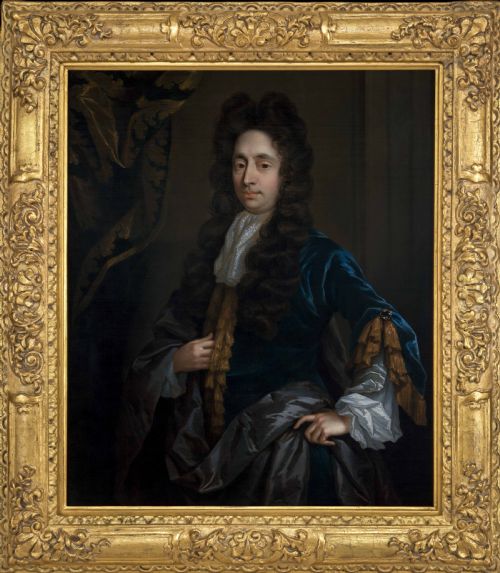
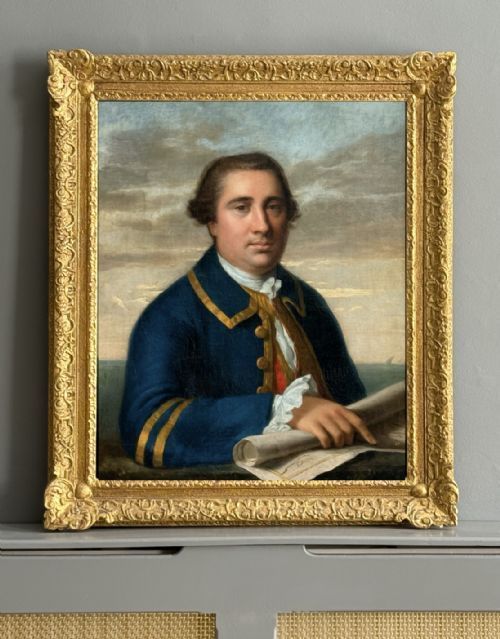
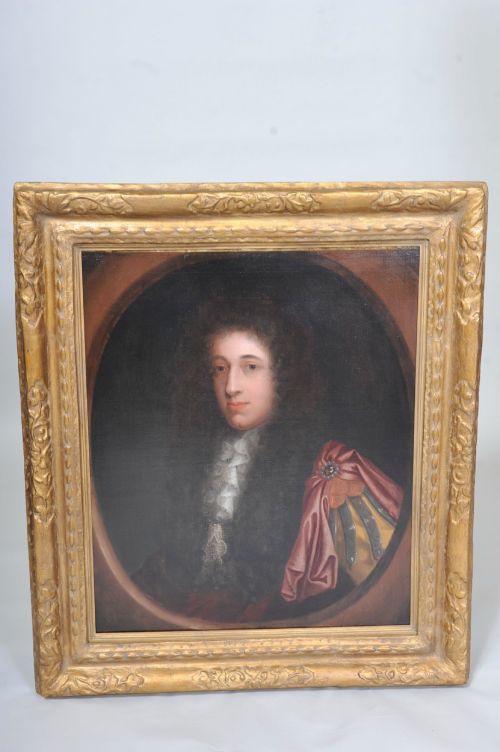
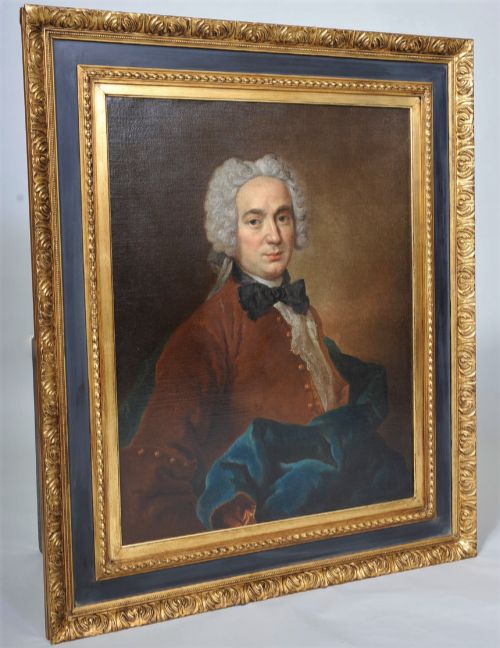
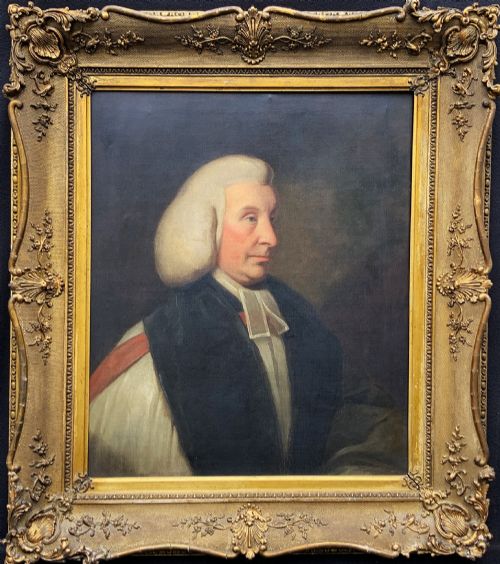
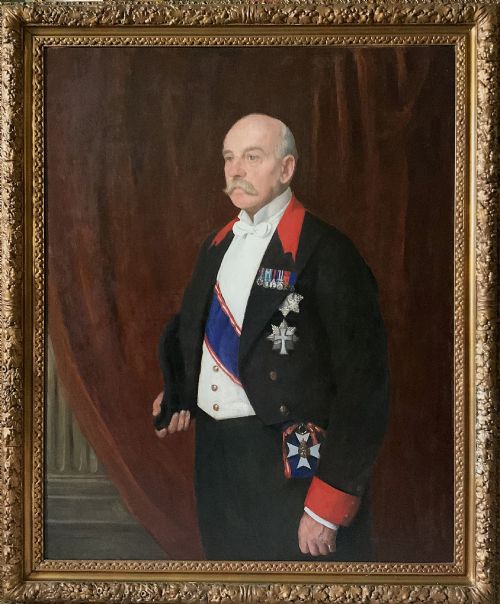
A framed gentleman oil painting captures male subjects from the seventeenth century through to the twentieth century, including military officers, merchants, and nobility. These works take the form of formal bust-length studies, seated compositions, and dramatic depictions set against curtains or landscapes.
The selections span distinct periods such as the Georgian era, Regency period, and Victorian age, often retaining their original enclosures. Buyers frequently encounter works executed by regional British and European schools alongside pieces attributed to named portraitists.
Materials and construction
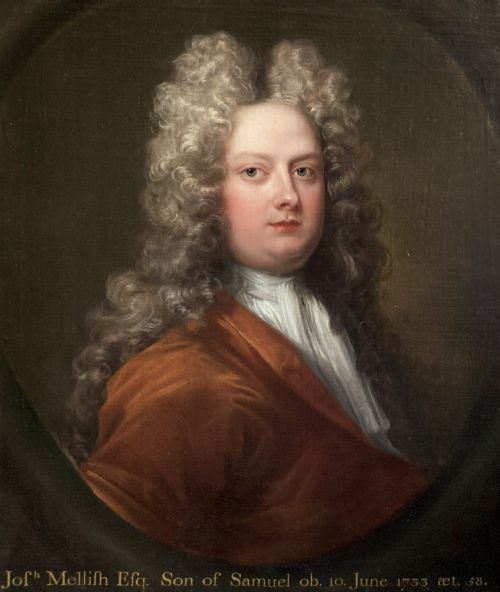
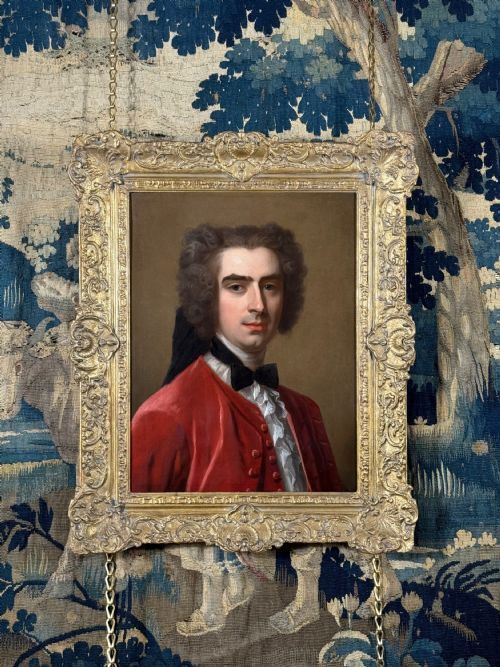
These works are executed primarily in oil paint on woven canvas stretched over wooden frames, though wooden panels and board occasionally appear as supports. Pigments are built up in layers to capture the texture of contemporary clothing, from periwigs and scarlet jackets to blue coats.
Surviving canvases are housed in period surrounds constructed from wood and finished with gold leaf or giltwood mouldings. These enclosures range from heavy moulded profiles to ornate carved designs appropriate to the sitting's period.
Listings feature works spanning the 17th, 18th, and 19th centuries, utilising oil on canvas, wood panels, and giltwood frames.
Distinguishing quality in portraiture
Quality rests in the anatomical precision of the hands and face, the handling of light across fabrics like silk or velvet, and the psychological depth captured in the sitter's expression. Superior examples demonstrate confident brushwork in the rendering of lace collars, periwigs, and background details.
The preservation of the original paint surface and the structural integrity of the supporting canvas and stretcher dictate the standing of a piece. Enclosures that retain their original gilding and match the age of the canvas contribute significantly to the integrity of the object.
Charles Jervas·Jean-Baptiste Van Loo·Bernard Hailstone·Jeremiah Davison·Sir Godfrey Kneller·Constantyn Netscher·Lemuel Francis Abbott·Thomas Murray·John Scougall·John Closterman·Allan Ramsay·Sir William Beechey·James Howe·John Michael Wright·Edouard Pingret
The Framed Gentleman Oil Painting Glossary
- Oil on Canvas
- A painting technique using pigment suspended in a drying oil medium applied to a stretched woven fabric support. This combination allows for rich blending and deep tonal graduation.
- Giltwood
- Wood carved and coated with a thin layer of gold leaf or gold paint. It forms the decorative surface of many period frames.
- Periwig
- A voluminous artificial hair wig popular among men during the seventeenth and eighteenth centuries. Its presence helps date early portraits accurately.
- School
- A grouping of artists sharing a similar style, geographical origin, or training under a master. Works are often attributed to a regional school when the specific hand is unrecorded.
Framed Gentleman Oil Painting: Frequently Asked Questions
How do I date a portrait?
Dating relies primarily on the style of the sitter's clothing, hair, or wig, such as the distinct periwigs worn in the late seventeenth century. Costume details provide a reliable window into the decade in which the canvas was painted.
Secondary clues include the construction of the wooden stretcher, the weave of the canvas, and the profile of the surrounding frame. Combined, these elements anchor the artwork within a specific historical period.
Where should I hang these paintings?
These works suit traditional reception rooms, studies, or hallways where they act as historical focal points. They benefit from stable wall spaces away from direct sunlight and dramatic temperature fluctuations.
Pairing a historic portrait with traditional architectural details or contrasting it within a modern interior creates a striking visual balance. Ensure the hanging height places the sitter's gaze at comfortable eye level.
What does attribution mean?
Attribution indicates that an expert has linked an unsigned or undocumented painting to a specific artist or workshop based on stylistic similarities. This judgment rests on comparative analysis of brushwork, handling of light, and compositional habits.
Terms like circle of or manner of further refine this relationship, distinguishing between direct pupils, workshop assistants, and later artists working in the exact aesthetic.
Are original frames important?
Original surrounds contribute heavily to the historical integrity and visual impact of an antique painting. They were designed specifically to complement the scale and tonal palette of the artwork within.
An authentic period enclosure preserves the complete object as a unified artefact from the past. Matching the age of the painting to its housing maintains its character.