


Aristocratic Lady Painting
An aristocratic lady painting captures the presence and status of women through centuries of portraiture.
Aristocratic Lady Painting
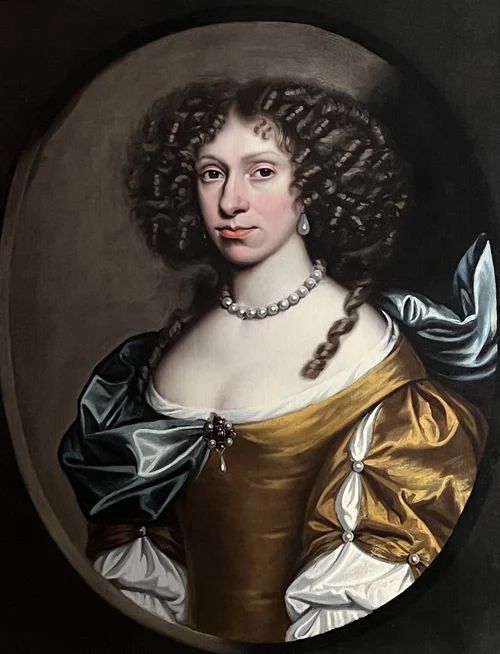
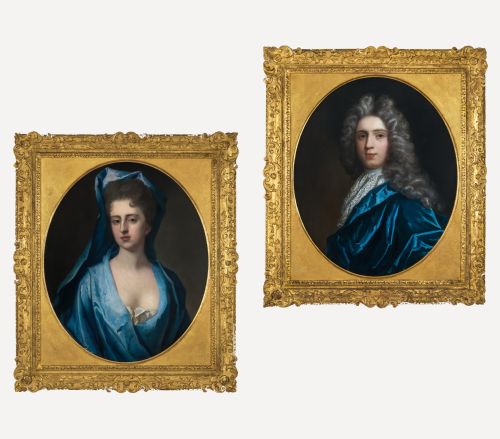
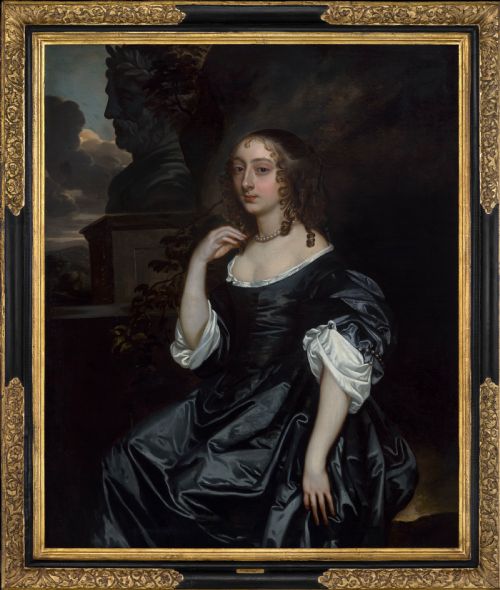
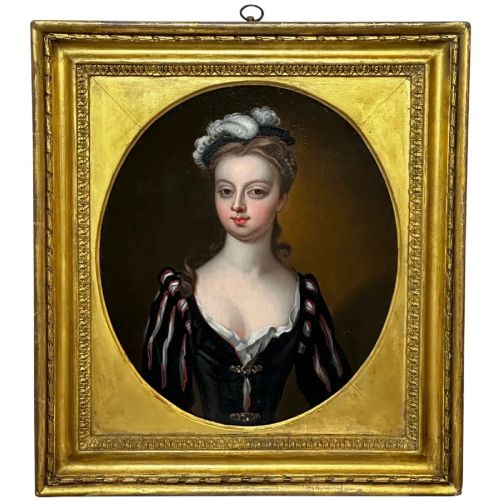
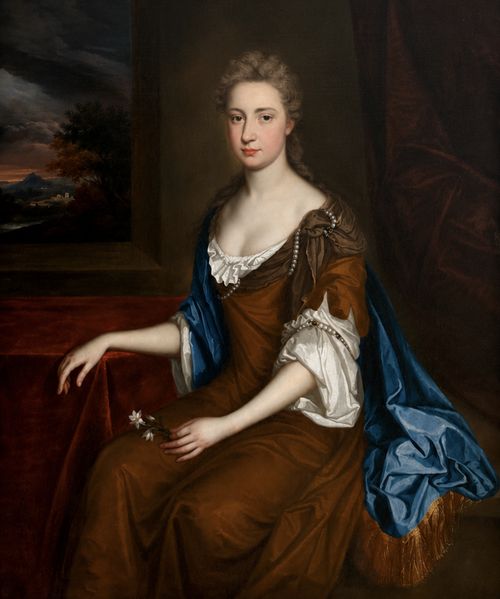
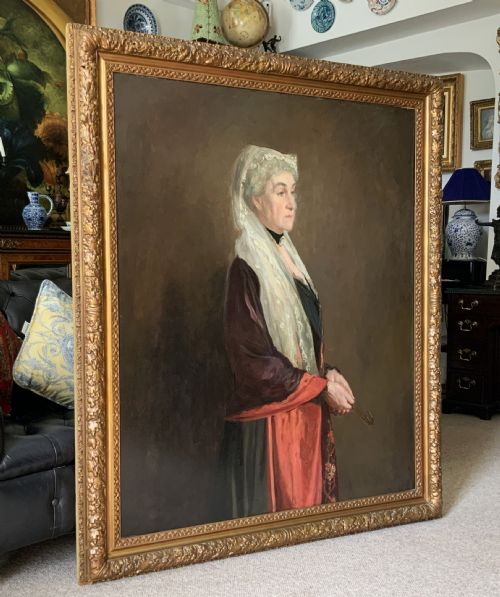
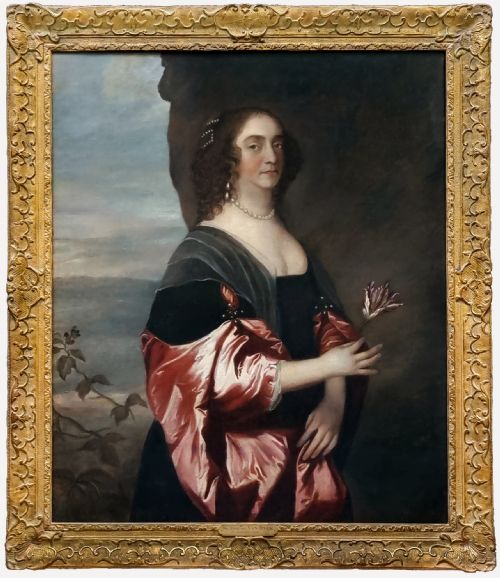
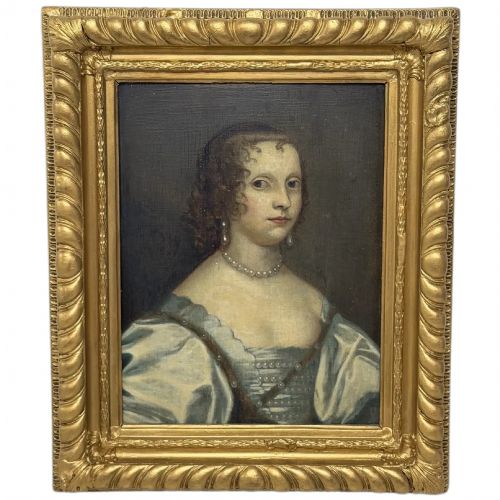
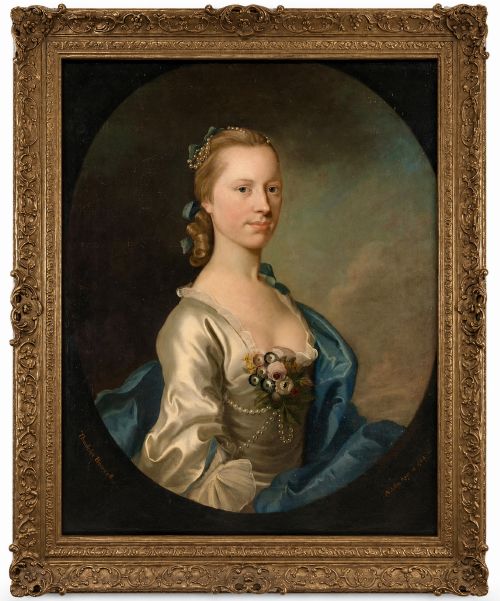
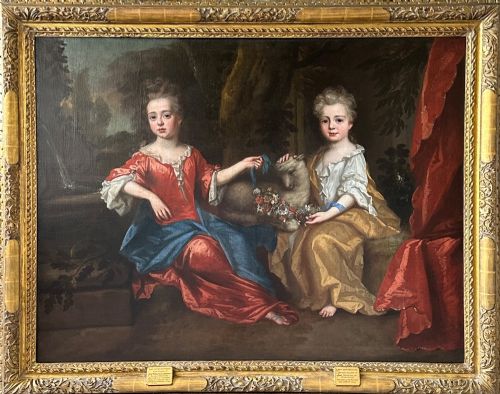
An aristocratic lady painting presents formal likenesses of noblewomen rendered in oils on canvas or oak panel. These works originate predominantly from the seventeenth and eighteenth centuries, with occasional nineteenth-century examples appearing.
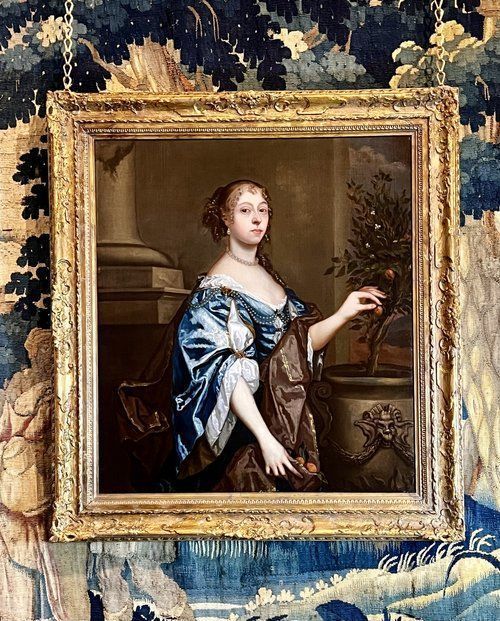
The subjects wear garments such as silk gowns, satin sleeves, and pearls, often accompanied by specific attributes or settings that denote high social standing.
Buyers encounter compositions linked to major portraiture traditions including British Baroque, Georgian, and Dutch Golden Age styles.
Materials and Technique
Artists built these works using oil paint applied to stretched canvas or wooden panels, supported by preparation grounds that held the pigment layers.
Framing typically involves giltwood or gilt wood mouldings, which complement the tonal depth of the painted surfaces.
Several noble sitters are accompanied in their portraits by small lapdogs or held oranges.
Quality Variations
The distinction between workshop execution and direct hand of a master painter dictates the standing of a canvas. Subtle handling of fabrics, facial modeling, and drapery define the upper tier.
Condition plays a part, where untouched paint surfaces and original panel or canvas supports command greater regard than heavily restored areas.
David Scougall·Michael Dahl·Thomas Murray·Pieter Borsseler·Sir Peter Lely·John Vanderbank·Allan Ramsay·James Maubert·Charles Jervas·Pieter Nason·George Perfect Harding·Richard Buckner·Sir Godfrey Kneller·Philip Mercier·Joseph Highmore·Thomas Hickey
The Aristocratic Lady Painting Glossary
- Baroque
- A stylistic period spanning the seventeenth and early eighteenth centuries characterised by drama, rich colour, and grand theatrical compositions. This aesthetic shapes many noble portraits from the era.
- Oil on Canvas
- A traditional painting medium utilising pigments suspended in drying oils applied to woven fabric. This combination allows for rich blending and depth.
- Oak Panel
- A rigid wooden support used primarily for earlier panel paintings before canvas became standard. Oak provides a stable surface for detailed portraiture.
- Giltwood
- Timber carved and coated with a thin layer of gold leaf. Frames made in this manner surround many period paintings.
- Circle of
- A designation indicating an artist worked in close association with a master, sharing stylistic traits without being the principal hand.
Aristocratic Lady Painting: Frequently Asked Questions
What periods do these paintings cover?
The works span from the seventeenth century through the eighteenth and nineteenth centuries, reflecting changing portrait conventions across those eras.
Most examples align with the Baroque and Georgian periods, showcasing evolving styles in dress and portrait composition.
How were these portraits historically displayed?
Aristocratic portraits hung in country houses and town residences as statements of lineage, wealth, and social standing.
They occupied prominent spaces such as grand reception rooms, galleries, and stair halls to impress visiting peers.
How do I match a frame to the period?
Original frames often share the approximate date of the canvas, utilising carved giltwood styles appropriate to the century of creation.
Consulting moulding profiles and corner construction helps determine if a frame is contemporary with the painting.
How do I care for an oil painting?
Keep the canvas away from direct sunlight, extreme temperature fluctuations, and high humidity to prevent cracking and warping of the support.
Dust the surface gently with a soft, dry brush and avoid liquid cleaners on both the paint and the gilt frame.