




British Baroque Portrait
A british baroque portrait commands attention with its rich oils, dramatic drapery and commanding depiction of aristocracy.
British Baroque Portrait
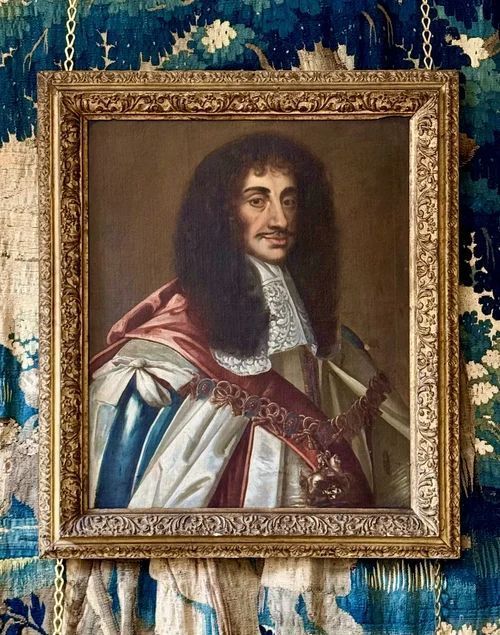
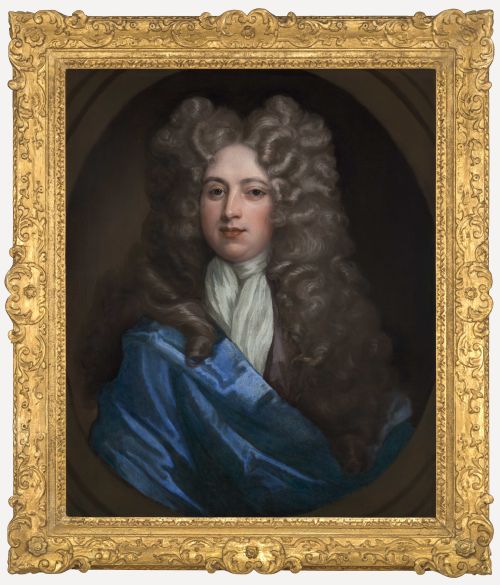
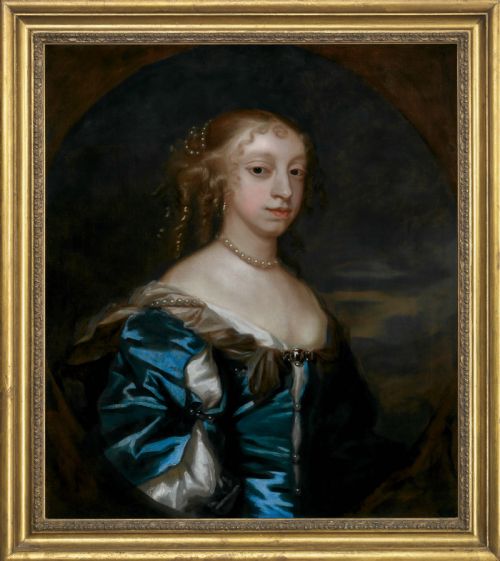
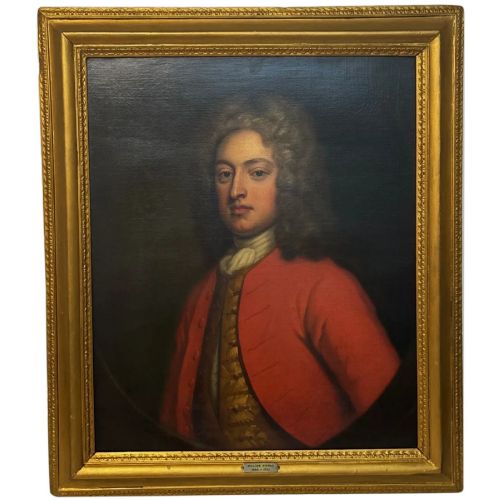
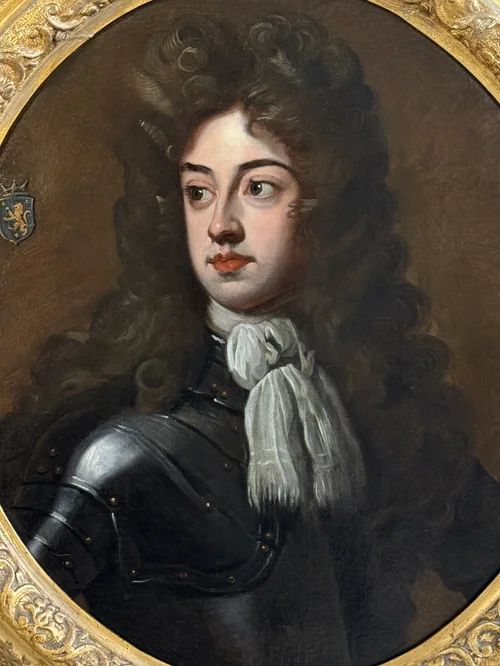
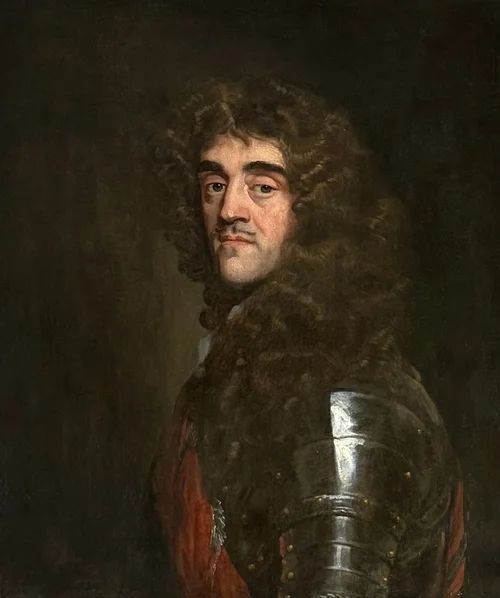
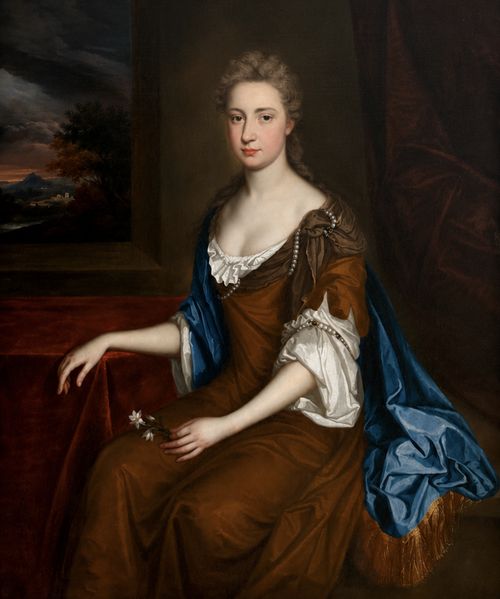
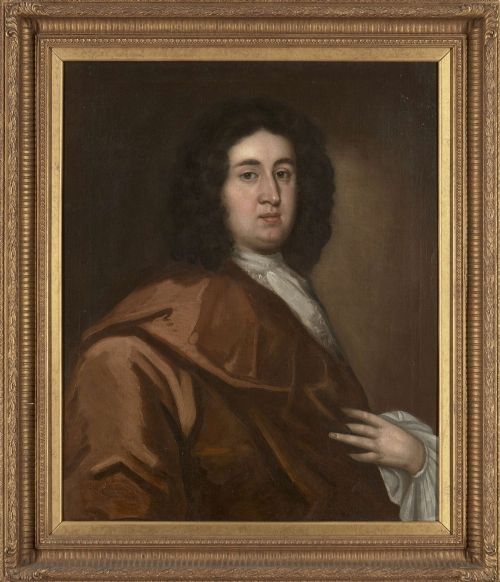
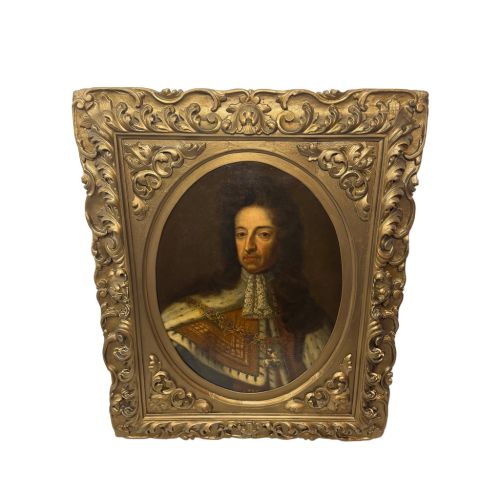
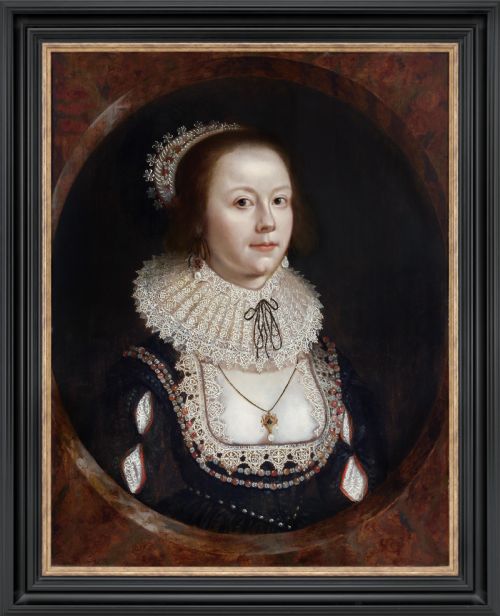
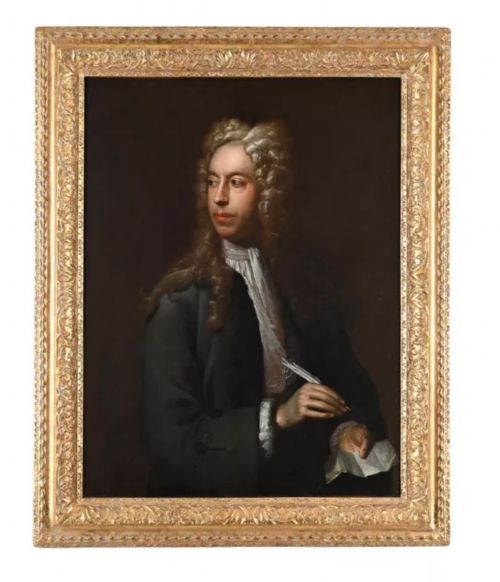
A british baroque portrait captures notable figures from the seventeenth and early eighteenth centuries, ranging from royalty and noblemen to ladies in sumptuous attire. These oil paintings on canvas or panel reflect the grand, theatrical style prevalent during the Restoration and Georgian periods.
Most pieces on this page originate from the seventeenth century and the early eighteenth century, executed by circles, followers or studios of prominent court painters. Subjects appear in elaborate costume, including periwigs, armour, lace collars and velvet cloaks, conveying status and authority.
Works span formats such as half-length representations, garden settings and intimate character studies. They document historical lineages and familial identities through carefully rendered expressions and heraldic details.
What varies in quality
The preservation of the original canvas, the stability of the oil paint layers, and the authenticity of the accompanying period giltwood frame heavily influence the standing of an individual piece.
Several subjects wear towering periwigs so immense they threaten to spill past the margins of the canvas entirely.
John Smith·Sir Peter Lely·Thomas Murray·Sir Godfrey Kneller·John Greenhill·John Closterman·Trajan Hughes·Cornelius Johnson·Michael Dahl·Thomas Hill·Mary Beale·Johann Kerseboom·Henry Stone
The British Baroque Portrait Glossary
- Mezzotint
- A printmaking process of the scraperboard method allowing half-tints to be produced without line work. It gained popularity for translating oil paintings into highly detailed monochrome prints.
- Periwig
- A voluminous man's wig fashionable among the upper classes during the seventeenth and early eighteenth centuries. Its grand scale served as a distinct indicator of high social rank.
- Giltwood
- Wood that has been treated with gold leaf or gold paint for decorative effect. It forms the primary material for ornate period picture frames.
- Circle of
- A designation used when a painting shares the distinct style and technique of a master artist working at the same time. It indicates a close professional proximity without definitive attribution to the master's own hand.
British Baroque Portrait: Frequently Asked Questions
Who are the subjects in these paintings?
Subjects typically include monarchs, noblemen, military commanders, and titled ladies from the seventeenth and eighteenth centuries. Many held significant political or social standing during the Stuart and Georgian eras.
Artists recorded their likenesses to project power, lineage, and refined taste through contemporary fashion and symbolic props.
How do I care for an oil painting?
Keep the canvas away from direct sunlight, high humidity, and rapid temperature fluctuations to prevent cracking in the oil paint and warping of the wooden stretcher.
Dust the surface and the giltwood frame gently with a dry, soft brush, and avoid using any liquid cleaners or chemical solvents.
What does circle of mean?
This attribution describes an artist working in close proximity to a master, absorbing their specific methods and stylistic choices.
It indicates high technical competence from the same period, even when the exact hand remains anonymous.
How can I tell the period?
Clothing styles, particularly the presence of periwigs, lace collars, and draped velvet cloaks, offer immediate clues to the decade of creation.
Technical aspects such as the preparation of the canvas and the construction of the wooden frame further confirm seventeenth or early eighteenth-century origins.