

Architectural Overmantel Mirror
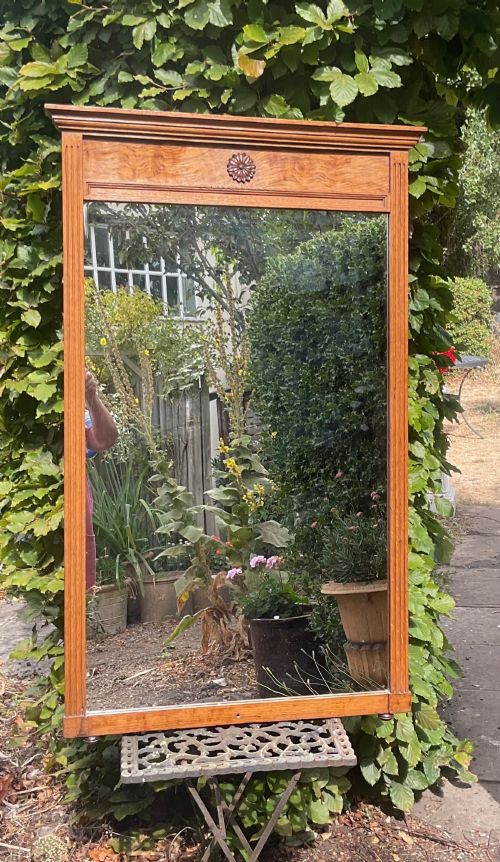
An architectural overmantel mirror anchors a fireplace, bringing scale and proportion to a room through classical framing.
Architectural Overmantel Mirror
An architectural overmantel mirror is designed specifically to hang on the wall directly above a fireplace mantelpiece, drawing the eye upwards and reflecting light across the interior. Buyers searching for an architectural overmantel mirror will find that the majority of examples date from the nineteenth century, spanning periods from Regency elegance to robust Victorian interpretations.
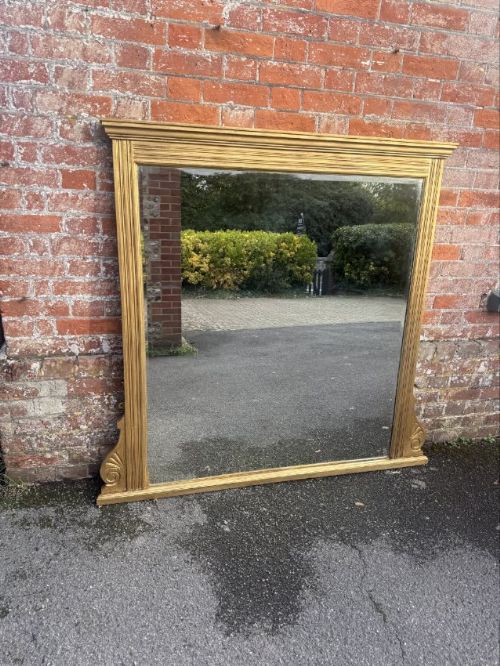
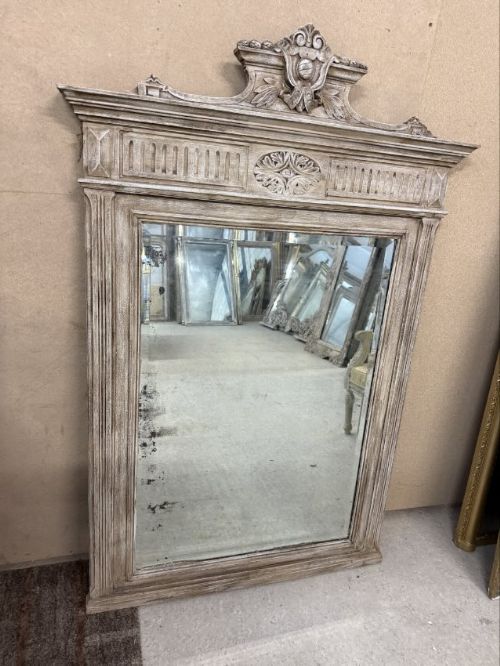
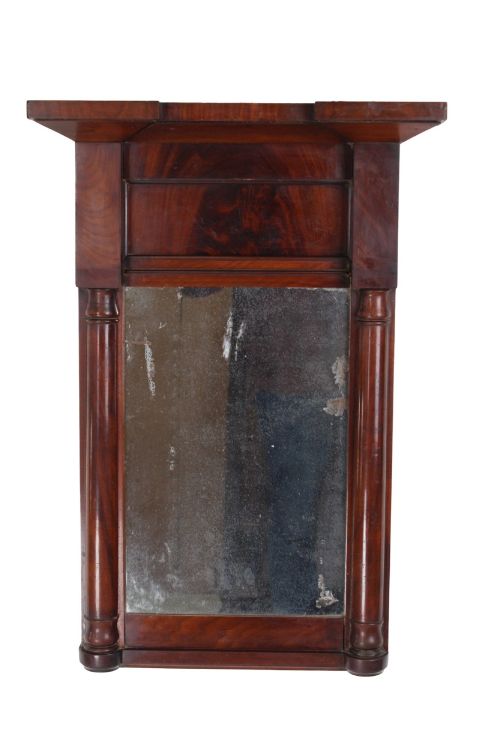
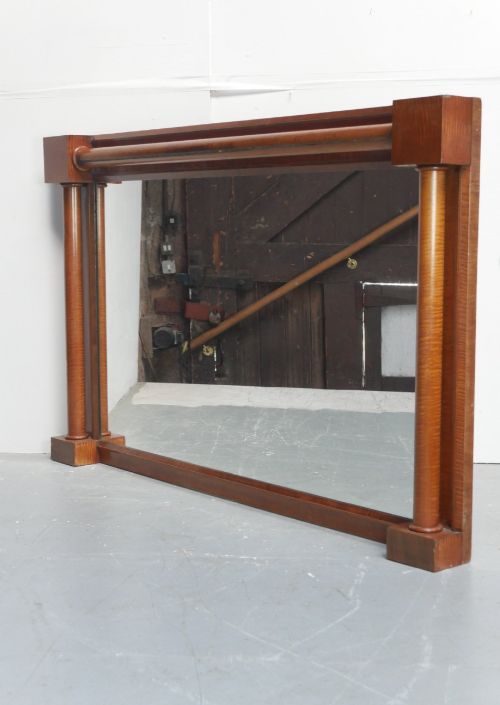
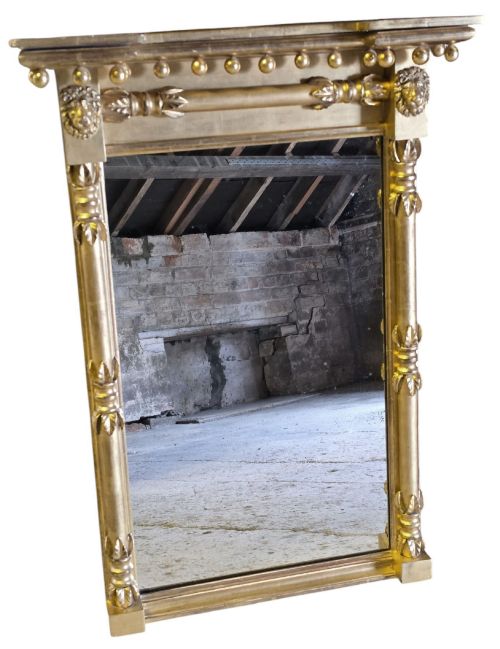
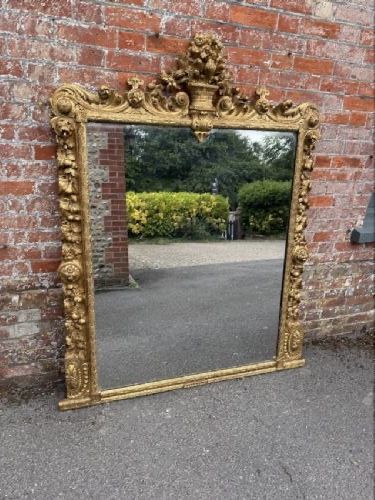
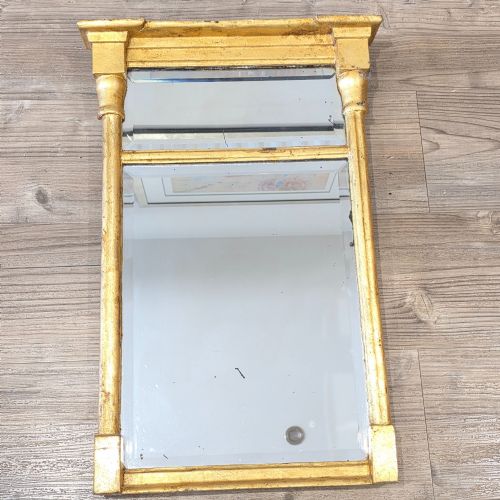
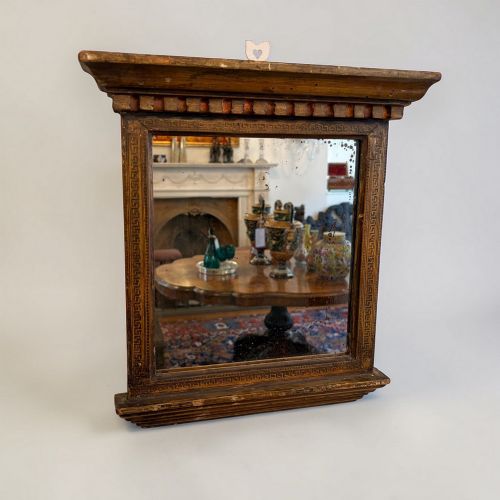
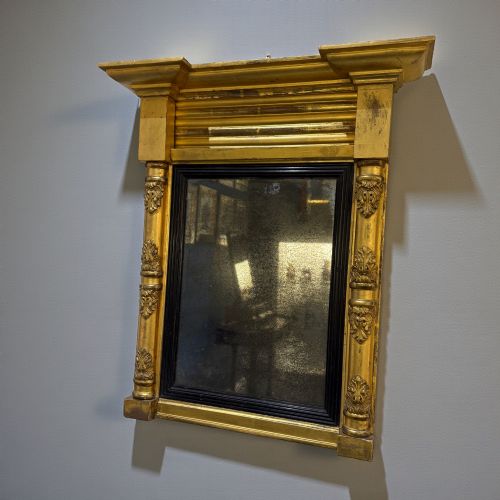
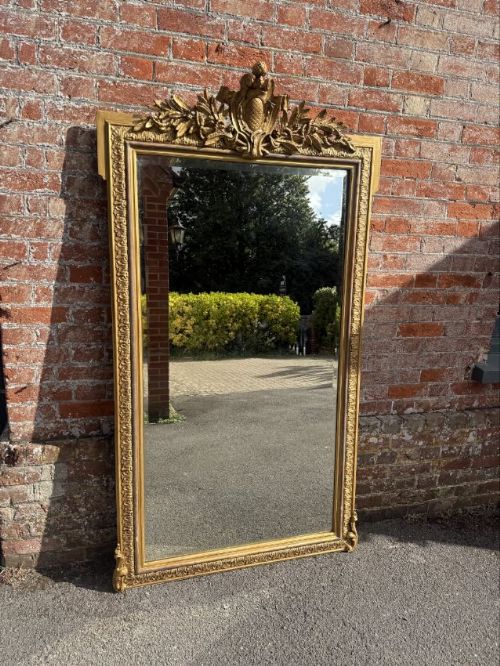
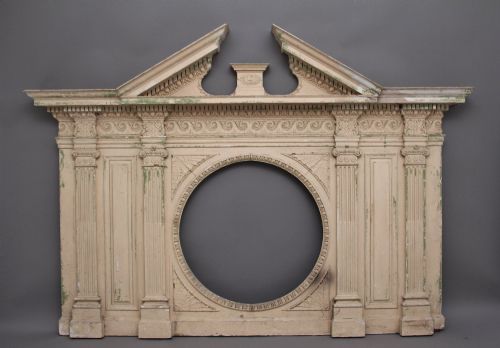
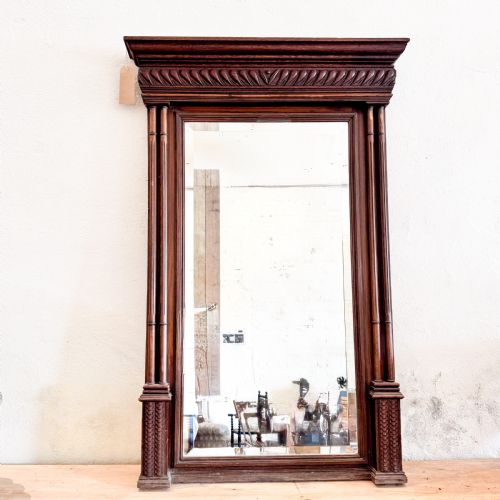
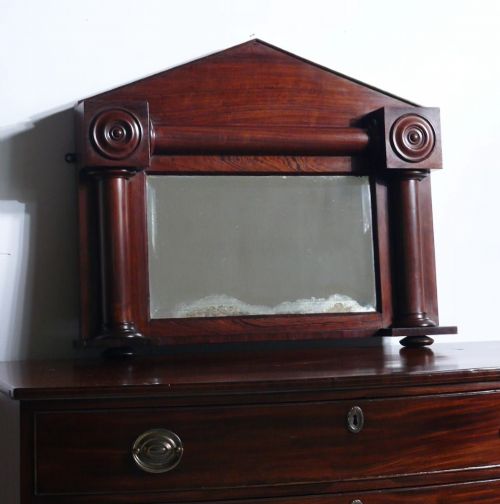
The forms vary from grand giltwood statements with classical architectural motifs to substantial carved oak and mahogany frames. Many pieces incorporate structural elements such as side columns, pediments, and arched tops that mirror the architectural detailing of the rooms they originally inhabited.
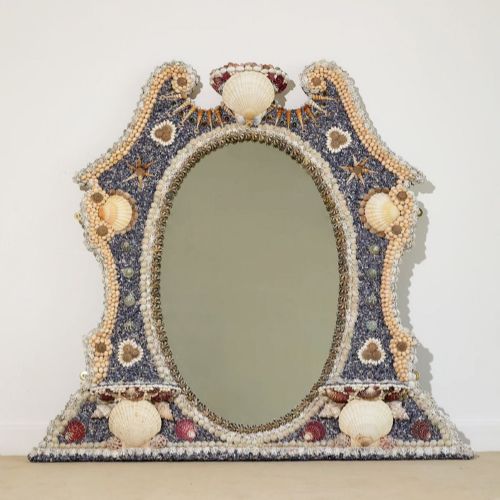
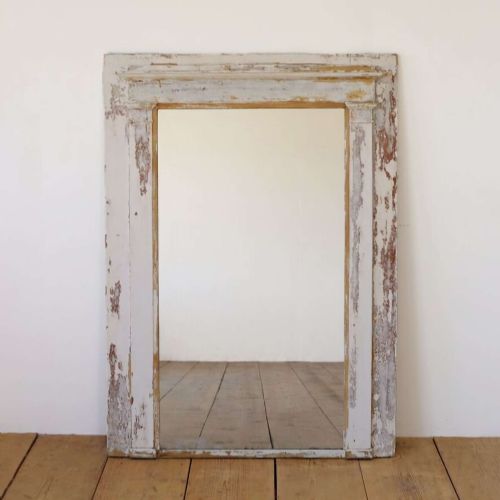
While traditional overmantels dominate, buyers will also encounter related wall mirrors and pier mirrors sharing similar period characteristics and proportions. These items function both as decorative centerpieces and as functional devices to brighten period reception rooms.
Materials and construction methods
Craftsmen built the underlying structures using timbers such as oak, mahogany, walnut, and pine, often applying carved wood and gesso to create elaborate surface decoration. Giltwood frames received layers of gold leaf applied over red bole or gesso preparations, producing a luminous finish that caught the flickering light of candles and coal fires.
Mirror glass of the period was cut and silvered by hand, occasionally retaining its original plate with characteristic surface soft spots and foxing. Frames frequently combined joinery with applied composition ornaments, securing heavy glass plates safely within robust timber rebates.
Architectural Overmantel Mirror Retail Price Guide 2026
Typical asking prices for architectural overmantel mirror among the pieces listed under this phrase on Sellingantiques today, from the lower quarter to the upper quarter. They describe what is for sale here now, not the wider market.
Some nineteenth-century mirrors still conceal faint chalk signatures left by gilders behind their original backboards.
Distinctions in quality and execution
The distinction between ordinary and exceptional pieces lies in the crispness of the hand-carved ornament and the depth of the gilding. Superior examples display finely modelled gesso and deeply carved wood details that retain their architectural definition without soft edges.
Originality of components dictates the standing of an overmantel mirror. Pieces retaining their original mirror plates, backboards, and mercury or early silvering command greater respect among collectors than those with later replacements.
The Architectural Overmantel Mirror Glossary
- Giltwood
- Wood carved and coated with gold leaf. This finish defines many formal period mirrors.
- Gesso
- A plaster mixture applied to wood frames to form a smooth base for carving or gilding. It allows intricate relief decoration.
- Pier Mirror
- A tall mirror designed to hang on the wall between two windows. These pieces often share design vocabulary with overmantels.
- Pediment
- The triangular or arched architectural crowning element above a mirror frame. It provides a formal classical silhouette.
- Original Plate
- The original sheet of mirror glass housed within the antique frame. Retaining this glass adds historical integrity.
Architectural Overmantel Mirror: Frequently Asked Questions
How do I hang a heavy overmantel mirror safely?
Due to the substantial weight of timber, gesso, and thick glass, these mirrors require professional wall anchoring directly into masonry studs or proper wall supports.
Hardware must distribute the vertical load evenly across the frame rather than relying on a single central fixing point.
What is the difference between an overmantel and a pier mirror?
An overmantel mirror is specifically proportioned to sit horizontally or vertically above a fireplace mantel, whereas a pier mirror is designed to hang in the narrow wall space between two windows.
While their decorative styles often overlap, their original domestic placement dictates their dimensions and framing proportions.
Should I replace foxed mirror glass?
Original glass showing foxing, oxidation, or dark spots is generally cherished by collectors as proof of age and authenticity. Replacing the plate removes the historic character that defines an antique mirror.
Unless the damage obscures the reflection entirely, retaining the original mirror plate remains the preferred choice.
How do I clean antique giltwood frames?
Dust giltwood frames gently with a dry, soft-bristled brush to remove surface particles without disturbing delicate gesso or leaf. Avoid all liquid cleaners, moisture, and chemical polishes, which strip the fragile historical surface.